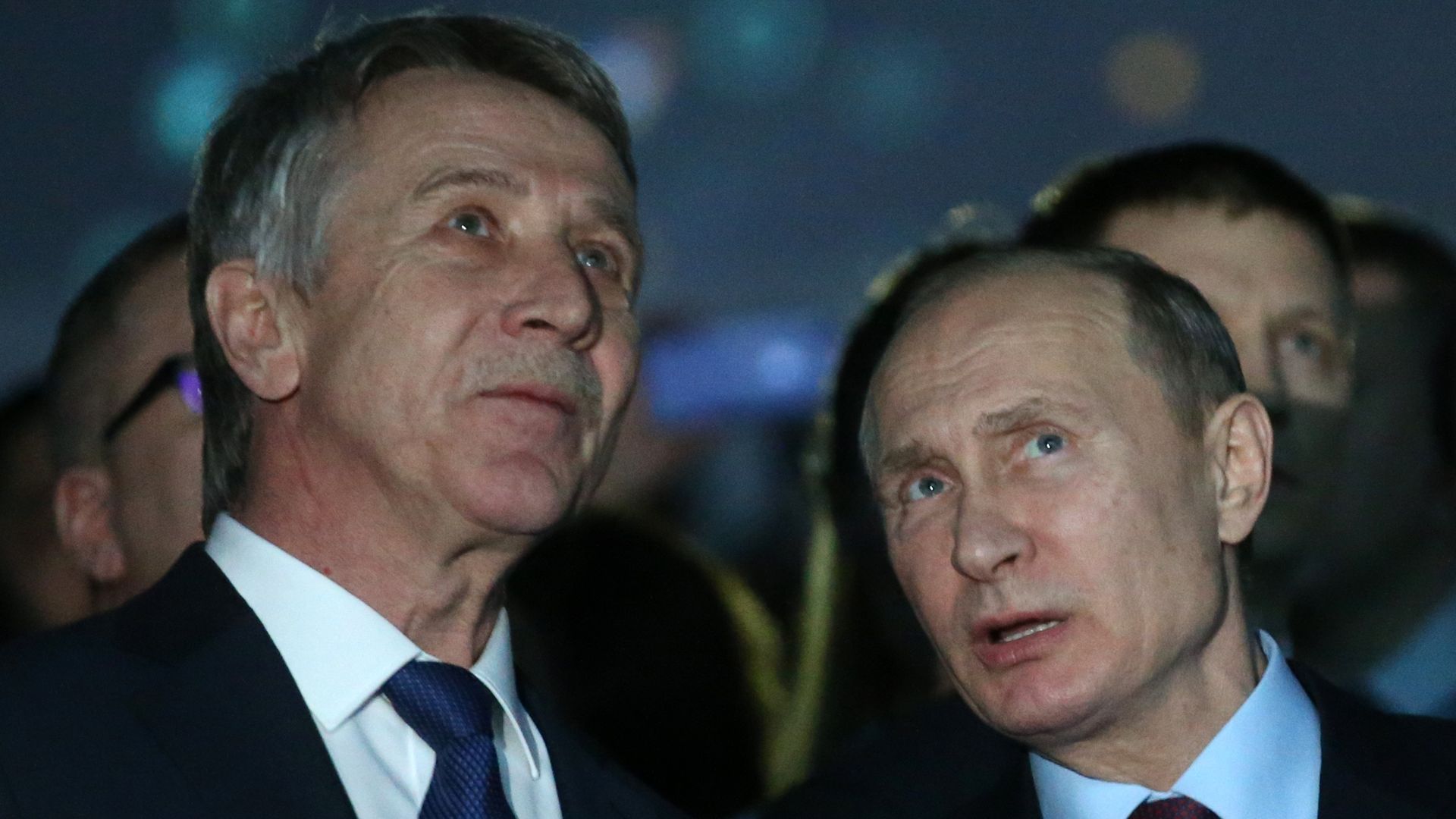
The U.S. Treasury released this week a long-anticipated report of Russian oligarchs and Kremlin officials, as required by the Countering America's Adversaries Through Sanctions Act signed into law last summer by President Trump. Section 241 of that legislation mandated that Treasury provide a list of senior political figures, oligarchs and "parastatal entities" close to the Kremlin, including an assessment of their net worth.
While there is also a classified version, the public report is basically a "who's who" of Russia — more than 200 individuals, including all the Russian cabinet ministers, presidential aides and 96 of the 200 oligarchs from the Forbes billionaire's list (96 marked the net-worth threshold for inclusion, at $1 billion). There are also individuals on the list who are already sanctioned by the U.S., like Oleg Deripaska, and others who are unlikely ever to face sanctions. (Axios highlighted several of them here.)
By publishing a list that is broad rather than differentiated to include the many proxies and cut-outs that the Kremlin elite use to hide their assets, the administration showed itself to be overcautious as best and incompetent or uncoordinated at worst.
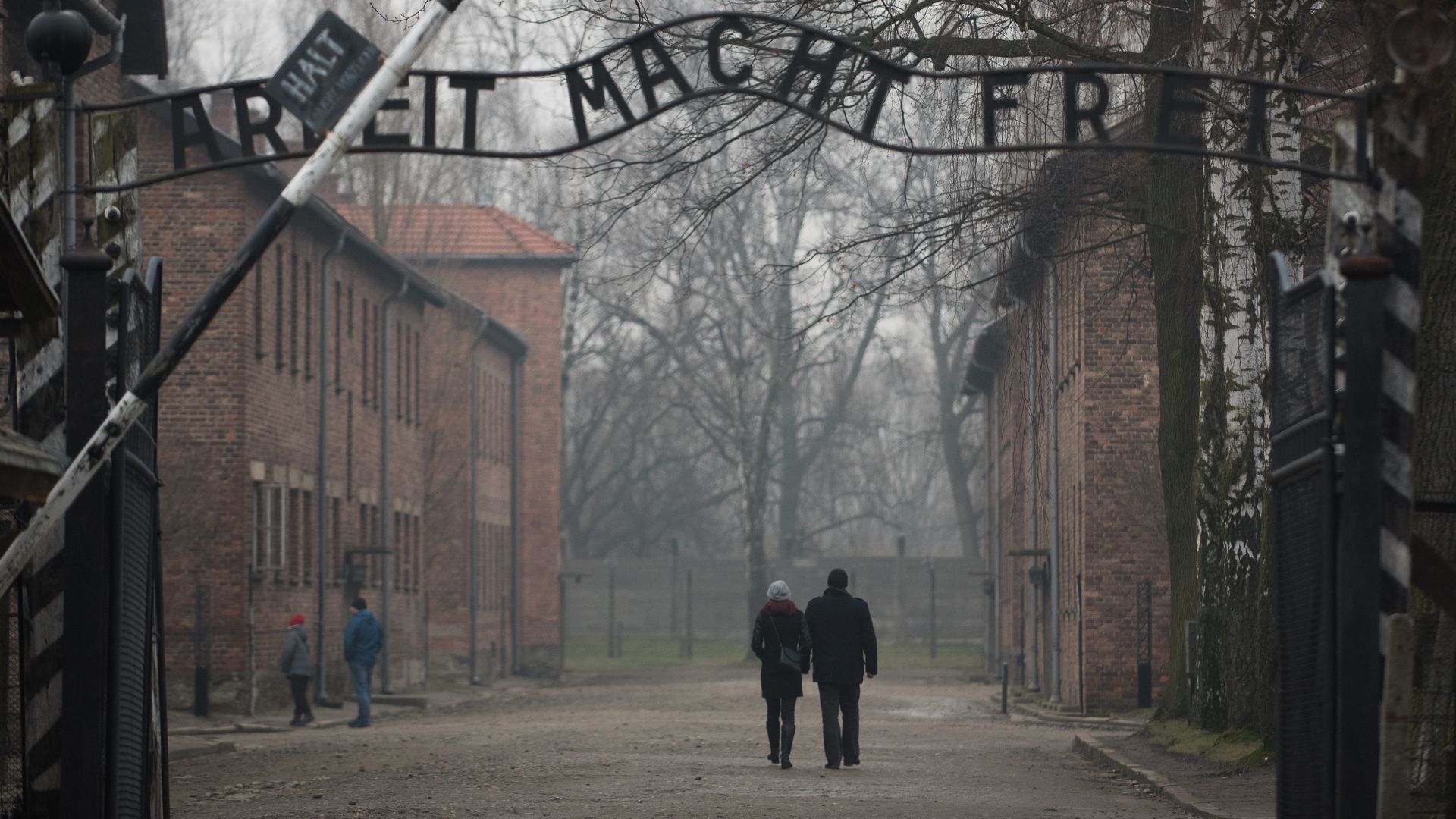
A new bill passed by Poland's Senate on Thursday would make it illegal to refer to concentration camps like Auschwitz, which was in Nazi-occupied Poland, as "Polish death camps," or to "accuse Poles of complicity in crimes committed by Nazi Germany." CNN reports.
Why it matters: The bill is fiercely opposed by Israel, and the World Holocaust Remembrance Center has said it ignores "historical truths regarding the assistance the Germans received from the Polish population during the Holocaust."
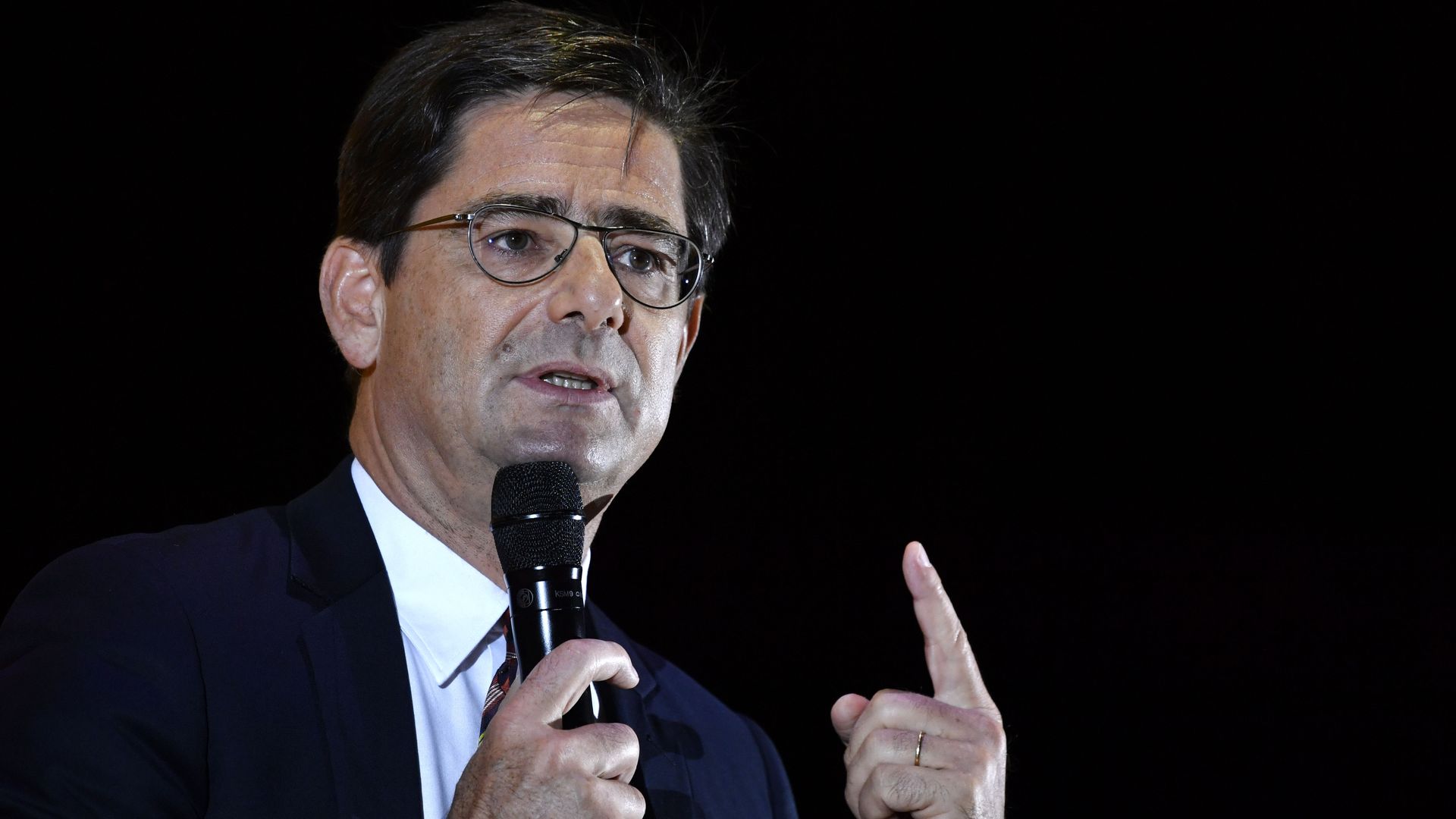
France will begin offering credits to Iranian buyers of French goods later this year, Reuters reports citing the head of Bpifrance, a state-owned investment bank. Such a move would be designed to increase trade without violating U.S. sanctions against Iran.
Why it matters: The move could anger President Trump, who has threatened to pull the U.S. out of the 2015 nuclear agreement that lifted many economic sanctions on Iran. Per Reuters, other European governments have been looking for work-arounds to allow their companies to trade with Iran without risking repercussions.
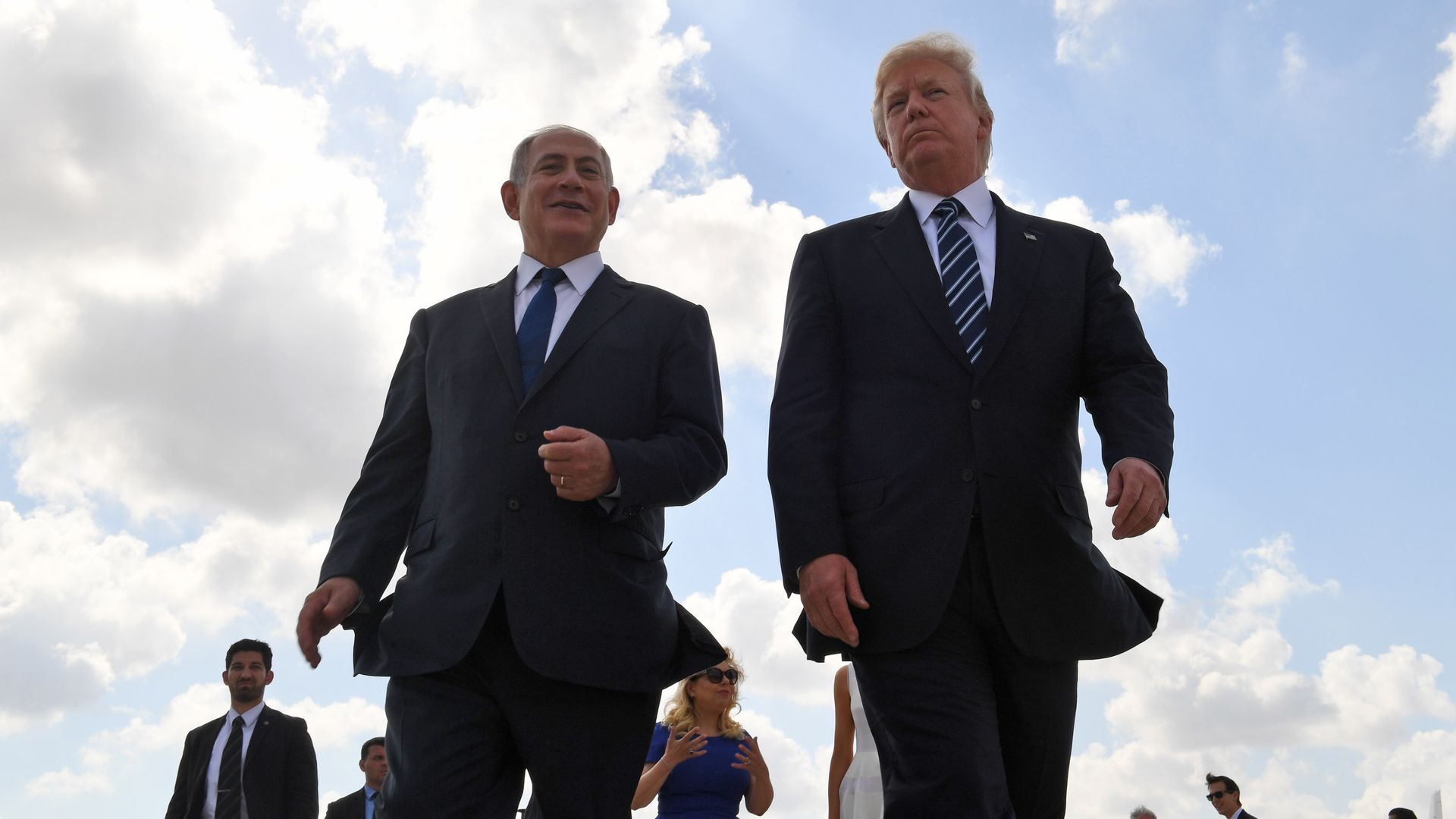
The White House is considering presenting President Trump's Middle East peace plan even if the crisis with the Palestinian Authority continues and Palestinian President Abbas refuses to come to the negotiating table, senior U.S. officials tell me.
The bottom line: The U.S. officials say the administration won't impose on the Israelis or Palestinians to accept the plan, but may release it so the parties and international community can judge it at face value.
28 Russian athletes had their Olympic doping bans overturned Thursday after the Court of Arbitration for Sport ruled there’s a lack of evidence proving the athletes had broken rules at the 2014 Olympics in Sochi, the Associated Press reports.
Why it matters: The ruling, which comes nearly a week before the start of this year’s Winter Games in Pyeongchang, means the athletes’ results in Sochi will stand.
President Trump is expected to approve the release of the Devin Nunes-authored memo alleging FISA abuse by U.S. intelligence agencies this morning, reports The Washington Post. After his approval, which will include some redactions requested by the FBI, the White House will send the memo back to the House Intelligence Committee, which could then release the document.
A majority of Americans (71%) believe that President Donald Trump should agree to be interviewed by Special Counsel Robert Mueller, according to a new poll from Monmouth University. If he does, 82% of Americans believe he should do so oath, including 93% of Democrats, 85% of independents and 67% of Republicans.
Why it matters: Trump told reporters last week that he would be willing to speak to Mueller under oath, a claim that White House lawyer Ty Cobb later walked back. Sources close to the president later told Axios' Jonathan Swan they think Trump would be unable to avoid perjuring himself.
FBI agent Peter Strzok helped pen the first draft of the infamous Comey letter that reopened the investigation into Hillary Clinton's emails just 11 days before the 2016 election, according to emails obtained by CNN.
Why it matters: Strzok is currently at the center of a DOJ investigation into text messages exchanged between him and FBI lawyer Lisa Page, which several Republicans claim show bias for Hillary Clinton and against President Trump. But the release of the emails suggest he may have been more aggressive in his treatment of Hillary Clinton than previously thought.
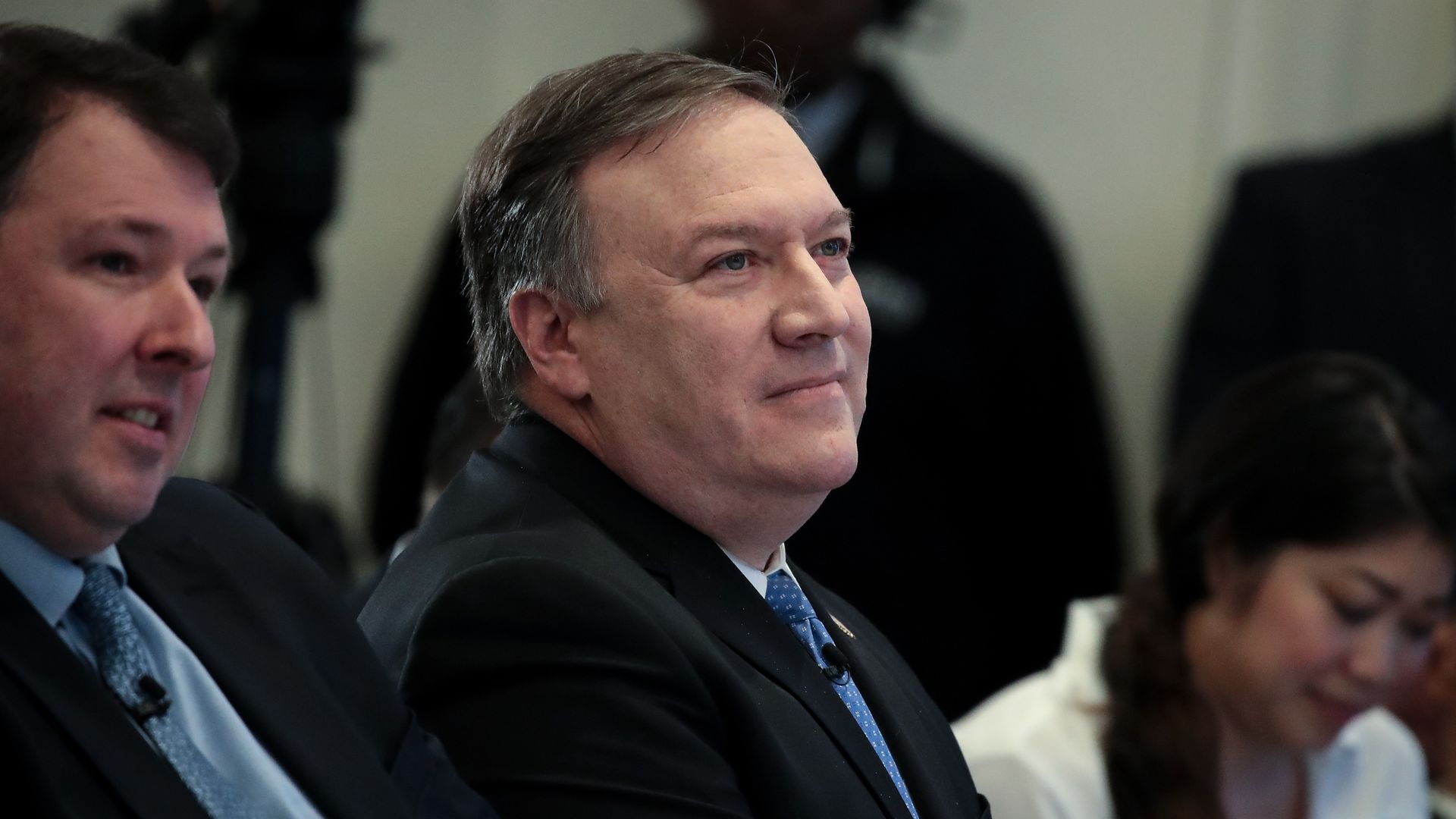
CIA Director Mike Pompeo met with two high-level Russian spy chiefs in Washington last week to discuss counterterrorism issues, according to The Washington Post. Pompeo met with the heads of the SVR, Russia's foreign intelligence service, and the FSB, the successor to the Soviet Union's KGB.
Why it matters: While meetings between top-level American and Russian spies aren't a new occurrence, intelligence officials told WaPo that it was unusual for a group of high-level Russians to visit a top American intelligence official on U.S. soil. Some U.S. intelligence officials said they're worried the encounter could leave Moscow with the sense that Trump administration officials are willing to move past Russian interference in the 2016 presidential election.
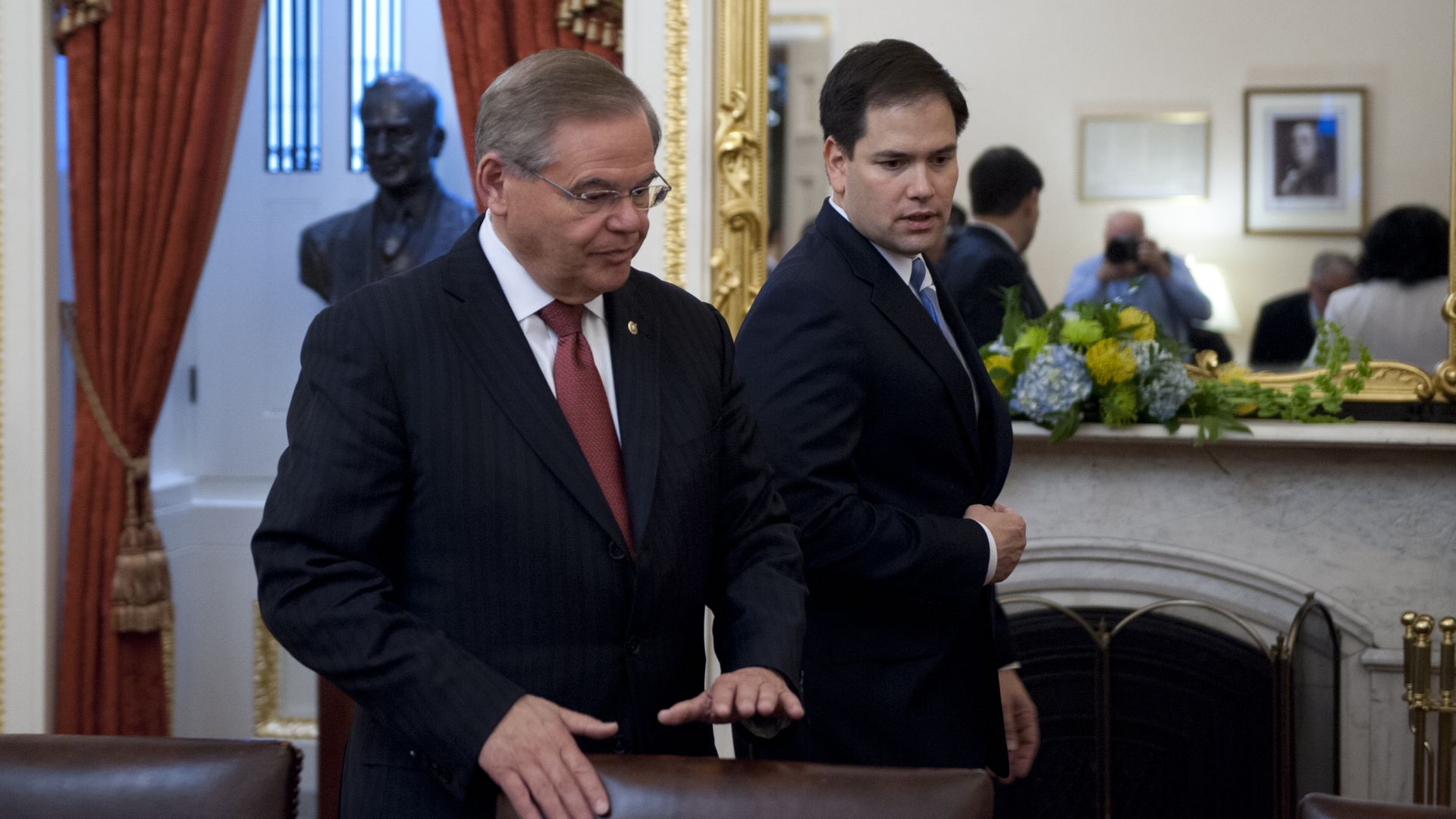
Sens. Marco Rubio (R-FL) and Bob Menendez (D-NJ) urged Secretary of State Rex Tillerson to raise the issue of potential Russian interference in upcoming Latin American elections — including July's presidential election in Mexico — during a trip to the region this week, per CBS News. The bipartisan legislators want to encourage Western Hemisphere allies to count on funding assistance from the United States to bolster the security of their democratic processes.
Why it matters: The senators argue that electoral systems in developing countries are less advanced than those here in the U.S., leaving them more vulnerable to foreign hacking and manipulation by hostile actors.
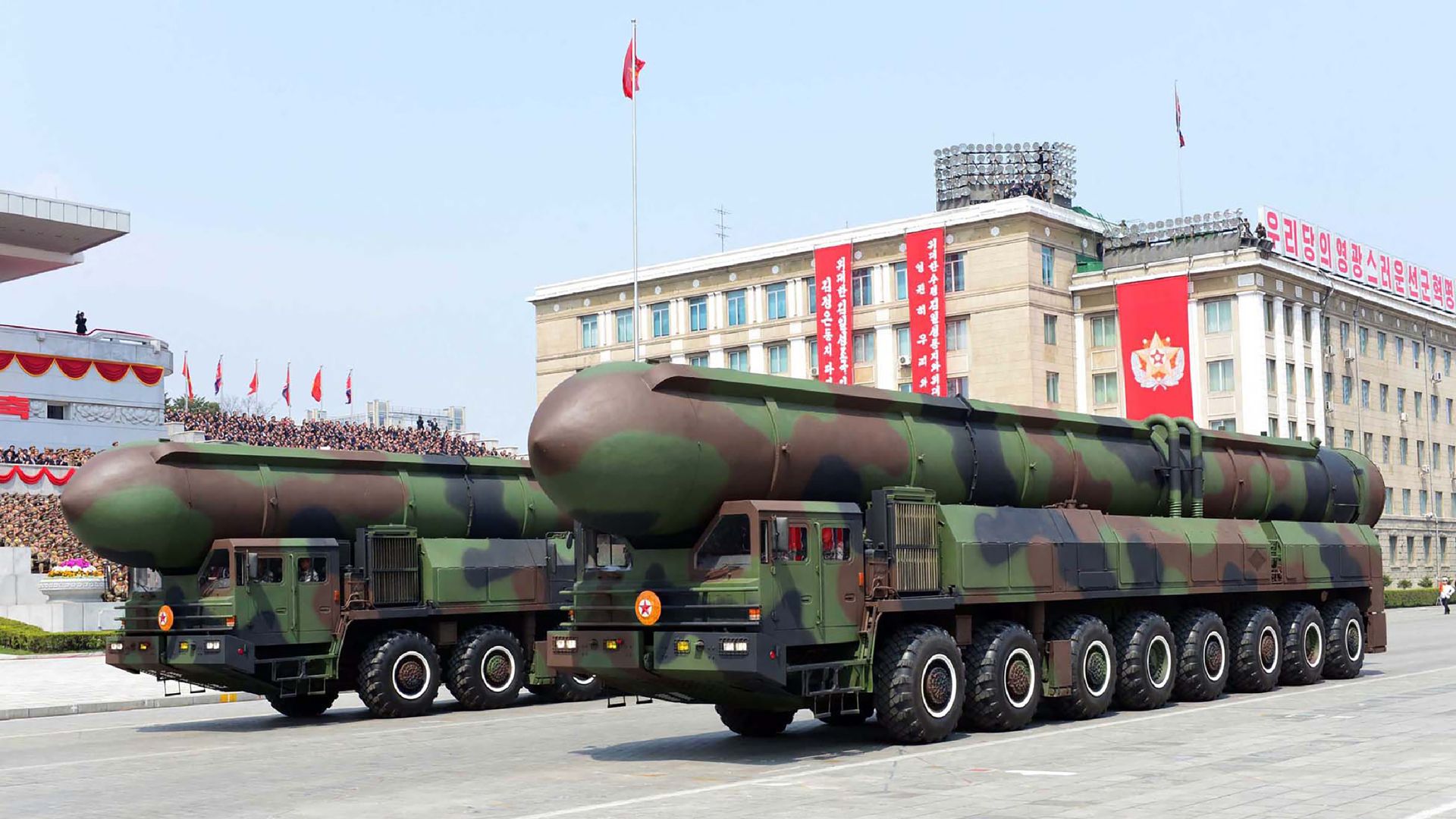
North Korea has plans to parade dozens of long-range missiles during a parade on the day before the Olympics is set to start, CNN’s Will Ripley and Joshua Berlinger report, citing diplomatic sources.
Context: The parade is on February 8th, North Korea's military anniversary.