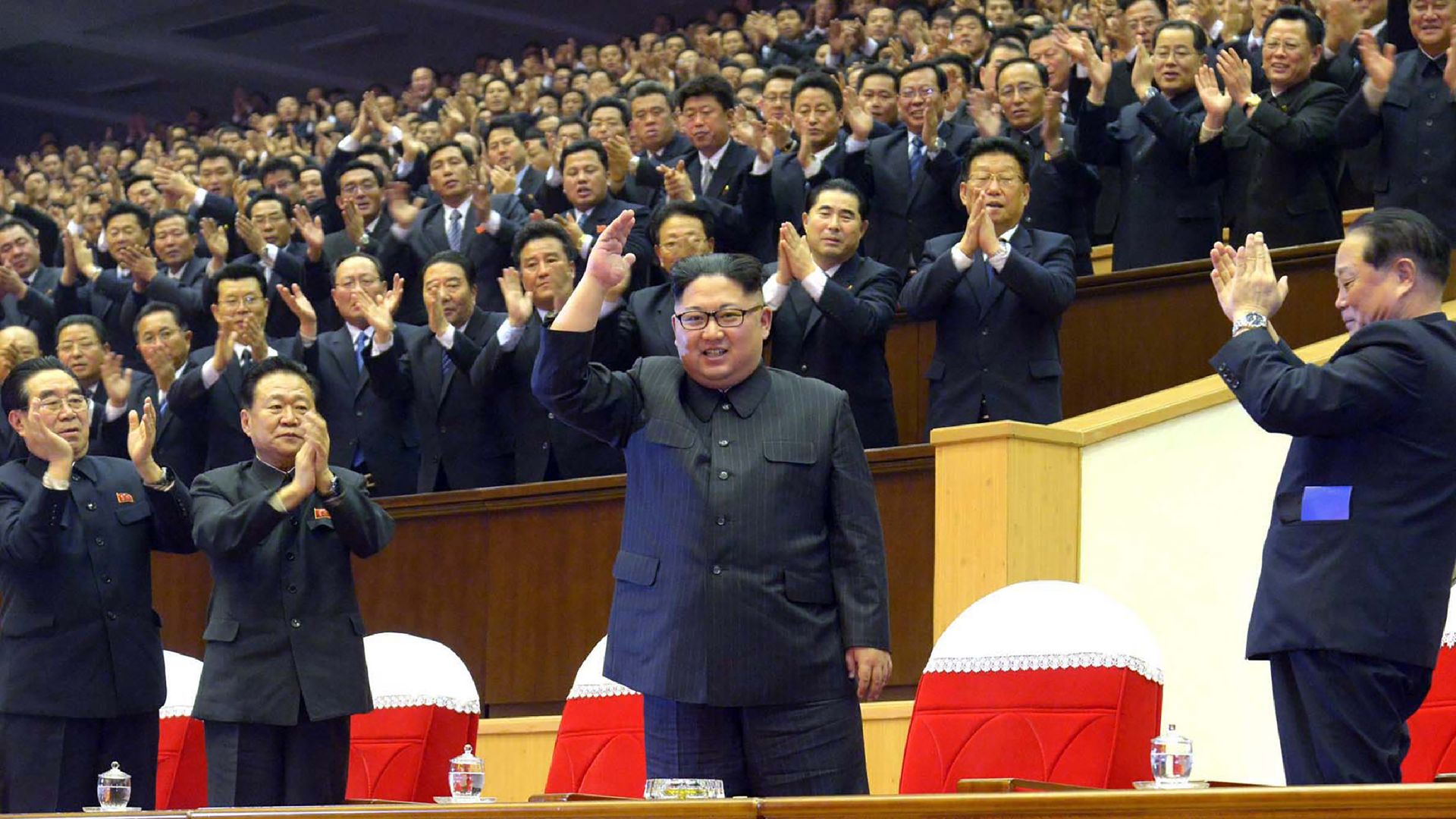
We've been fielding questions lately about a proposal reportedly under discussion within the Trump national security team for a “bloody nose” strategy on North Korea. I haven’t taken this idea as seriously as I should. Let’s fix that now:
What is the bloody nose strategy? It’s a proposal to respond to a future North Korean missile test or other provocative act with a carefully targeted attack on a North Korean military facility.
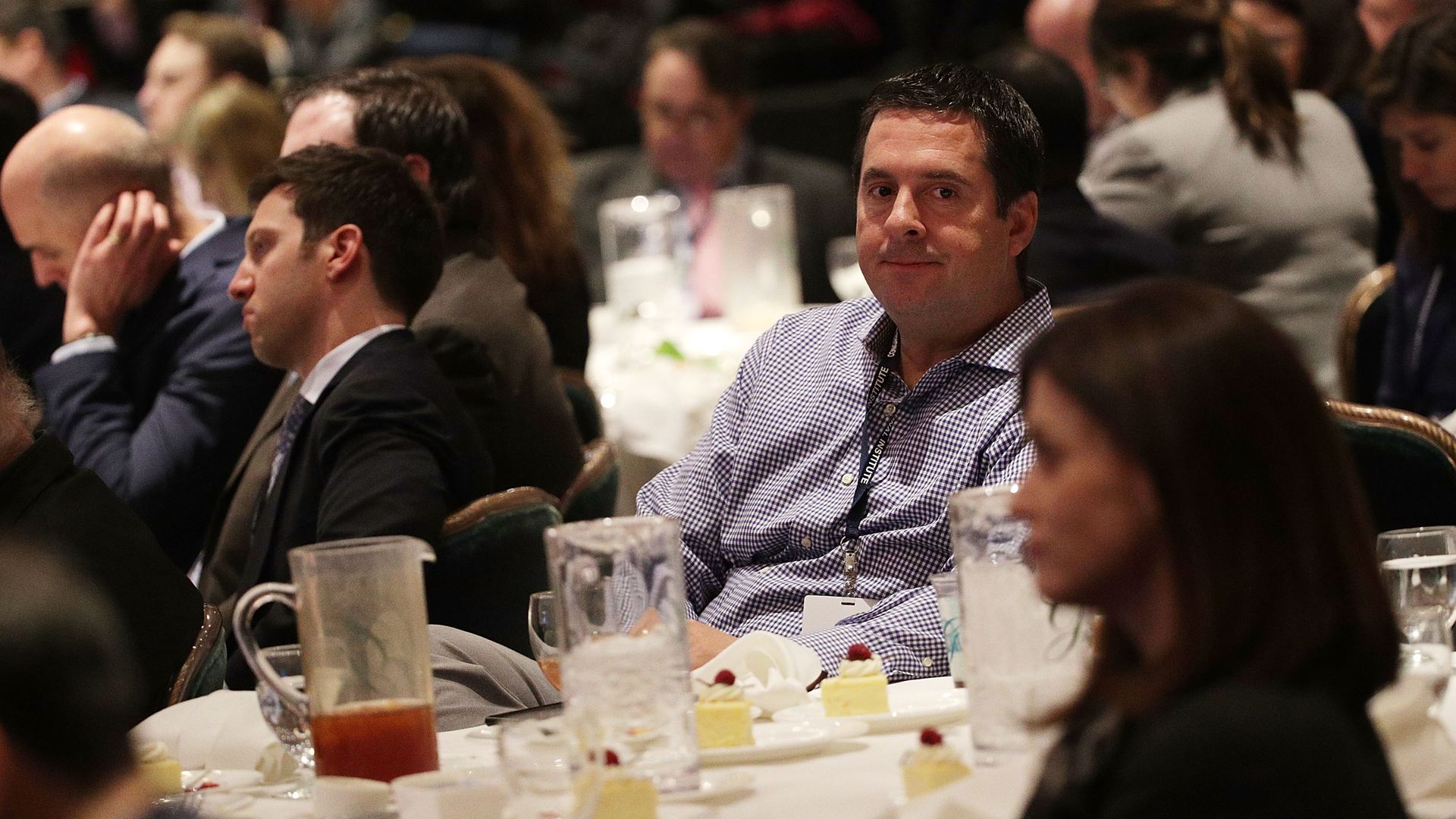
There's one sentence in the last paragraph of the GOP memo that could thwart President Trump's efforts to discredit the Russia probe, the Washington Post points out. “The Papadopoulos information triggered the opening of an FBI counterintelligence investigation in late July 2016 by FBI agent Pete Strzok."
Why it matters: This line undermines the argument that the FBI counterintelligence investigation happened because the Trump dossier set it in motion. Instead, it points to a former Trump campaign associate (who has since been charged in Mueller's probe) as the reason.
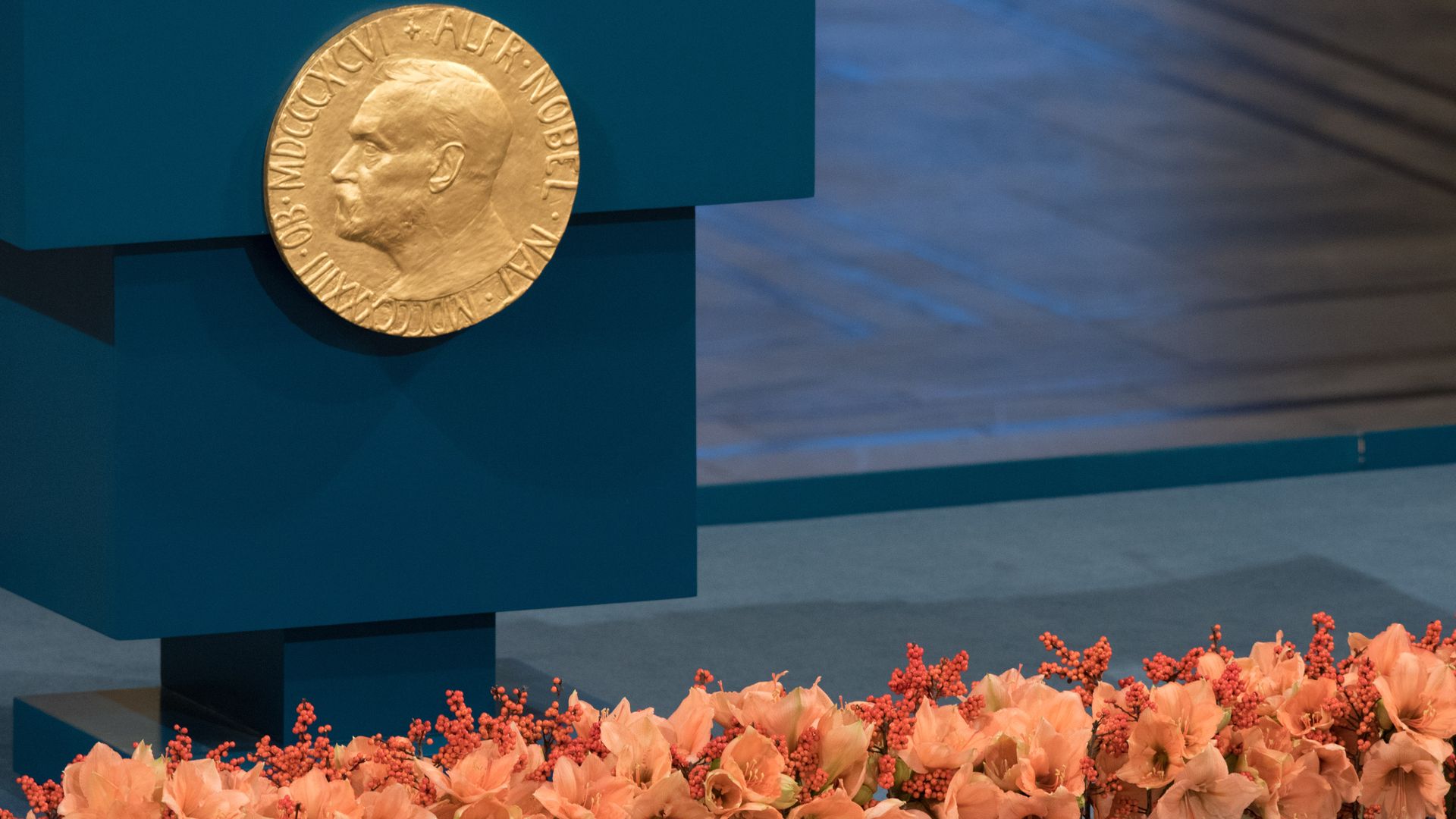
A group of 12 bipartisan lawmakers, led by Sen. Marco Rubio and Rep. Chris Smith, has nominated 3 controversial Hong Kong leaders and "the entire pro-democracy movement in Hong Kong" to the Nobel Peace Prize Committee.
Why it matters: U.S. lawmakers, and especially Rubio, appear to be ramping up the human rights pressure on the PRC. It may go nowhere but it is at least another sign of the growing contentiousness in U.S.-China relations.
The Vatican appears close to a deal with Beijing to settle a long running dispute over who has the power to appoint bishops, Reuters reports.
Why it matters: The Vatican, which believes there are roughly 10 million–15 million Catholics in China, appears to be bending to the will of the atheist Chinese Communist Party. This is a concern to Taiwan, because a Beijing-Vatican official diplomatic rapprochement would require the Vatican to drop official diplomatic relations with Taiwan in favor of the PRC.
"A decade has passed since Larry Diamond, a political scientist at Stanford University, put forward the idea of a global 'democratic recession.' The tenth edition of the Economist Intelligence Unit’s Democracy Index suggests that this unwelcome trend remains firmly in place," The Economist writes.
The United Kingdom's government is debating a deal that would keep the country in the European Union's customs union for goods after Brexit, according to a new report by the FT. While such a plan would greatly reduce the geopolitical intricacies of Brexit, it would effectively prevent the U.K. from negotiating its own trade deals with other countries on goods — though it could do so for services, the majority of its economy, which would be a novel concept for international trade.
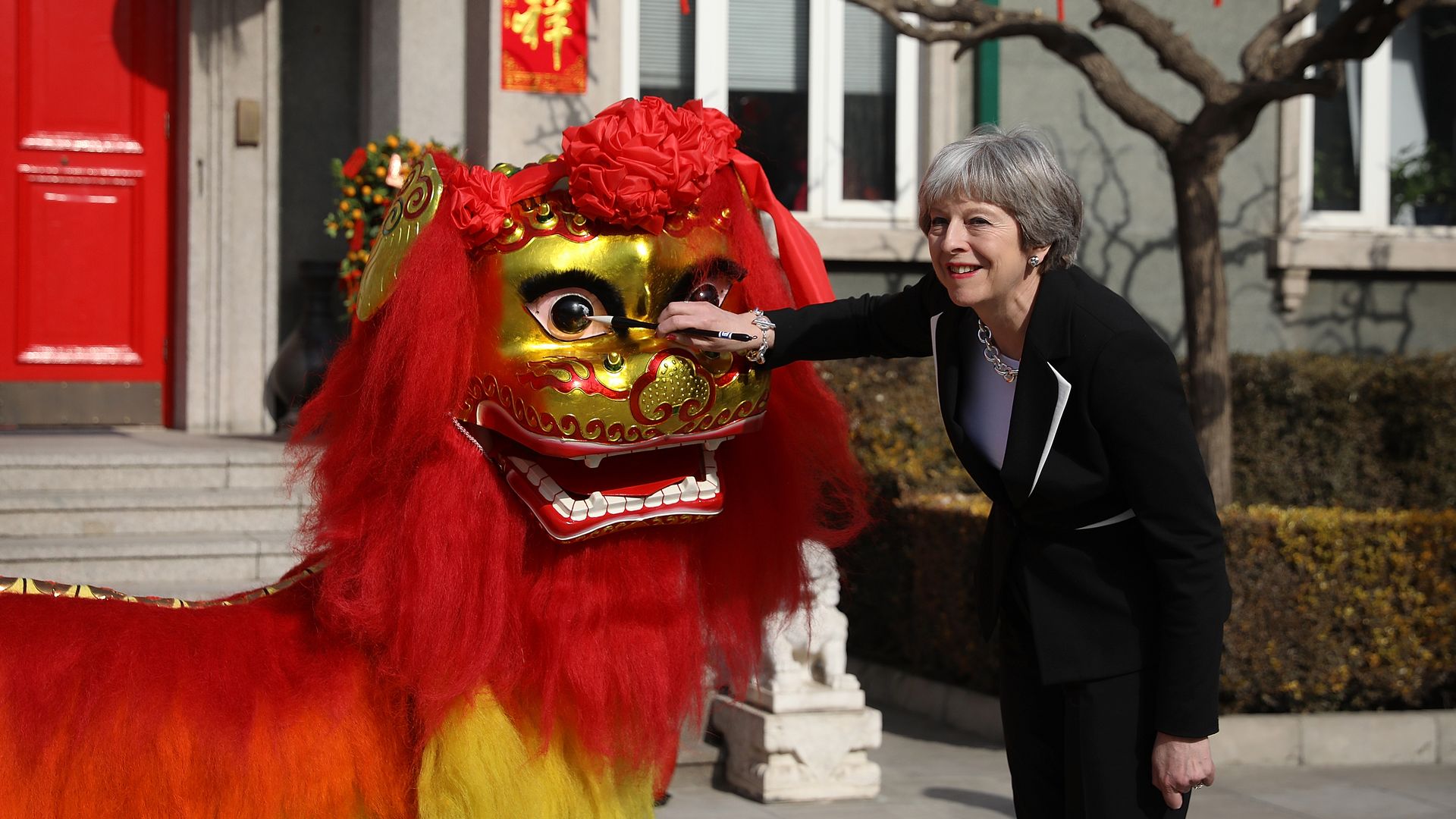
Why it matters: Pro-Brexit advocates in Prime Minister Theresa May's own Conservative Party will hate the news as they desire a clean and total break from the EU, especially on trade. She's already on thin ice with many of her party members — and her position could get even more tenuous.
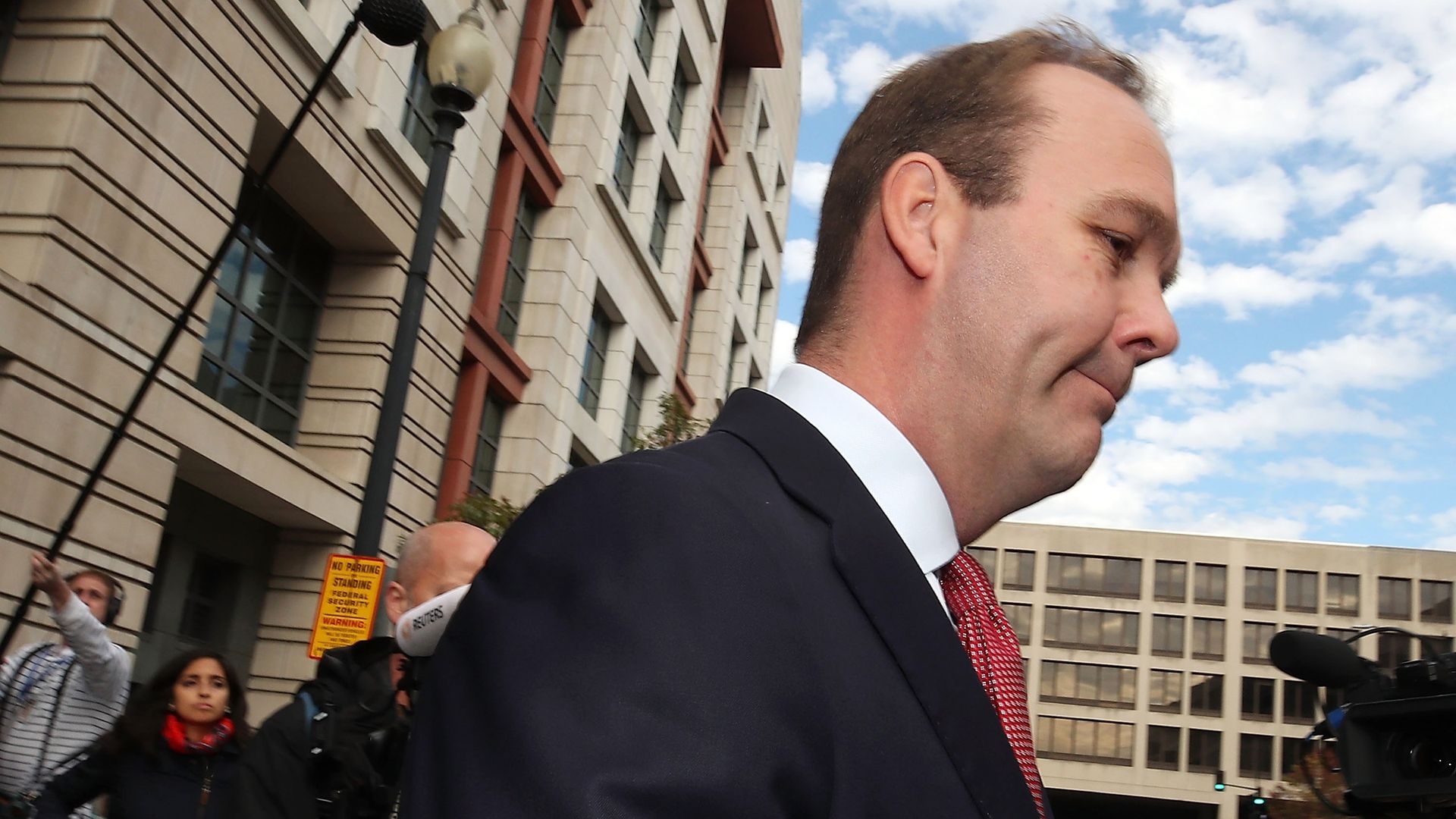
Three lawyers for Rick Gates, the Trump campaign aide and Paul Manafort business partner who was indicted in October by Robert Mueller, are withdrawing as counsel, Politico reports.
Why it matters: As Politico notes, "speculation has been mounting that [Gates] might be seeking to cooperate with the Mueller investigation."
What's next: Gates' criminal trial isn't expected to begin until September.