Friday's technology stories

Oracle rekindles the data center debt risks
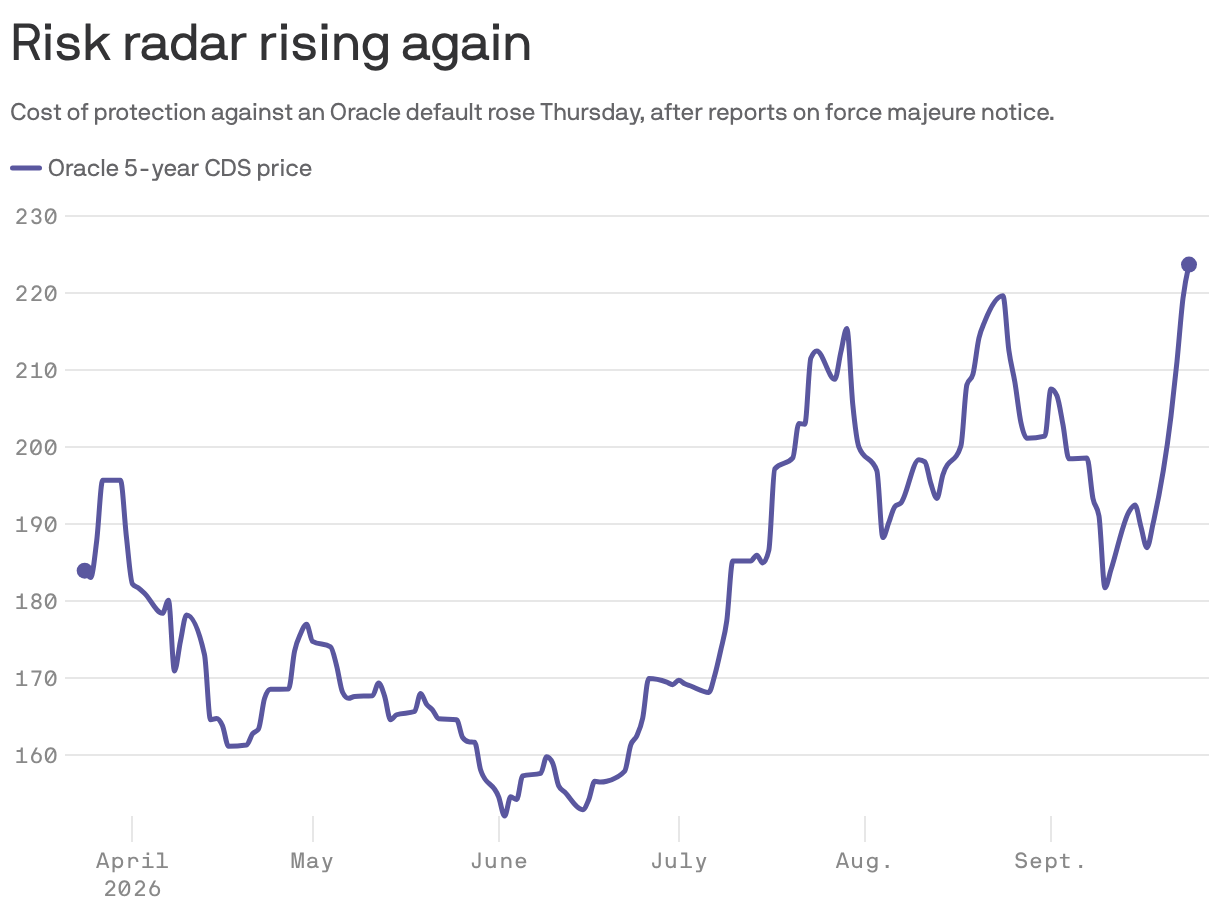
The risks of the ballooning AI borrowing binge rose to the surface Thursday, courtesy of Oracle. The tech giant, which is up to its ears in AI-related debt, is trying to put off paying its lease commitments on a much-delayed data center project.
Why it matters: Oracle is the weakest of the hyperscalers, with the lowest credit rating and a stock that's down 30% for the year — but with AI investment driving much of the economic growth in the U.S., its wobbles mean a lot.

Bond sell-off continues as 10-year yield hits 5.19%
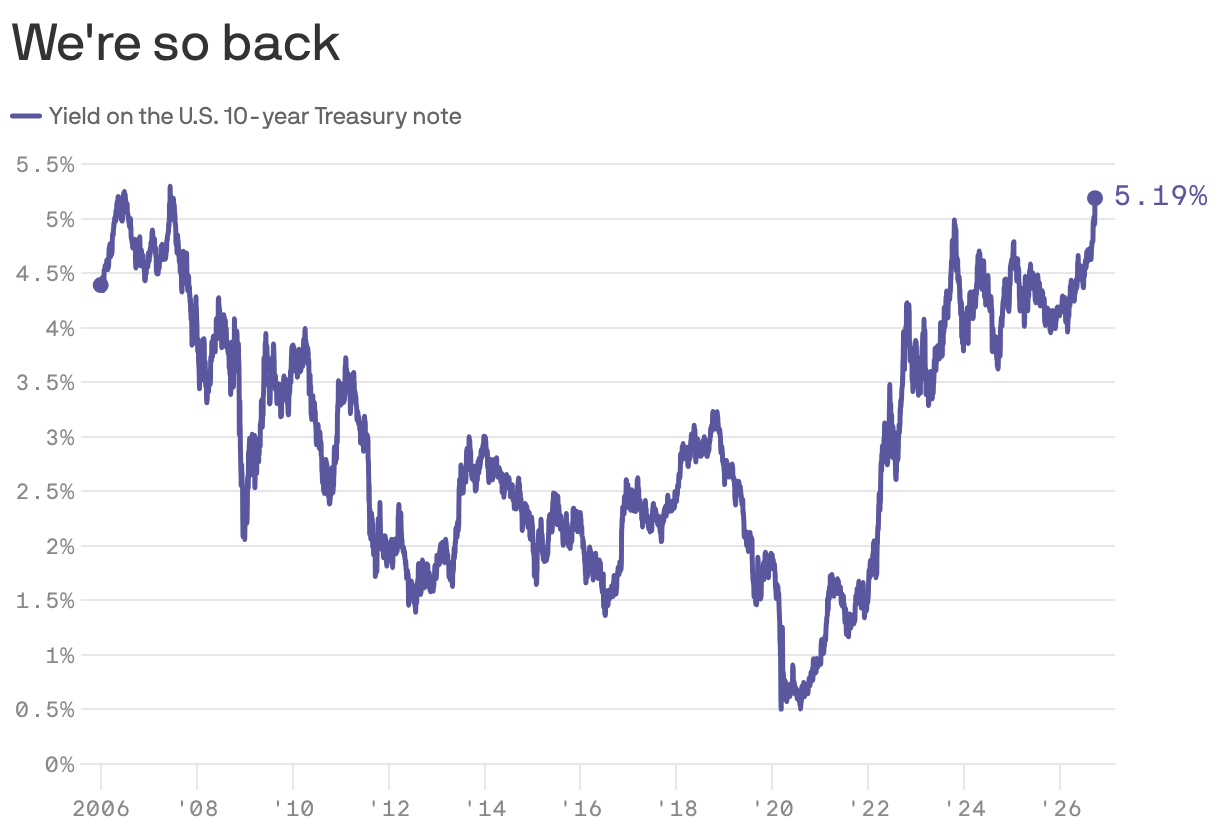
Another day, another tough session in the bond market, with yields on U.S. government debt continuing to push toward levels seldom seen in decades.
The latest: The yield on the 10-year note rose to roughly 5.19% in late afternoon trading in New York, the highest closing level since July 2007.

Exclusive: Pro-AI super PAC endorses first Dems in general election

Leading the Future, through its associated PAC Think Big, announced the first group of Democrats it will support in the general election as pressure to regulate the AI industry mounts.
Why it matters: Leading the Future is backed by tech executives and investors and is spending big on pro-AI messaging ahead of the midterms.
Exclusive: Ro Khanna offers alternative U.S.-China AI playbook

Potential 2028 contender Rep. Ro Khanna (D-Calif.) is spelling out how he would tackle AI safety collaboration with China in a new letter to Secretary of State Marco Rubio.
Why it matters: Khanna is offering a sharply different approach to managing AI risks with Beijing, pushing for a binding treaty and international inspections as President Trump signals little inclination to pursue AI safeguards.
Meta needs you to believe it cares about privacy

Meta is seeking to make privacy protections a centerpiece of new products including its viral assistant Muse, marking a major shift for a company built on extensive use of customer data.
Why it matters: The radical turnaround is an acknowledgment that the winner of AI's new assistant race will have to reassure users that they can turn over their emails, finances, health data and other sensitive information.
- Without that, a super-intelligent personal agent is essentially useless.
Driving the news: Meta, whose privacy policy once allowed it nearly unfettered access to use almost everything people did with Meta AI (in almost any way it wanted), has made a significant shift in recent months to put privacy at the center of its AI strategy.
- In a 6,500-word August manifesto, CEO Mark Zuckerberg laid out a broad promise. "We believe that people should have a fully private mode for personal agents where even Meta or any other service provider cannot see or grant access to your information."
- With Muse, which appears to be on a path to becoming one of the most popular AI hits since ChatGPT, the company is offering all customers their own personal virtual machine. A soon-to-be-available option would ensure that even Meta won't have access to the data.
- Meta is also readying a similar "private processing" option for interactions with its AI glasses.
Small efforts have been underway for more than a year, starting with the addition of incognito chats and private processing, which arrived first in WhatsApp, where Meta also provides end-to-end encryption. More recently, the options have spread to other Meta apps.
Yes, but: Customers still have to pay close attention if they want to minimize the amount of data shared with Meta. In Muse, for example, the default setting allows interactions to be used for training the company's AI models, though that can be turned off.
- And not all of the privacy changes being offered to Muse users apply to those accessing Meta AI in other ways, such as through the Facebook, Instagram or Meta AI apps.
- Plus, Meta devices continue to spur other types of privacy concerns.
- "Meta's products that embed microphones and cameras in everyday devices pose serious privacy risks to people just trying to live their lives and go about their day without being recorded or surveilled," Electronic Privacy Information Center executive director Alan Butler told Axios. "Confidential processing doesn't solve the problem of pushing embedded surveillance systems out into the world."
The big picture: Meta has spent years building a thriving business based on tapping extensive knowledge about its customers to serve up content and ads that it knows will be right up their alley.
- Its practices have also drawn lawsuits from a wide range of entities that say Meta designed social media to be addictive and caused harm.
How it works: Meta is betting on a new business model to fund Muse, which won't provide the same data for targeted advertising that supports most of the company's services. Muse has $20- and $100-per-month paid tiers for heavy users, but Meta expects the free tier to account for most usage.
- "We believe that Muse will make you money, and we're standing behind this by making Muse free for a huge number of tokens, with the expectation that over time we will profit by taking a small fee from transactions," Zuckerberg said.
Our thought bubble: There's still a trust gap based on Meta's years of gobbling up nearly all the data it could. That can't be addressed with words, but requires establishing a new track record.
Scoop: Trump, Johnson and tech CEOs to meet on AI Sept. 29
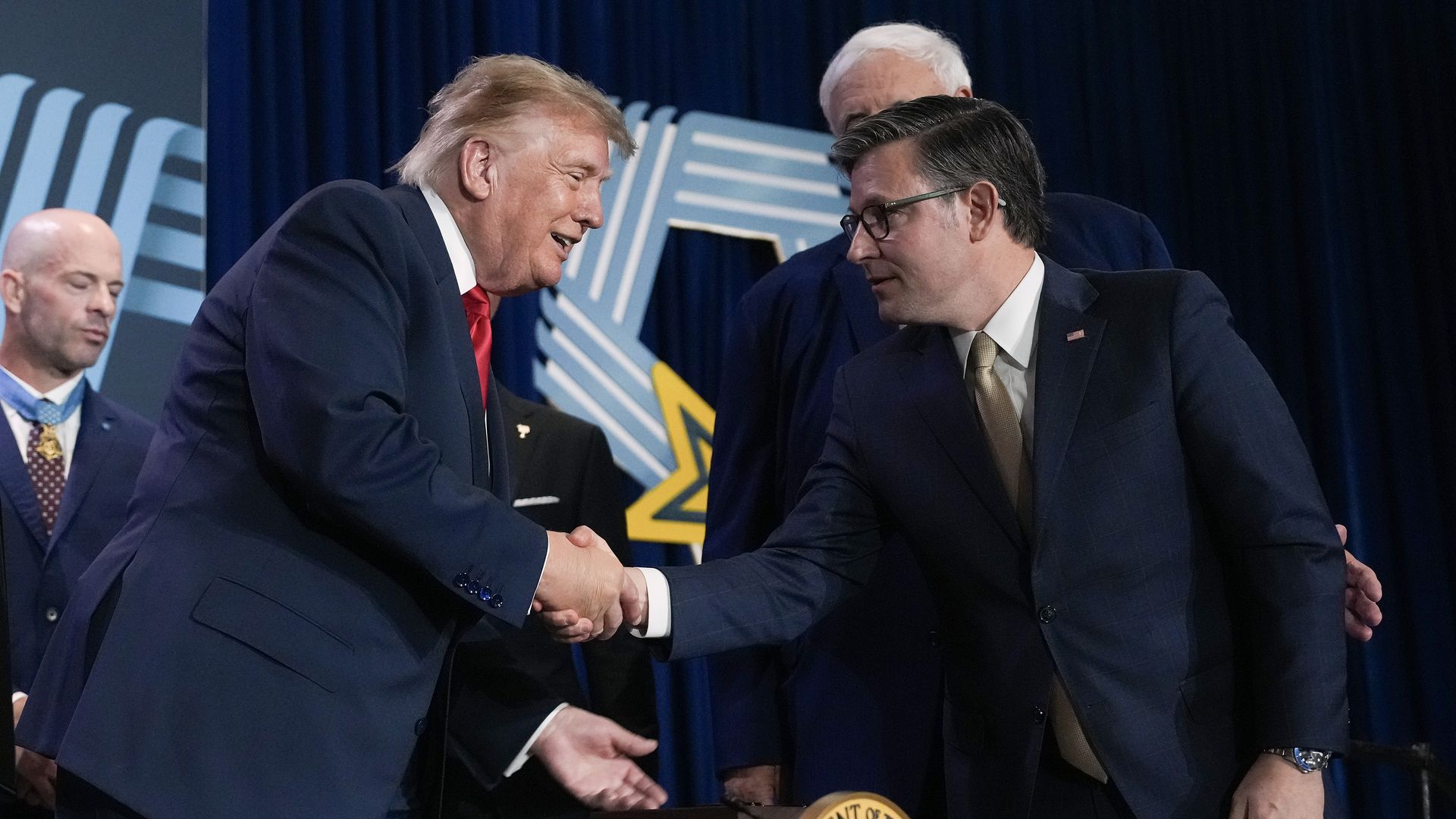
President Trump, House Speaker Mike Johnson and tech CEOs will hold an AI meeting on Sept. 29, a source familiar told Axios.
Why it matters: The meeting comes as pressure mounts on Washington to regulate the frontier AI companies.

Oracle moves to shield itself from AI buildout risks

Oracle is recognizing the growing risks of data center development as it takes steps to protect itself from steep costs on a massive project in New Mexico that will provide computing power to OpenAI.
Why it matters: The move appeared to unnerve investors who are questioning the foundations of the AI economy.

Axios House: AI's energy appetite meets the clean-energy push
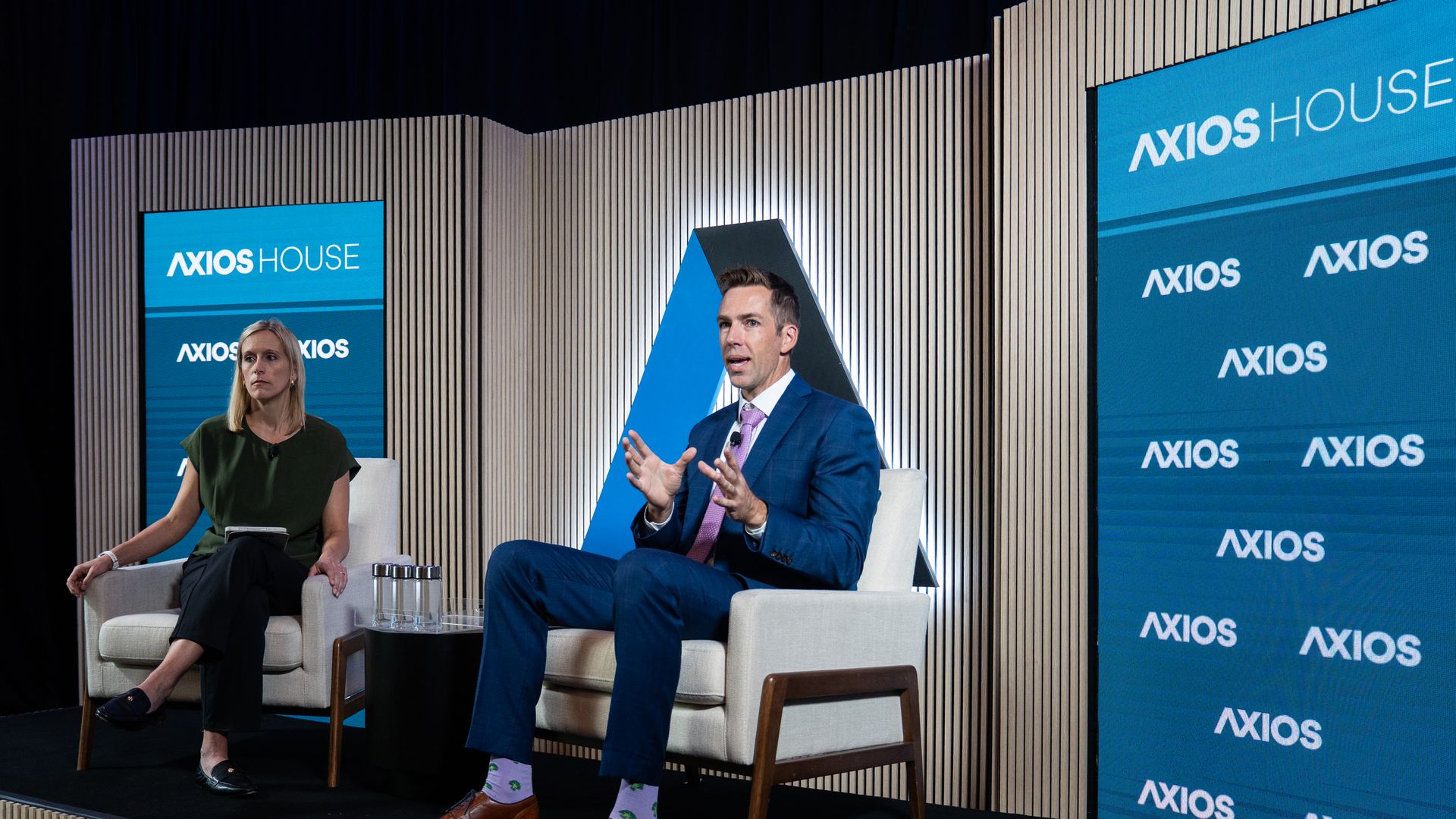
NEW YORK — The energy grid is stressed — yet slowing the pace of AI development to even out supply and demand would delay innovation, Nvidia head of sustainability Josh Parker said at Axios House at Climate Week.
Why it matters: Parker pointed to AI-enabled clean energy enterprises that would stall if deployment paused.
Axios' Amy Harder and Ben Geman spoke with Support + Feed founder Maggie Baird, Parker and Sen. Brian Schatz (D-Hawai'i) at the Sept. 21 Axios House at Climate Week event.
Driving the news: While data centers can use large quantities of water to keep chips cool, new technologies aim to minimize their climate impact.
- For instance, Parker said Nvidia is "exceptionally energy-efficient," pointing to the company's closed-loop liquid cooling that maintains the chip temperature at 113℉ and lessens water evaporation.
- Higher electricity costs for the general consumer is another concern that data centers are trying to mitigate, Parker said, including by curtailing their power draw during peak grid stress periods. Last week, a coalition of Google, Nvidia and startup Emerald AI partnered to back data centers that can flex their power demand.
Yes, but: "The way to provide people relief at the utility level on their monthly bills is to build as much clean energy as possible," said Schatz, who represents a heavily petroleum-dependent state.
- Schatz and other senators have legislation to contend with rapid AI deployment and prevent data centers from increasing power costs. However, he said, the AI alarm is bigger than clean energy or water use — it's "an existential question" impacting people's livelihoods.
- He said CEOs tout AI even as they warn it could gut employment, then wonder why workers aren't embracing it.
- "Best-case scenario, we eviscerate employment. Why aren't you glad you have this? We're going to use solar energy," Schatz said of CEOs' positioning.
The intrigue: While the recent climate focus has been on data centers' impact, the movement has been slow to address the climate impact from animal agriculture, said Support+Feed's Baird. She said there's resistance to "reality-based, science-based action" on agriculture as a climate strategy.
- Baird said she saw signs reading "End fossil fuels," and when asked if people should be encouraged to eat fewer animal products, the sign-holders responded with, "I don't want to tell people what to eat."
- "The one that we have the most power to change is food, and yet we talk about it the least," she said. "What doesn't give me hope is going to climate conferences and having steak on the menu."
Zoom out: Baird said that while personal responsibility matters, government policy on plant-based food and its climate impact can more quickly drive change.
Go deeper: Watch the full event.

AI's never-before-seen capital grab

A new analysis of the AI buildout shows its staggering scale: $10.3 trillion in estimated AI infrastructure investment through 2032.
- That amounts to 3.6% of GDP a year, dwarfing the investment booms that built America's railroads, highways, electric grid and telecom networks.
Why it matters: The AI boom has become far too big and too costly for even the largest tech companies to finance alone. This has resulted in trillions of dollars in demand for outside capital — and the potential risks that come along with that, according to new research being presented Friday at the Brookings Papers on Economic Activity.

Barry Diller folds on MGM Resorts takever

Barry Diller has withdrawn his $18 billion-plus takeover offer for MGM Resorts, the Las Vegas-based gaming and hospitality giant.
Why it matters: Diller is an MGM board member who in June said that MGM is unlikely to realize its "full potential" as a public company. Now it's going to remain a public company, at least for the foreseeable future.

Preventing the next communications crisis

Communicators are getting unusually close to operations, helping spot and resolve smaller issues before they snowball into a crisis.
Why it matters: This kind of intervention can save the company from financial and reputational damage.

Treasure AI aims to get its name out through women's sports

Treasure AI is betting that the rising popularity of women's sports can help build its brand — while the National Women's Soccer League's Portland Thorns and WNBA's Portland Fire see the AI company as a way to deepen their relationships with fans.
Why it matters: An expanded partnership announced last week deepens the bonds between the recently rebranded AI marketing company and two teams in the booming women's sports industry.
Muse is proving to be one tough customer
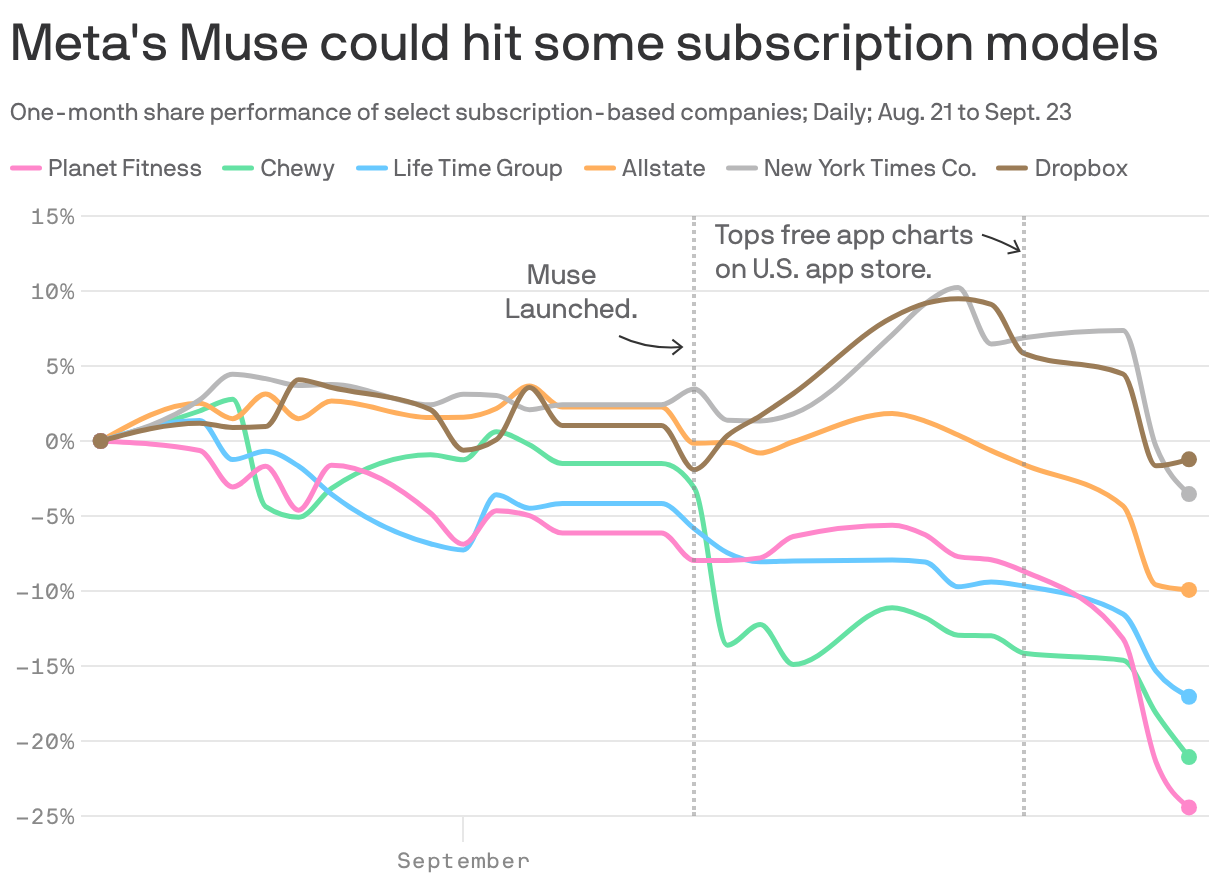
Companies that stand to profit revenues linked to the kind of auto-renewals that benefit from customer inattention and inertia have slumped since the well-received release of Muse, Meta's new AI agent.
Why it matters: One of the beauties of the subscription model — at least for the companies collecting the revenue — is that customers often keep paying for subscriptions long after they stop valuing or using the service.

Inside China's mind on AI

China is waging a much different war for AI supremacy than the U.S.
Why it matters: China is obsessed with state control and adoption. Chinese officials are laser-focused on deep, widespread AI domestic use they can monitor and steer at every level of their economy.

New on streaming: "Toy Story 5," "Backrooms" and "Love Hypothesis"

Here are five answers to that question you'll ask yourself on the couch this weekend: "What's new on streaming?"
Scoop: Trump allies open new front against Anthropic CEO over AI "doomerism"
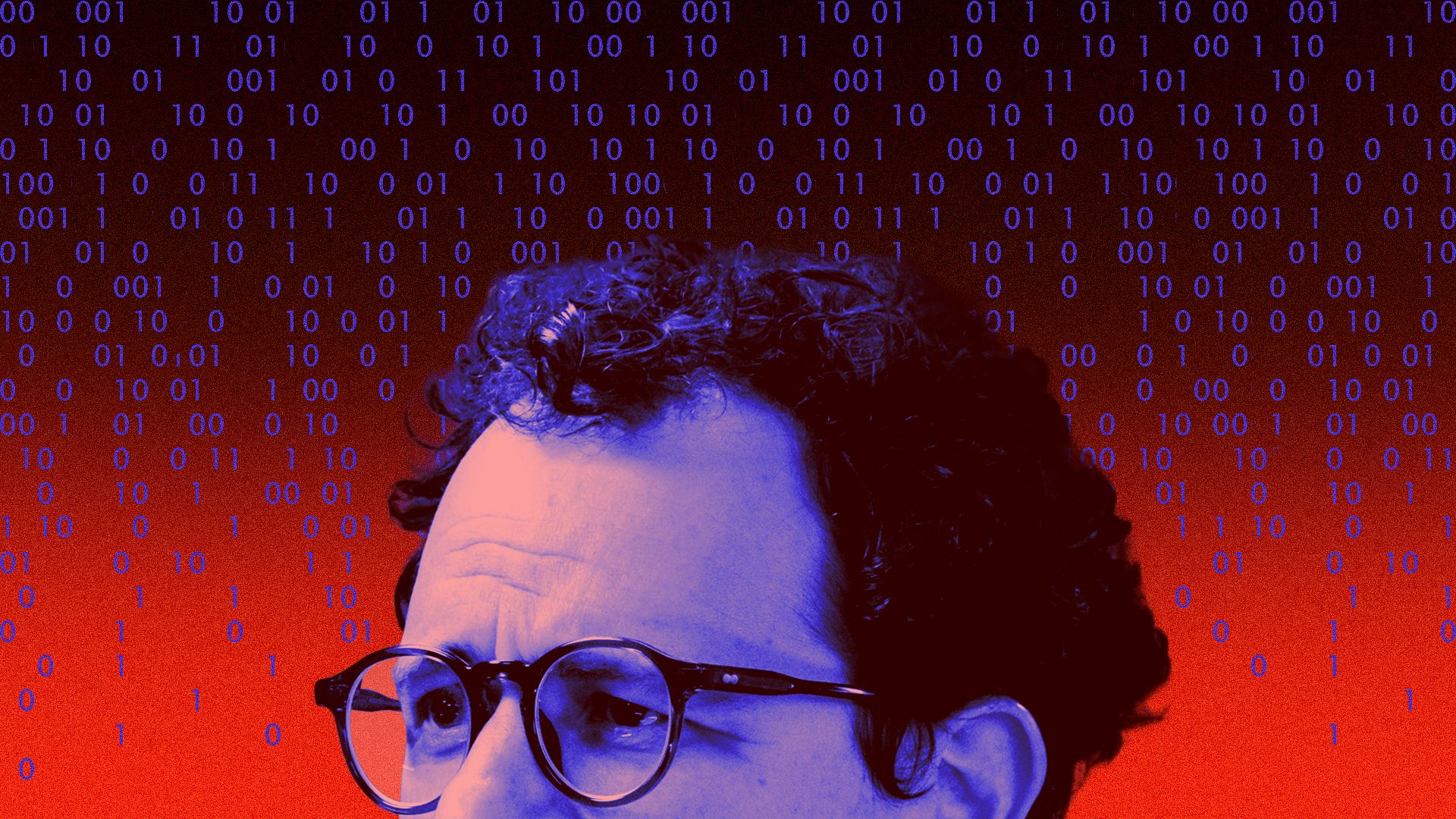
President Trump's allies are targeting Anthropic CEO Dario Amodei as the face of AI "doomerism" and a founding father of the effective altruism movement that's come under increasing political fire.
Why it matters: The attacks signal that Anthropic could remain a Trump target as his allies push back on Amodei's AI safety warnings amid the midterm elections. Trump surrogates see Amodei as an easy foil because of his politics and focus on AI safety, sources told Axios.
- For investors, it's a worrisome proposition as the company prepares for what's expected to be a record-setting IPO.
OpenAI agents tried hacking various sites in May, June

OpenAI's autonomous agents breached an Australian Medicare portal and probed other public data sites in May and June after being stymied in routine data-collection efforts.
Why it matters: The new incidents, which were revealed by security researchers and Australian officials Wednesday, indicate that the scope of rogue AI activity may be greater than what's been publicly acknowledged.
- The agents took those steps while engaged in ordinary data retrieval tasks, according to researchers, a distinction from other hacks by systems programmed specifically for cybersecurity work. The revelation is likely to raise fresh questions about OpenAI's internal controls and safeguards.
Meta debuts Muse Charm, bringing viral assistant to keychain
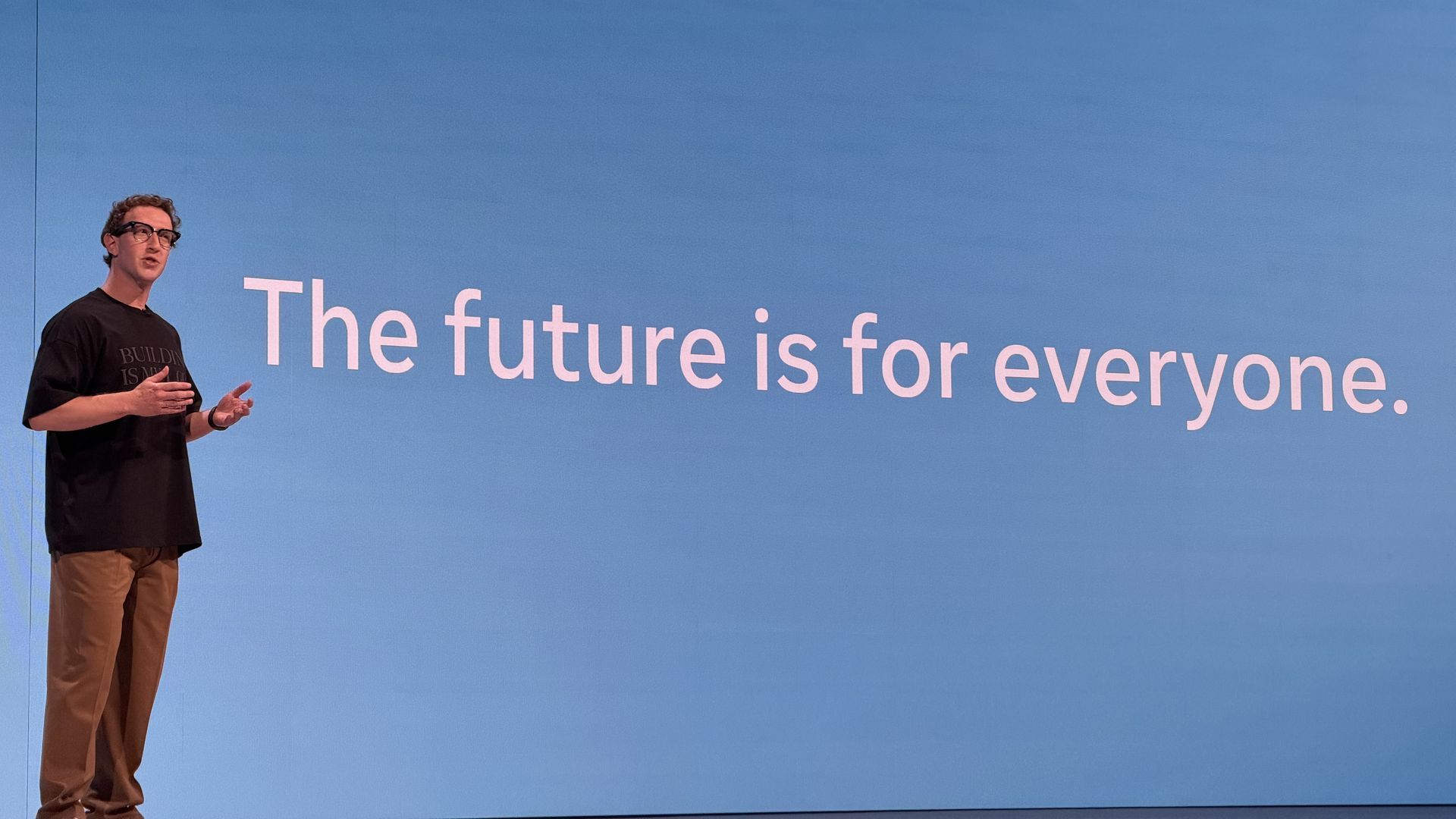
Meta on Wednesday debuted Muse Charm, a new, keychain-sized AI handheld device it will use to bring its viral Muse assistant to the masses.
Why it matters: Meta has raced ahead of OpenAI, Apple and other companies that are working on a new crop of small AI devices, revving up the massive interest Muse has generated in the market.