Creator commerce infrastructure gets AI upgrade

Add Axios as your preferred source to
see more of our stories on Google.
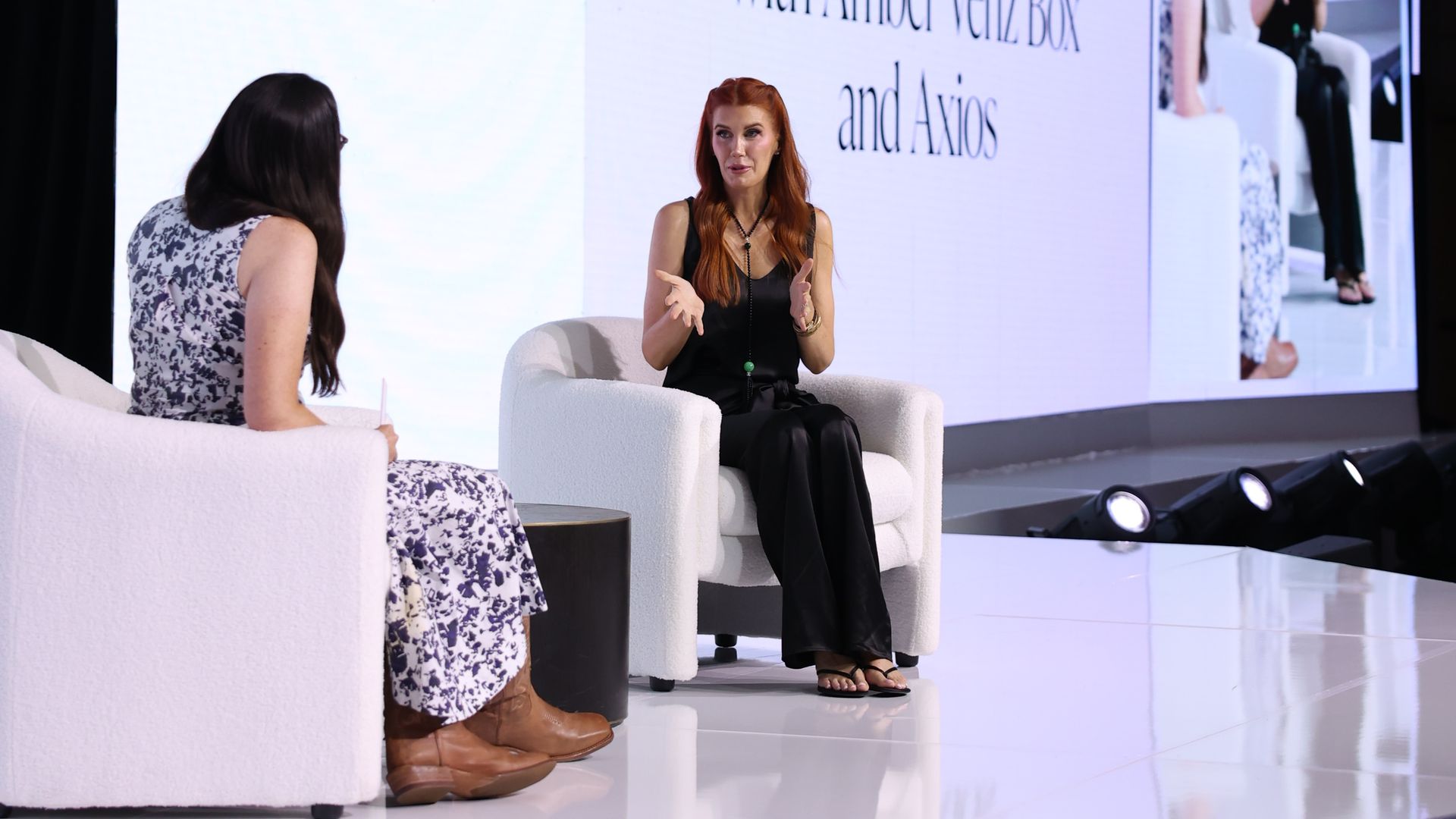
Axios' Kerry Flynn and LTK's Amber Venz Box. Photo: Courtesy of LTK
AI is improving affiliate commerce infrastructure, automating how shoppers find products, how brands discover creators and how creators turn content into shoppable posts.
Why it matters: U.S. affiliate marketing spend is expected to grow 11.3% to $13.81 billion this year, per eMarketer, raising the stakes for companies that can make that money easier to deploy.
- "I want more dollars going to creators, not more dollars going to different dashboards," LTK co-founder and president Amber Venz Box told Axios onstage last month. "The latency that creates in our industry ... just slows the growth."
State of play: LTK and YouTube have launched new AI tools for shoppers, brands and creators.
- LTK announced Thursday a new search tab for conversational shopping with AI-generated search overviews. Product click-outs from search to retailer websites have increased 84% since it began rolling out the experience earlier this month, LTK said.
- LTK last month introduced a new agentic experience where marketers can share a business objective and the platform recommends creators, builds campaigns and suggests optimizations. For creators, LTK released Auto-draft, which works with Siri to help turn photos into draft posts.
- YouTube demoed shopping in Ask YouTube, its conversational search product, at its event Wednesday. Viewers can ask about products shown in creator videos, compare recommendations and click to buy. If a viewer purchases through a creator's affiliate tag, the creator earns a commission.
- YouTube also announced it will automatically localize tagged products for international viewers, allowing creators to earn commissions when shoppers abroad buy their recommendations.
How it works: New tools are helping affiliate marketing become "more precise," creator Lilliana Vazquez tells Axios. Marketers can invest more in proven performers and make more calculated bets on emerging creators.
- Brands have moved beyond relying primarily on "vanity metrics" like follower counts and are looking more at conversion, expertise and resonance with a particular audience, Vazquez adds.
- That data can do some of the pitching for creators. Carrie Bankston says brands can view her LTK sales performance and approach her, rather than her needing to pitch them.
- Electric Picks founder and CEO MJ Carlson says her team can tell LTK's platform the audience it's trying to reach, such as moms or Gen Z, and discover relevant creators. That frees up her team from manually finding talent to then focusing on relationships for the jewelry brand, she adds.
The big picture: The growing value of creator commerce has intensified competition among companies providing the infrastructure connecting creators, brands and shoppers.
- LTK is leaning on its 15-year data advantage. The company's new AI tools draw on more than 100 billion commerce signals, including creator partnerships, recommendations, purchases and campaign outcomes.
- ShopMy, founded in 2020, has emerged as a formidable rival. The startup raised $70 million last year at a $1.5 billion valuation and said it works with more than 300,000 creators and 2,000 brands.
- Phia, launched in 2025, quickly grew its shopping app and browser extension. But it became embroiled in scandal this summer, after Bloomberg reported it was taking credit for sales it didn't drive.
- YouTube is building out its own infrastructure, recently adding Amazon to its shopping affiliate program.
The bottom line: "LTK is not trying to be the star of the show," Venz Box says. "I actually just want to be the infrastructure that's powering you being the star of your show."
