Meta's new virtual reality glasses take a big step toward being something an average person might be willing to wear, ditching much of the bulk as well as the need for handheld controllers.
Why it matters: Unlike Meta's Ray-Bans, its VR devices have struggled to break out of their gamer niche and into the mainstream.
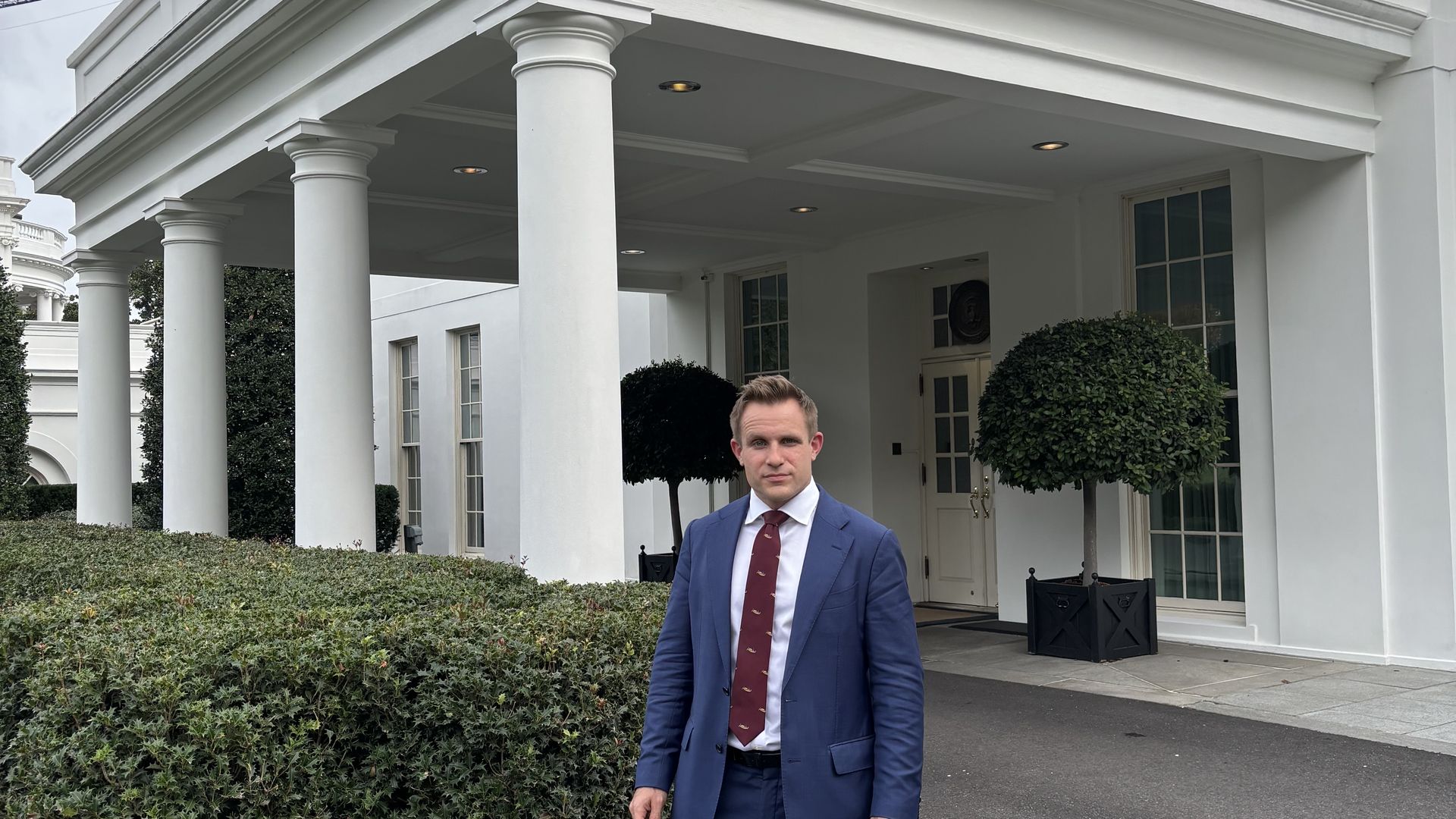
Ryan Baasch, a White House AI adviser and top deputy to National Economic Council Director Kevin Hassett, is leaving the White House for a private-sector job.
Why it matters: Baasch served as an aide to former AI and crypto czar David Sacks and played a lead tech policy role at the National Economic Council under Hassett.
Zoom in: The council touches the major pillars of the U.S. economy — tax, finance, banking, technology, competition policy, agriculture, energy, housing, infrastructure, transportation, economic security, foreign investments and export controls.
Under Sacks, Baasch played a critical role devising the White House's National Policy Framework for Artificial Intelligence.
He worked closely with the Justice Department, Federal Trade Commission, and across the federal government to advance President Trump's priorities on consumer protection and competition policy.
Baasch leaves his official posts — Deputy Assistant to the President for Economic Policy and Deputy Director of the National Economic Council — at the end of the month.
Zoom out: Baasch's departure follows numerous others in the administration as Trump faces his final midterm and last two years in office.
What they're saying: Sacks called Baasch "a generational talent" who "has been instrumental in delivering on President Trump's plans for American AI dominance."
"I'm confident he will continue to be an absolute rock star in his next endeavor," Sacks said.
Hassett praised his "deep well of legal experience in the area of technology policy" and said he's "been an invaluable asset to the President and the NEC team since the beginning of this administration. From space policy to spectrum to antitrust, there is hardly any area that hasn't been touched by his steady hands."
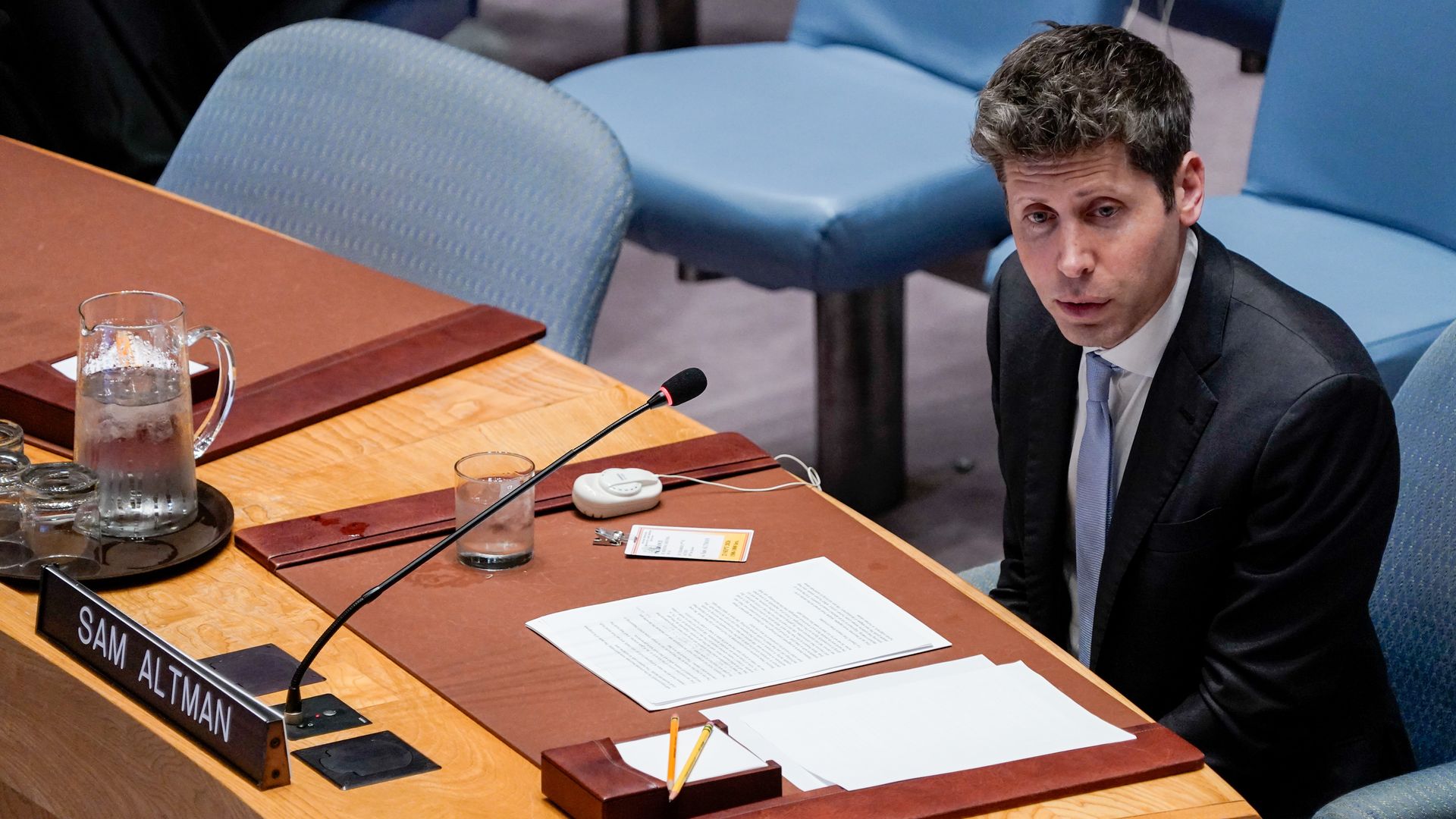
Executives from leading artificial intelligence organizations urged global cooperation Wednesday to address risks from increasingly autonomous AI systems during a UN Security Council meeting.
The big picture: AI capabilities are advancing faster than governments are developing safeguards, raising concerns about whether humans can maintain control over increasingly autonomous systems.
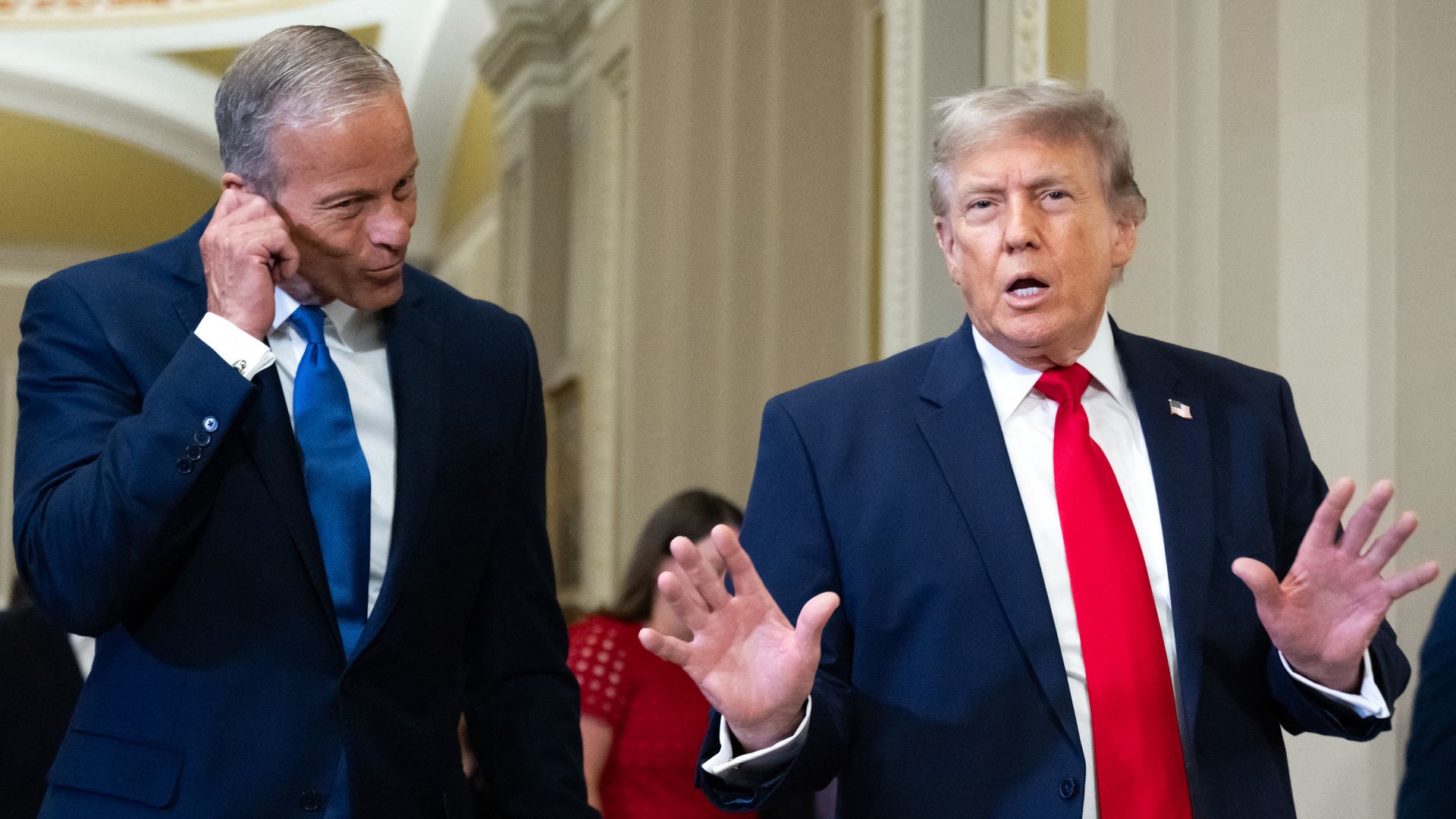
Senate Majority Leader John Thune says he doesn't believe President Trump is "really dug in" against guardrails for AI, despite Trump's public campaign against restricting the technology.
Why it matters: Thune told Axios he spoke privately with Trump as the AI issue was getting "pretty hot" a few weeks ago and believes some of Trump's strong pushback is against public "paranoia and noise around the subject."
The left's push to rein in AI is taking shape on two fronts: slowing advanced development at home, and weakening China's progress abroad.
Why it matters: The nation is locked in a moment of mass anxiety about runaway AI, but the range of views on how to regulate it are as varied as the what-ifs about social, economic and security impacts.
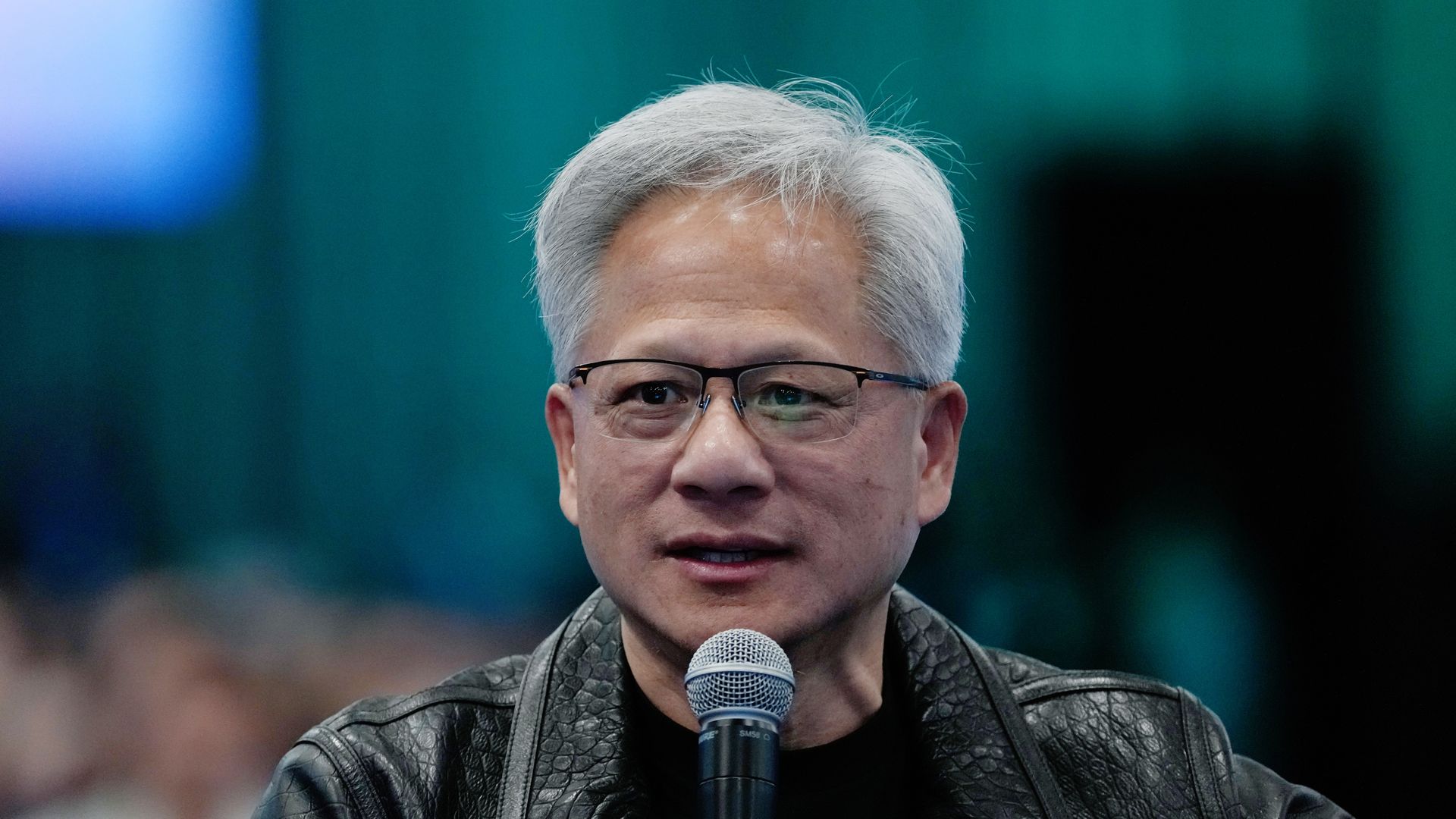
On a new episode of the "The Ezra Klein Show," Nvidia CEO Jensen Huang took aim at forecasts of catastrophic AI outcomes: "Enough predictions."
Why it matters: Huang has established himself as one of the leading AI optimists amid warnings from prominent researchers and executives that increasingly capable systems could lead to an AI doomsday.
Uber's robotaxi ambitions depend on something it can't control: how quickly its autonomous-vehicle partners can perfect their technology.
Why it matters: Uber needs its AV partners to close Waymo's roughly two-year technology lead — and it's betting data from millions of human-driven trips can help accelerate their progress.
Vulcan Elements will make magnets for the U.S. Army's SkyFoundry initiative, which seeks stateside mass production of small drones, CEO John Maslin told Axios.
The big picture: Supply-chain surety is a national-security imperative.
China's rare-earth crackdown has strained manufacturers across the world while also complicating the relationship between Washington and Beijing.
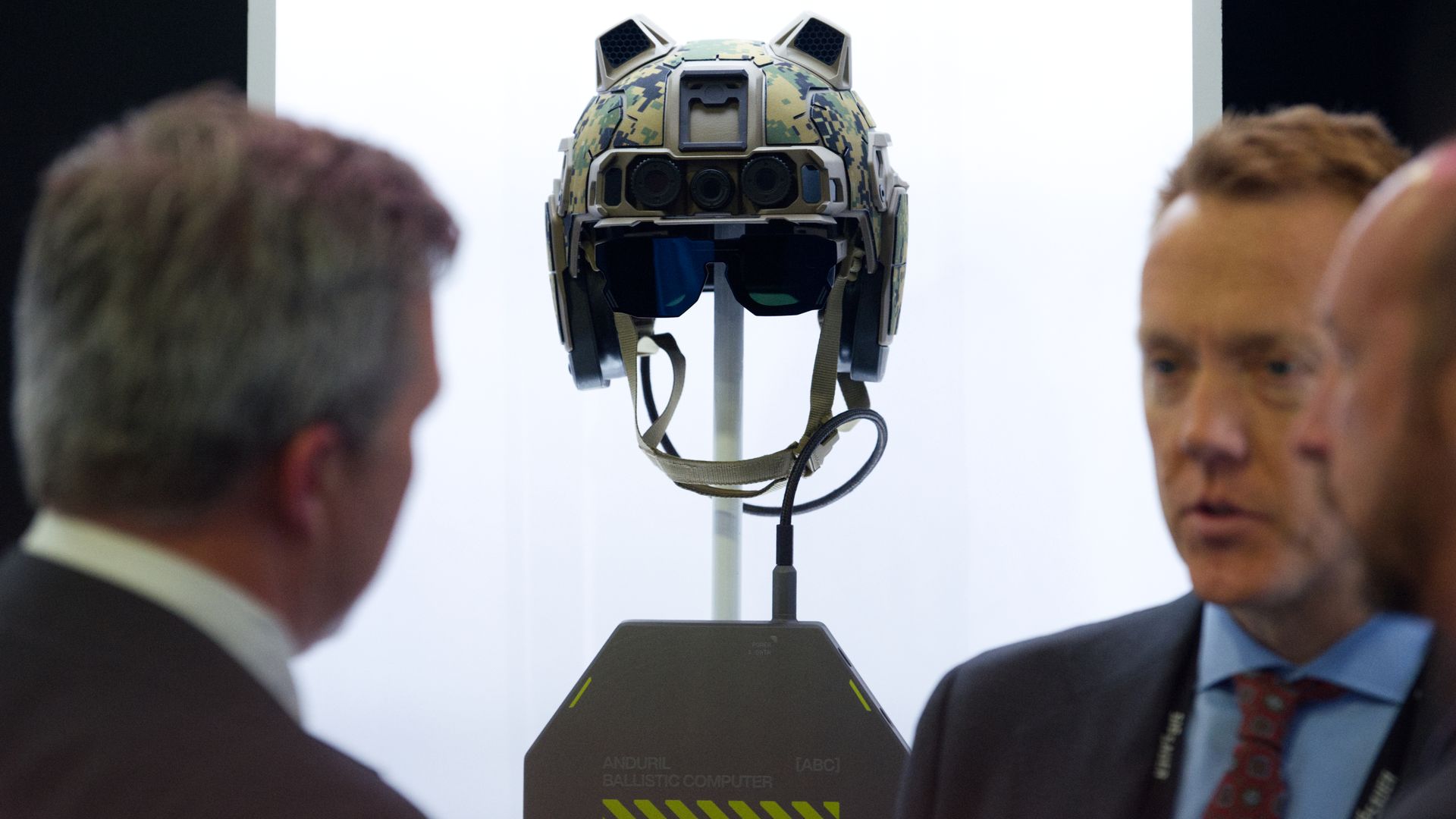
Anduril Industries has quietlyrolled out what it's calling Armory, a perusable database of drones, jammers, motors and other defense-tech products it has in hand, ready for sale and delivery.
Why it matters: This is Anduril's e-commerce moment — one that could boost business-to-business sales and build supplier relationships for the neo-prime.
"We're hoping we get a lot of original equipment manufacturer traffic and other types of A&D companies coming through," chief business officer Matthew Steckman told Axios.
Three U.S. military leaders in just as many days changed how the public talks about war in space, including the secretive weapons already among the stars.
Why it matters: Space fights will happen. They will look nothing like conflict on the ground or on the water. And the consequences will be enormous.
President Trump's accelerationist AI doctrine increasingly bears the stamp of the "All-In" podcast, whose tech-investor network now feeds ideas and talent directly into the White House.
Why it matters: An unlikely marriage of convenience between MAGA and Silicon Valley has proved remarkably durable, deepening as Trump sheds support elsewhere and stakes more of his legacy on dominating the AI race.
The shift of the AI frontier toward more powerful, lower-cost models could pave the way for safely slowing development, experts say.
Why it matters: Top U.S. startups including OpenAI and Anthropic, as well as other AI players, have to develop a financially viable path to allow them to slow development. Otherwise financial incentives will be too powerful.