A notorious cybercrime group is claiming they stole more than 2 terabytes of data that includes detailed personal information about thousands of FBI employees and job applicants.
Why it matters: Cybercriminals and state-sponsored attackers have penetrated U.S. IT systems for years, but stealing detailed and sensitive information about FBI employees is brazen, cyber experts told Axios.
Cybercriminals are known to trade leaked information on the dark web, a prospect that would leave the data up for grabs from the highest bidder.
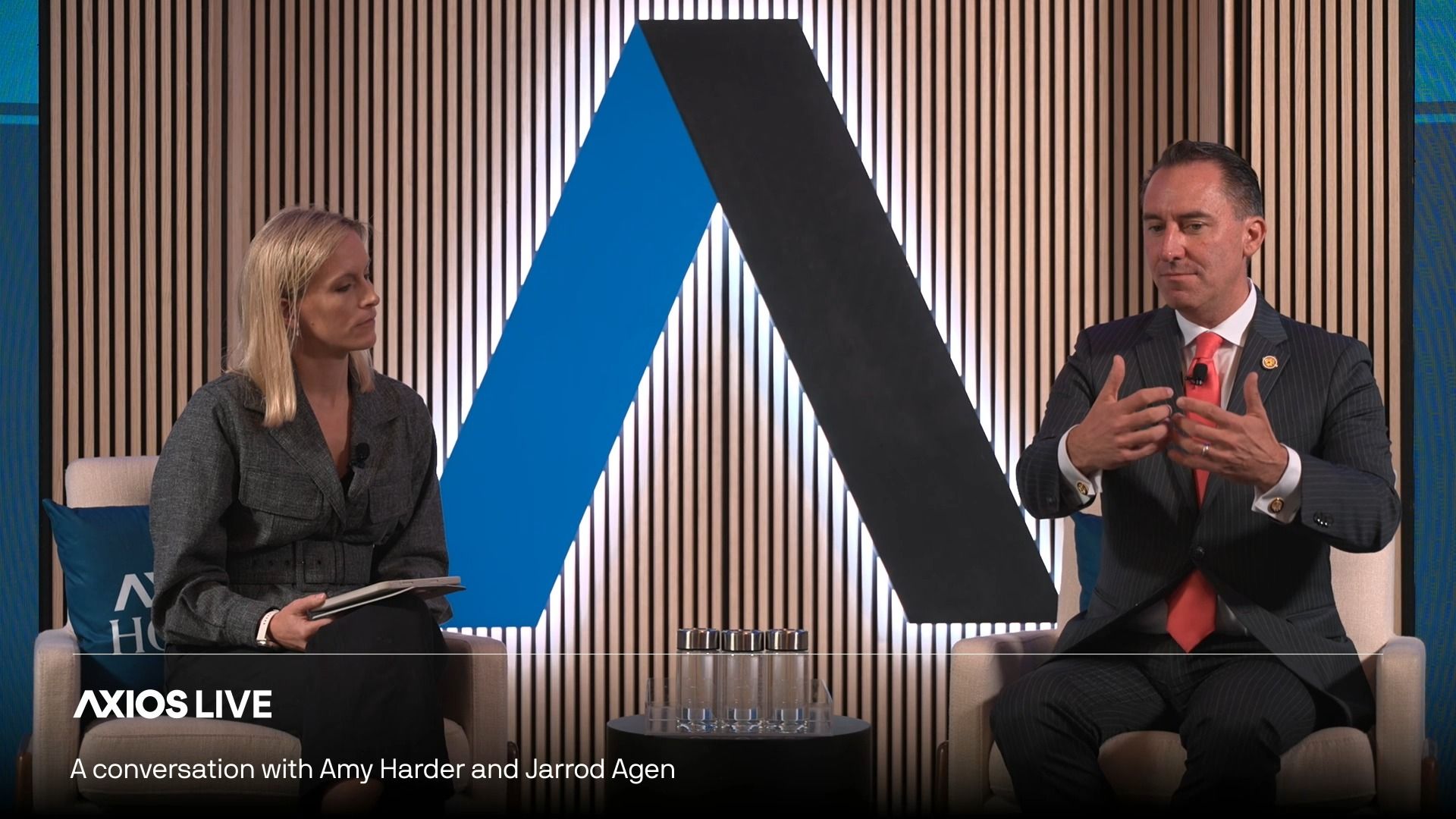
A push to protect Americans from footing the bill for the AI buildout is one of the "bottom lines" in negotiations on permitting for energy projects, the White House's Jarrod Agen said at an Axios House event Tuesday.
The big picture: Senate negotiators are nearing a bipartisan permitting deal, Sen. Brian Schatz (D-Hawai'i) told Axios Monday, bringing lawmakers closer to a key legislative priority for business groups looking to cut red tape.
AI companies have competed on having the best and often most dangerous models for years. Now, they're pivoting to a new focus: cost.
Why it matters: The biggest risk to the AI boom is demand, and recent innovations to make models cheaper while maintaining powerful levels of intelligence have offered a bullish signal.
As the prices of top models from OpenAI, Anthropic and others come down, usage is increasing dramatically, a trend that points to the kind of demand that will be necessary to justify trillions of dollars in spending.
U.S. voters are tuned in to the idea that "their bills are too high," despite President Trump's promises to lower costs, Rep. Mike Levin (D-Calif.) said Tuesday while speaking at Axios House at Climate Week & UN General Assembly.
Why it matters: High gas prices stemming from the Iran War and lingering inflation are liabilities for Republicans heading into the midterms, where the party is trying to hold on to its congressional majorities.
Rep. Mike Levin (D-Calif.) said that, unlike many aging members of Congress, he uses AI "all the time," speaking at Axios House at Climate Week & UN General Assembly.
Why it matters: Levin said Congress must pass "guardrails" around AI but declined to support a full block on a data center development.
Microsoft has taken down digital infrastructure tied to a powerful cybercrime platform that relied on AI tools throughout its operations, the company said this morning.
Why it matters: While the AI industry panics about extinction risks that are years away, financially motivated hackers are already using existing AI tools to turn stolen corporate network access into opportunities for fraud.
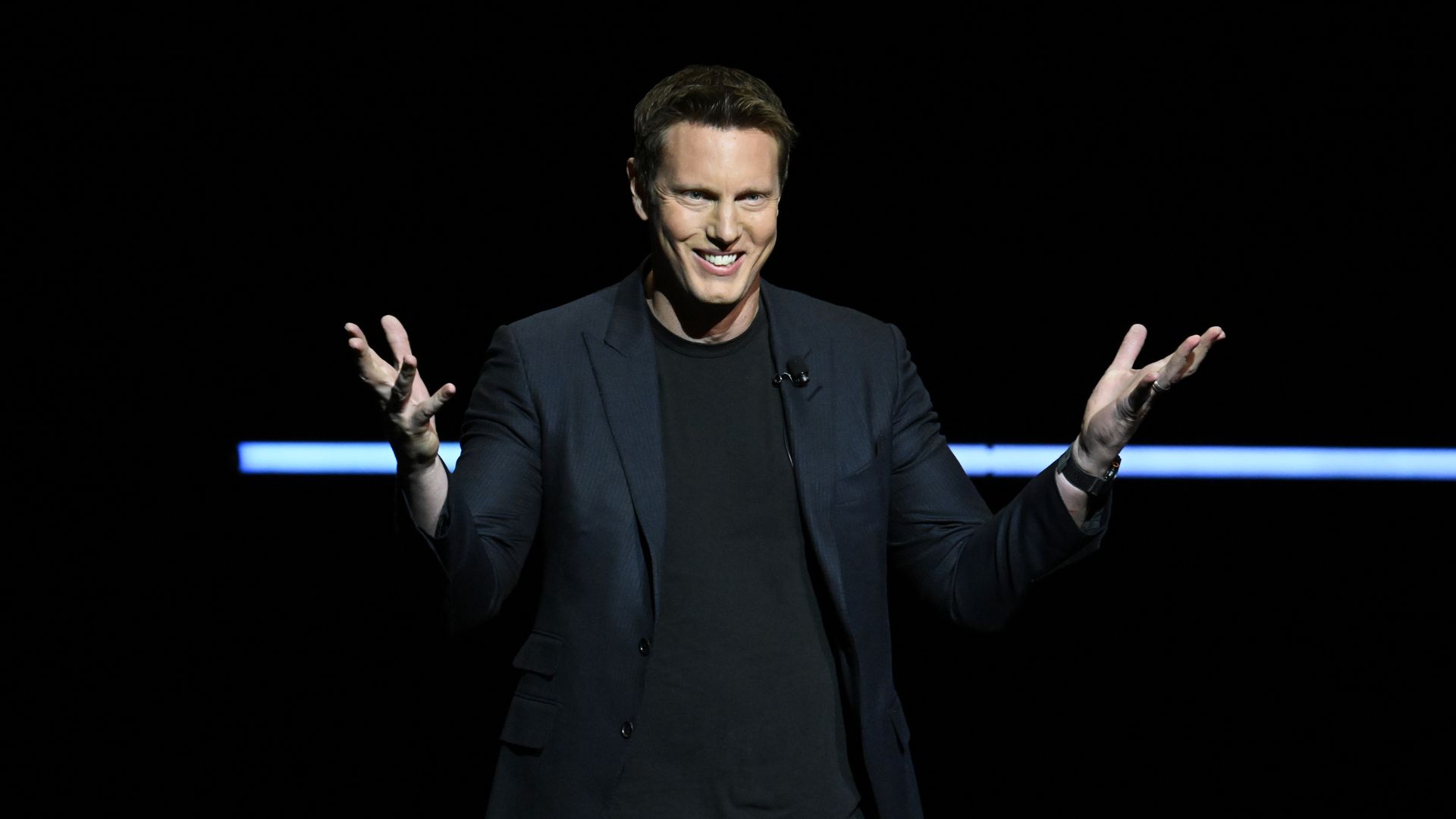
The terms and timing of Paramount Skydance's settlement with state attorneys general were the byproduct of clever maneuvering by CEO David Ellison, who identified a unique point of leverage over the plaintiffs' ringleader California Attorney General Rob Bonta.
Why it matters: Bonta lost political support for his lawsuit after it became clear Paramount was serious about its threat to leave California and take thousands of jobs with it. That put pressure on him to settle quickly ahead of Paramount's ticking fee deadline of Sept. 30.
Palo Alto Networks wants to fight AI with AI by setting a mix of frontier models and open-weight models loose on customers' networks around the clock to find vulnerabilities before hackers do.
Why it matters: It's the latest example of major cybersecurity vendors tapping AI agents to defend at the same speed and scale that AI is giving attackers.
Peloton is debuting its first foldable treadmill — also its most affordable one ever — and new AI-powered coaching tools in a deeper push into running.
Why it matters: The fitness brand — which has been struggling to stem a slide in subscribers since its post-pandemic peak — wants to broaden its image beyond its trademark bikes and classes.
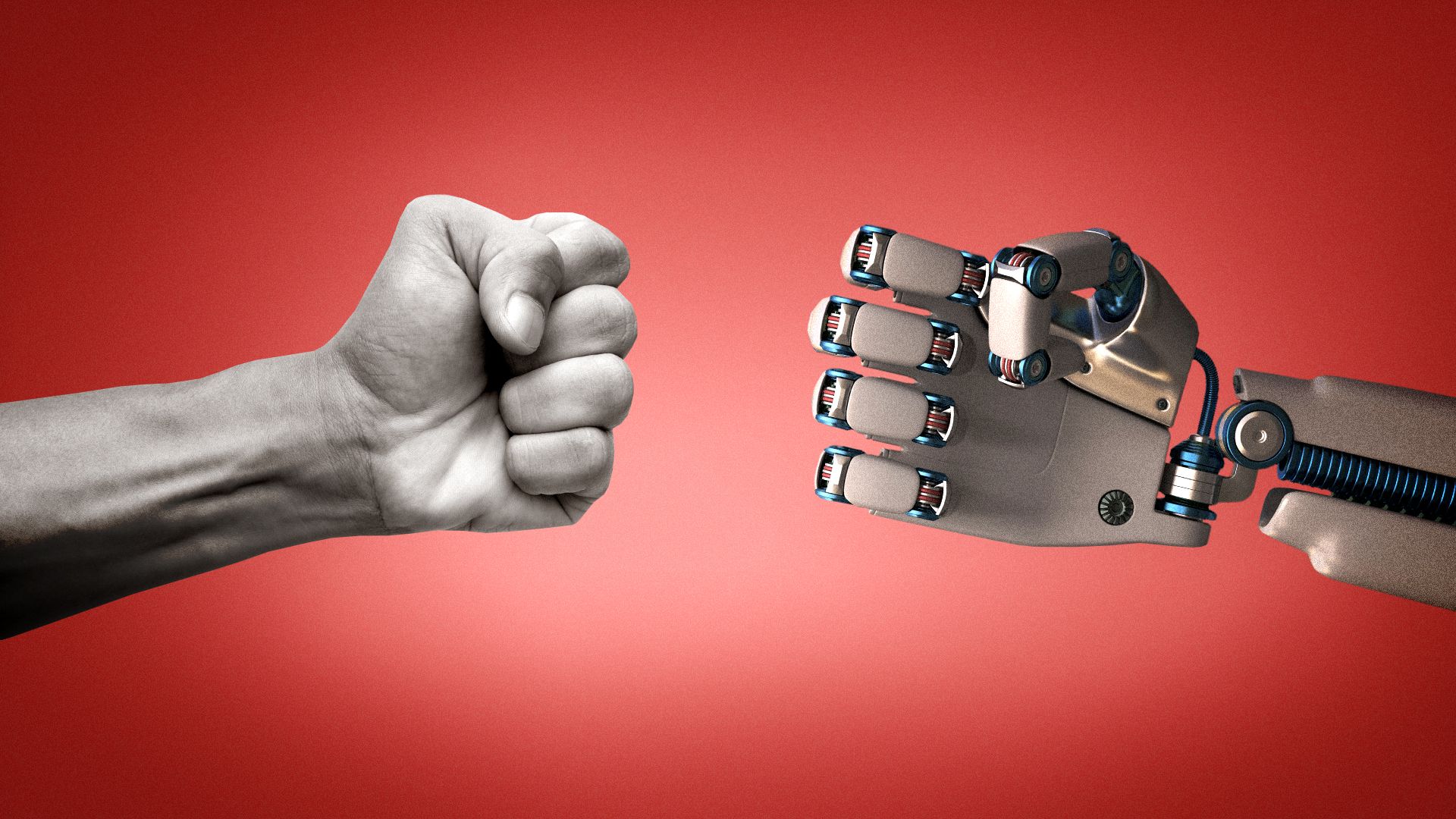
Of the various ways experts fear AI could kill us all, one is slowly moving closer to reality: AI learning to make itself unstoppable.
Why it matters: Recursive self-improvement, the ability of an AI model to build better versions of itself without human guidance, could make increasingly capable systems harder for humans to control.
The race for AI supremacy between labs, companies and countries may be impossible to reconcile with the push for AI safety, industry insiders tell Axios.
Why it matters: The top AI companies are proposing more independent oversight as they seek to engineer an AI slowdown. But trillions of dollars in incentives to keep pushing the frontier — and the money required for such scaling — will always loom larger, critics say.
A distinctly Cold War calculus is looming over this week's Trump-Xi summit in Washington, as the U.S. and China weigh an emergency "red phone" for the day AI goes haywire.
Why it matters: U.S.-China relations are so brittle that an AI hotline — not a trade pact, strategic slowdown or diplomatic reset — could emerge as the summit's most meaningful outcome.