Ellison's California pressure point worked for Paramount

Add Axios as your preferred source to
see more of our stories on Google.
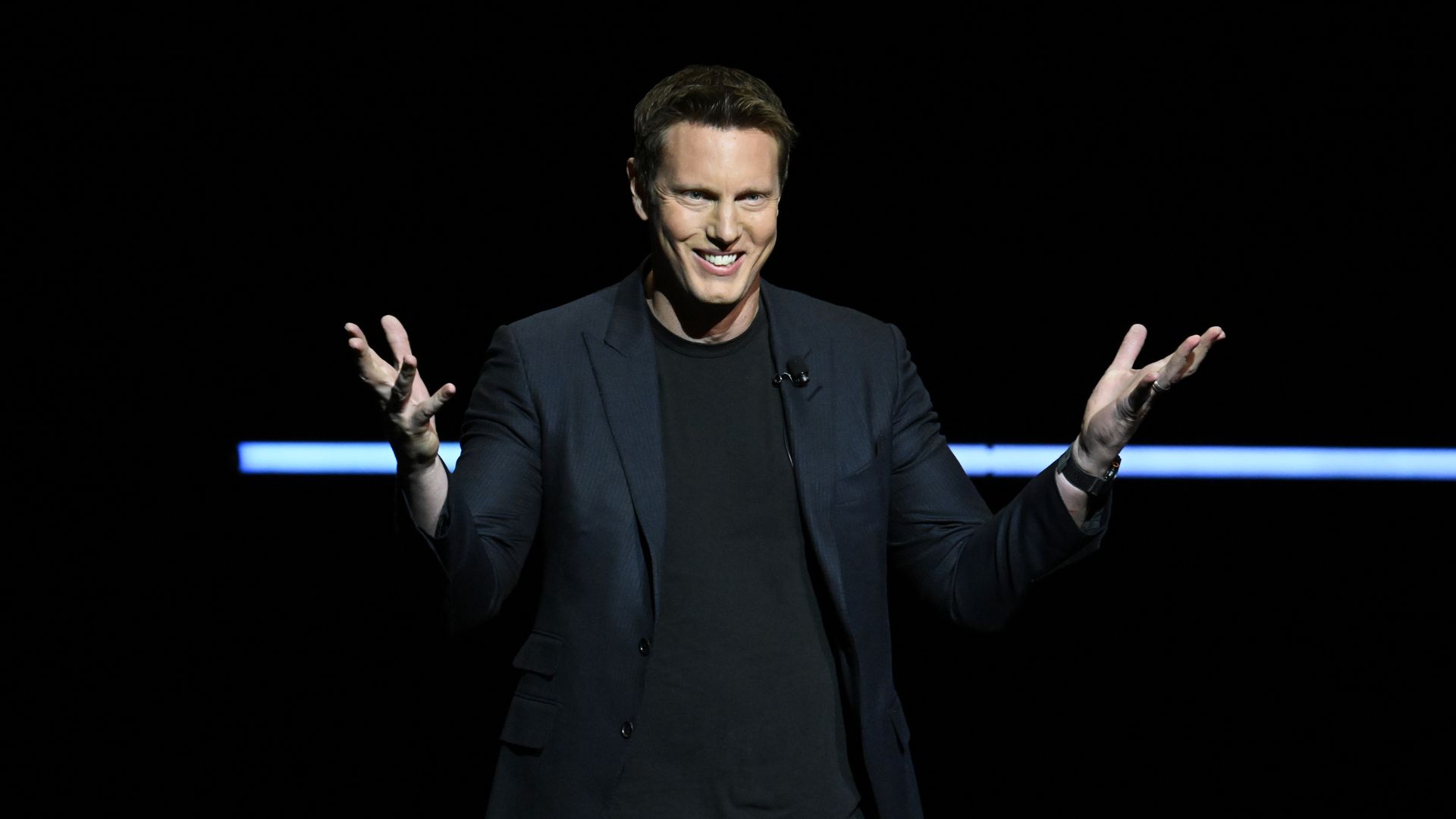
Photo: Gilbert Flores/Variety via Getty Images
The terms and timing of Paramount Skydance's settlement with state attorneys general were the byproduct of clever maneuvering by CEO David Ellison, who identified a unique point of leverage over the plaintiffs' ringleader California Attorney General Rob Bonta.
Why it matters: Bonta lost political support for his lawsuit after it became clear Paramount was serious about its threat to leave California and take thousands of jobs with it. That put pressure on him to settle quickly ahead of Paramount's ticking fee deadline of Sept. 30.
- Paramount was poised to owe Warner Bros. Discovery shareholders millions of dollars for each day the deal didn't close past Oct. 1. Reports about its intent to leave California ratcheted up in August.
Between the lines: When Paramount agreed to postpone closing the merger to bypass a preliminary injunction fight in July, it became clear it was confident in arguing the merits of its case in court. That made its threat to leave California feel more real.
- By late August, a slew of high-profile California Democrats, including Gov. Gavin Newsom, Los Angeles Mayor Karen Bass, and Democratic gubernatorial nominee Xavier Becerra, had called on Bonta to settle.
- Newsom played a key role in brokering settlement talks with Bonta, a source familiar with the negotiations said.
Zoom in: Several state AGs held out over the weekend ahead of the settlement, seeking additional concessions. They didn't face the same time pressure to settle as Bonta, but most had fewer resources to litigate without the support of California's Justice Department.
- "I do wonder how much money had to do with it, in the sense that Bonta has a disproportionate budget relative to the other state enforcers," says former Democratic FTC commissioner Alvaro Bedoya, who was a vocal critic of the deal.
- "My suspicion is that once all the dust settles, this is going to come down to: Bonta was going to fold, and the other state AGs simply did not have the resources to move this ball forward."
The big picture: The states suing to block the deal have said for months that their case was rooted in traditional antitrust law, not politics.
- They cited concern around Paramount's theatrical leverage and cable channel dominance as their main arguments for blocking the deal. The divestiture of news networks was never part of what Bonta described as a "bread and butter, black and white, meat and potatoes antitrust case."
- But after the settlement was announced, Connecticut AG William Tong said "Connecticut wanted and demanded full divestiture of CNN and CBS News" as a remedy, and that he was "deeply disappointed" the deal lacked it.
Our thought bubble: Ellison said in early August he believed the states' antitrust suit was rooted in concerns about his stewardship of CNN. Tong's statement confirmed his suspicions.
What's next: Ellison agreed in the settlement to the creation of an editorial oversight board for CBS and CNN, ensuring their independence.
- He also agreed to a slew of short-term behavioral remedies, like promising to distribute a certain amount of films in theaters for the next five years and bring production jobs back to the U.S.
- While Bonta presented those concessions as a win Monday, several Democrats pushed back. Former FTC Chair Lina Khan noted behavioral remedies "routinely fail," while Sen. Elizabeth Warren said the settlement "greenlights an anti-monopoly disaster."
- In a statement, Jane Fonda said she is "sickened" by how Bonta has "sold people in the entertainment industry, as well as consumers of our creative work, down the river."
The bottom line: Ellison played his hand brilliantly. Now the deal's historic debt load becomes his biggest issue.
