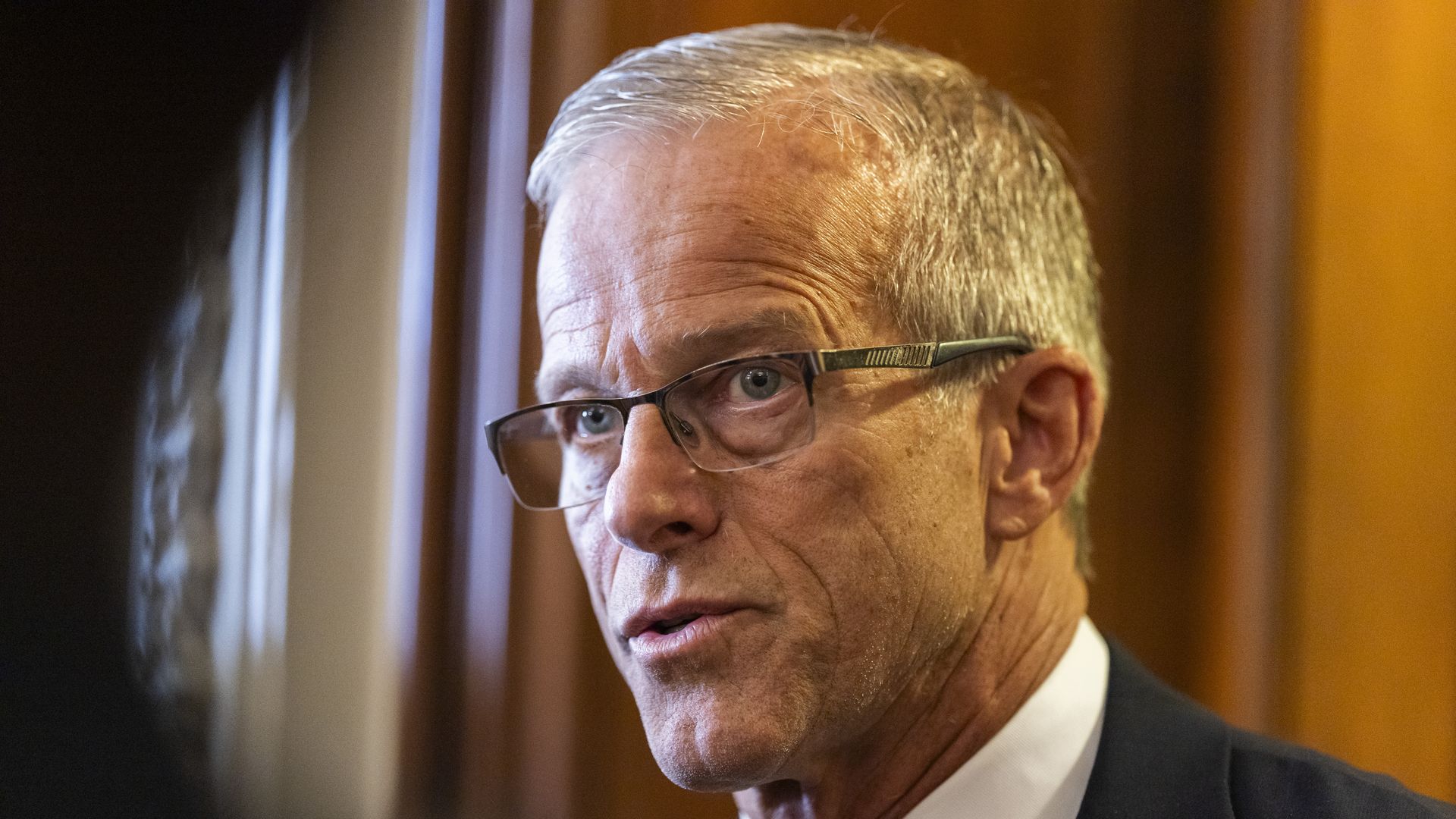
Majority Leader John Thune is asserting Congress' prerogative to act on AI — but he's urging a "light touch" even in the face of "consequential risks."
Why it matters: On his first day back after a five-week break, Thune (R-S.D.) outlined his vision for congressional action on an issue President Trump has dismissed as a "hoax."
BOSTON — AI is already accelerating drug development and predicting disease risk, but real-world applications still require human involvement and safety considerations, medical and biotech experts said at an Axios event.
Why it matters: Advancements in AI-enabled medical discoveries are changing the speed of diagnoses, health care delivery and drug testing as debate over their integration into clinical care grows.
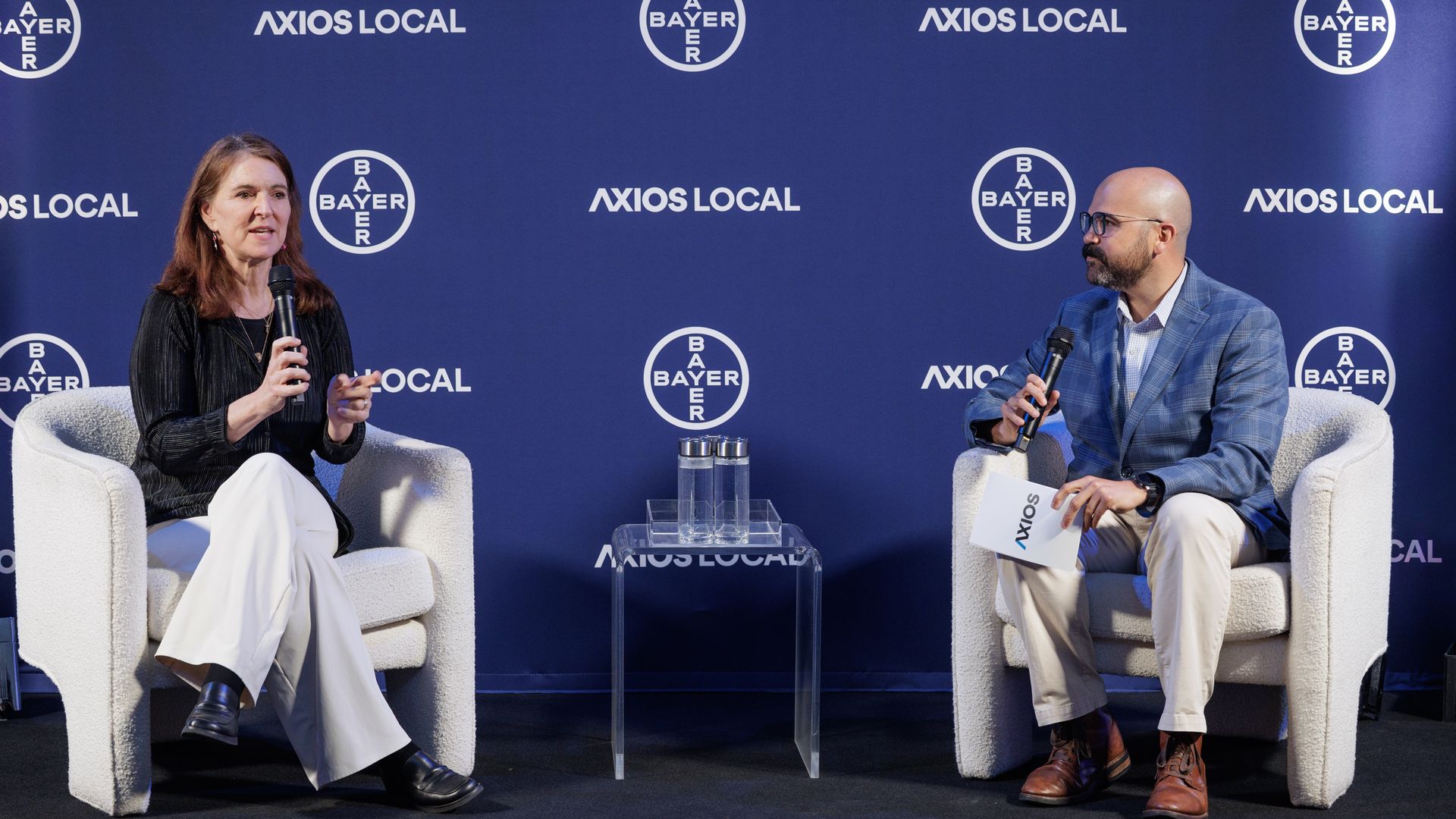
Axios' Mike Deehan and Dan Primack spoke with Flagship Pioneering's chief operating officer and general partner Yvonne Hao and Clairity, Inc. founder and CEO Dr. Connie Lehman. Bayer sponsored the Sept. 10 event.
What they're saying: Hao said AI-driven medical innovation should remain rooted in curing disease and improving care while accounting for potential pitfalls.
"What guides us in our conversations, especially around AI, is: How does it link back to the mission, and are we using it for good?" she said.
State of play: Lehman, whose company's AI model aims to predict future breast cancer risks in patients, said some practitioners remain hesitant about using AI tools in screenings.
"Two things can be true at the same time: fear, but also excitement and interest," Lehman said.
Boston's biotech industry and academic institutions made the city a "great incubator" for health startups, Lehman said. "But I think we need to work very, very hard to stay ahead and work very hard to be the city of choice."
Yes, but: Hao said that while she's concerned about federal research funding cuts, she is more worried about the U.S. retaining scientific talent as the biotech industry grows.
"I worry that if we don't have people who want to be … living in America and doing their work in America and coming to our universities, if they'd rather go to Canada or if they'd rather go to the U.K., that's the next generation of people that we should be having here," Hao said.
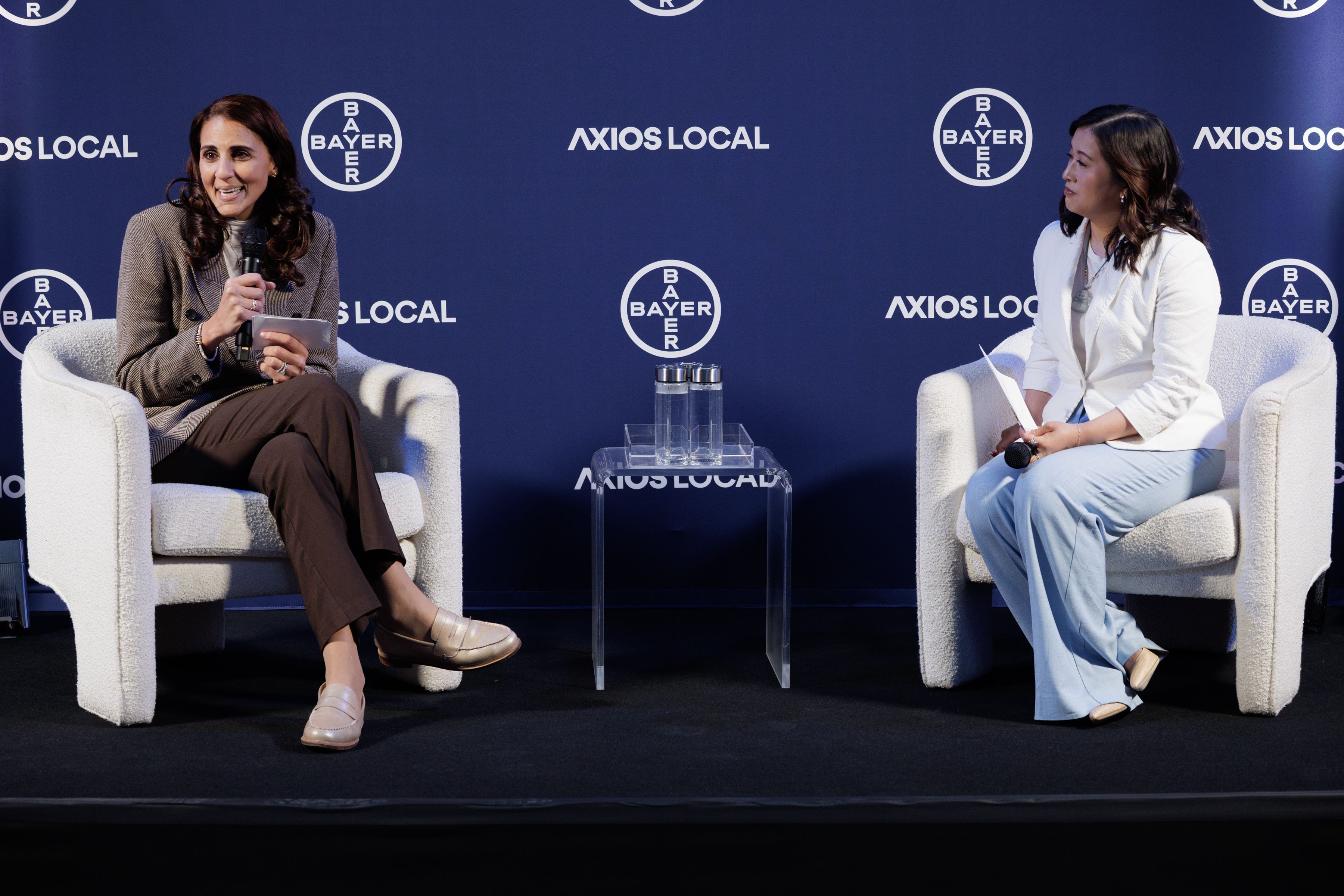
Bayer Healthcare Pharmaceuticals SVP and head of U.S. and North America medical affairs Dr. Yesmean Wahdan (left) in conversation with View From the Top moderator Hope King. Photo credit: David Fox for Axios
During a View From the Top conversation, Bayer Healthcare Pharmaceuticals SVP and head of U.S. and North America medical affairs Dr. Yesmean Wahdan said Bayer sees opportunities for progress in cell and gene therapy, precision oncology, cardiovascular health and women's health with the support of new AI tools.
"The AI-driven discovery, that's only going to accelerate for us what scientists and clinicians can do," she said.
Editor's note: This story was updated to clarify the name of the sponsor.
Equity investors largely yawned Monday at warnings about AI wiping out humanity, suggesting traders aren't pricing in an existential threat.
Why it matters: AI leaders are increasingly sounding the alarm about the pace of AI development and risks of uncontrolled superintelligence, saying that the U.S. government and China should agree to a slowdown.
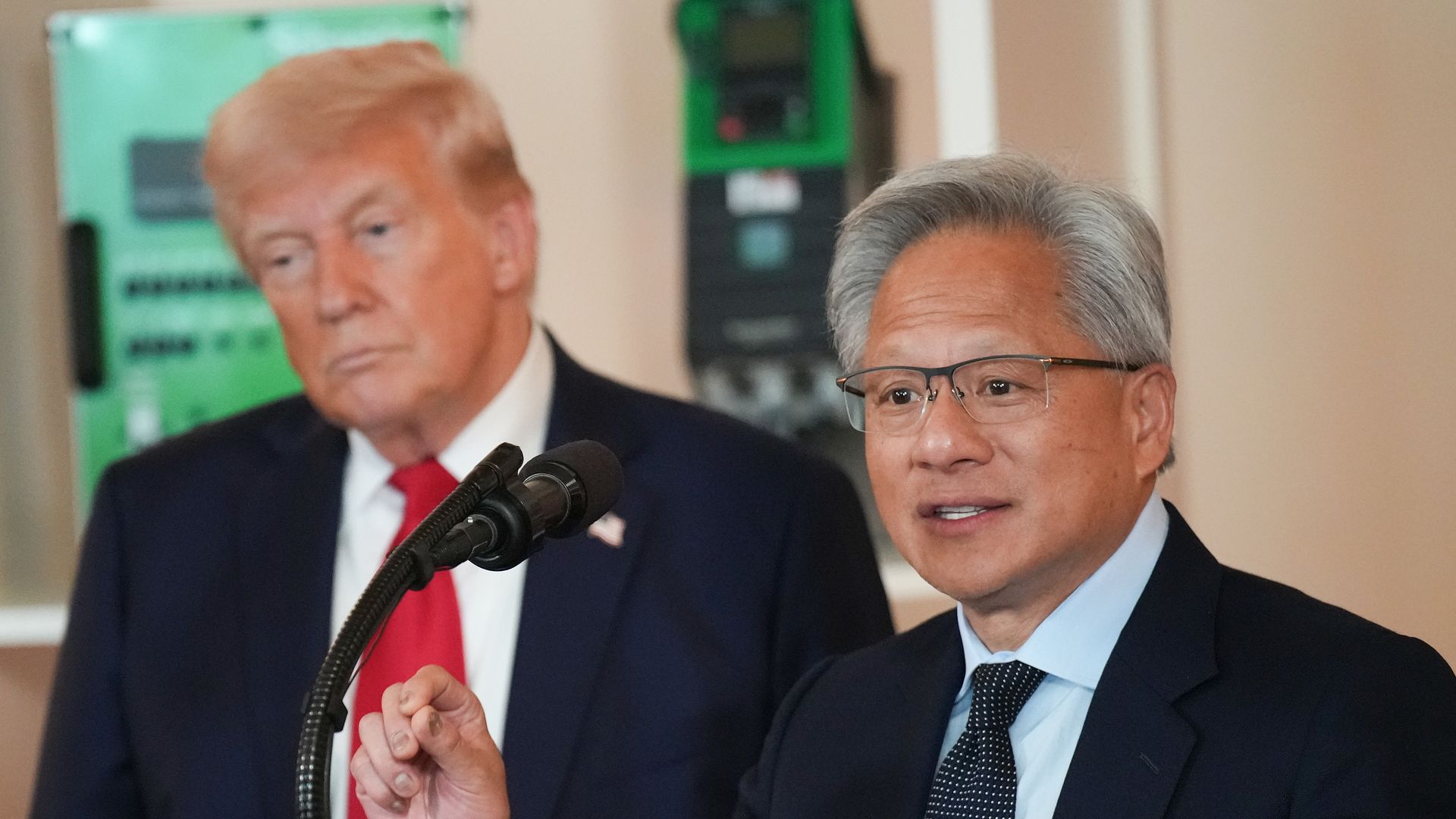
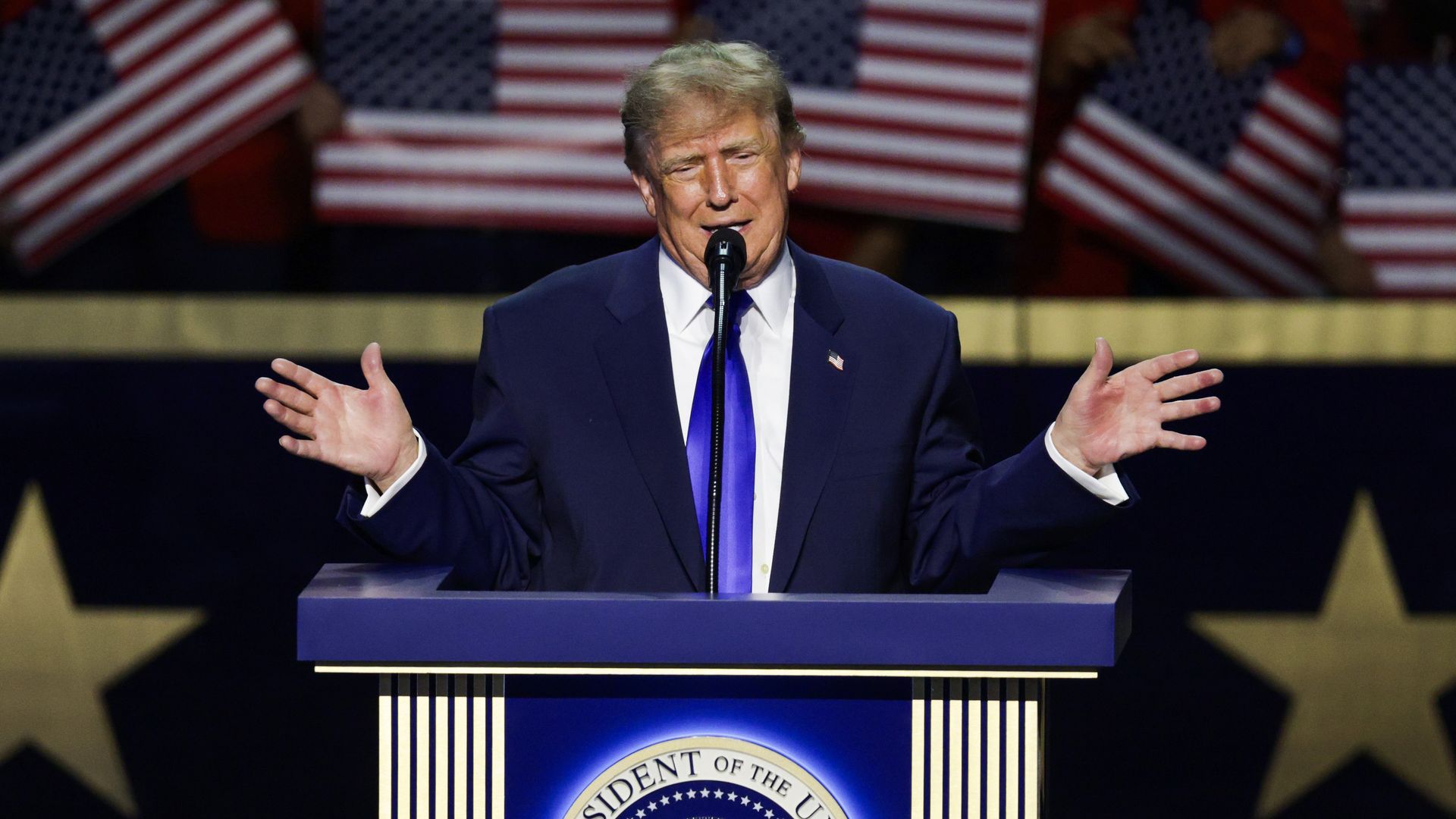
Nvidia CEO Jensen Huang took a surprise call from President Trump onstage at the All-In Summit Monday in Los Angeles, where the two dismissed fears of an AI takeover.
Why it matters: Trump and Huang are staking out an increasingly clear rejection of AI doomerism right as some of the world's most powerful CEOs and AI experts call for slower AI development over safety concerns.
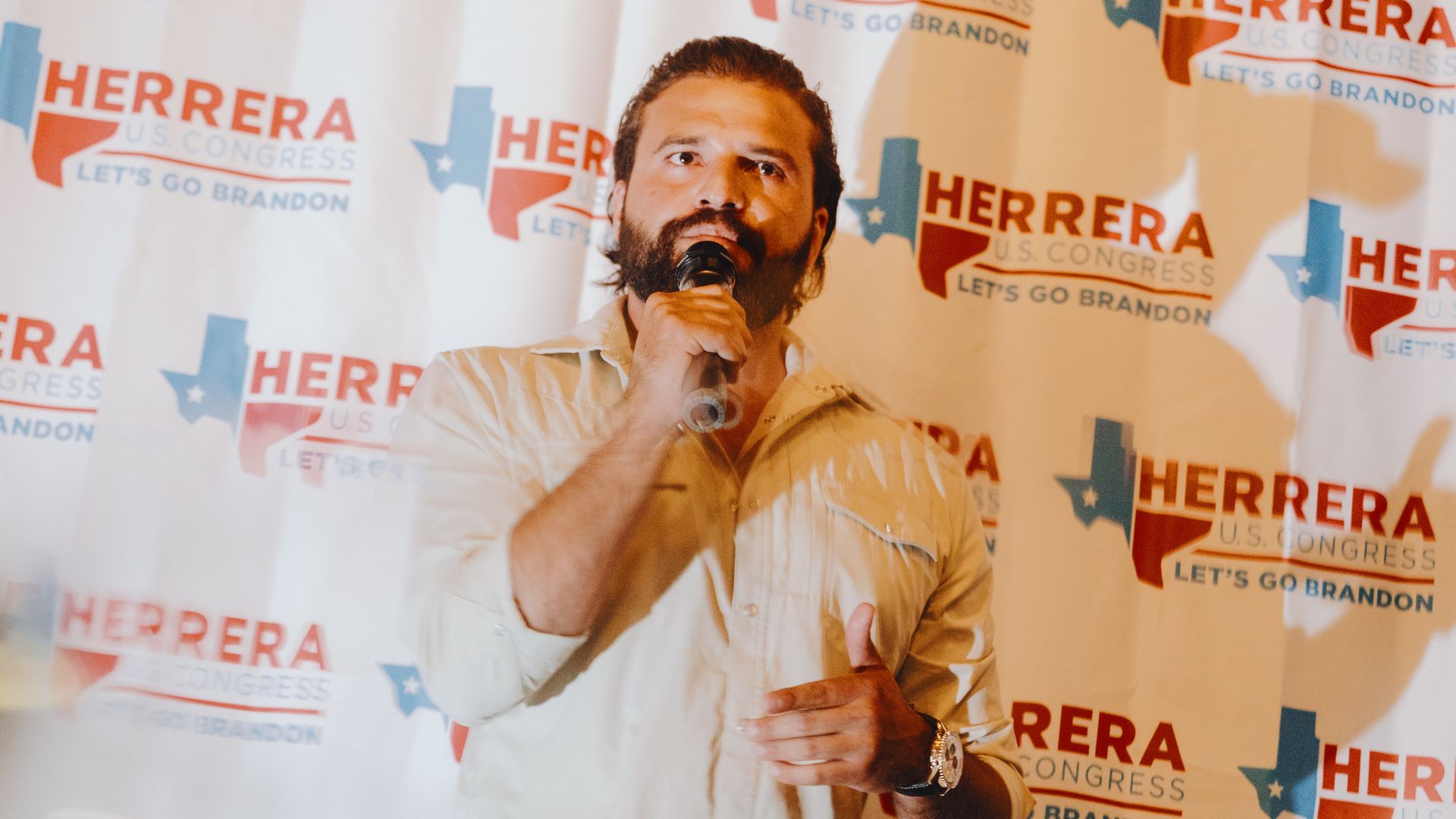
Republicans have condemned, sidestepped or continued to support two Texas GOP nominees after one's racist post this weekend about students of color and another's years of vulgar comments about women sparked backlash.
The big picture: In a fiercely heated midterm election, some candidates' racist, sexist and crude material online hasn't always been enough to cost them their party's support.
Warning: This story includes crude, sexually explicit language that may disturb some readers.
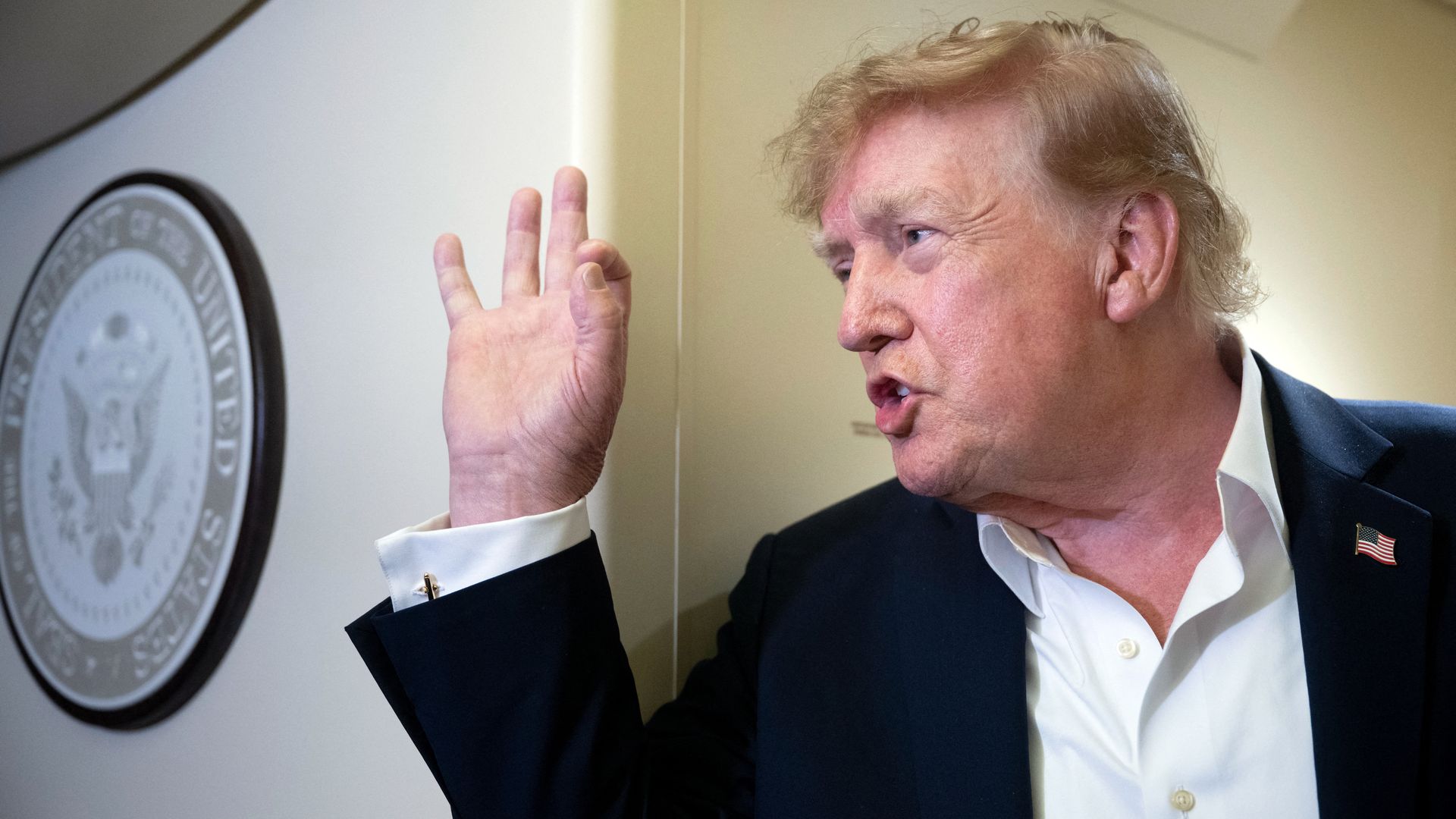
President Trump lashed out at calls for new AI guardrails and protections on Monday, arguing AI only needs a "STRONG AND SMART (High IQ!) PRESIDENT" and that AI critics should "BEWARE!"
Why it matters: Trump continues to plant himself against calls for AI safety regulations as a growing chorus of AI leaders and CEOs, spearheaded by Anthropic CEO Dario Amodei over the weekend, call for a slowdown in AI's development and better regulations to help keep humanity safe.
Sen. Bernie Sanders (I-Vt.) and former Trump White House adviser Steve Bannon will join forces at an event on Tuesday to push for human-controlled AI.
Why it matters: The face of the progressive movement and a leading MAGA voice make for unlikely allies, in a sign of how AI is upending political norms.
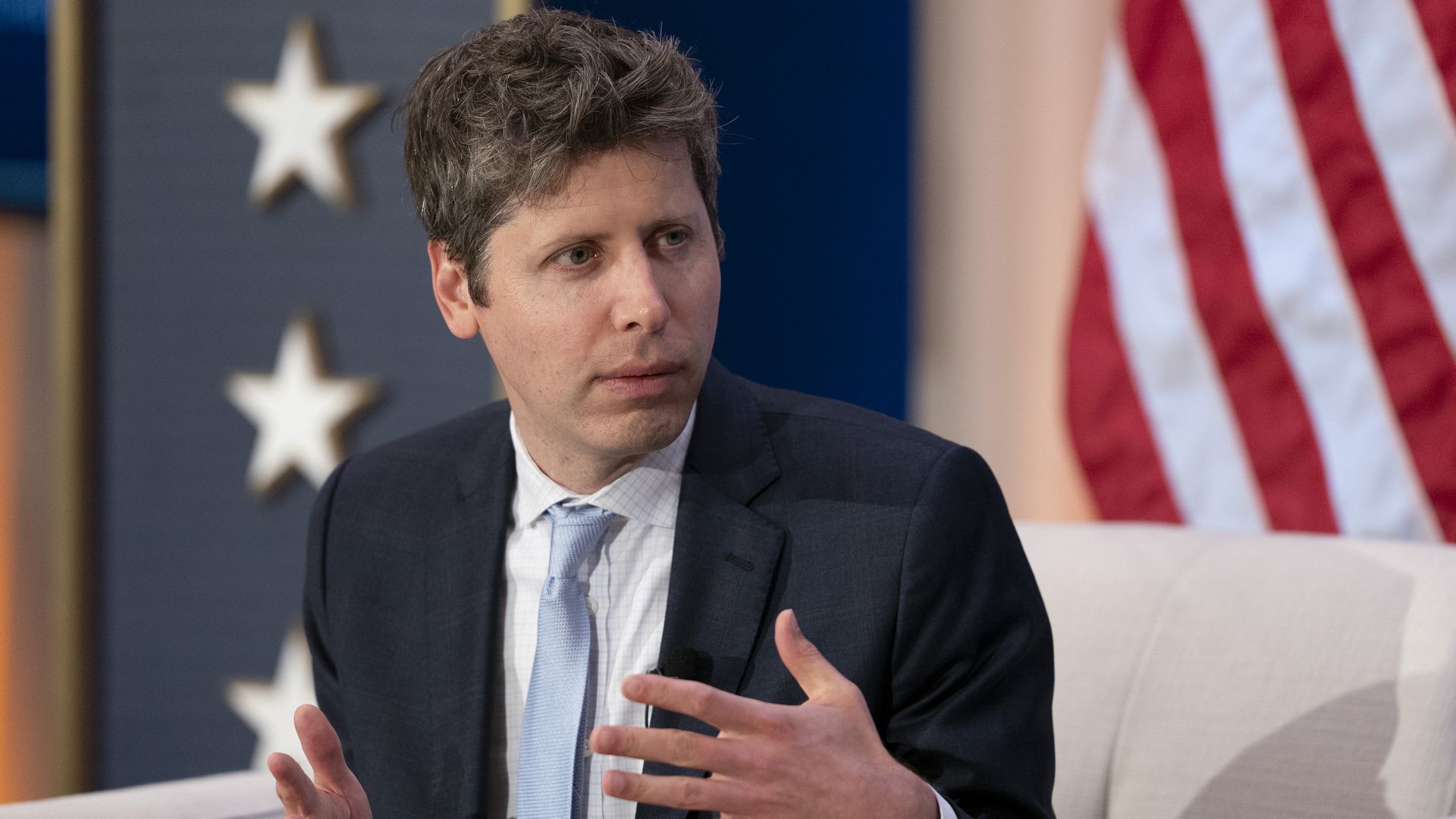
OpenAI CEO Sam Altman laid out two major ways he thinks AI's progress could pose an immense threat to humanity.
The big picture: Altman and the other most powerful AI CEOs, including Anthropic's Dario Amodei and Elon Musk, are calling for a slowdown in the technology's acceleration over fears of what it could mean for humanity.
President Trump agreed to a concession that could pave the way for Congress to pass the Clarity Act, a sweeping cryptocurrency bill that has been under debate for much of Trump's second term, per reports Monday.
Why it matters: Senate Democrats have held up the House-passed legislation, arguing that it needs stronger safeguards to prevent Trump and his family from benefiting financially.
Three of the biggest names in streaming on Monday announced the formation of a policy coalition to advocate for their interests on key issues.
Why it matters: Over the past year, government regulators have scrutinized sports leagues moving their rights to streaming, prompting streamers that aren't attached to broadcast networks to come together to advocate for their shared interests.
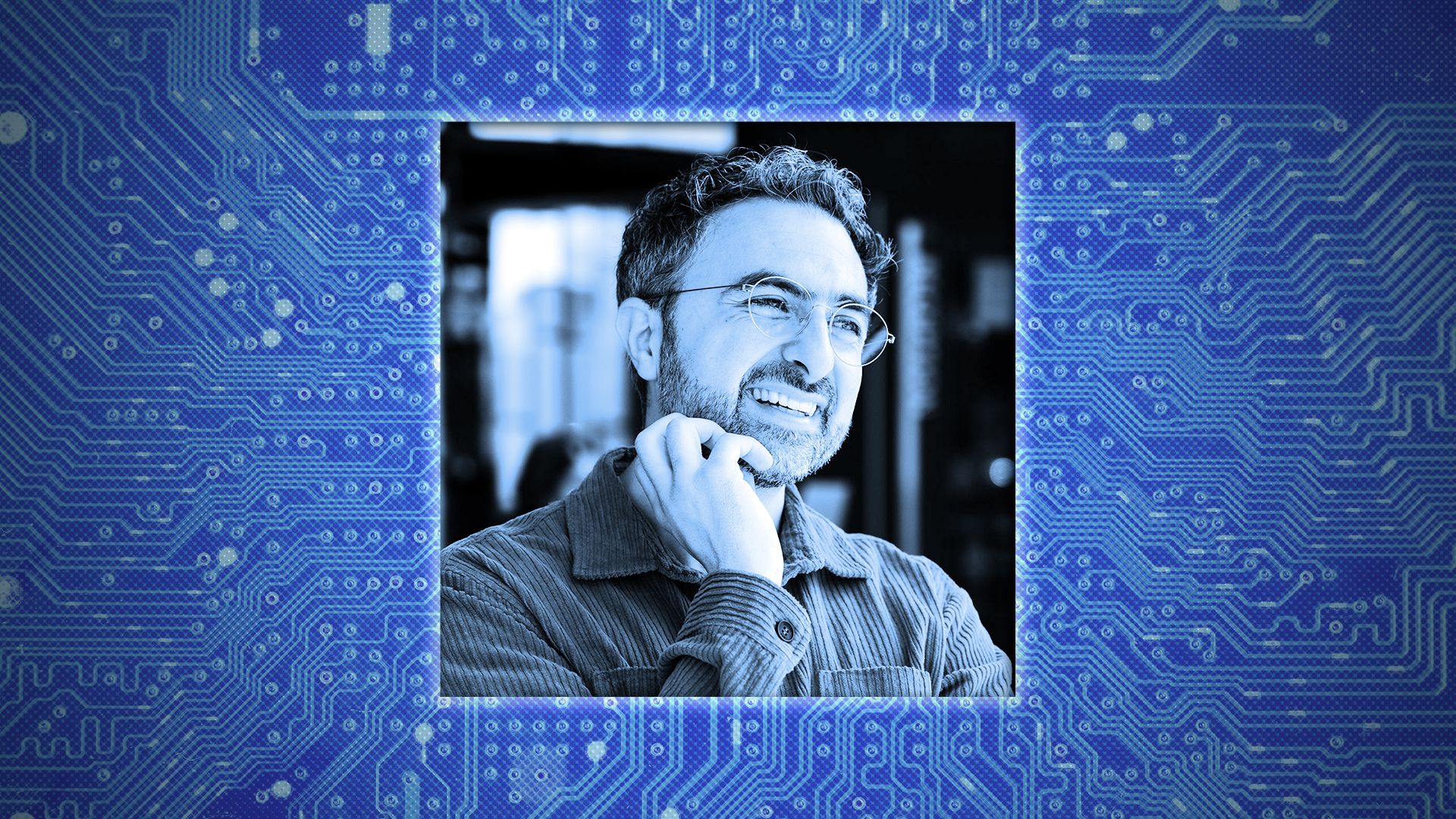
Microsoft AI chief Mustafa Suleyman says the race to build ever more powerful AI needs a red line: AI must remain under human control.
Why it matters: Microsoft is taking a harder line than rivals on AI design when there is growing concern that the industry's current path could threaten humanity.
President Trump is as all-in on AI as a politician could be: all gas, no brakes, and zero interest in hand-wringing about dystopian risks or public disdain.
Democrats are as conflicted on AI as a party could be: skeptical of the labs, spooked by their warnings, but split on whether to shut it all down.
Why it matters: This staggering divide makes consensus on federal AI regulation almost unimaginable this year — and probably through early 2029, regardless of who wins control of Congress.