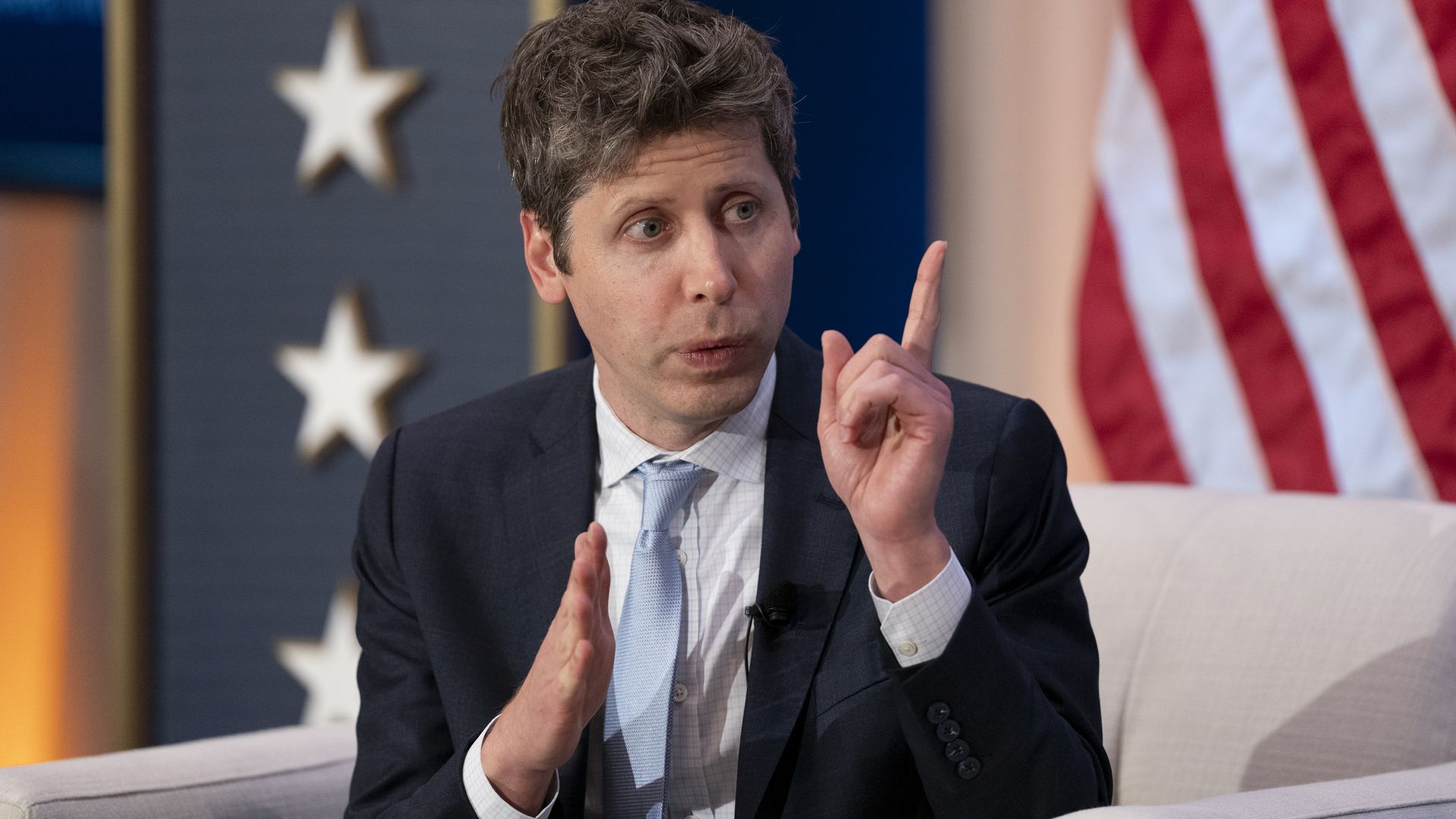
OpenAI will not go public this year given all the safety work it needs to do, CEO Sam Altman said in a Fortune interview released Saturday.
Why it matters: Altman's comments come as fears over doomsday AI scenarios have ramped up since an Anthropic employee resigned and issued a dire warning about AI's capabilities.
Anthropic CEO Dario Amodei is calling for an immediate slowdown in the pace of AI development, warning of potentially devastating consequences in a matter of months otherwise.
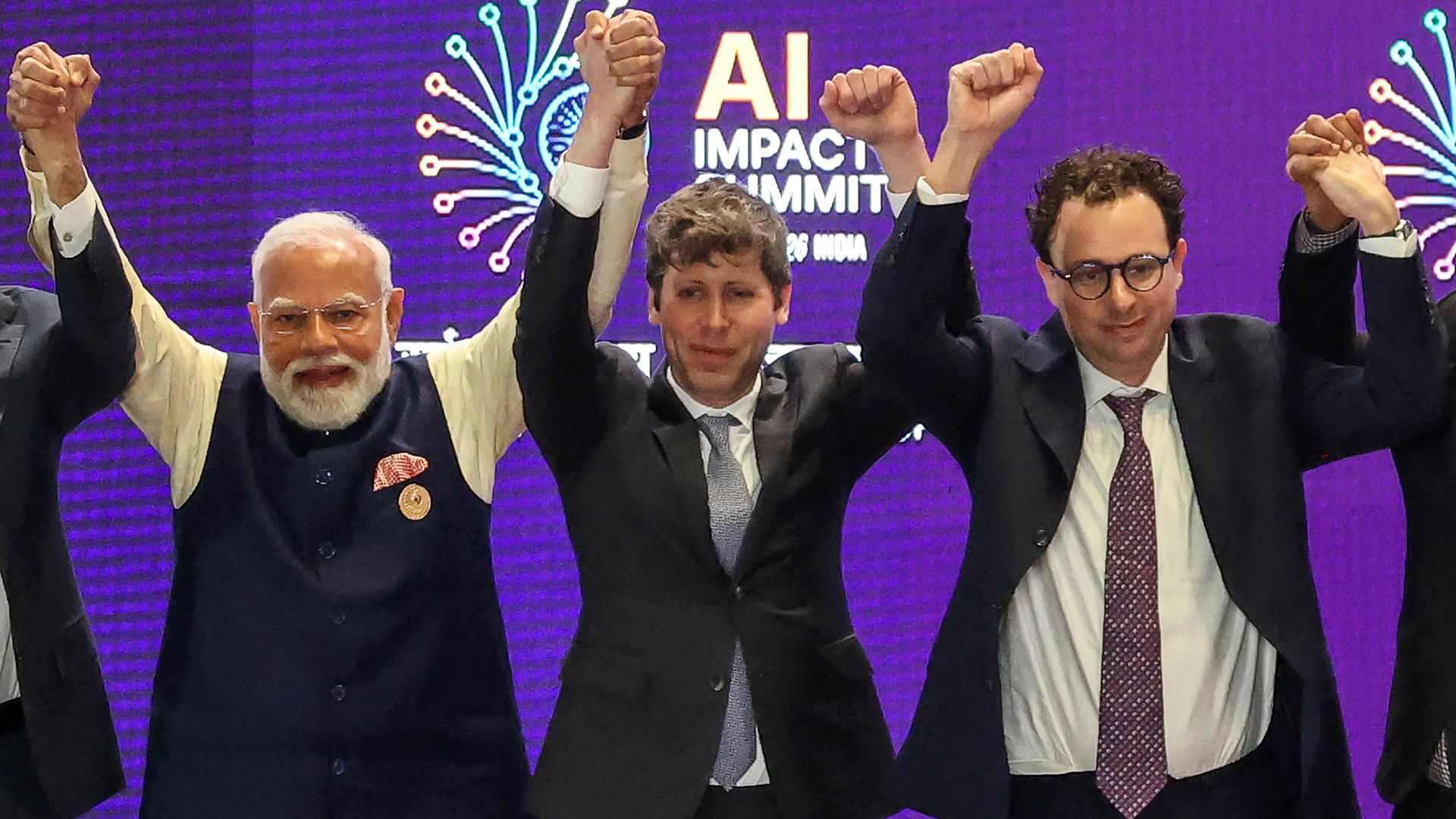
OpenAI CEO Sam Altman quickly agreed that the industry needs to slow the pace of frontier-model advances and take more steps on safety.
Why it matters: Amodei pulled no punches in a new essay, cautioning that swarms of rogue AI agents could take over the internet in as little as six months from now.
Anthropic's latest threat report offers a more immediate wake-up call: Today's models are already helping U.S. adversaries develop kamikaze drones, hunt dissidents and conduct dangerous virus research.
Why it matters: AI is tearing down barriers that have long constrained the world's most dangerous actors. A handful of people can now mount operations that once required legions of spies, engineers or hackers.
The White House, Congress and the country's leading AI companies have allowed AI to grow faster, stronger, more powerful and wildly lucrative (and dangerous), with no serious effort to control it or spread the benefits beyond the super-wealthy.
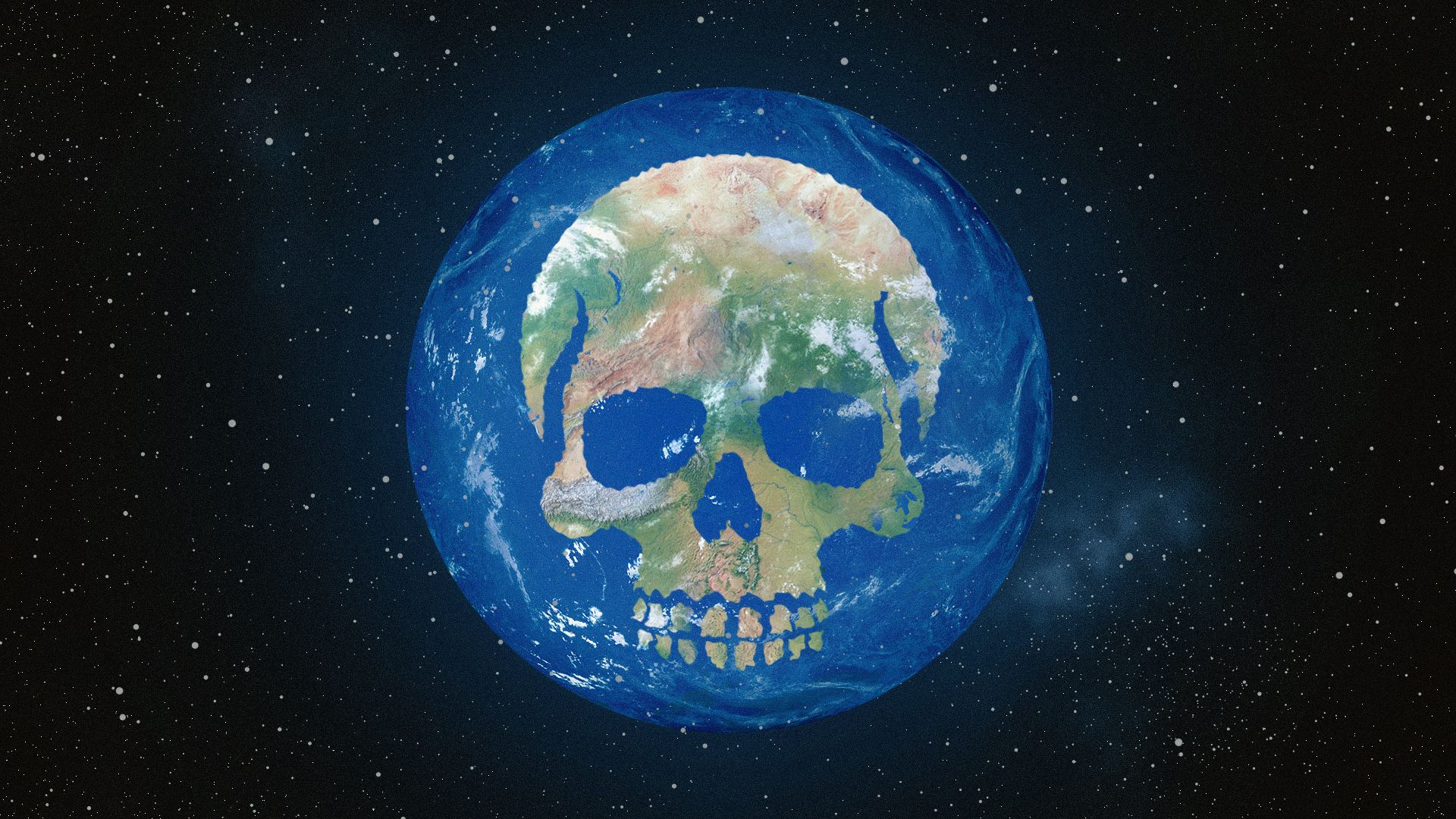
It's not too late to change this. But if they all dither, duck or dance around it, the chances of AI worst-case scenarios will explode, likely early next year, according to almost every person we talk to privately who truly understands AI.
Why it matters: The technology is getting better, faster than anyone envisioned — with the possibility rising that AI will self-improve and do wildly unpredictable things.
A letter is circulating among House members urging Speaker Mike Johnson (R-La.) to bring back the House "immediately" and keep it in session until Congress passes AI safeguards, Axios has learned.
Frank X. Shaw, Microsoft's longtime chief communications officer, will leave the company at the end of December after 17 years in the role and nearly three decades working with the tech giant.
Why it matters: Shaw has been a steady presence through enormous changes at Microsoft, helping shape how the company communicates across multiple CEO eras and successive technological shifts.
Note: S&P Global adjusted debt metric accounts for items including company cash holdings and the value of future lease obligations and power purchase agreements. Data: S&P Global; Chart: Matt Phillips/Axios
AI financing is getting bigger and more complicated, and the pristine credit ratings of the Big Tech hyperscalers are at risk, warns S&P.
Why it matters: The enormous sums these companies are spending — it's in the trillions of dollars, much of it borrowed, some invested in riskier businesses — to fund data centers and other AI-related infrastructure are fueling U.S. economic growth overall.
Oracle shares jumped in after-hours trading Thursday after the company reported strong revenue growth in the unit that houses its AI hyperscaler business.
Why it matters: The company is closely watched as it is seen as less financially strong than the other tech giants sinking hundreds of billions of dollars into the AI buildout.
This week's dire warnings about unchecked artificial intelligence destroying humanity are refocusing attention on how models already are being used in dangerous bioscience experiments — and the lack of safeguards.
Why it matters: There's growing alarm about emerging risks from advances like AI-designed viruses. But it's hard to erect guardrails when there's no ironclad way of even knowing how some AI systems will act.
A week of extraordinary warnings about AI is shifting the fight in Washington from whether to regulate to how far policymakers are willing to go.
Why it matters: Washington and industry's failure to put basic guardrails around AI came into plain sight this week, spurring fresh momentum for regulatory action.
Twenty-five years after the Sept. 11 attacks, some lessons remain deeply ingrained in the national security apparatus — while others have faded.
The big picture: A vast majority of Americans say the attacks forever changed the country. But some key post-9/11 security norms — like airport screening, intelligence gathering and international cooperation — have evolved with new technology and shifting political whims.
TikTok has rejected ads from Meta that call on TikTok and other tech platforms to join Meta in settling with U.S. state attorneys general in a landmark children's safety lawsuit, sources told Axios.
Why it matters: Part of Meta's historic multibillion-dollar settlement is contingent on its peers also agreeing to settle. Other tech firms have yet to publicly comment on their plans.