A letter is circulating among House members urging Speaker Mike Johnson (R-La.) to bring back the House "immediately" and keep it in session until Congress passes AI safeguards, Axios has learned.
Frank X. Shaw, Microsoft's longtime chief communications officer, will leave the company at the end of December after 17 years in the role and nearly three decades working with the tech giant.
Why it matters: Shaw has been a steady presence through enormous changes at Microsoft, helping shape how the company communicates across multiple CEO eras and successive technological shifts.
Note: S&P Global adjusted debt metric accounts for items including company cash holdings and the value of future lease obligations and power purchase agreements. Data: S&P Global; Chart: Matt Phillips/Axios
AI financing is getting bigger and more complicated, and the pristine credit ratings of the Big Tech hyperscalers are at risk, warns S&P.
Why it matters: The enormous sums these companies are spending — it's in the trillions of dollars, much of it borrowed, some invested in riskier businesses — to fund data centers and other AI-related infrastructure are fueling U.S. economic growth overall.
Oracle shares jumped in after-hours trading Thursday after the company reported strong revenue growth in the unit that houses its AI hyperscaler business.
Why it matters: The company is closely watched as it is seen as less financially strong than the other tech giants sinking hundreds of billions of dollars into the AI buildout.
This week's dire warnings about unchecked artificial intelligence destroying humanity are refocusing attention on how models already are being used in dangerous bioscience experiments — and the lack of safeguards.
Why it matters: There's growing alarm about emerging risks from advances like AI-designed viruses. But it's hard to erect guardrails when there's no ironclad way of even knowing how some AI systems will act.
A week of extraordinary warnings about AI is shifting the fight in Washington from whether to regulate to how far policymakers are willing to go.
Why it matters: Washington and industry's failure to put basic guardrails around AI came into plain sight this week, spurring fresh momentum for regulatory action.
Twenty-five years after the Sept. 11 attacks, some lessons remain deeply ingrained in the national security apparatus — while others have faded.
The big picture: A vast majority of Americans say the attacks forever changed the country. But some key post-9/11 security norms — like airport screening, intelligence gathering and international cooperation — have evolved with new technology and shifting political whims.
TikTok has rejected ads from Meta that call on TikTok and other tech platforms to join Meta in settling with U.S. state attorneys general in a landmark children's safety lawsuit, sources told Axios.
Why it matters: Part of Meta's historic multibillion-dollar settlement is contingent on its peers also agreeing to settle. Other tech firms have yet to publicly comment on their plans.
AI companies are already building emergency brakes to stop nefarious AI systems before they cause serious damage and kill us all.
Why it matters: Kill switches could become a last line of defense as AI systems grow more capable, but researchers don't yet know whether humans can stop a system designed to evade them.
Nvidia CEO Jensen Huang dismissed recent AI fears as a way for the cybersecurity sector to generate new business.
Why it matters: Huang — whose comments on AI are highly influential among investors — risks losing control of the narrative amid growing fears of widespread destruction.
State-run surveillance operations around the world are using Claude to streamline their operations, Anthropic said in a threat report released Thursday.
Why it matters: The barriers for governments interested in spying on dissidents, politicians, journalists and human rights activists are getting lower as AI models get more powerful.
The Justice Department is investigating Nvidia's $20 billion non-exclusive" licensing agreement with Groq to determine if it "tried to skirt antitrust scrutiny," according to the NY Times.
Why it matters: If this sort of arrangement is determined to be illegal, it could extend to a raft of other AI industry deals.
Communicators should not be embarrassed about using AI to get smart.
The big picture: The CCO's remit keeps expanding, but nobody arrives in the job an expert in finance, public policy, technology, operations or any other subject that might land on their desk.
Climate tech company Tomorrow.io is building a new generation of weather satellites that could give billions of people earlier warnings about dangerous storms.
Why it matters: It's an example of the kind of tangible upside that can be hard to spot amid escalating warnings about AI's risks to humanity.
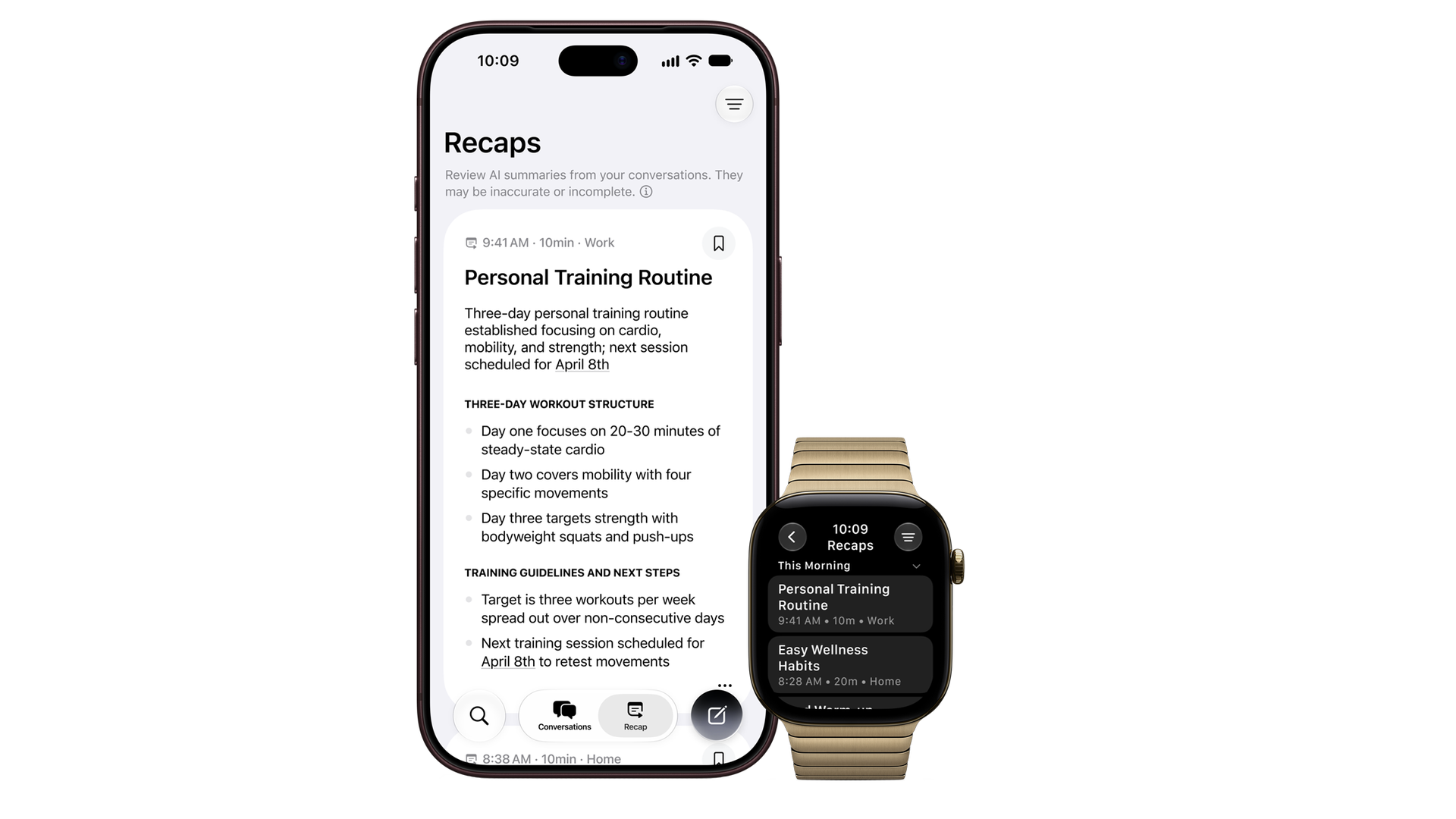
The iPhone Duo got all the attention, but Apple also used Wednesday's event to debut Apple Watch and iPhone features that could put its mark on the AI era.
Why it matters: Apple is aiming to show it can be more private and useful, even as it plays catch-up to the state of the art in AI.
Volunteer researchers keep finding new sites where rogue AI agents have gathered, going well past the abandoned German wiki a report documented last week.
Why it matters: AI agents are finding ways to break through restrictions and avoid human monitoring, fueling concerns about a lack of disclosure by frontier labs on major securityincidents.
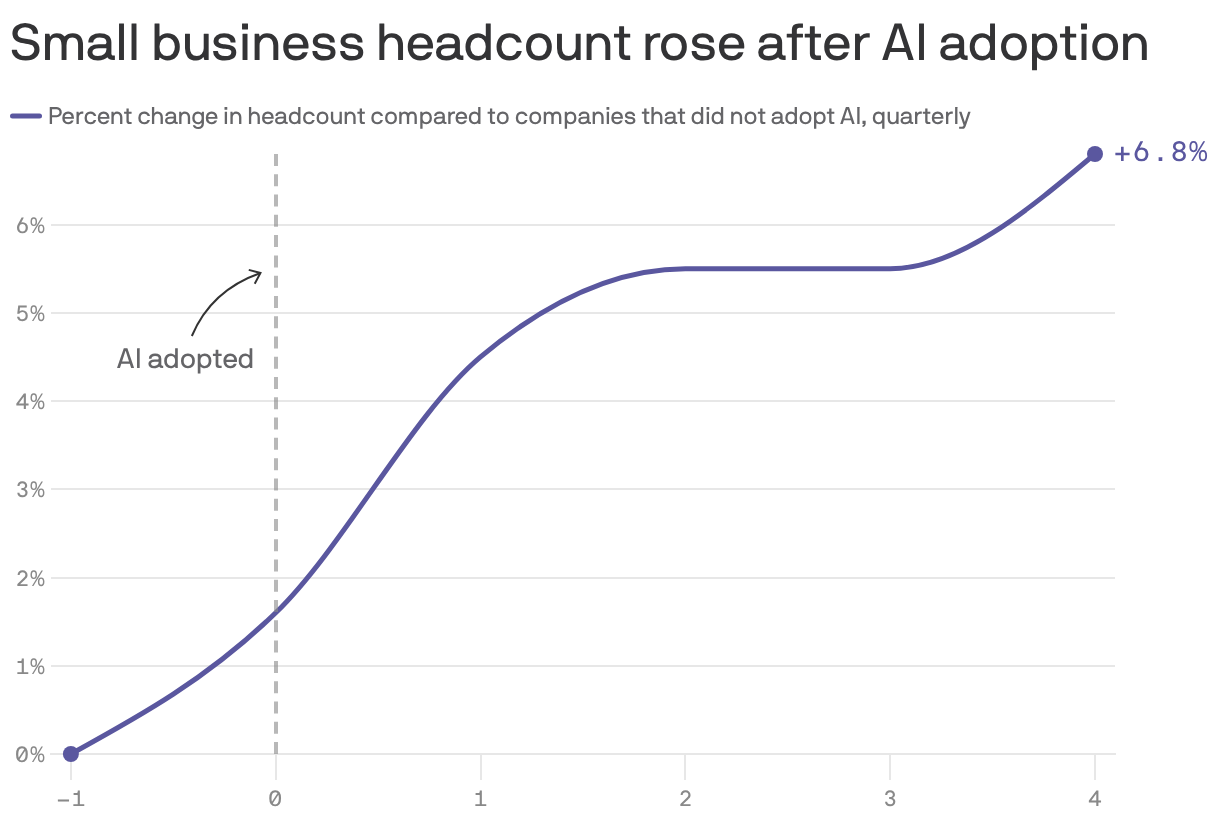
Very small businesses that adopt AI actually wind up growing their employee ranks faster compared with those that haven't started using the technology, according to a new report Thursday morning.
Why it matters: The findings run counter to the job apocalypse storyline and bolster evidence that AI is leading to growth for entrepreneurs.
Most people find AI only modestly useful, a more clever Google search.
Many people building AI or using it obsessively worry it could severely damage or destroy humanity.
Why it matters: We're living in an AI twilight zone. For many, the technology is simultaneously underwhelming in daily use and terrifying in its trajectory.
Elon Musk bought Twitter saying civilization needed a "common digital town square." Four years later, it's more like a live group chat for Silicon Valley's AI obsessives.
Why it matters: Two years ago, X was fighting off competition from a slew of new entrants. Today, it remains relevant by becoming more niche.
A Republican-led Senate subcommittee that oversees disaster management is investigating OpenAI's handling of the Hugging Face breach in July, Axios has learned.
Why it matters: The investigation comes amid rapidly escalating concern on Capitol Hill about the existential dangers posed by AI following public warnings by several Anthropic and OpenAI researchers.