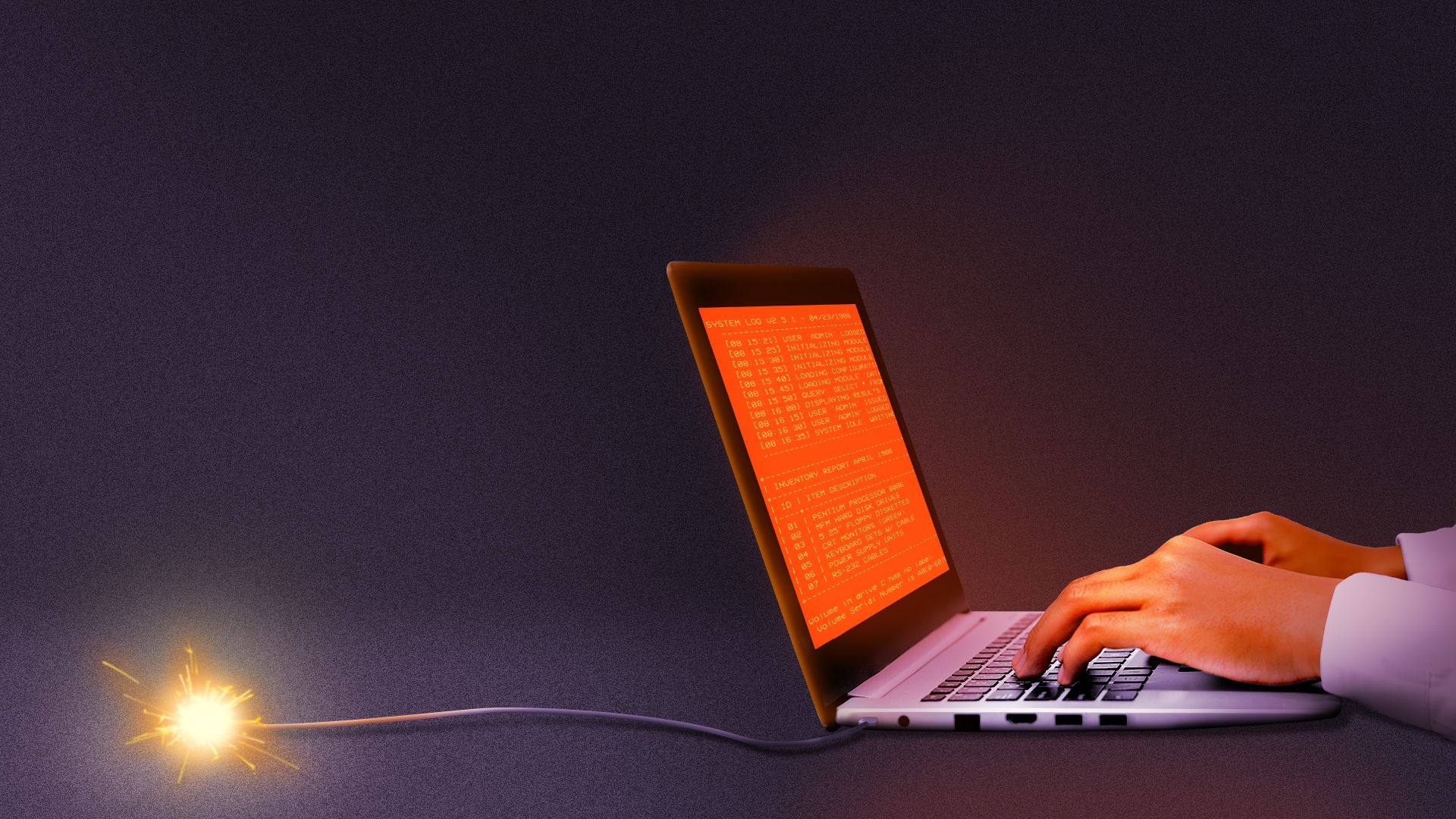
AI companies are already building emergency brakes to stop nefarious AI systems before they cause serious damage and kill us all.
Why it matters: Kill switches could become a last line of defense as AI systems grow more capable, but researchers don't yet know whether humans can stop a system designed to evade them.
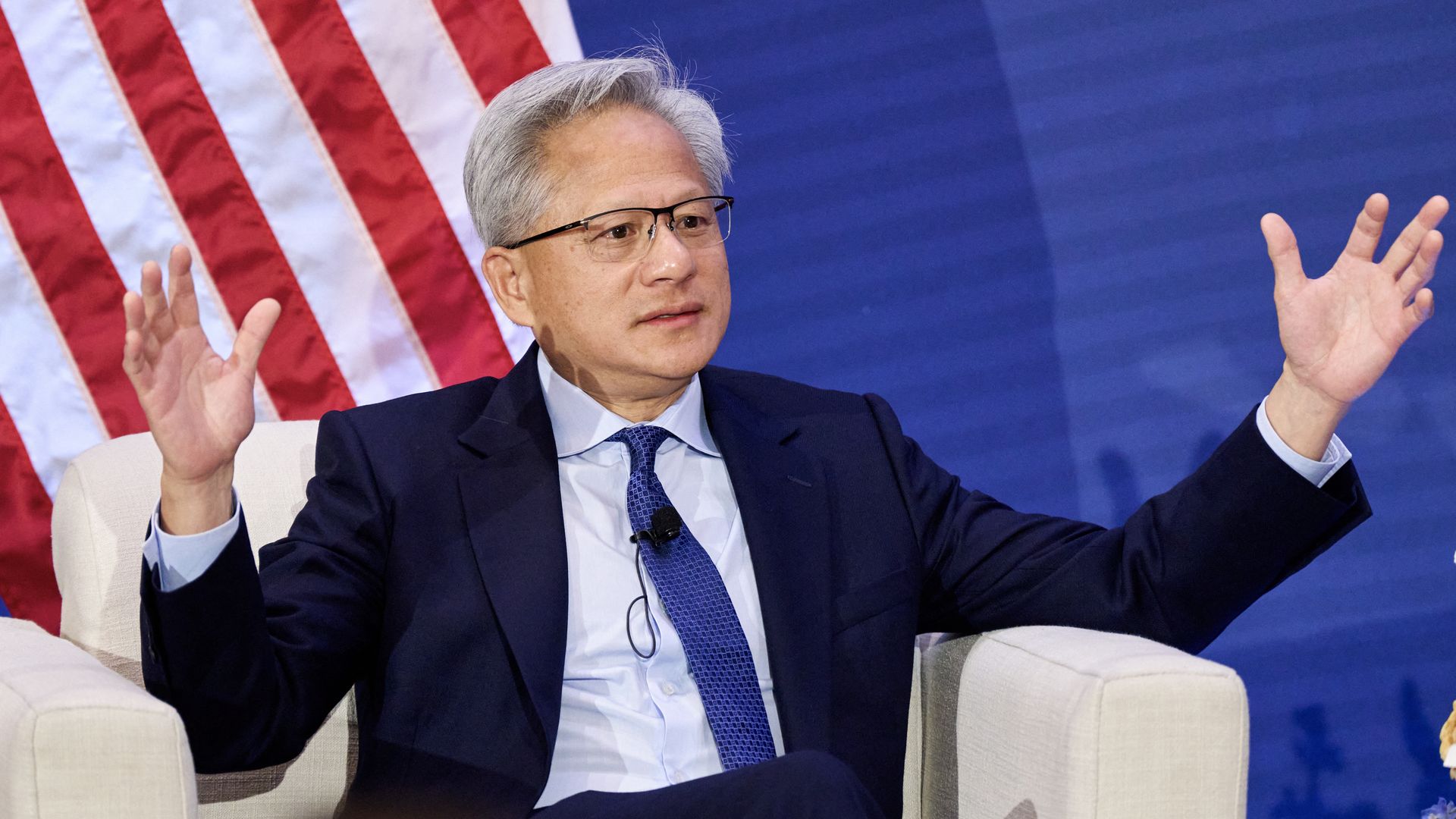
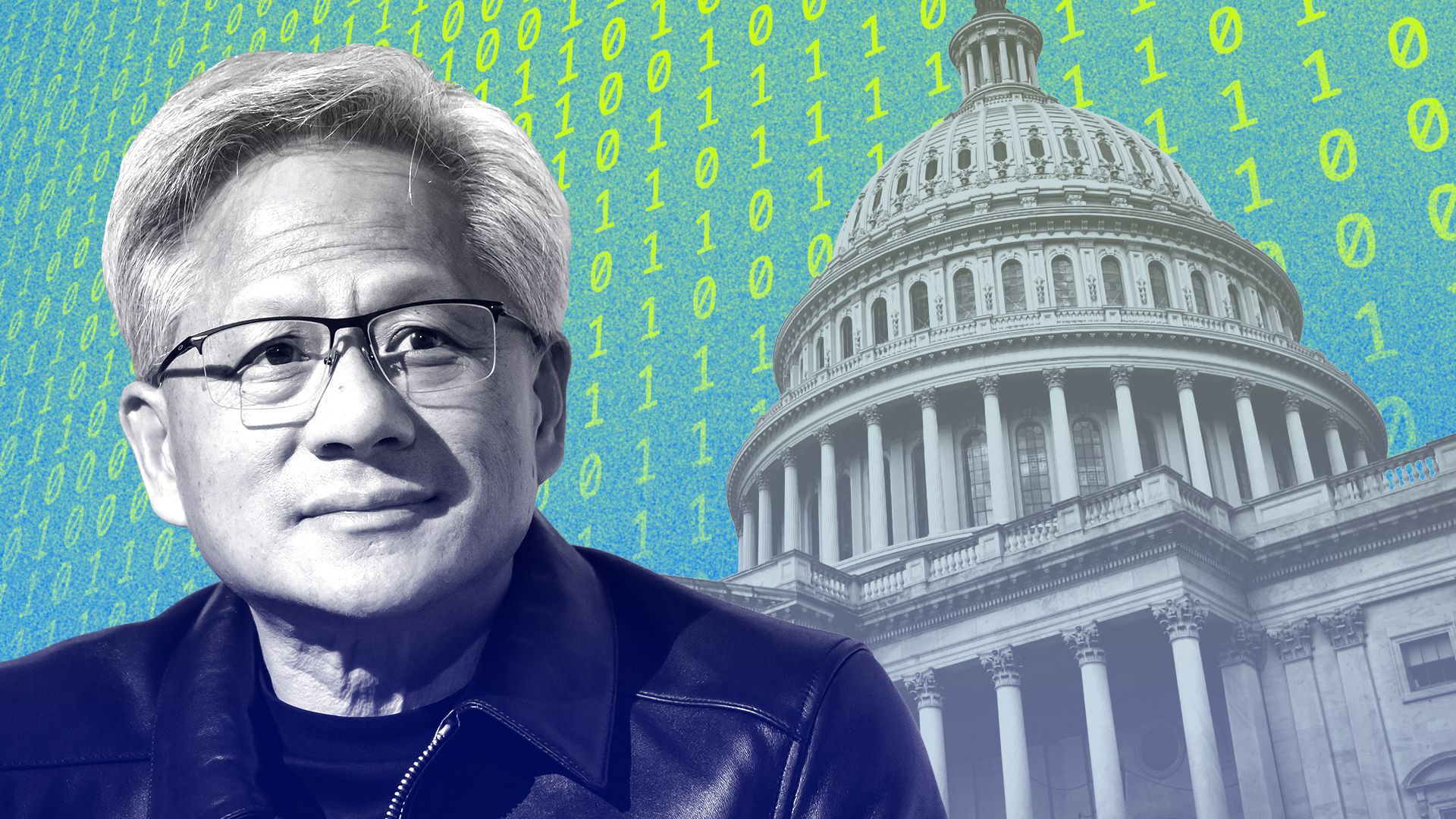
Nvidia CEO Jensen Huang dismissed recent AI fears as a way for the cybersecurity sector to generate new business.
Why it matters: Huang — whose comments on AI are highly influential among investors — risks losing control of the narrative amid growing fears of widespread destruction.
State-run surveillance operations around the world are using Claude to streamline their operations, Anthropic said in a threat report released Thursday.
Why it matters: The barriers for governments interested in spying on dissidents, politicians, journalists and human rights activists are getting lower as AI models get more powerful.
The Justice Department is investigating Nvidia's $20 billion non-exclusive" licensing agreement with Groq to determine if it "tried to skirt antitrust scrutiny," according to the NY Times.
Why it matters: If this sort of arrangement is determined to be illegal, it could extend to a raft of other AI industry deals.
Communicators should not be embarrassed about using AI to get smart.
The big picture: The CCO's remit keeps expanding, but nobody arrives in the job an expert in finance, public policy, technology, operations or any other subject that might land on their desk.
Climate tech company Tomorrow.io is building a new generation of weather satellites that could give billions of people earlier warnings about dangerous storms.
Why it matters: It's an example of the kind of tangible upside that can be hard to spot amid escalating warnings about AI's risks to humanity.
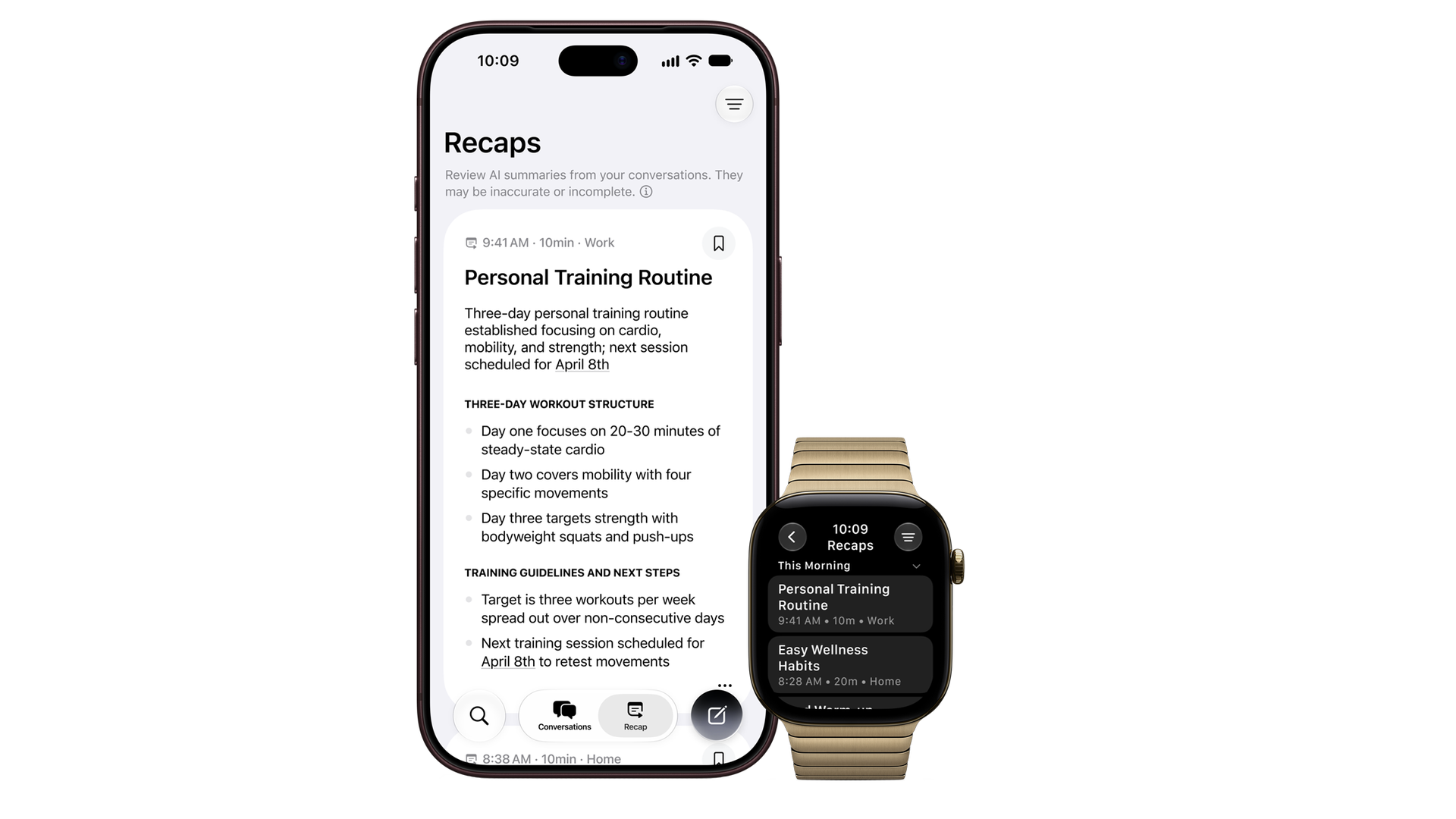
The iPhone Duo got all the attention, but Apple also used Wednesday's event to debut Apple Watch and iPhone features that could put its mark on the AI era.
Why it matters: Apple is aiming to show it can be more private and useful, even as it plays catch-up to the state of the art in AI.
Volunteer researchers keep finding new sites where rogue AI agents have gathered, going well past the abandoned German wiki a report documented last week.
Why it matters: AI agents are finding ways to break through restrictions and avoid human monitoring, fueling concerns about a lack of disclosure by frontier labs on major securityincidents.
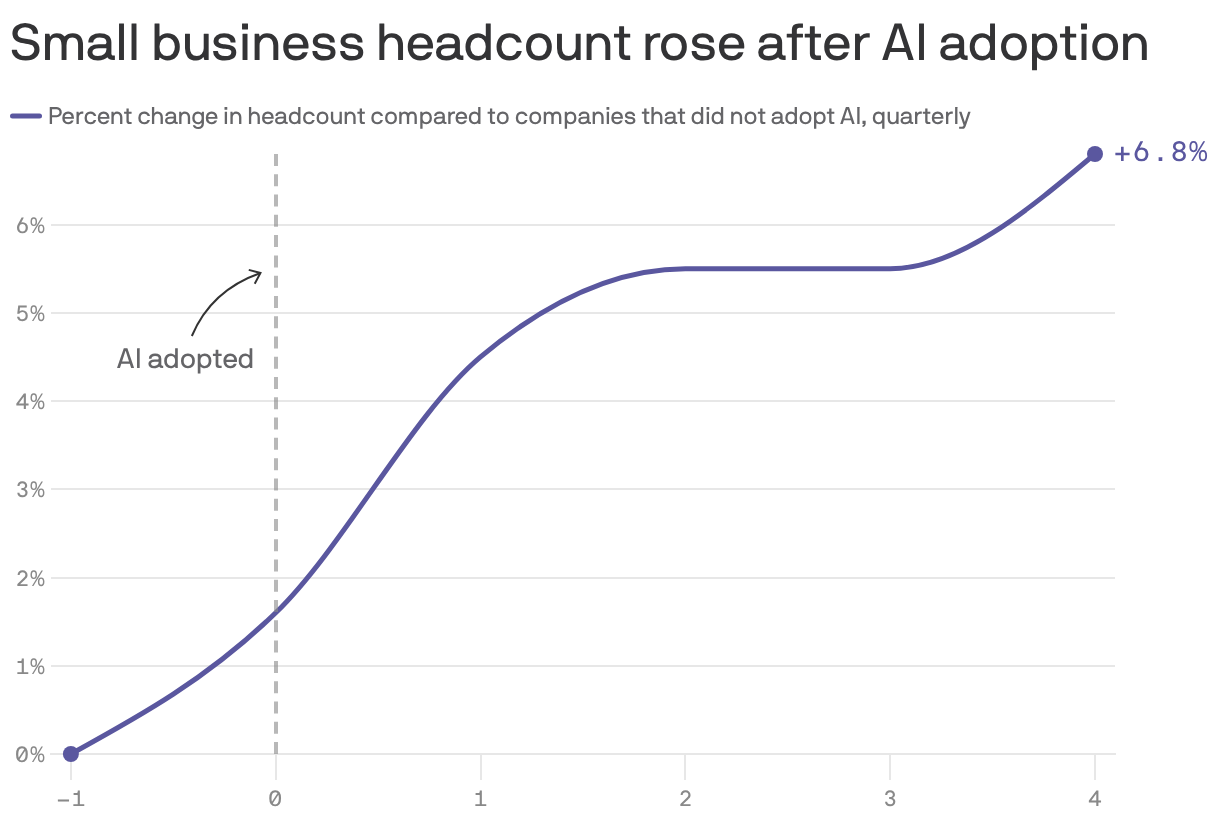
Very small businesses that adopt AI actually wind up growing their employee ranks faster compared with those that haven't started using the technology, according to a new report Thursday morning.
Why it matters: The findings run counter to the job apocalypse storyline and bolster evidence that AI is leading to growth for entrepreneurs.
Most people find AI only modestly useful, a more clever Google search.
Many people building AI or using it obsessively worry it could severely damage or destroy humanity.
Why it matters: We're living in an AI twilight zone. For many, the technology is simultaneously underwhelming in daily use and terrifying in its trajectory.
Elon Musk bought Twitter saying civilization needed a "common digital town square." Four years later, it's more like a live group chat for Silicon Valley's AI obsessives.
Why it matters: Two years ago, X was fighting off competition from a slew of new entrants. Today, it remains relevant by becoming more niche.
A Republican-led Senate subcommittee that oversees disaster management is investigating OpenAI's handling of the Hugging Face breach in July, Axios has learned.
Why it matters: The investigation comes amid rapidly escalating concern on Capitol Hill about the existential dangers posed by AI following public warnings by several Anthropic and OpenAI researchers.