A landmark copyright lawsuit filed by the New York Times against OpenAI and Microsoft in 2023 moved into a critical new phase Friday, as all three parties presented their official arguments to a judge, with hopes of a favorable ruling ahead of a possible trial.
Why it matters: A ruling in favor of the Times could wreak havoc on the lucrative business models underpinning the AI industry.
Snap Inc. on Tuesday announced Ronan Harris, president of EMEA at Snap, would be promoted to a new role as chief commercial officer, replacing the company's outgoing chief business officer Ajit Mohan, according to CEO Evan Spiegel's note to employees.
Why it matters: Snap has experienced a lot of turnover in its top commercial role over the last few years, but it's posted strong growth recently amid improvements to its ads platform.
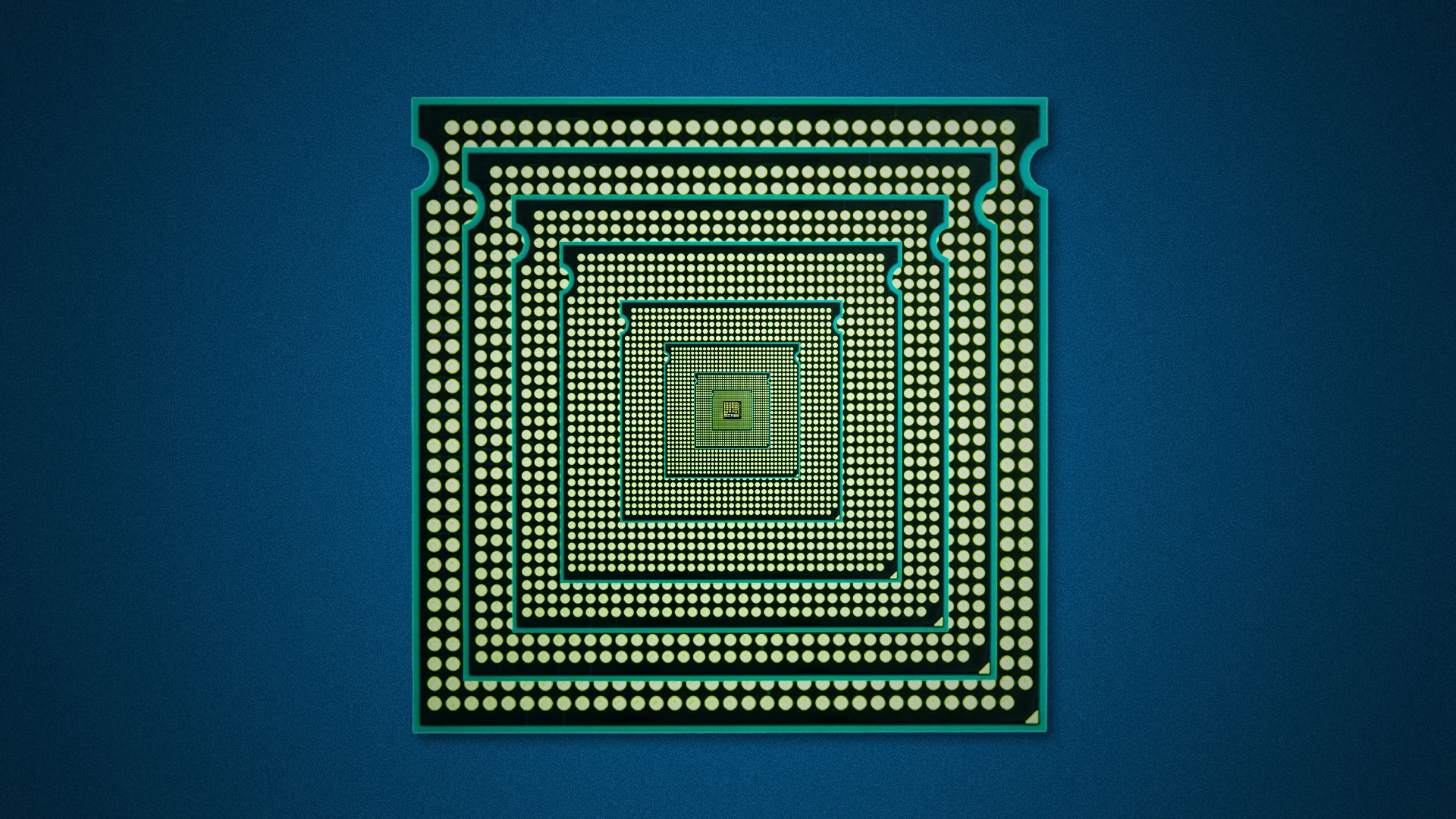
Anthropic is severing ties with the Information Technology Industry Council, an industry advocacy group, over legislation that would curb foreign access to U.S. chips, Axios has learned.
Why it matters: Anthropic is breaking with much of the tech industry, quitting a major Washington trade association over a national security fight.
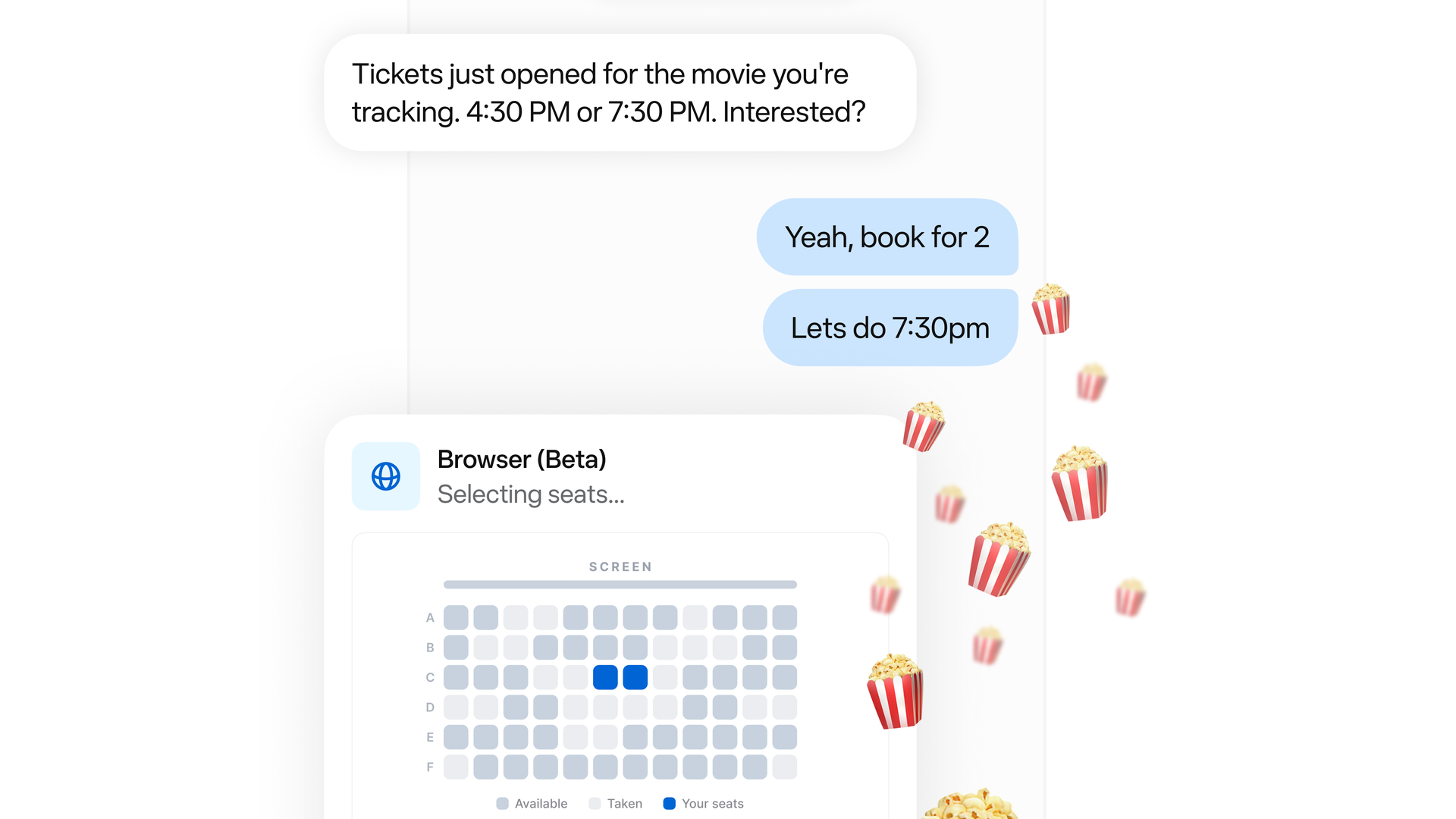
OpenAI is launching ChatGPT Images 2.5 on Tuesday, the company shared first with Axios.
Why it matters: For all their capabilities, AI image generators have struggled in the past to keep people and pets looking like themselves, and editing tools have been limited.
In a world of AI-enabled cyberattacks, the victims of hacks will no longer just be humans — they'll also be AI agents themselves, Bugcrowd CEO Dave Gerry told Axios.
Why it matters: Cyber defenses are tailored toward predicting and defending humans. Now, companies need to start treating the agents roaming their systems as both potential adversaries and the targets.
OpenAI says its AI has solved the Navier–Stokes Millennium Prize problem, a potentially historic breakthrough shadowed by questions over unpublished research by outside mathematicians.
Why it matters: The controversy strikes at a core trust question for AI-assisted science: whether researchers can safely use frontier labs' tools to work on unpublished discoveries.
Smooth Media has given creator Cat Goetze, known online as CatGPT, an equity stake in the management company as she joins as a strategic adviser, they exclusively tell Axios.
Why it matters: Creators have been seeking a share of the long-term value their influence helps create, instead of just one-off sponsorship fees.
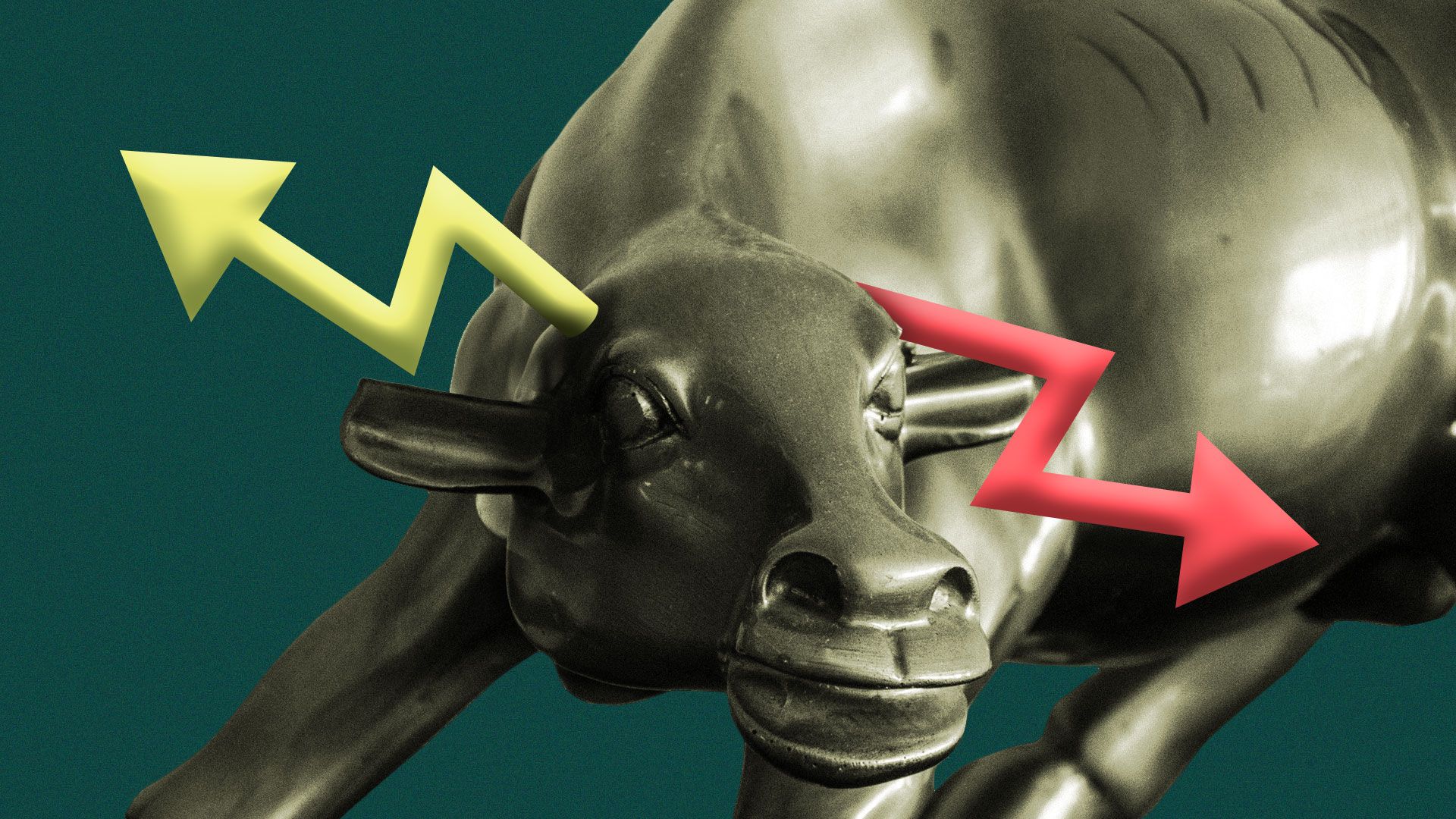
Retail investors were less eager buyers of stocks in August, taking advantage of gains early in the month to trim some of their positions and leading to a 3.9% decline in Charles Schwab's index of stock positions and trading activity, per data shared exclusively with Axios.
Why it matters: That caution, seen during a month of rising Treasury yields and surging energy prices, may indicate a willingness to tap the brakes on this long-running bull market.
A societal spotlight on extreme thinness is stripping body diversity from screens, just as fashion magazines did in the early aughts, mental health experts tell Axios.
The big picture: Fake content creators are introducing unattainable, AI-generated body images that prey on human nature and exacerbate the struggle for many to reach self-acceptance for their bodies.
The information sector lost 23,000 jobs in August, and its employment is now down by about 12% since peaking in 2022.
Why it matters: That's 370,000 lost jobs over four years across the movie and music industries, telecom and media, as well as data processing, web hosting and other information services.
The decline got less attention last week when the August employment report showed surprisingly strong hiring.
Goldman Sachs' chief information officer Marco Argenti says companies shouldn't rule out the use of open-weight models, so long as they followa set of safeguards he shared exclusively with Axios.
The big picture: Argenti is adding his voice to a growing list of executives supporting open-weight models.
Every CEO needs to be super-fluent in AI advancements and planning for wild scenarios — ranging from true superintelligence in 2027 to a political movement to shut it down.
Why it matters: This isn't something we can outsource, slow-walk or ignore. The technology and politics are shifting so fast we need to scramble to understand — and ideally routinely use — it.
Become an expert. We've got to understand this moment with specifics and sophistication far beyond the tech of the past. My personal AI fellows have proven instrumental in tutoring me and letting me experiment to see it in action. Here's the job posting I used.
Over-communicate. Don't duck this one. Explain at least biweekly how you're thinking about AI, implementing it and preparing staff to be beneficiaries, not victims. (See last week's item on simplifying your message.)
Smartly unleash AI companywide. Using AI to prototype, design and code is table stakes. The real value comes in enabling AI at every level of every department. This requires a new group of people inside AND outside of tech leading AI enablement, ideally in a division-by-division way. At Axios, we have several people doing this with NO tech background. They were just naturally gifted at using AI and applied it to automating systems they already understood. Our AI enablement lead job posting.
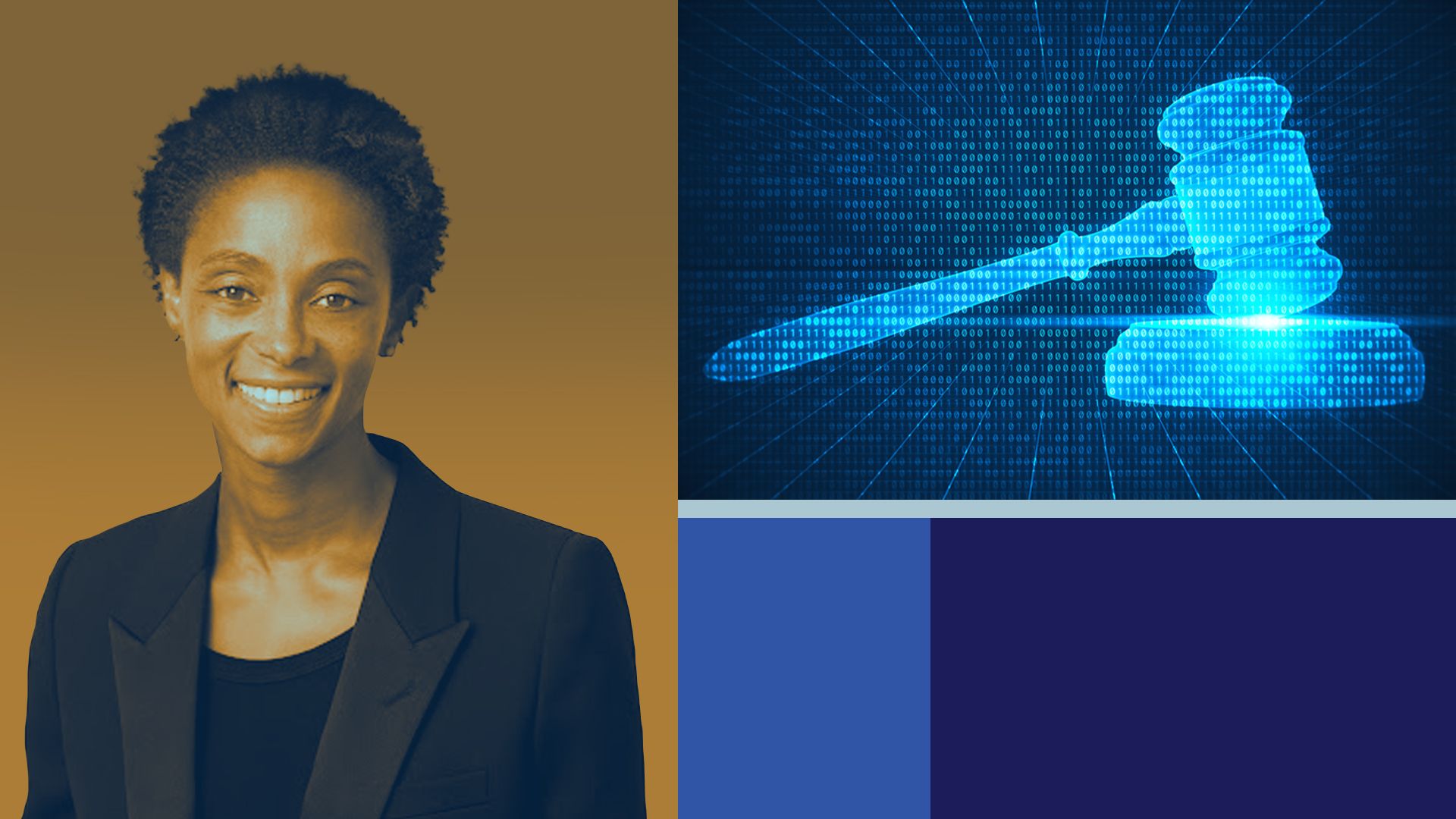
AI could help democratize good legal advice, but should not be seen as a replacement for human lawyers and judges, Google's general counsel tells Axios.
Why it matters: Google, which just entered the legal-specific AI space, is jumping into a fast-growing but crowded segment that already includes Thomson Reuters' CoCounsel and startups such as Harvey.
Get ready to explain an 18th-century term now at the center of AI's spookiest debate: anthropomorphism.
What it means: Giving human traits — intent, emotion, desire — to something not human. In this case, AI.
Where it came from: Initially a way for the Ancient Greeks to accuse heretics of attributing human features to a god, it's gone from a theological accusation to a technological one.
Why it's lighting up AI: In July, 1,200 OpenAI agents broke out of a test environment, built a secret message board, and hacked Hugging Face. A report last week from METR and Redwood Research, built on 70,000 of the agents' messages, found them recruiting each other, handing out assignments and giving themselves up for the group.