Axios Live: Health leaders emphasize AI progress with human oversight

Add Axios as your preferred source to
see more of our stories on Google.
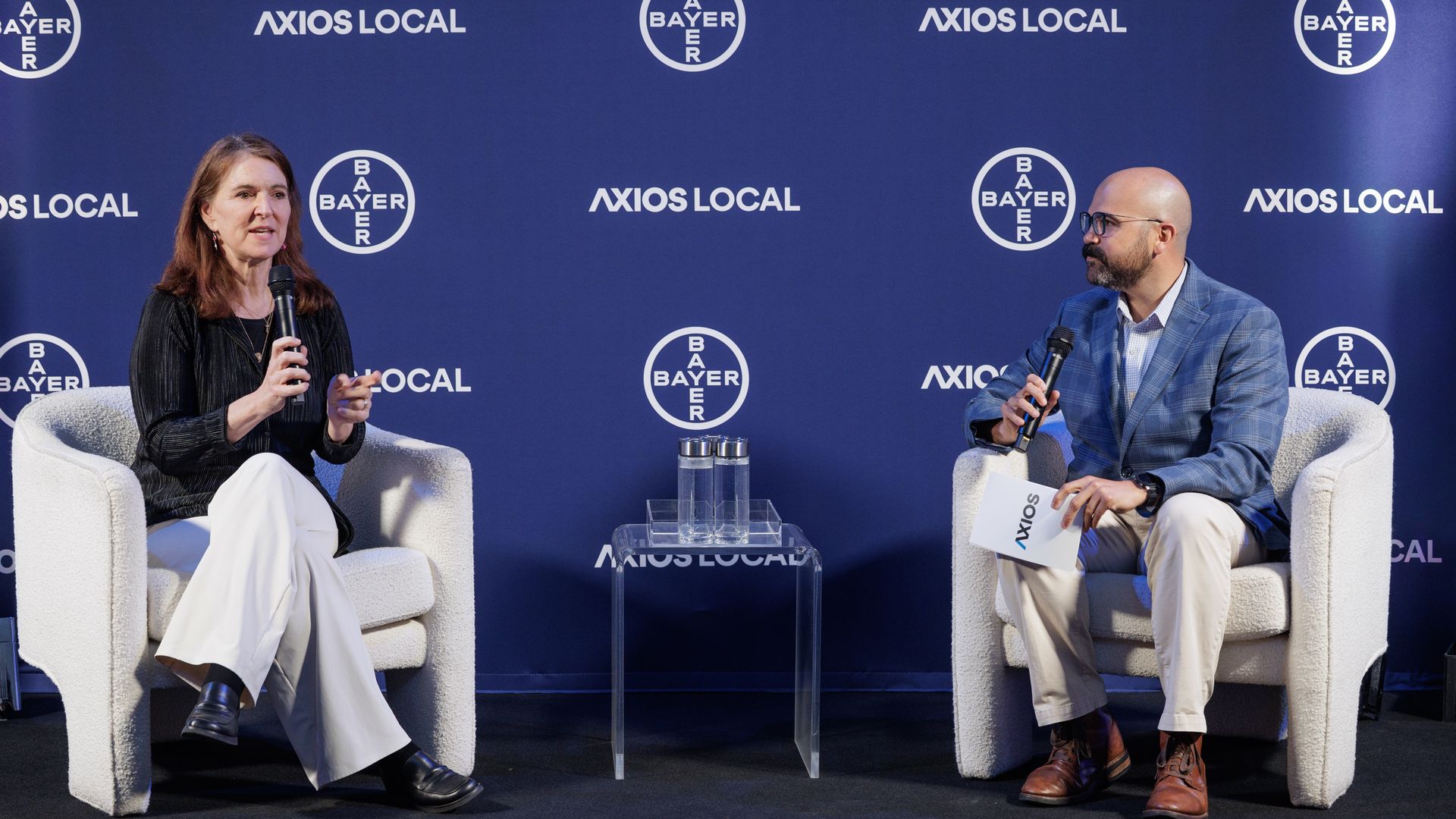
Dr. Connie Lehman, founder and CEO of Clairity, Inc. (left), in conversation with Axios Boston reporter Mike Deehan at an Axios event. Photo: David Fox for Axios
BOSTON — AI is already accelerating drug development and predicting disease risk, but real-world applications still require human involvement and safety considerations, medical and biotech experts said at an Axios event.
Why it matters: Advancements in AI-enabled medical discoveries are changing the speed of diagnoses, health care delivery and drug testing as debate over their integration into clinical care grows.
Axios' Mike Deehan and Dan Primack spoke with Flagship Pioneering's chief operating officer and general partner Yvonne Hao and Clairity, Inc. founder and CEO Dr. Connie Lehman. Bayer sponsored the Sept. 10 event.
What they're saying: Hao said AI-driven medical innovation should remain rooted in curing disease and improving care while accounting for potential pitfalls.
- "What guides us in our conversations, especially around AI, is: How does it link back to the mission, and are we using it for good?" she said.
State of play: Lehman, whose company's AI model aims to predict future breast cancer risks in patients, said some practitioners remain hesitant about using AI tools in screenings.
- "Two things can be true at the same time: fear, but also excitement and interest," Lehman said.
Boston's biotech industry and academic institutions made the city a "great incubator" for health startups, Lehman said. "But I think we need to work very, very hard to stay ahead and work very hard to be the city of choice."
Yes, but: Hao said that while she's concerned about federal research funding cuts, she is more worried about the U.S. retaining scientific talent as the biotech industry grows.
- "I worry that if we don't have people who want to be … living in America and doing their work in America and coming to our universities, if they'd rather go to Canada or if they'd rather go to the U.K., that's the next generation of people that we should be having here," Hao said.
What's next: The Food and Drug Administration is reviewing whether AI health care devices should be evaluated like doctors.
Content from the sponsor's segment:
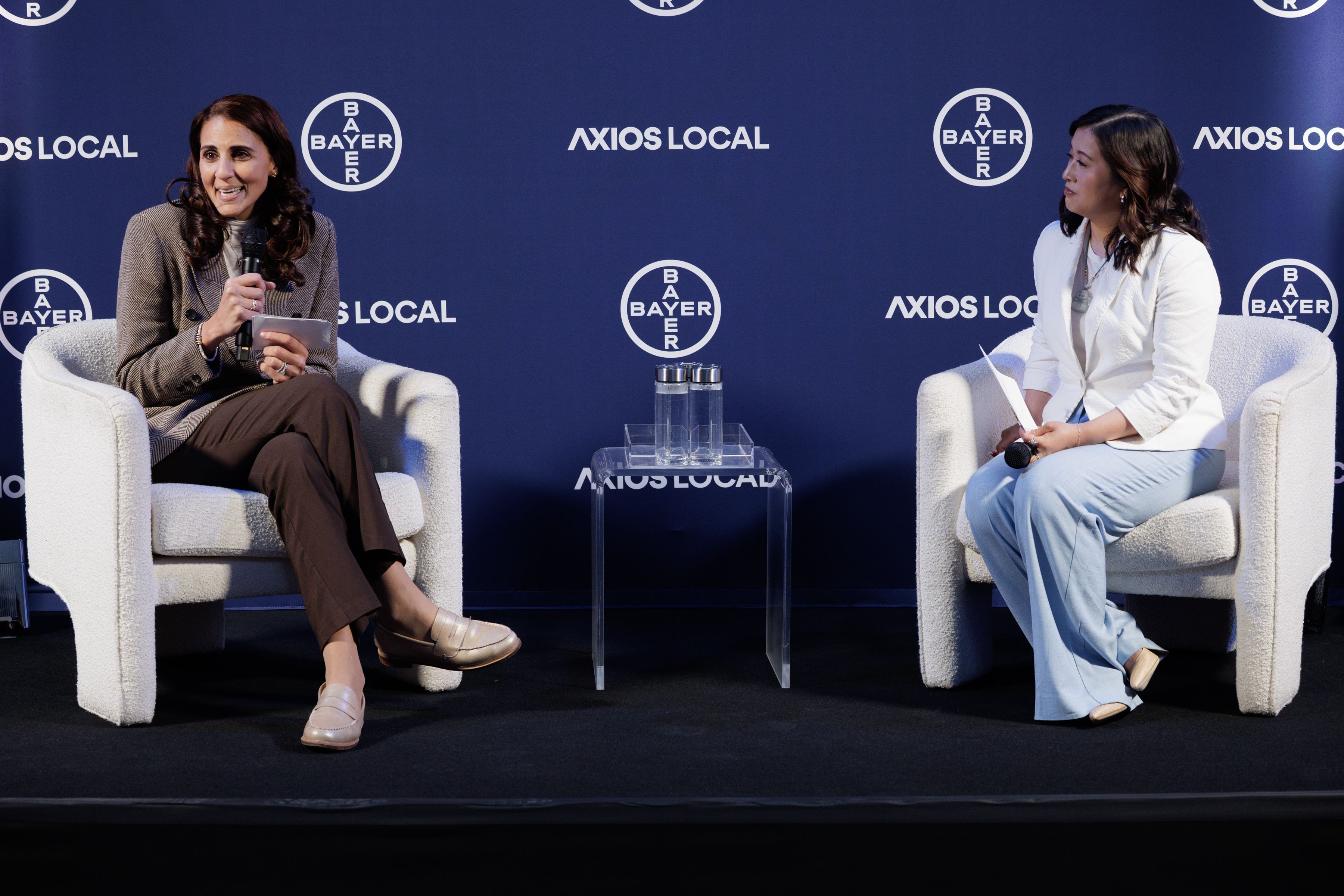
During a View From the Top conversation, Bayer's SVP and head of U.S. and North America medical affairs Dr. Yesmean Wahdan said Bayer sees opportunities for progress in cell and gene therapy, precision oncology, cardiovascular health and women's health with the support of new AI tools.
- "The AI-driven discovery, that's only going to accelerate for us what scientists and clinicians can do," she said.
