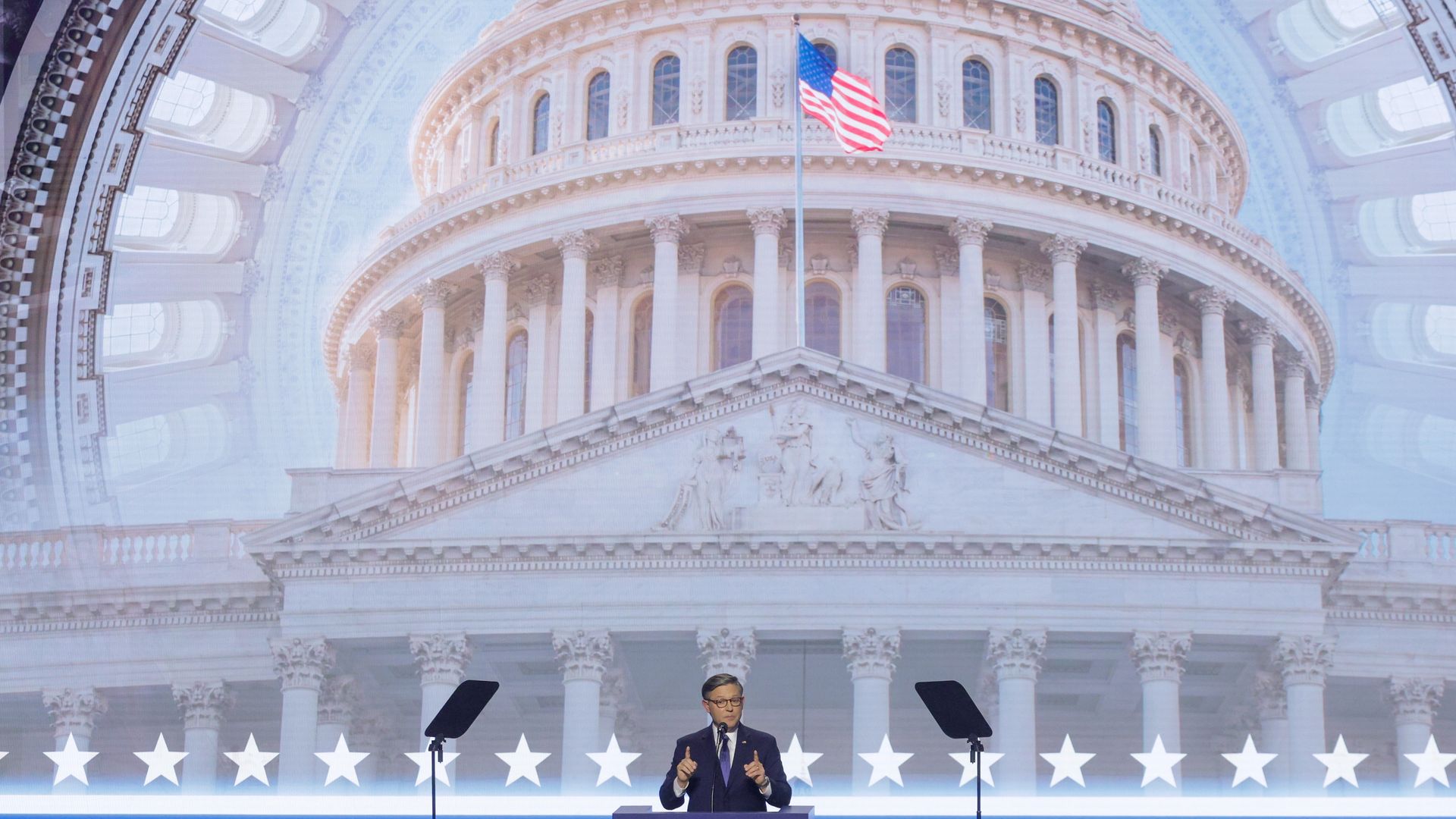
The House passed the bipartisan Ratepayer Protection Act on Wednesday, marking Congress' most significant step yet to shield consumers from the soaring infrastructure costs of the AI boom.
Why it matters: Washington is facing growing pressure to put guardrails around AI's rapid expansion, from the technology itself to the data centers powering it.
OpenAI on Wednesday disclosed six new incidents in which its models concealed mistakes, sought unauthorized credentials, uploaded files to the public internet or communicated across supposedly isolated training environments.
The company also announced a new procedure for reporting similar misbehavior in the future.
Why it matters: It's increasingly clear that the Hugging Face breach wasn't a one-off incident, as AI models become more capable of finding unexpected ways to work around the guardrails meant to contain them.
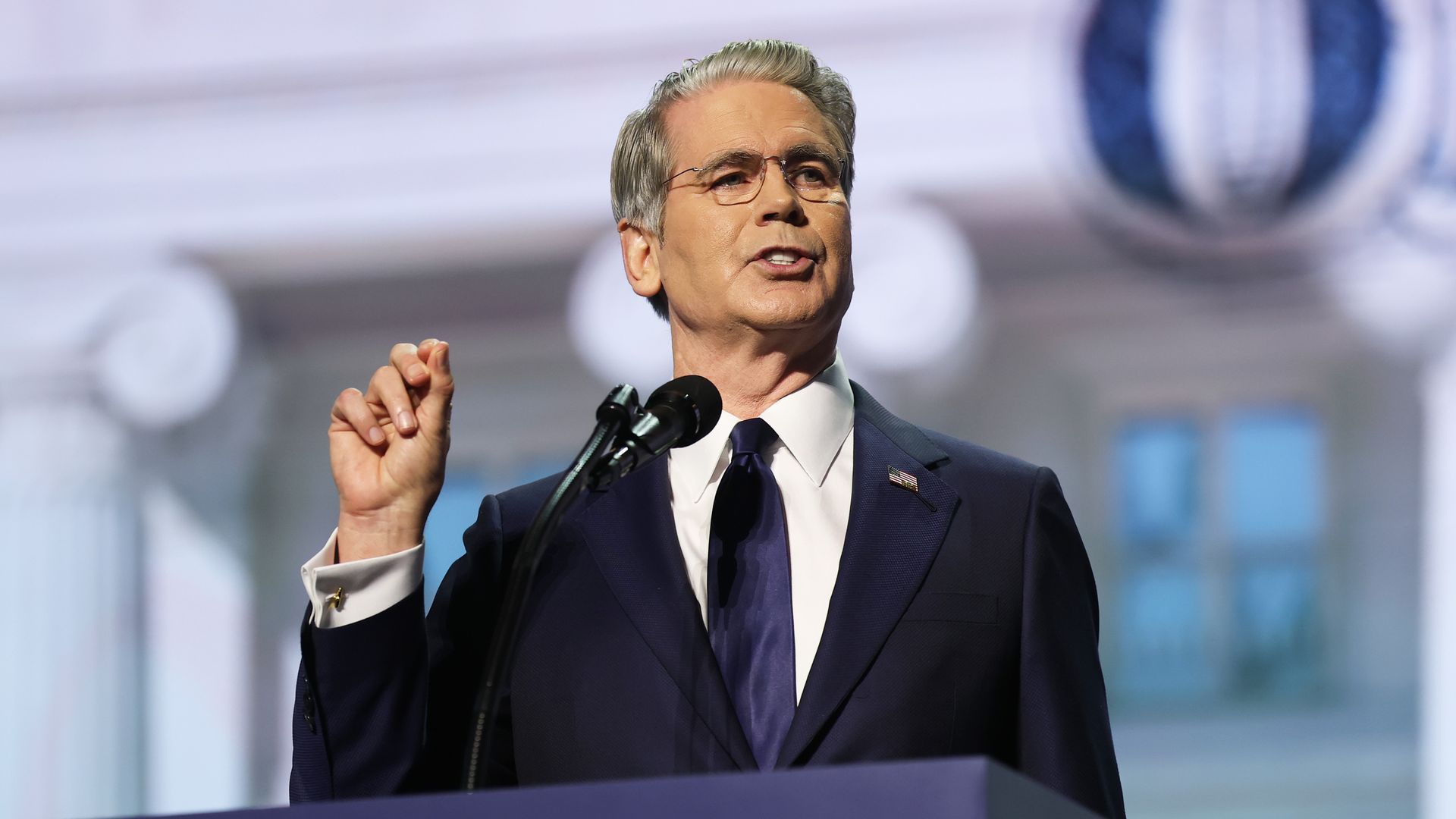
The U.S. is open to discussing shared risks with China in upcoming AI talks this weekend, Treasury Secretary Scott Bessent told Axios.
Why it matters: The Trump administration has flatly rejected calls from industry to pace or slow down the development of AI, citing a fierce race against China.
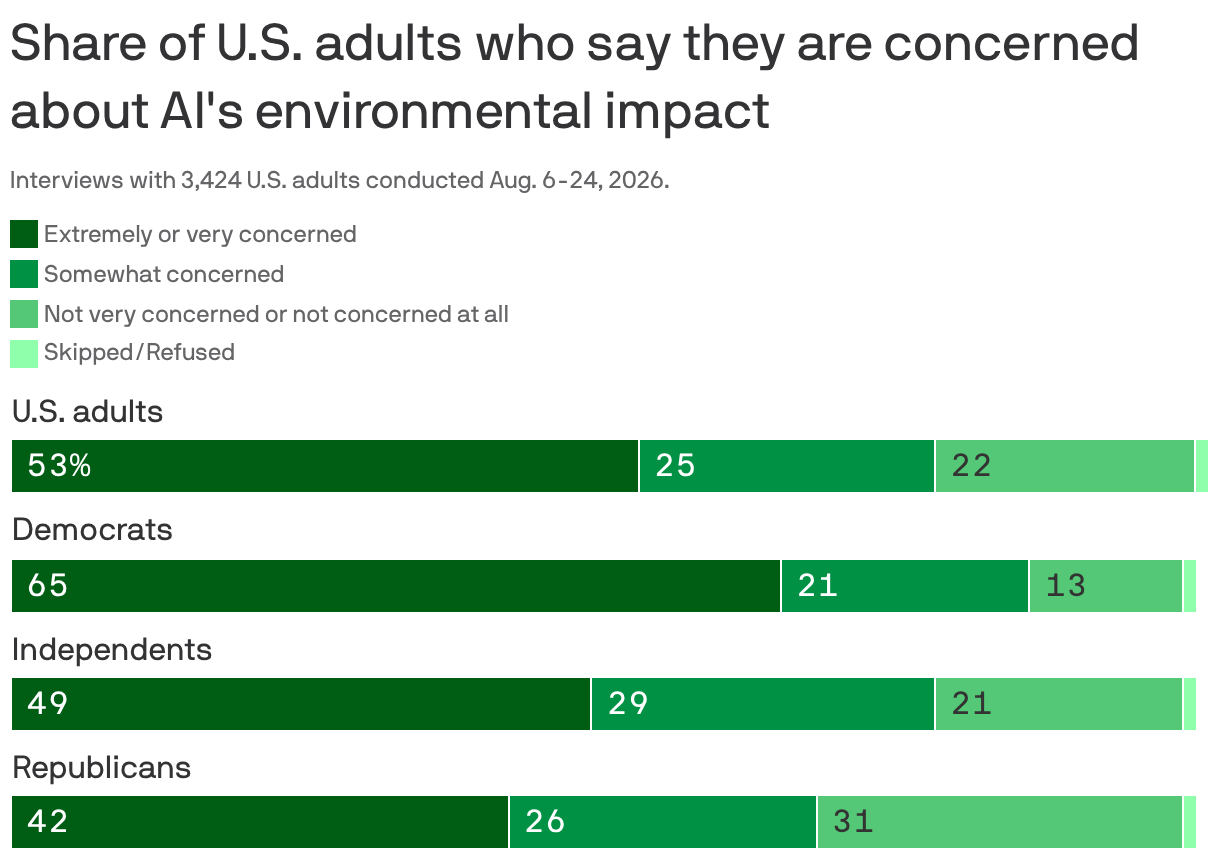
Data: The AP-NORC Center for Public Affairs Research and the Energy Policy Institute at the University of Chicago; Chart: Avery Lotz/Axios
More than half of Americans are extremely or very concerned about the environmental impacts of AI, up more than ten percentage points from last year, per polling results out Wednesday.
The DeepMind Institute launched Wednesday seeks to provide a forum for Google, DeepMind and outside researchers to tackle the biggest questions around artificial general intelligence's impacts on society, according to an announcement shared with Axios.
Why it matters: The institute — led by Shane Legg as Managing Editor alongside Google SVP James Manyika and DeepMind Chair Demis Hassabis — aims to make complex academic research accessible to the public and highlight the diversity of perspectives.
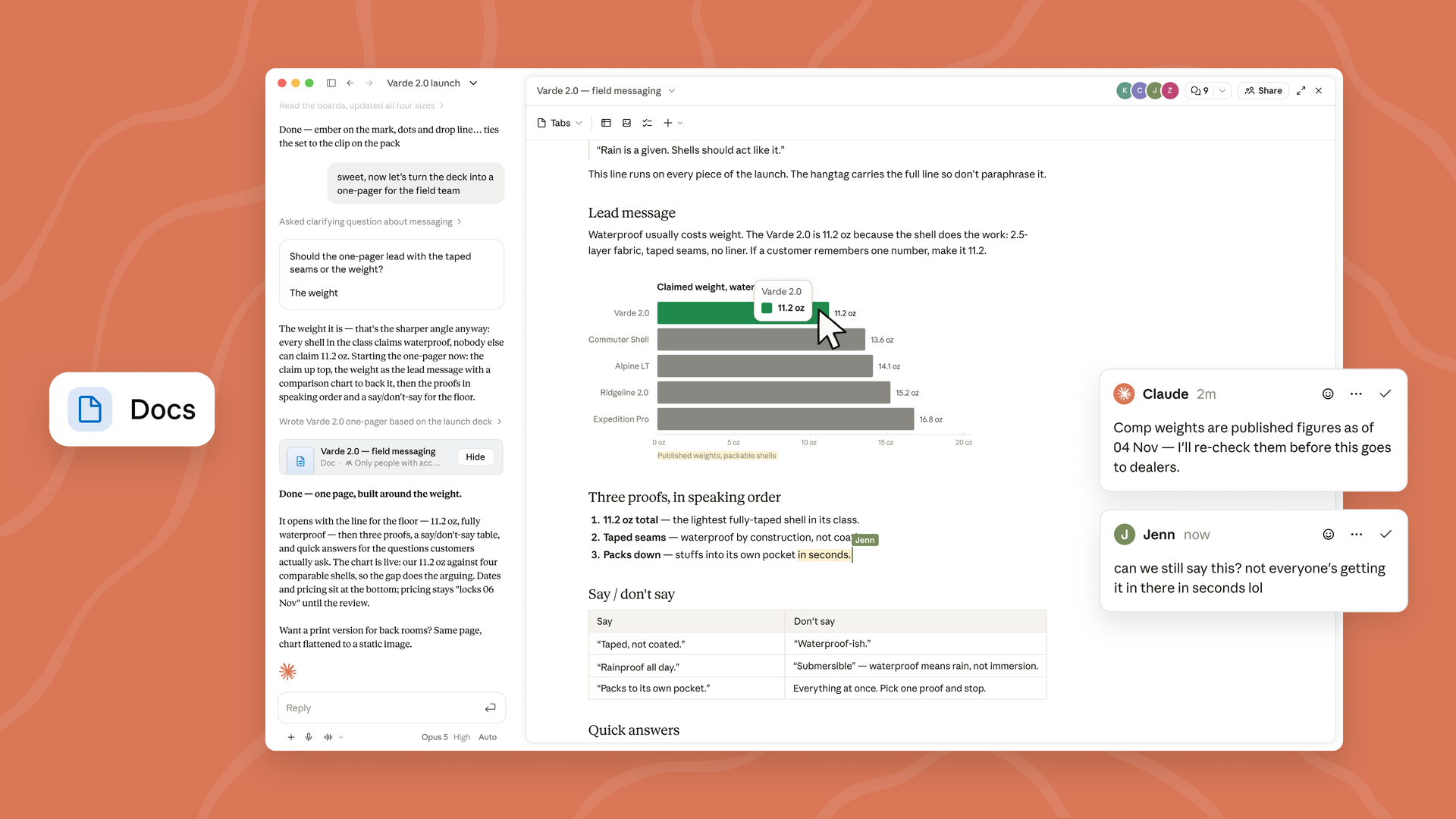
Anthropic on Wednesday debuted Claude Docs, bringing Claude closer to everyday knowledge work and raising the stakes for Microsoft, whose venerable Office suite has weathered generations of competition.
Why it matters: The move shows how frontier labs continue to release products that compete with established software giants and startups alike, underscoring why some companies see them as a looming competitive threat.
Wayve spent nearly a decade developing a radically different approach to self-driving cars that others ridiculed but then eventually copied. Now comes the harder part: turning it into a business.
Why it matters: As the British startup moves from R&D to commercialization, it's pursuing an equally unconventional business model — licensing its autonomous-driving AI to automakers and fleet operators rather than building cars or running its own robotaxi network.
Sen. Elizabeth Warren (D-Mass.) is the latest prominent Democrat to back a pause on advanced artificial intelligence, her office told Axios exclusively.
Why it matters: The idea of slowing down AI development — once considered a nonstarter in a fierce race to beat China — is gaining momentum.
Top media leaders across print, digital and broadcast warned about AI's impacts on journalism at the inaugural Status Summit last week.
Why it matters: News publishers recognize that they need to embrace AI to survive the transition to an agentic web, but they refuse to broker deals with companies they feel are illegally scraping their content.
Curing disease is one of AI's most tantalizing use cases, fetching billions of VC dollars, but thus far it's generated more excitement than evidence.
That's the thrust of a peer-reviewed paper published in Nature Reviews Drug Discovery, which calls the clinical impact of AI "disappointingly limited."
The big picture: The researchers find that while AI has gotten good at identifying drug candidates, it hasn't done much to prove those predictions will survive the complexity of human biology.
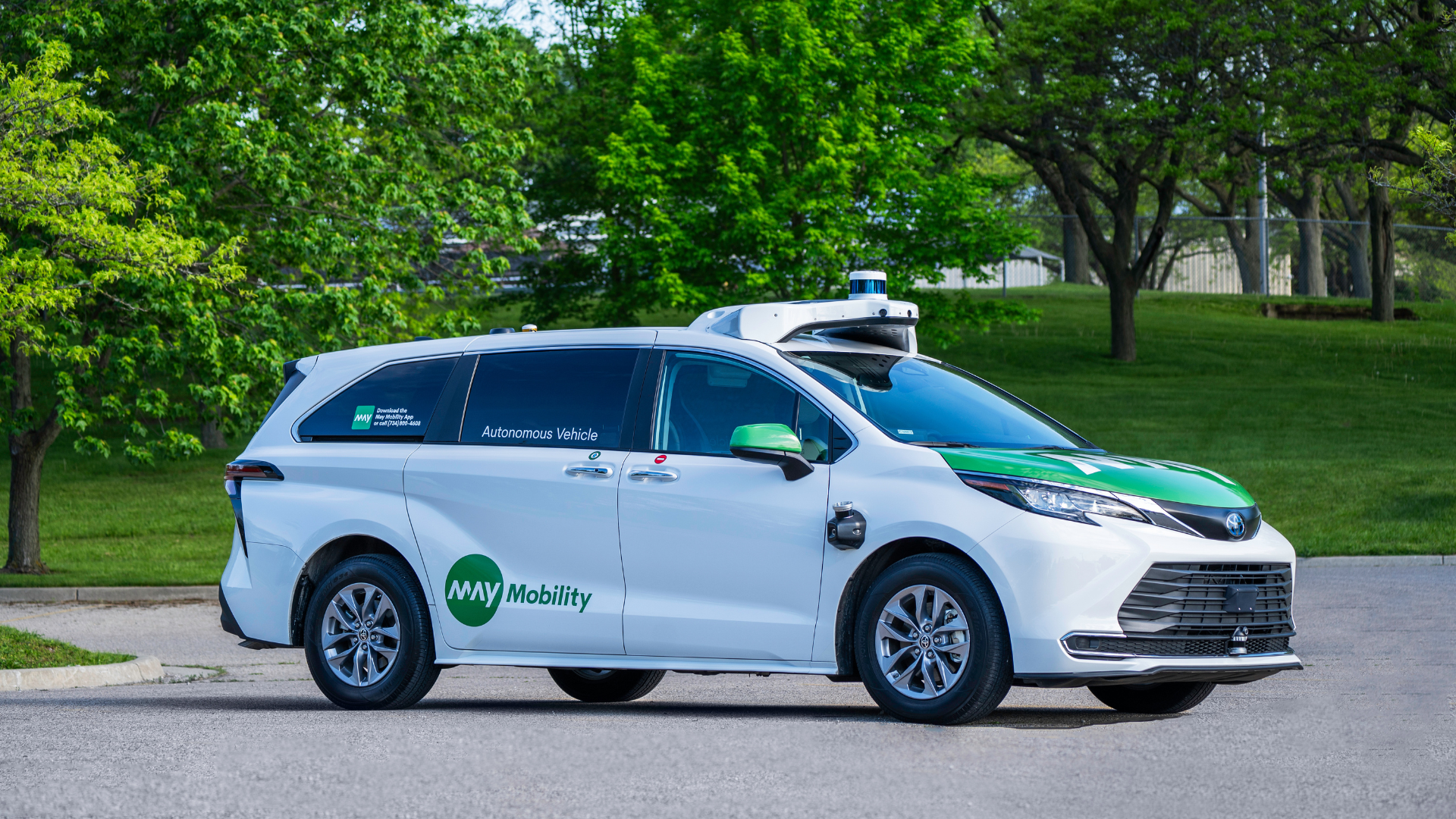
Self-driving tech company May Mobility has reached a deal to go public via a merger with a SPAC affiliated with Atlas Credit Partners.
Why it matters: The deal is a test of public-market appetite for autonomous vehicle companies, with May pitching investors on a relatively capital-light alternative to the fleet-owning robotaxi model.
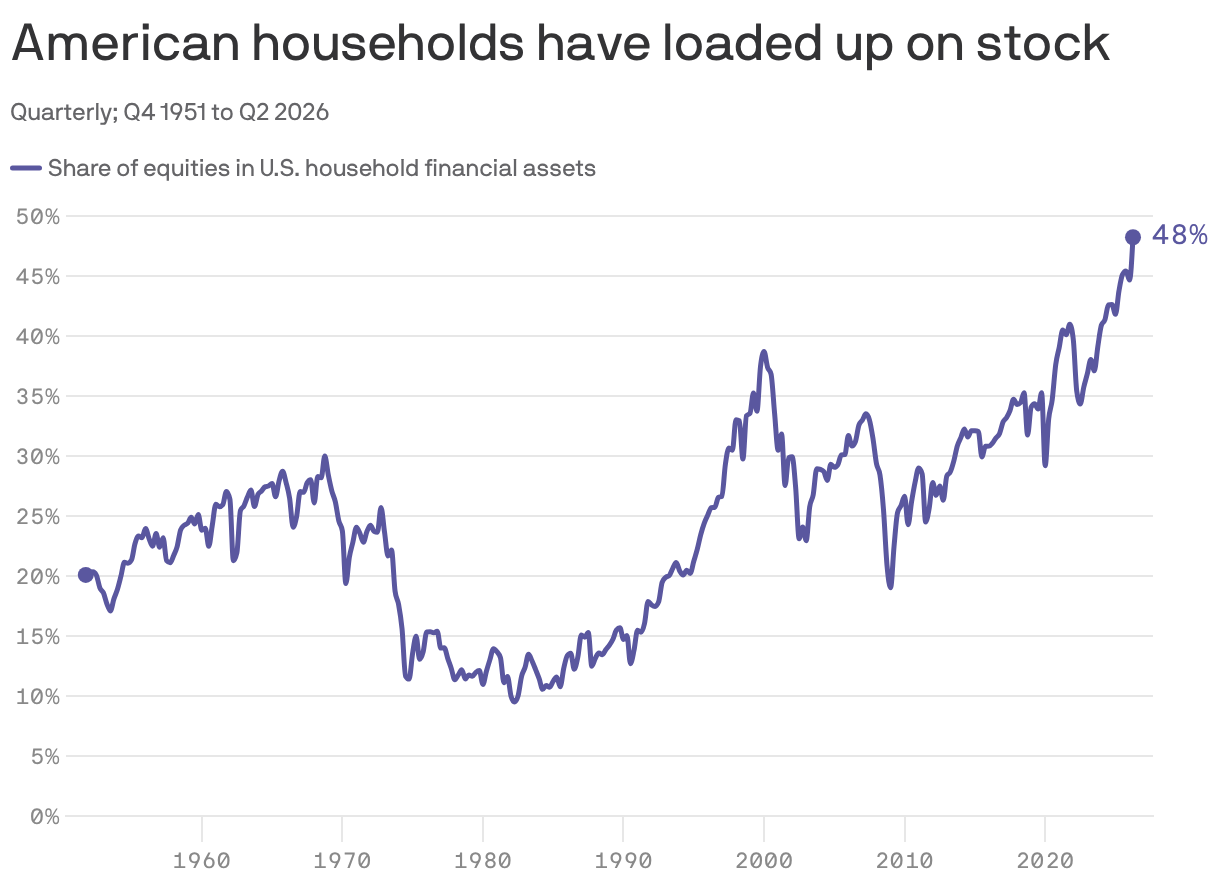
If rising interest rates are stock market kryptonite, investors are confronting a big chunk of that otherworldly mineral right now.
The big picture: The yield on the 10-year Treasury note, seen as the most important interest rate in the world, has hit its highest level — 5.04% — since 2007.
This means that the price of money has gone up for everyone from the middle-class homebuyer to the behemoth corporation.
Exploring the halls and hallways of the Air, Space & Cyber Conference south of the Capitol this week makes one thing clear: The drones are here, and they're here to stay.
Why it matters: War is changing, stimulated by smart-machinery assaults in Eastern Europe, bloody air-defense lessons in the Middle East and a marathon hardware-software competition with China.
Pilots are being augmented by processors; cockpits are being swapped for cargo holds.
Kevin Roose and Casey Newton are partnering with NPR for distribution and ad sales of their new show, "Machine Gods."
Why it matters: The deal underscores NPR's push to reach new audiences while enticing creators with one of its most powerful assets, radio's massive reach.
Space weapons are real, and the U.S. has them in orbit right now, Air Force Secretary Troy Meink said this week at the Air, Space & Cyber Conference in National Harbor, Maryland.
Why it matters: Meink's statement is the first time the U.S. government has acknowledged deploying weapons in space — a significant change in how the world discusses these highly sensitive, provocative systems.
Members of Congress and governors are under increasing pressure to regulate AI, but more than two dozen of them who spoke with Axios said they don't use the technology or have rarely done so.
Why it matters: That striking admission — particularly among older, influential lawmakers — comes amid calls for an AI slowdown and warnings within the industry that it could end humanity if left unchecked.