Friday's technology stories


Axios Live: U.S. market changes fuel debate over financial safeguards
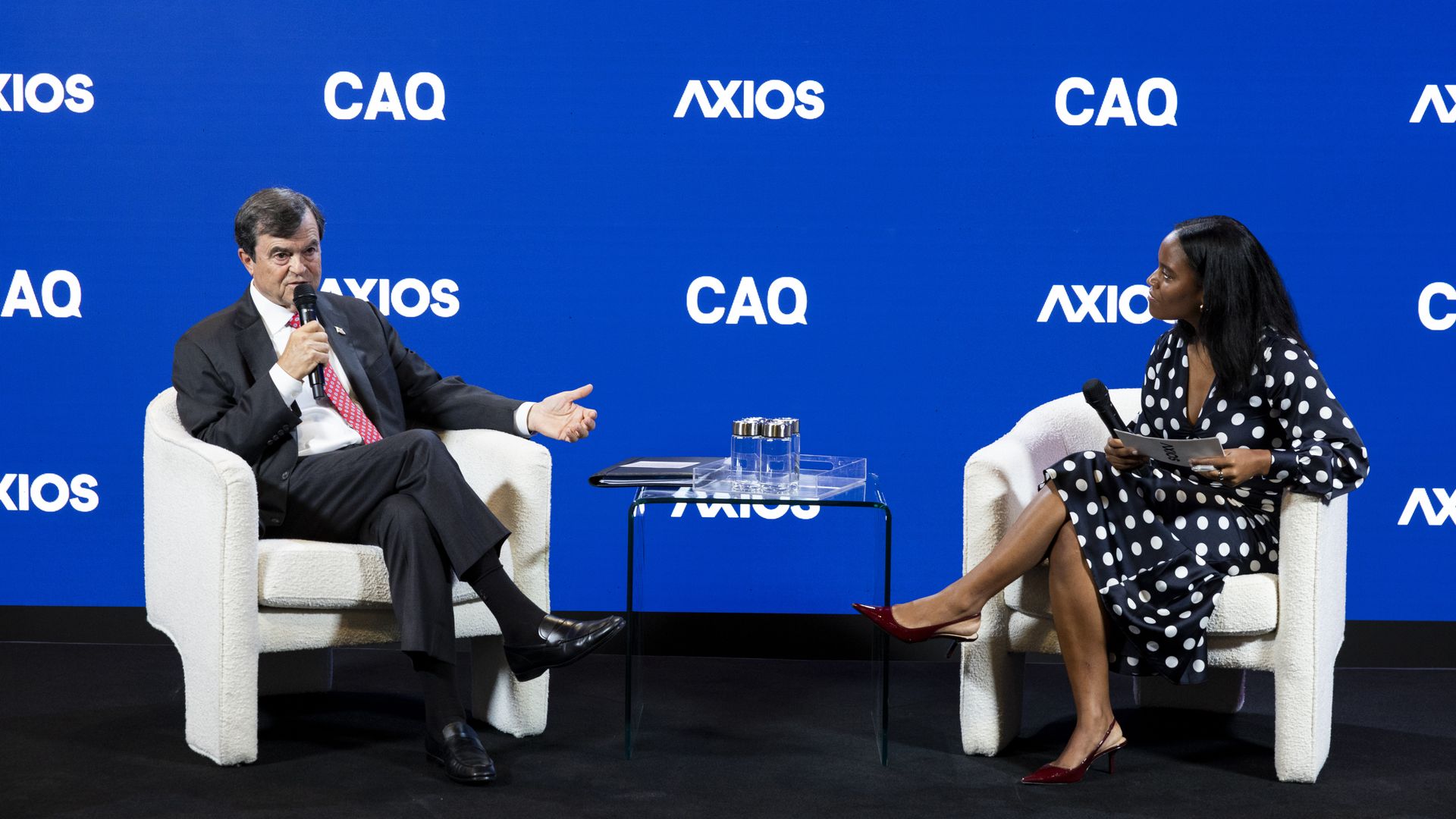
WASHINGTON — Proposed changes to ease corporate reporting rules and the growing use of AI are fueling a broader debate over what safeguards are needed to maintain trust in the U.S. financial markets, financial reform and regulatory experts said at an Axios event.
Why it matters: Federal regulators, lawmakers and advocates are debating how much oversight is needed — and what form it should take — amid significant deregulation efforts.
Axios' Courtenay Brown spoke with Better Markets co-founder, president and CEO Dennis Kelleher and Public Company Accounting Oversight Board chair Jim Logothetis. The Sept. 16 event was sponsored by the Center for Audit Quality.
What they're saying: Kelleher raised concerns about a proposed Securities and Exchange Commission rule change, which would eliminate quarterly reporting requirements, potentially undermining public confidence in the financial system.
- "I think the implications for investors, markets and our capital system is actually pretty serious, and people should pay attention to it," Kelleher said.
- Logothetis said less-frequent reporting would not be "that big of a deal" for his organization, which oversees auditing of U.S. public companies.
AI's integration across industries, including auditing, still warrants human expertise to effectively use the technology, Logothetis said.
- "An audit is part science and part art," he said, but the art piece "involves professional skepticism, it involves judgment."
- Kelleher called for a "people-centered AI agenda" and warned against pursuing "a profit-maximization AI agenda," criticizing the Trump administration's hands-off approach to AI.
Zoom in: Debate over financial oversight also extends to crypto. The Clarity Act, a bill aimed at establishing a clearer regulatory structure for the sector, failed to advance in a procedural Senate vote this week.
- Kelleher, who has criticized the legislation backed by President Trump and the crypto industry, said the sector requires more robust guardrails, "not phony regulation, which is what the industry is proposing."
Content from the sponsor's segment:
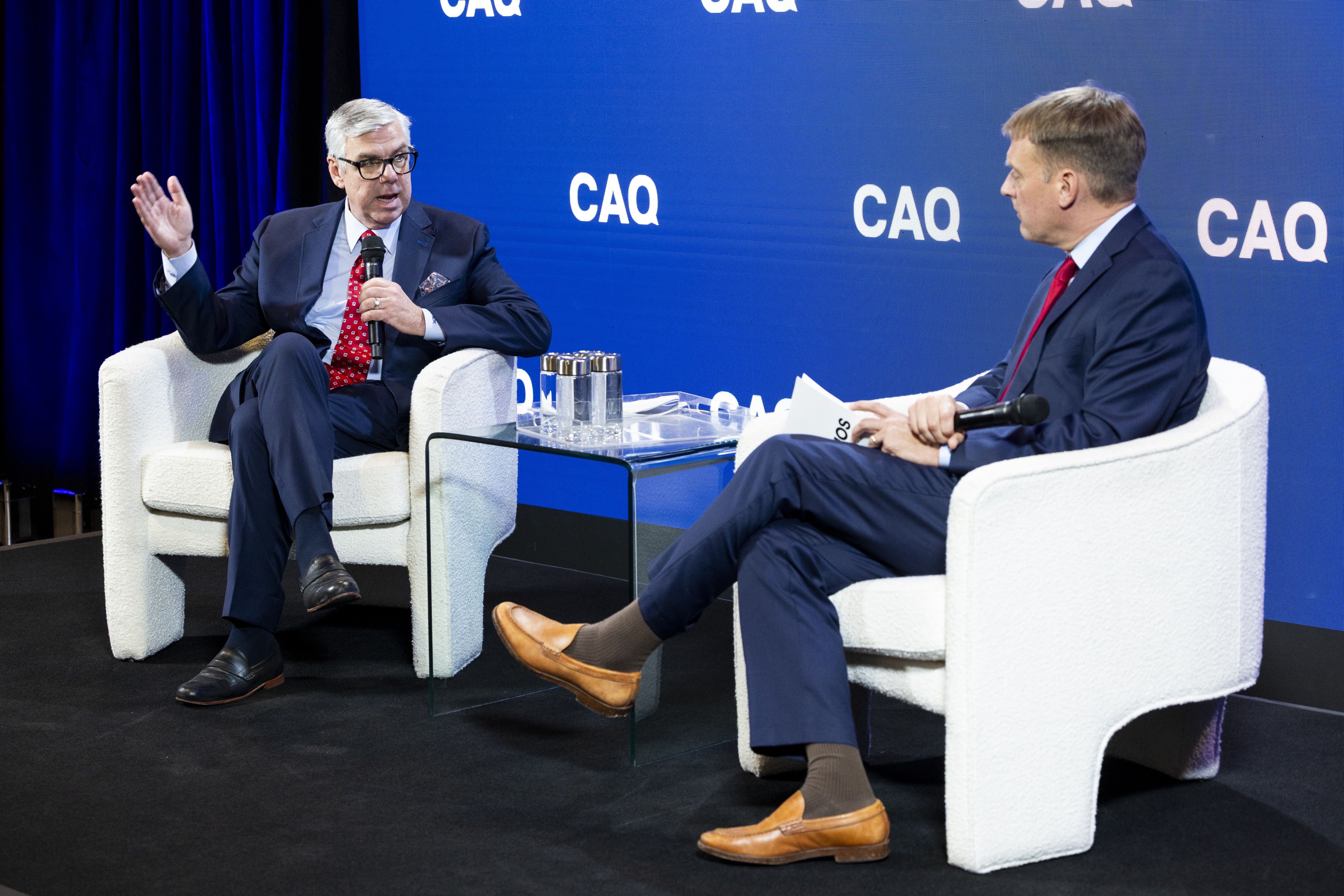
During a View From the Top conversation, president and CEO of the American Institute of CPAs Mark Koziel said using AI in auditing requires another layer of human oversight to ensure accuracy and public trust.
- "We could trust AI to a degree, but that verification will always still need to take place," Koziel said.





Axios Live: The fight over who pays for AI's power boom
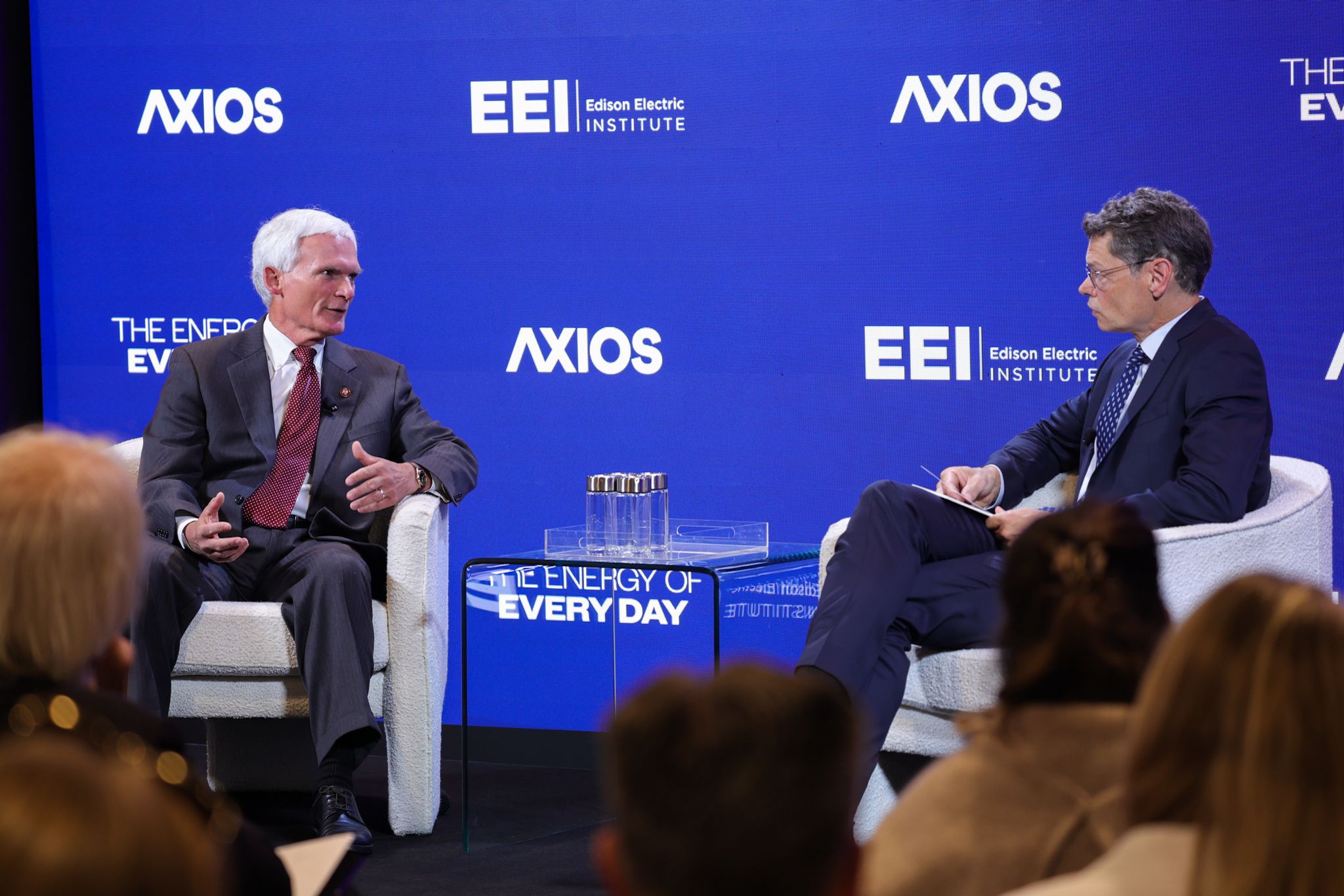
WASHINGTON — Lawmakers agree that consumers shouldn't fund the massive power needs of AI data centers. They're less aligned on whether Congress will actually stop that from happening.
Why it matters: The AI boom is colliding with an aging grid and long waits for new power projects — forcing policymakers to figure out how to add power fast without sticking households and businesses with the bill. Data centers are also emerging as one of this midterm cycle's most volatile political issues.