The Trump administration on Thursday released guidance for federal agencies to try to ensure that the AI models they procure are not spitting out "woke" responses.
Why it matters: Company contracts with the federal government could be at risk if large language models are seen as violating the White House's guidelines.
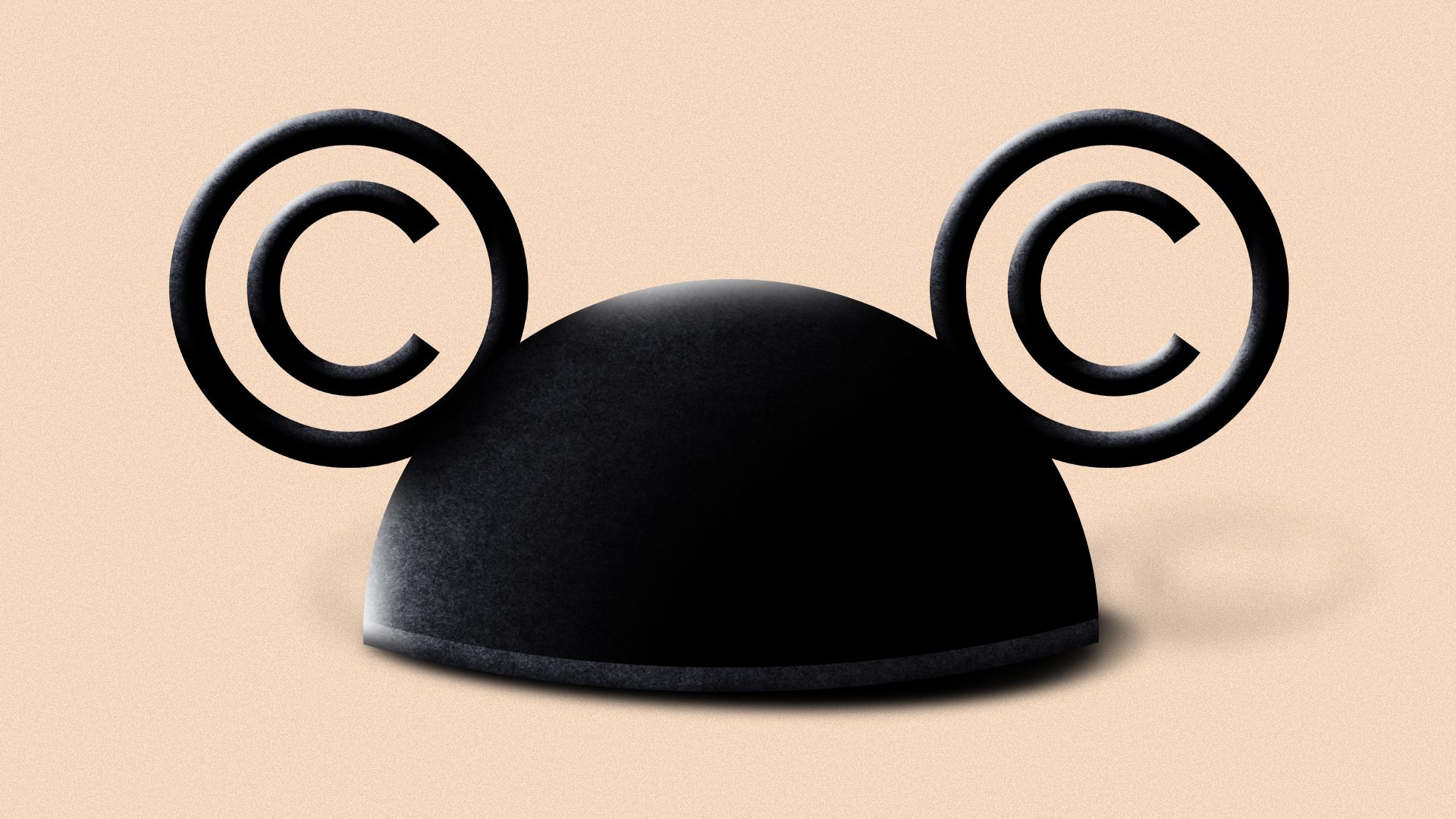
Disney has entered the AI age — but under a new agreement between Walt Disney Company and OpenAI, there are guardrails on how Sora users can get creative with the entertainment giant's classic characters.
Why it matters: Disney's move to solidify itself as thefirst major content licensing partner on Sora marks a stunning endorsement of AI-generated content — and signals Disney's openness to "responsible" use of the emerging tech.
New York Gov. Kathy Hochul (D) has proposed significant changes to an AI bill that would mandate transparency measures from frontier AI companies, per sources who have reviewed them.
Why it matters: States are increasingly the venue of intense tech lobbying as they get more active on regulating AI, at the same time that President Trump pushes ahead with plans to stop them with an executive order.
Paramount had to make a key change during the process of bidding for Warner Bros Discovery — explicitly promising that its foreign partners and Jared Kushner's fund wouldn't have any voting or governance rights, according to sources familiar with the bidding process.
It ended up losing out to Netflix anyway, leading to this week's hostile bid.
Why it matters: It's one of a few changes Paramount made, ultimately unsuccessfully, to help address concerns from WBD's board, sources said.
MAGA populists are making a last-minute bid to shape President Trump's promised executive order targeting state AI laws, pitching two draft proposals to the White House this week.
Why it matters: Republicans are split on regulating AI, but with President Trump pursuing aggressive action to boost the industry some conservatives are desperately trying to intervene.
The Walt Disney Co on Wednesday sent a cease-and-desist letter to Google, alleging the tech giant has been infringing on its works to train and develop generative AI models without compensation, according to a copy of the letter obtained by Axios.
Why it matters: The letter puts copyright pressure on Google, which to date has been less aggressive about striking partnerships with copyright owners than some peers like OpenAI.
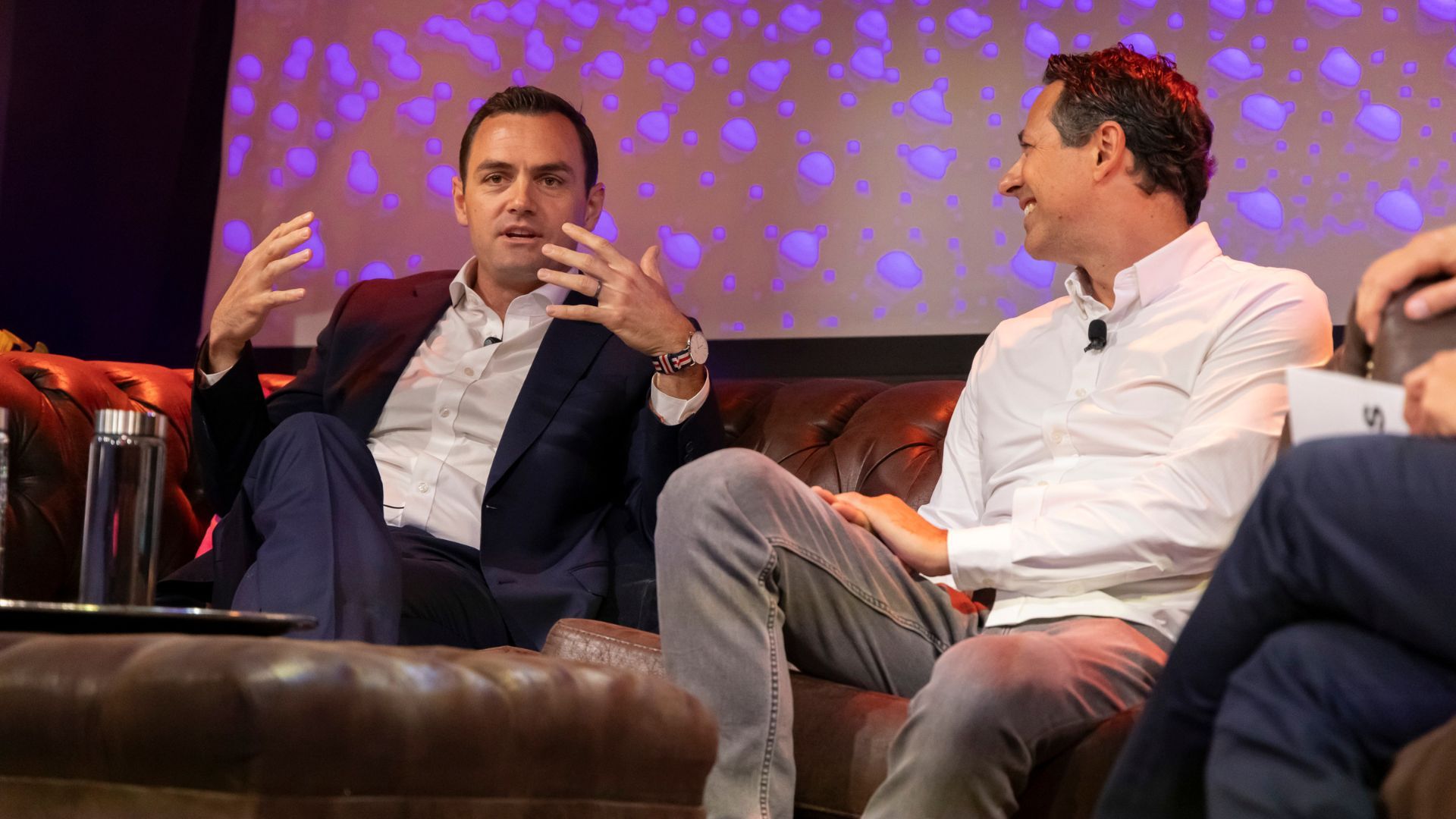
Axios Publisher Nicholas Johnston sat down with Ron Ash, Accenture Federal Services CEO, and Mike Gallagher, former U.S. Congressman and Palantir Technologies' Head of Defense. The conversation unpacked how the federal government can move faster to adopt AI to solve their problems — and why the human element may be the key to unlocking AI's full potential.
OpenAI on Thursday announced GPT-5.2, just a month after its last ChatGPT update and amid intense competition from Google's Gemini 3.
Why it matters: The update follows reports of a "Code Red" scramble inside OpenAI and highlights the intensely competitive nature of the chatbot market.
The chair of the New Democrat Coalition's AI Task Force is pushing tech companies that have laid off workers to detail how AI factored into those decisions, according to a letter shared first with Axios.
Why it matters: Layoffs are fueling anxiety about AI, but policymakers lack quality data to understand the impact of the technology on the workforce.
Disney's landmark agreement with OpenAI comes as a slew of new lawsuits and cease and desist letters add pressure on AI firms to strike deals with content companies before they're forced to possibly pay out higher settlements in court.
Why it matters: Content companies have been racking up notable legal wins against AI firms as they present strong cases around fair use.
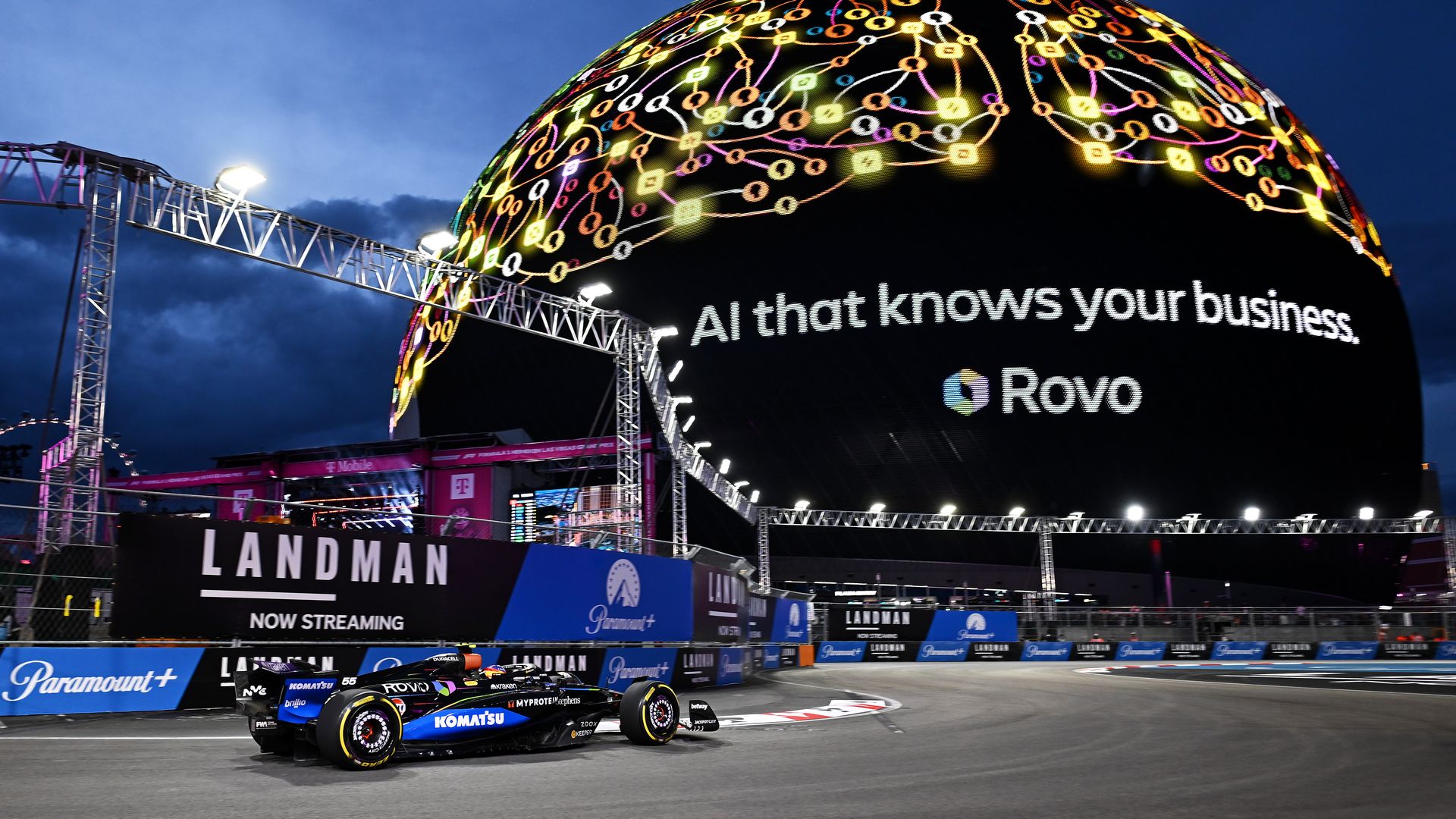
The story: As the saying should go: Viva Las Rovo.
At the 2025 Las Vegas Grand Prix, Atlassian Williams Racing didn't just show up with Carlos Sainz Jr. and Alex Albon — they brought their AI-powered teammate Rovo, built to think fast, surface insights faster and keep teams firing on all cylinders.
Walt Disney has reached an agreement with OpenAI that will make the company the first major content licensing partner on Sora, OpenAI's social video platform.
Why it matters: It's a huge endorsement of AI-created content from one of the biggest media companies in the world.
The estate of a woman killed by her own son after months of conversations with ChatGPT filed a wrongful death lawsuit against OpenAI, Microsoft and Sam Altman in San Francisco Superior Court Thursday.
Why it matters: This grisly case is the latest in a mounting pile of legal and accountability problems for the AI giant, as questions grow about the safety and efficacy of chatbots.
Pinterest has agreed to acquire tvScientific, a connected television (CTV) advertising platform that automates and optimizes ad buying for marketers, executives told Axios.
Why it matters: The deal will help expand Pinterest's advertising business by bringing its user base of high-intent shoppers to tvScientific's CTV clients.
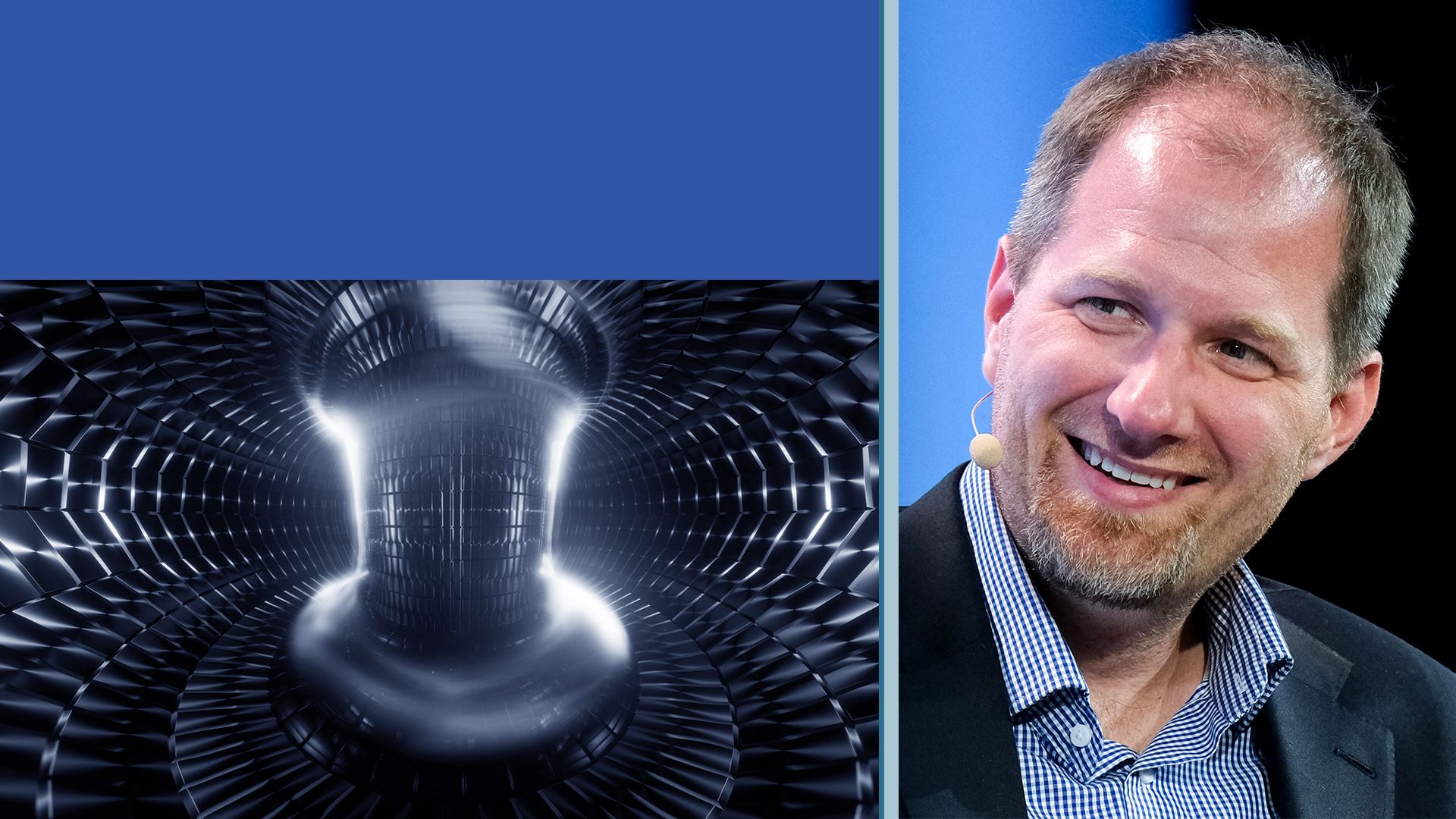
Commonwealth Fusion CEO Bob Mumgaard often discusses the technical complexities of fusion — but increasingly he's talking about building the sites to make it happen.
Why it matters: Commonwealth is one of the preeminent companies in the decades-long effort to harness the energy that powers the sun.
JPMorganChase is launching a new $1.5 trillion, 10-year plan to strengthen industries vital to America's national security and economic resilience — from critical minerals to semiconductors and strategic technologies like cybersecurity and AI.
Why it's important: The Security and Resiliency Initiative comes at a time when the U.S. is looking to modernize infrastructure, shore up supply chains and implement policies that promote growth.
The initiative will help create economic development, innovation and jobs in America.
Three out of four U.S. companies in AI, cybersecurity and advanced manufacturing report that they struggle to find qualified talent.
Why it's important: There's an urgent need to strengthen the talent pipeline for these industries as labor shortages grow. Without a strong talent pipeline, the country risks falling behind on AI innovation, energy independence and more.
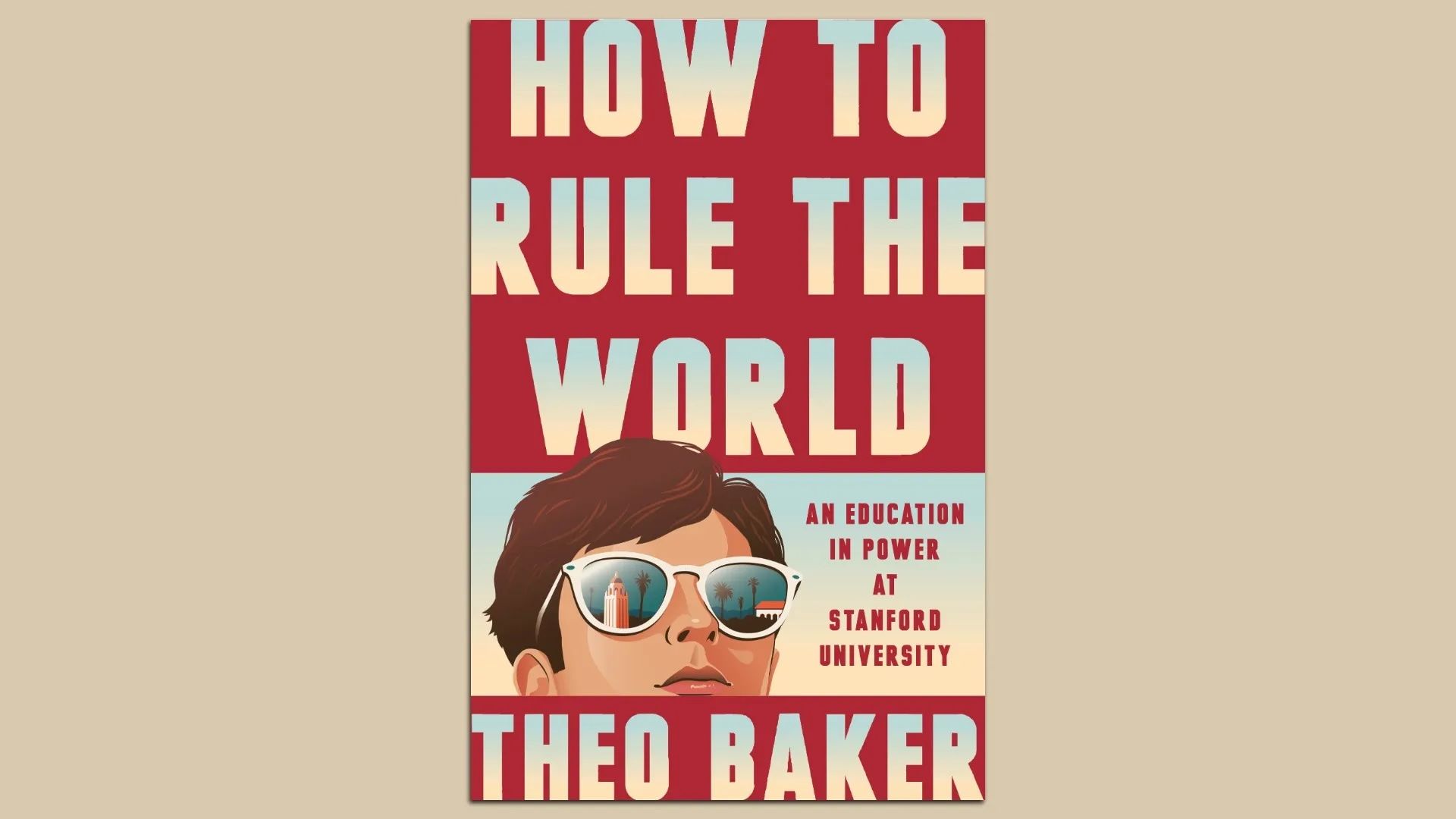
Theo Baker— a Stanford senior whose investigative reporting for The Stanford Daily brought down the university president two years ago — will be out next spring with an exposé of shady ways Silicon Valley uses the prestigious school as a recruiting pool, plying kids with riches and access.
Why it matters: Baker conducted 250+ interviews with students, CEOs, venture capitalists, Nobel laureates, scientific sleuths, professors, athletes, three Stanford presidents and three Stanford provosts — from OpenAI CEO Sam Altman to Condoleezza Rice, former Secretary of State and now director of Stanford's Hoover Institution.
U.S. travel destinations and businesses are facing another potential setback after the Trump administration proposed requiring international travelers make their social media accounts available for inspection before gaining entry to this country.
Why it matters: The American hospitality industry is already feeling the effects of declining international travel, thanks to economic uncertainty, political blowback and tighter immigration restrictions.
Some of the world's biggest startups — including two AI darlings — have signaled possible IPOs next year, blockbuster offerings that would mint some $3 trillion worth of new public companies.
Why it matters: These companies generate little or no profit yet carry towering valuations. An AI-obsessed market that's happy to overlook all that risks repeating the mistakes of the dot-com era.
Economic growth in the U.S. is expected to decline over the next decade, but there's a bright spot: AI, according to new projections from The Conference Board out Thursday morning.
Why it matters: While fears of AI causing sweeping job loss are driving mass anxiety at the moment, the report offers a more nuanced perspective.
A growing economy is important for a raft of reasons — it creates jobs, raises living standards and brings innovation.
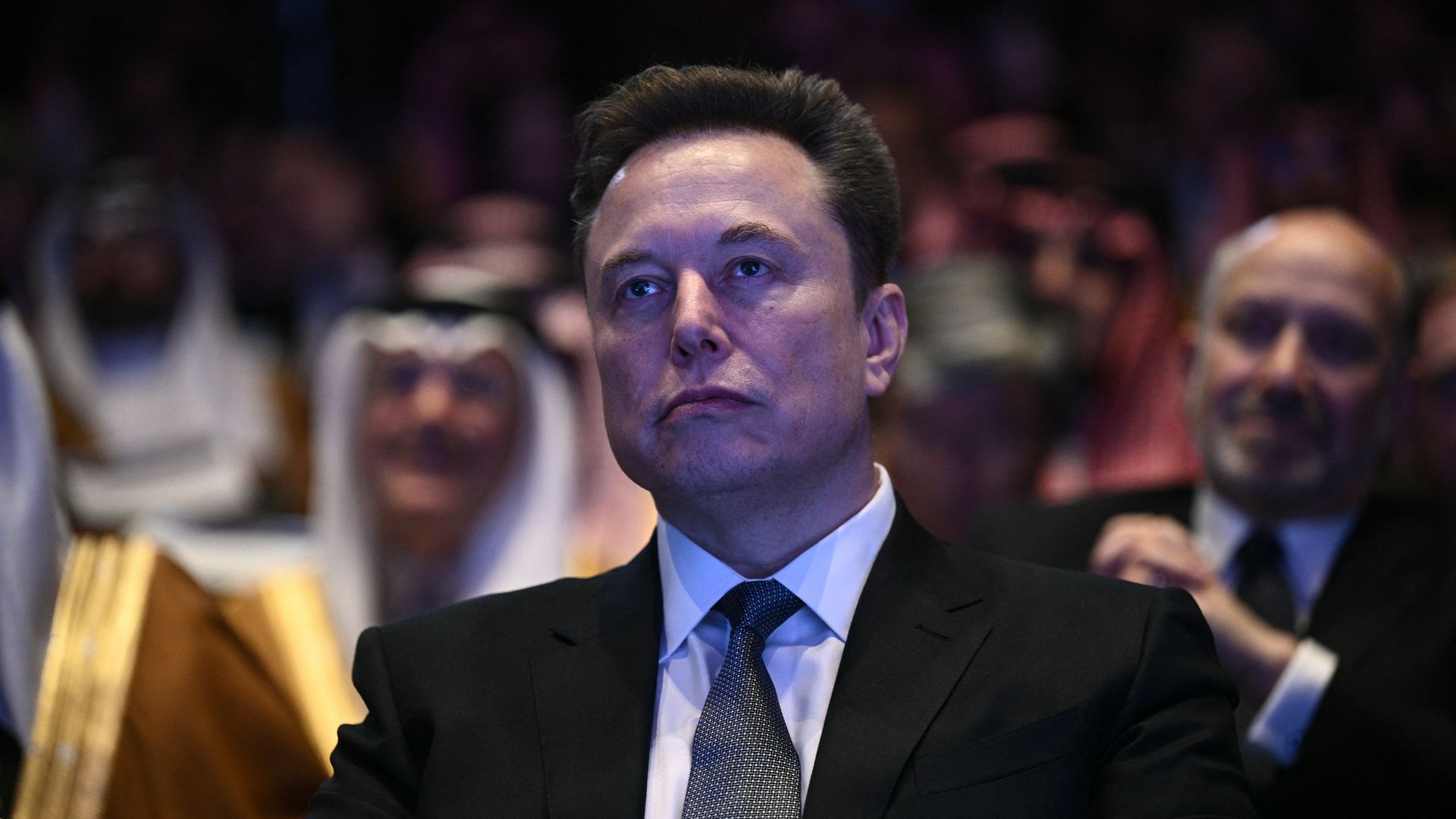
Elon Musk on Wednesday evening suggested that SpaceX will go public in 2026.
Why it matters: Axios' Dan Primack reported earlier that SpaceX had told investors about the planned initial public offering and that it could be the largest IPO ever, topping Saudi Aramco's $25.6 billion raise in 2019.