President Trump's move to allow Nvidia to sell more advanced AI chips to China may not be much of a win for anyone.
Why it matters: The approval of Nvidia's No. 2 chip is drawing criticism in the U.S. over national security fears — and at the same time it's unclear whether China even wants what Nvidia is being allowed to offer.
The U.S. Navy and Palantir Technologies on Tuesday announced "ShipOS," software they said will initially help build and maintain American submarines but could soon be used for aircraft carriers and jets.
Why it matters: The Trump administration, which Palantir CEO Alex Karp vocally supports, has zeroed in on shipbuilding as a must-fix. U.S. shipyards produce just a fraction of China's output.
The conservative Heritage Foundation released its policy priorities for 2026, many of which align with goals already on the Trump administration's horizon.
The big picture: The think tank crafted Project 2025, which President Trump sought to distance himself from while campaigning despite embracing many of those same policies when back in in office.
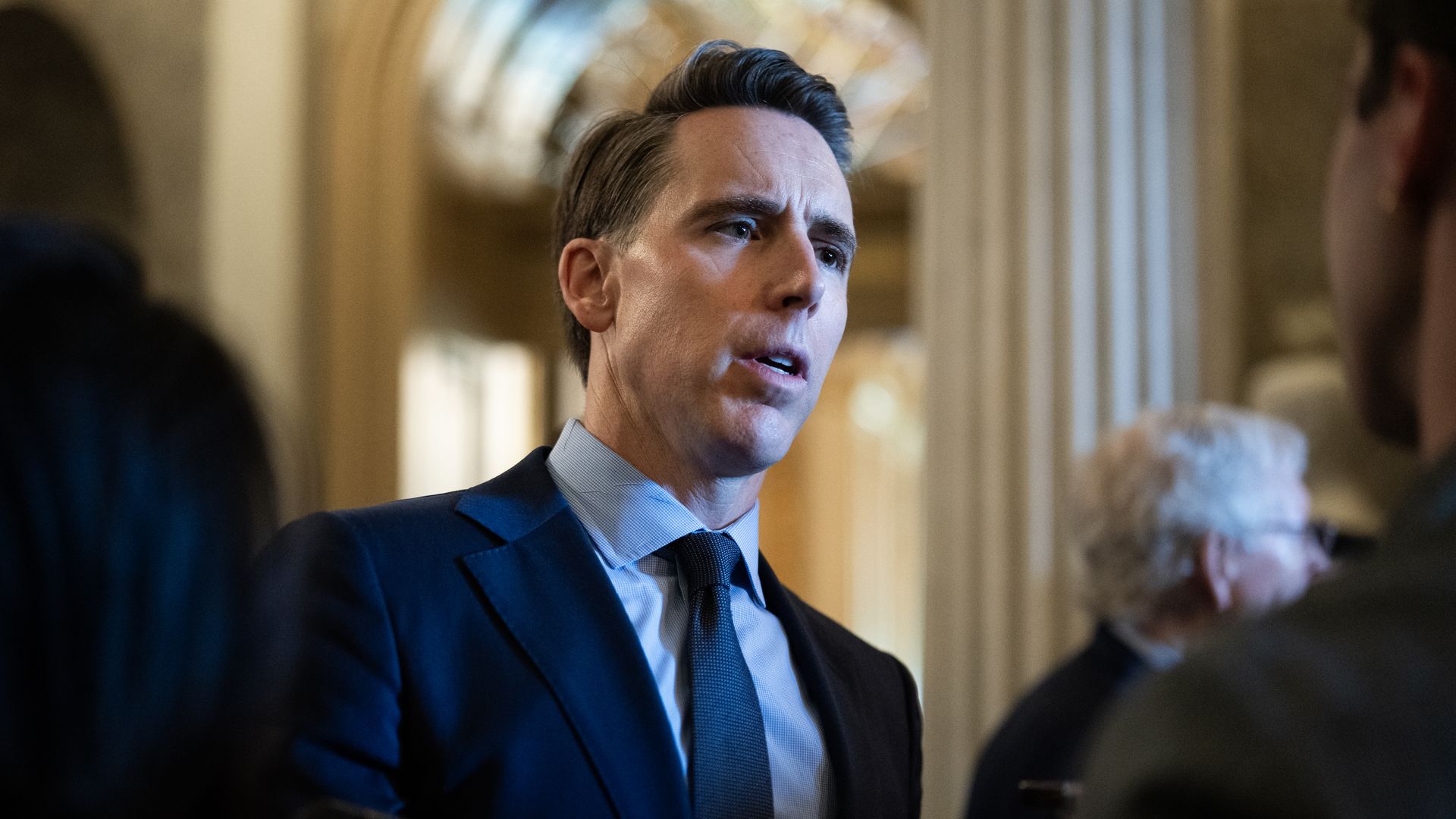
A bill from Sen. Josh Hawley (R-Mo.) to ban AI companions for minors is gaining momentum, adding seven new bipartisan cosponsors, his office tells Axios exclusively.
Why it matters: AI companies have a lot to lose if they are forbidden from offering services to users under 18, and the popularity across the aisle shows the issue isn't going away.
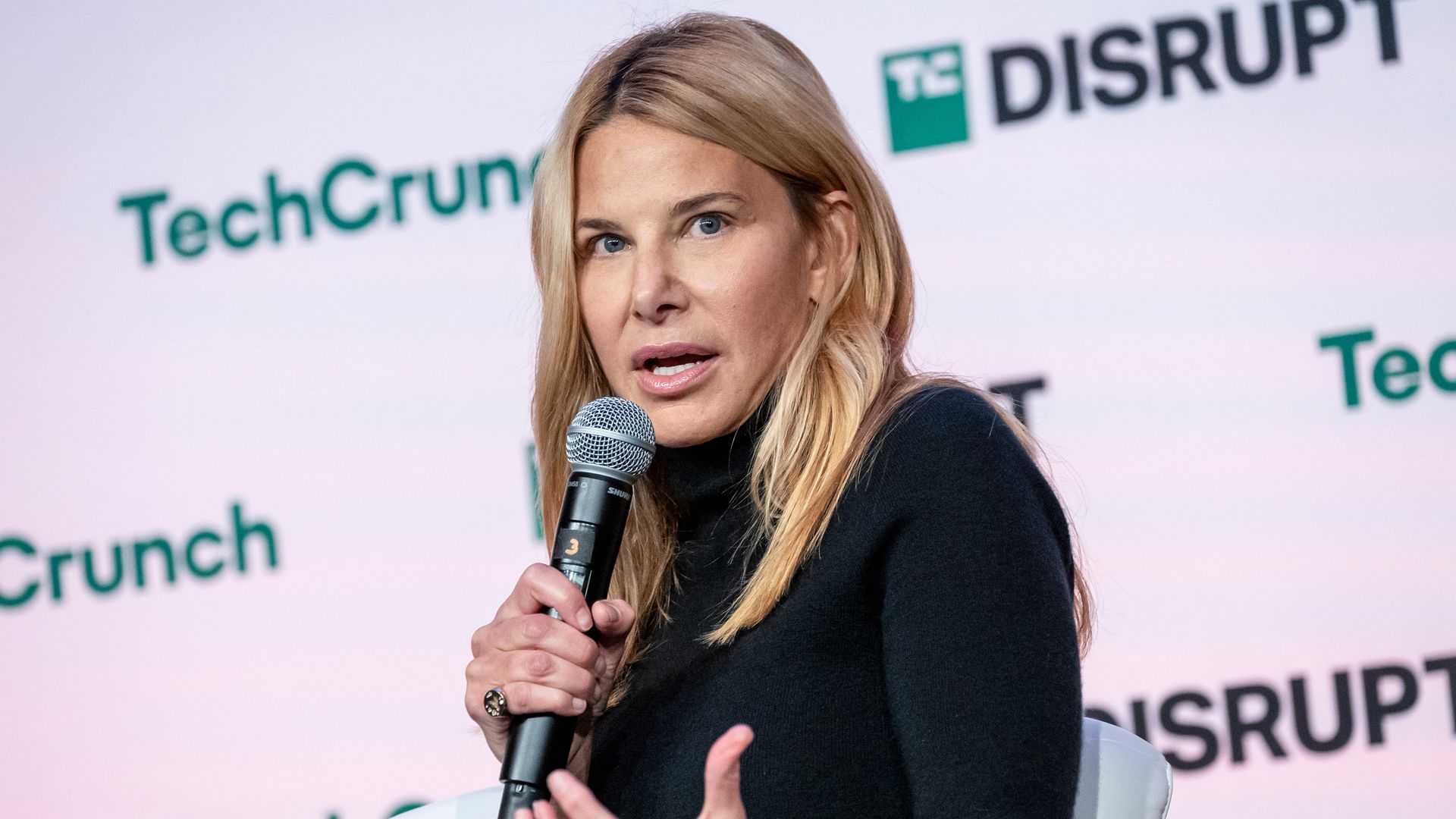
Unconventional AI, a developer of next-gen digital computers, raised $475 million in seed funding led by a16z and Lightspeed at a $4.5 billion post-money valuation.
Why it matters: AI scaling is constrained by energy production. Unconventional believes it can clear the bottleneck by creating more efficient, analog computers.
Why it matters: With the rapid, cross-industrial growth of artificial intelligence comes the potential for risk. Key players in the space hope to harness its potential without jeopardizing the wellbeing of industries and social good.
The event was sponsored by AstraZeneca, Atlassian, Bank of America, Meta and Securus Technologies (an Aventiv company).
The five key takeaways:
LLMs have a long way to go, saysGeometric.ai founder Gary Marcus. Though Box CEO Aaron Levie is more bullish, he agrees that "the technology has limitations. It fundamentally requires humans to provide the oversight."
New AI-powered cyberthreats make innovative detection strategies a priority, says Palo Alto Networks CEO Nikesh Arora, and the nature of AI's reliance on personal data makes those systems particularly tempting to attackers.
Transformation is on the horizon, but there are dangers, according to Google DeepMind CEO Demis Hassabis. Among them: a crisis of human purpose, bad actors weaponizing AI technology for harm, and the AI itself becoming more autonomous and going "off the rails in some way that harms humanity."
The public wants AI it can trust, said Sarah Bird, Microsoft's chief product officer of responsible AI. "I've been very positively surprised with generative AI, how much the world has woken up and said, 'Responsible AI is incredibly important and we don't want this technology without it,'" she said. "And we've seen the regulations starting to follow with that. We see customers demanding it."
AI remains important to those outside of the tech bubble, though it isn't always as urgent as "housing and cost of health care and secret police grabbing your neighbors and sending them to gulags in El Salvador," saidCalifornia state Sen. Scott Wiener to Axios' Ashley Gold.
Content from the sponsors' remarks:
Atlassian chief marketing officer Zeynep Inanoglu Ozdemir said that "the lowest hanging fruit in how AI can unlock unprecedented pace of learning is bringing your data together, and making it available — searchable, discoverable, indexable — and having conversations with it."
Michelle Boston, Bank of America CIO and head of data management technology & enterprise architecture, said, "The data and the AI are two sides of the same coin." Anyone using AI must start with a strong foundation of high-quality, accurate and complete data — including guiding the technology with context.
Here's the deal: Danone, a leader in nutrition science and innovation, is now the Big Ten Conference's first official partner for yogurt and plant-based beverages, featuring Danone's Oikos and Silk brands.
The Department of Defense tapped Google's Gemini for the first major deployment of its new generative AI platform, Secretary of Defense Pete Hegseth said Tuesday.
Why it matters: The rollout appears to be one of the first mass deployments of a commercially created generative AI tool across the entire Pentagon.
SAN FRANCISCO — Improving communication and cross-functional collaboration could greatly improve how AI is used in health care environments, according to experts at the Axios AI+ Summit on Dec. 4.
Axios' Maya Goldman and Brock Turner moderated the roundtable discussion, which was sponsored by AstraZeneca.
Why it matters: Health care technology has the potential to transform how physicians discover, diagnose and treat patients' illnesses.
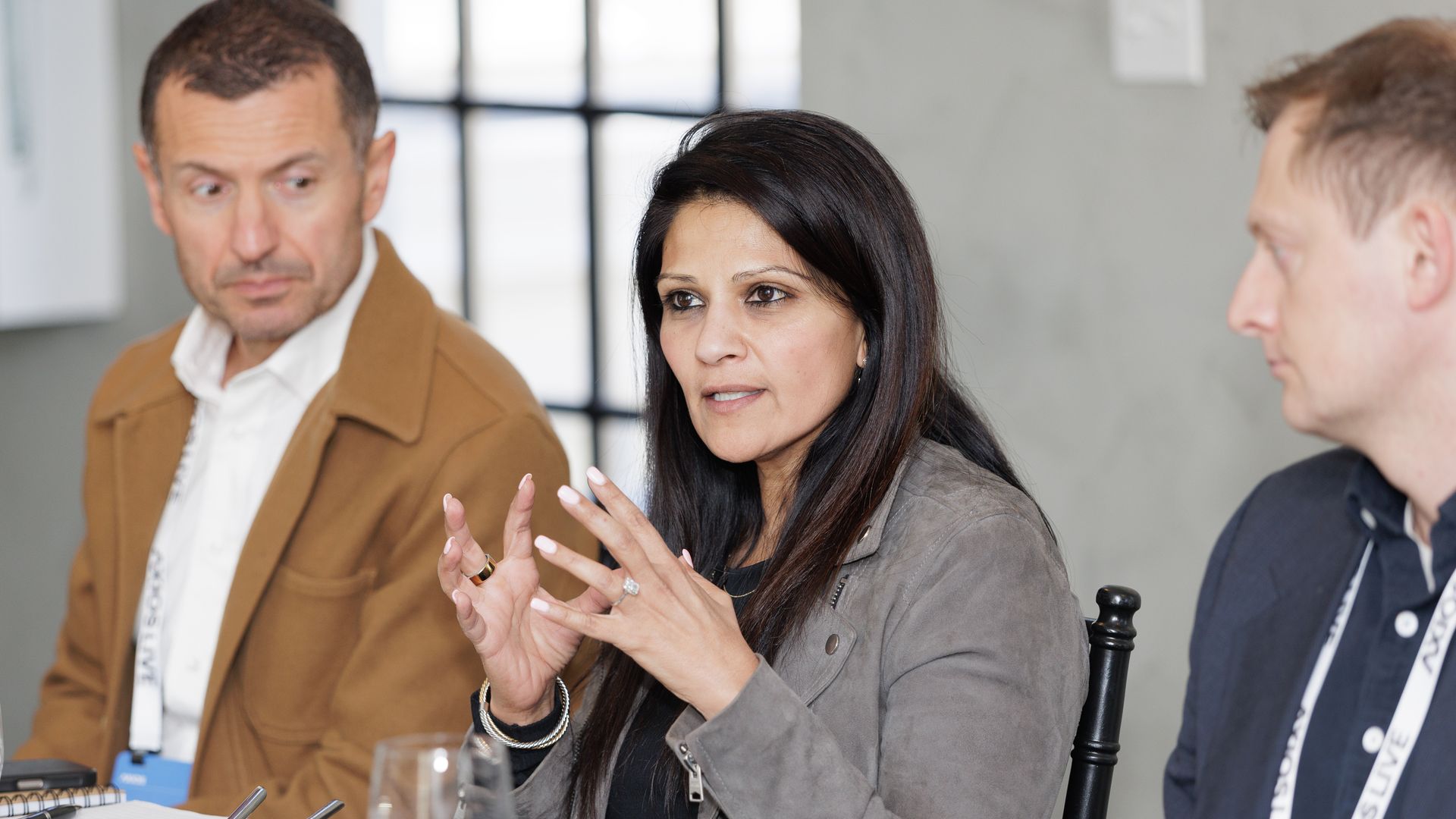
What they're saying: Getlabs CEO Claire Hough said that although the organization has successfully incorporated AI to improve efficiency and accuracy, the biggest obstacle it faces is getting its partners to do the same.
"For us, the barrier is really, how fast can we make that connection to automate as much as possible, or AI-enable our workflows as much as possible," Hough said.
Another challenge is that a universally accepted objective for AI doesn't exist, says Sonny Shergill, AstraZeneca's vice president of commercial digital health: "I think it stops … even the big tech companies at that last mile point."
Zoom in: Governance remains a central point of confusion, with organizations unclear of its meaning, how to act on it and who is responsible.
Trustible co-founder and CEO Gerald Kierce explained that when governance is understood and built into an AI strategy, adoption is quicker, helping "manage the negative downfalls, the risks [and] the harm."
Zoom out: Waymark co-founder and CEO Rajaie Batniji pointed to the inconsistencies in state-by-state regulation.
For example, he said, some are already strict about how AI can be used, and some differentiate between the definitions of "machine learning" and "artificial intelligence."
What's next: Companies like Oura are trying to use continuous biometric data to address the dilemma of fragmented patient information, in particular.
Clinical lead Tanvi Jayaraman highlighted a new partnership between Oura and Essence Healthcare. The program aims to use collected information to identify vulnerable patients early, and guide them to seek preventive — rather than reactive — care.
Content from the sponsor's remarks:
"We must identify the life-changing opportunities. … The ways to delight, or the things that get the imagination to think about what could be possible," Dave Fredrickson, AstraZeneca executive vice president of the oncology haematology business unit, said of AI.
Yahoo has launched a new afternoon AI-powered audio news briefing, senior vice president and general manager of Yahoo News Kat Downs Mulder exclusively tells Axios.
Why it matters: AI is powering a new wave of audio formats in newsrooms as audiences increasingly crave on-demand listening.
One of Wall Street's longtime tech bulls, Ed Yardeni, says investors should underweight the Magnificent 7, arguing that the Big Tech companies have too much competition and that their stocks have less room to run.
Why it matters: His call bucks a broader bullishness across Wall Street about how far tech stocks can continue rallying.
Why it matters: Wall Street's view is at odds with that of Main Street, which sees AI as more of an existential threat that could eliminate jobs en masse and destabilize the economy, a perspective that goes beyond valuations.
The age of AI is ushering in the golden age of American energy.
Why it matters: Long prized for being boring — cheap, reliable, predictable — American power is exploding with new growth, new wild ideas and new sci-fi level possibilities.
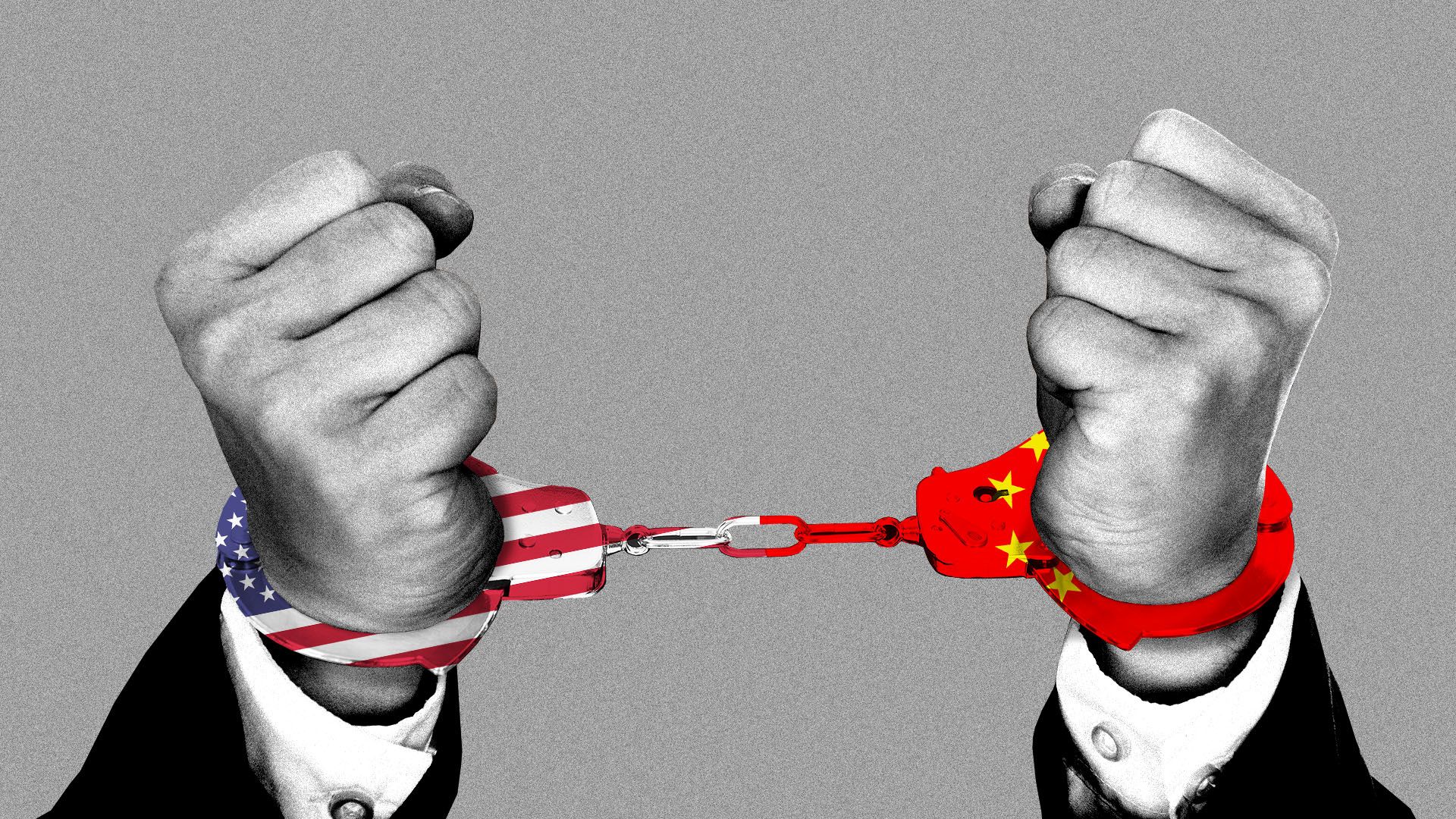
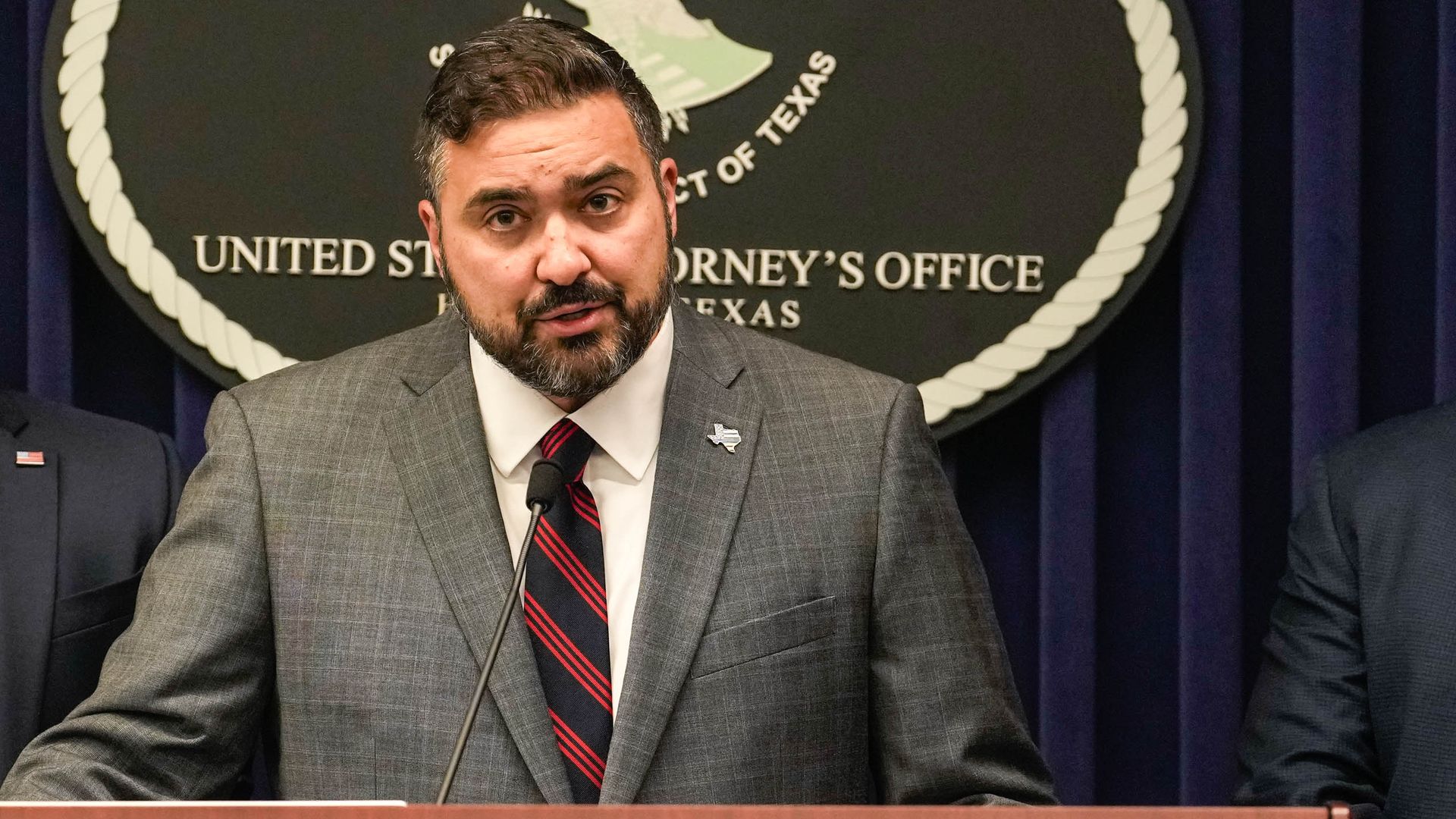
Two businessmen are in custody for allegedly "violating U.S. export control laws" in a scheme that attempted to smuggle Nvidia H100 and H200 chips to China, the Department of Justice said Monday.
The big picture: The announcement came as President Trump said that his administration would lift a blockade on exports of Nvidia's H200 chips to China and that the U.S. government will get a 25% cut from future sales.
Women in corporate America are falling behind — getting less support from employers and reporting lower ambition than men, warns a new report out Tuesday from McKinsey and women's advocacy group Lean In.
Why it matters: The findings cap a year of setbacks for women, including political attacks on corporate diversity efforts, return-to-office mandates that fall hardest on mothers, and growing cultural nostalgia for "trad wives," who don't work outside the home.