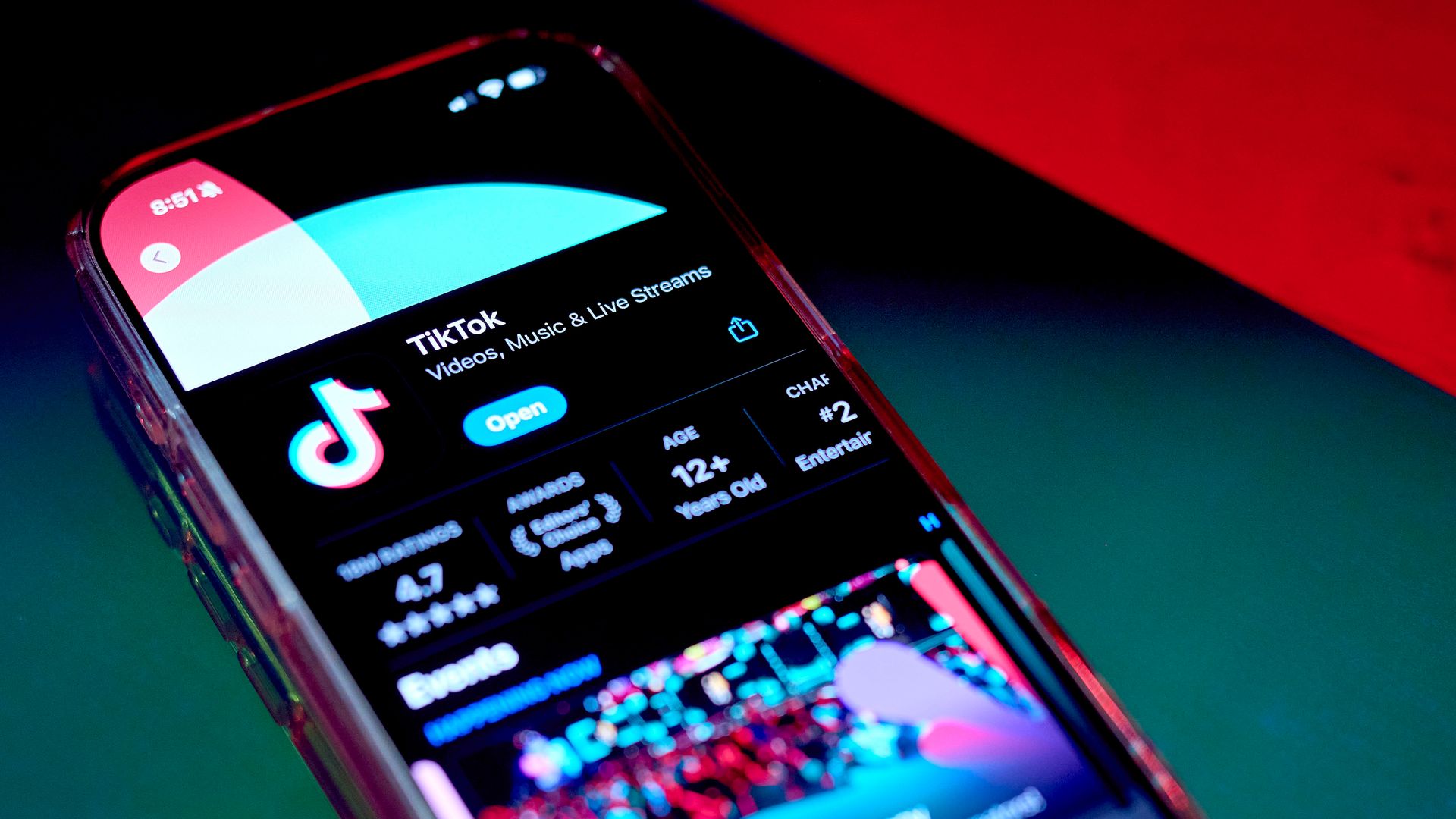
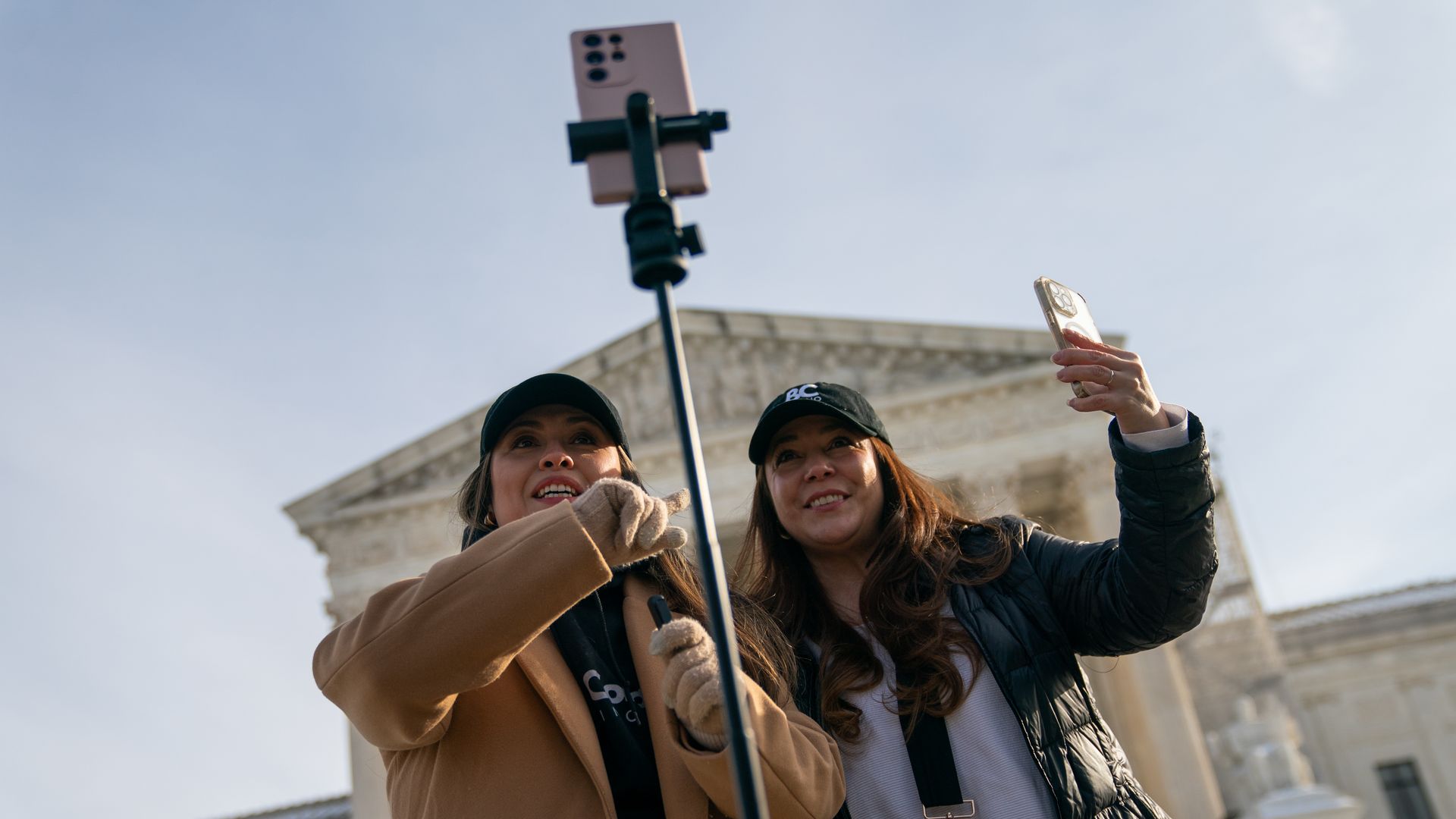
Why it matters:The Supreme Court decided on Friday to uphold a law that could ban the video app if the China-based ByteDance parent company doesn't land a non-Chinese buyer by Sunday.
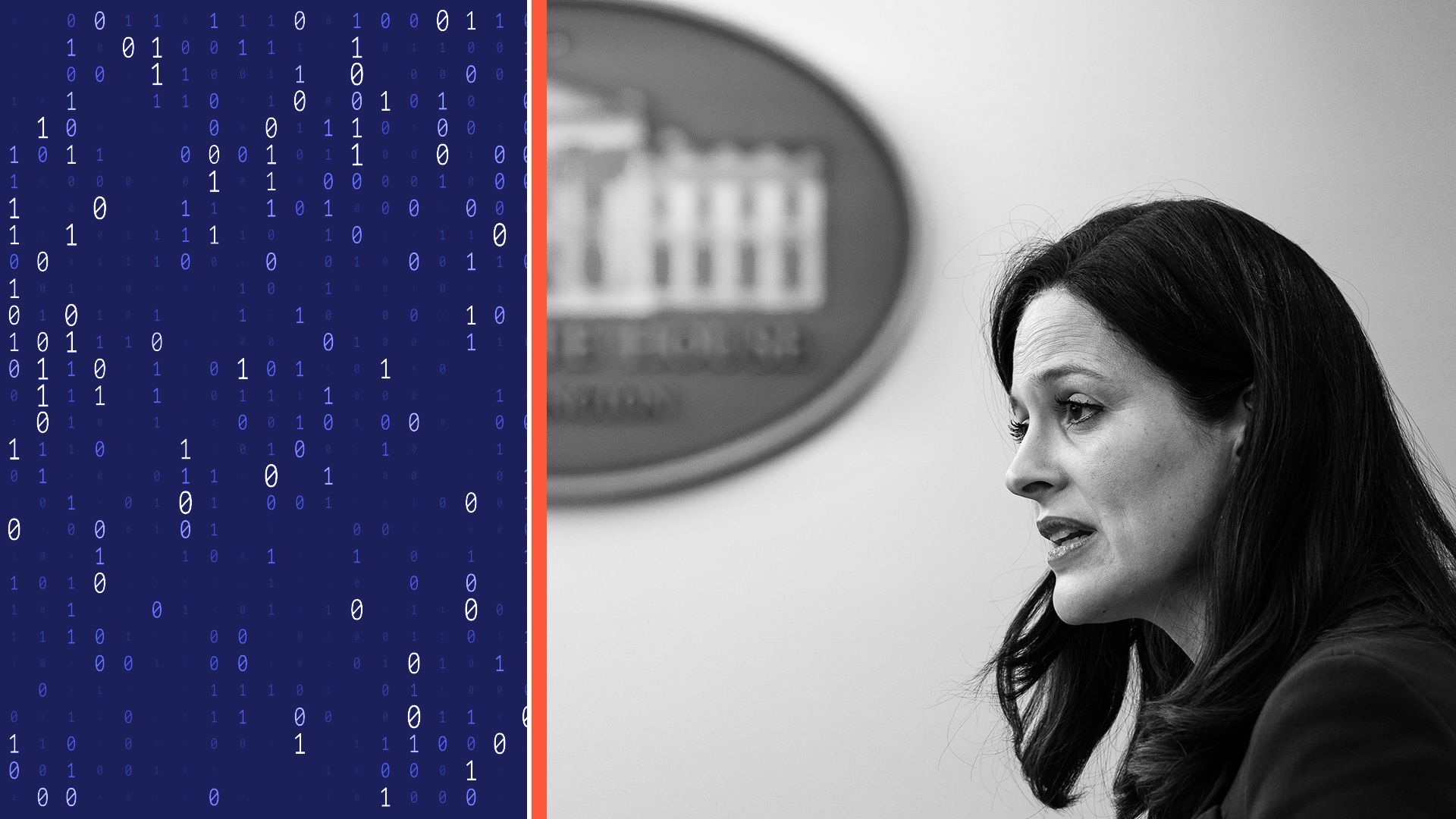
Jake Sullivan — with three days left as White House national security adviser, with wide access to the world's secrets — called us to deliver a chilling, "catastrophic" warning for America and the incoming administration:
The next few years will determine whether artificial intelligence leads to catastrophe — and whether China or America prevails in the AI arms race.
Years of debate, months of procrastination and weeks of panic have brought the U.S. to the brink of banning TikTok — a bipartisan achievement that top politicians suddenly want nothing to do with.
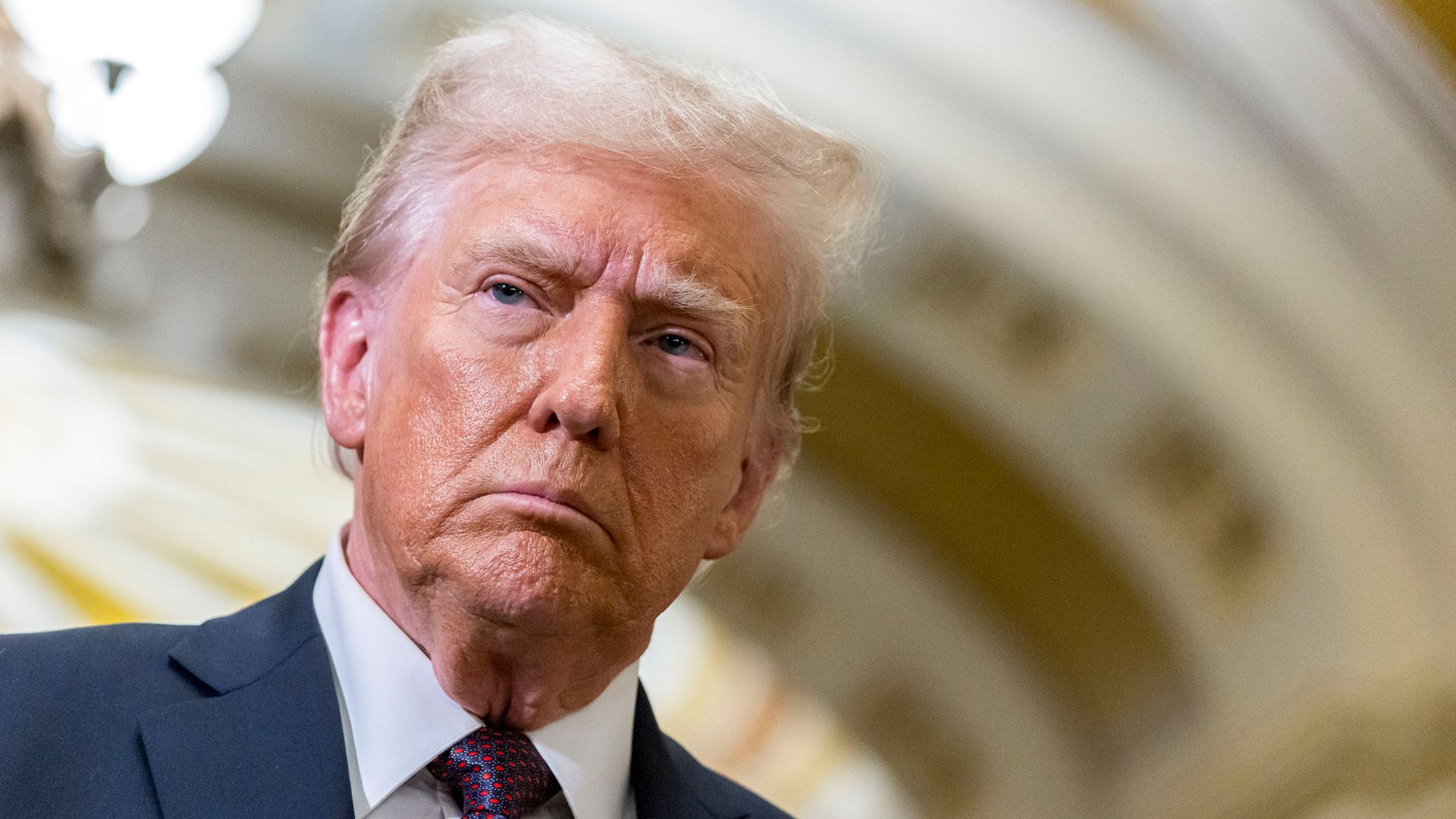
Why it matters: On the eve of his inauguration, President-elect Trump is facing an enormous challenge to his popularity, his executive power and his word. He has vowed to save TikTok — but failed to explain how he can do so without violating U.S. law.
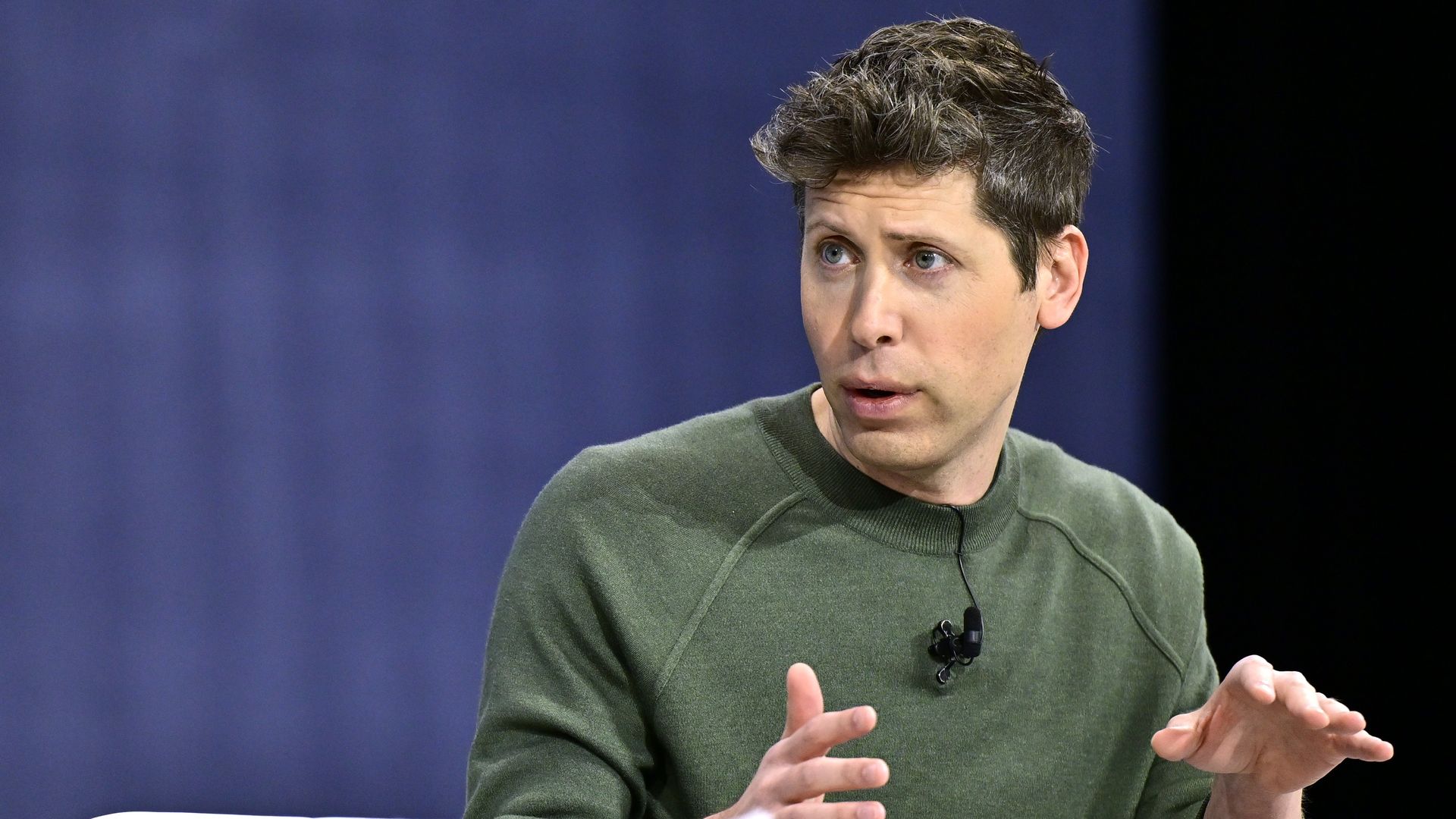
OpenAI CEO Sam Altman revealed Friday that Democratic senators had sent him a letter alleging "he has a clear and direct interest in obtaining favors" from Donald Trump and is using his donations "to cozy up" to the incoming administration to avoid regulatory scrutiny.
Why it matters: Altman was one of several tech titans who donated $1 million to Trump's inauguration. In a statement to Axios in response to the senators' letter, an OpenAI spokesperson said: "Sam believes that President Trump will lead our country during a pivotal moment for AI and American innovation, and looks forward to working with him and his administration."
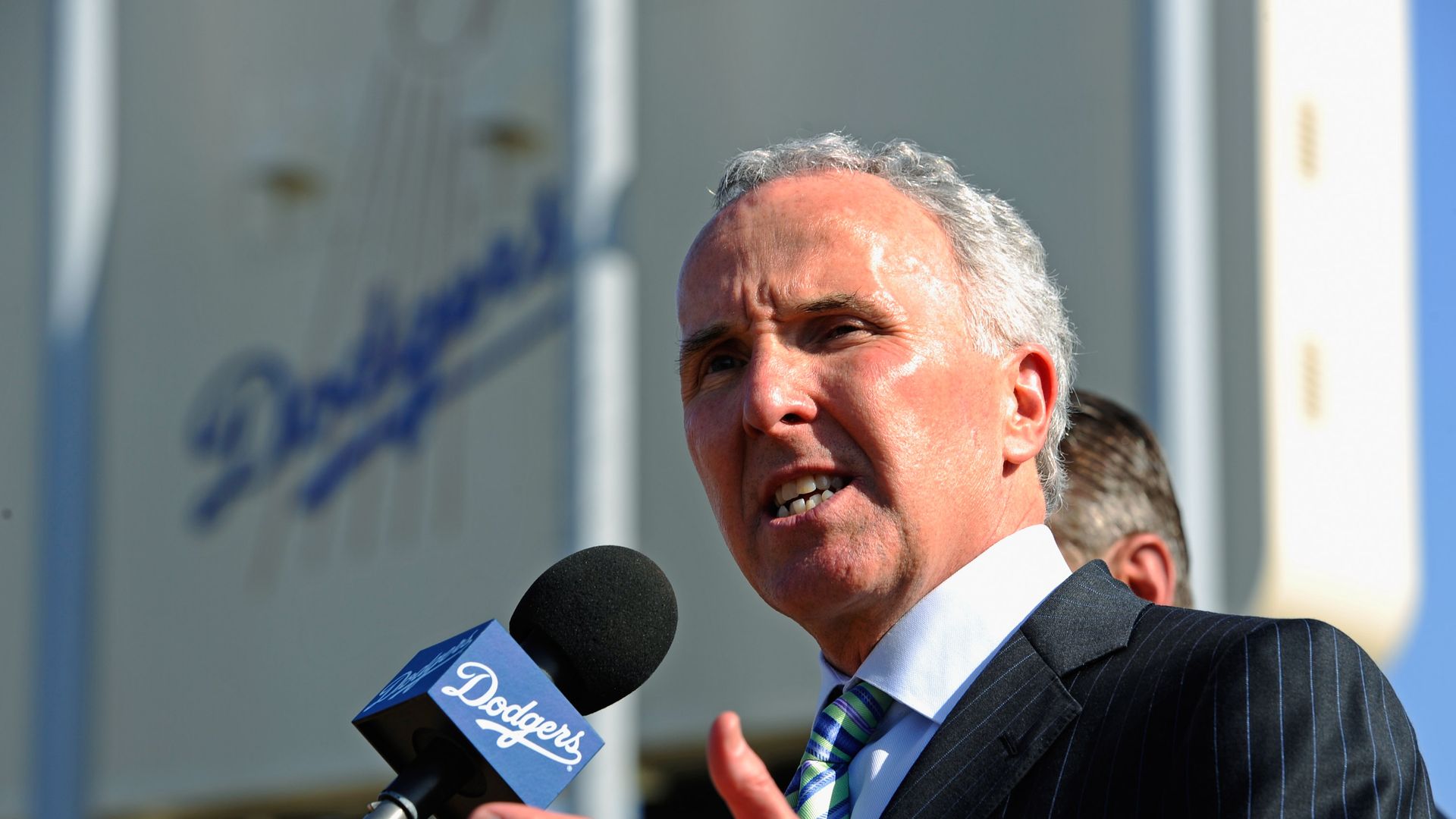
Real estate mogul Frank McCourt, who is trying to buy TikTok's U.S. arm, reiterated his investor group's ability to make a deal and still comply with the Supreme Court's ruling on Friday.
Why it matters: Billionaire McCourt says he has the money and the technology to keep TikTok running on American phones.
Biden's right-hand cyber adviser, Anne Neuberger, says her team's tenure can be defined by creative thinking, its partnerships with the private sector, and the continuing push to fully implement the new programs they created to help critical infrastructure.
Why it matters: Even if President-elect Trump decides to erase all of the cyber regulations President Biden and his team put in place, the administration's work permanently changed how executives, government officials and security professionals approach security.
TikTok could disappear for U.S. users as soon as this Sunday if a ban — even a short one — goes into effect.
Why it matters: The future of the wildly popular app is in question after the Supreme Court on Friday upheld a law to ban the app if it wasn't sold by its Chinese parent company by Jan. 19.
Biden's right-hand cyber adviser, Anne Neuberger, says her team's tenure can be defined by creative thinking, its partnerships with the private sector, and the continuing push to fully implement the new programs they created to help critical infrastructure.
Why it matters: Even if President-elect Trump decides to erase all of the cyber regulations President Biden and his team put in place, the administration's work permanently changed how executives, government officials and security professionals approach security.
Driving the news: Neuberger, deputy national security adviser for cyber and emerging tech in the White House, is leaving her role today ahead of the inauguration.
Even some cybersecurity professionals are upset about TikTok's potential shutdown in the U.S. this weekend.
Why it matters: Lawmakers passed the "divest or sell" law because of national security and data collection concerns.
No one understands those concerns better than cybersecurity influencers who use their platform to educate the masses about data security and privacy issues.
State of play: As of now, TikTok is planning to turn off services in the U.S. on Sunday, the deadline for ByteDance to divest its stake in TikTok.
The U.S. Supreme Court has decided to uphold the law, but President Biden doesn't plan to enforce it Sunday — leaving President-elect Trump's team in charge of finding options to bring it back online next week.
📡 The Federal Communications Commission issued a proposed rule that would require telecom providers to submit a cybersecurity risk management plan to the agency for review each year, following the Salt Typhoon intrusions. (FCC)
🌎 Nathaniel Fick, the outgoing U.S. cyber ambassador, urged his successor to remain engaged in global tech and digital security debates or risk having Russia and China take a leading role in filling the gap. (Wired)
👀 The Salt Typhoon intrusions were first spotted on federal networks, before telcos detected them, CISA Director Jen Easterly said this week. (Nextgov)
🌸 Spotted on San Francisco's Nextdoorpage: Someone fully believing this AI-generated photo of a so-called butterfly begonia, which doesn't exist and appears to be just an image of a begonia covered in butterflies.
⚠️ Even those of us in the tech capital of the world are falling for AI-generated fake images.
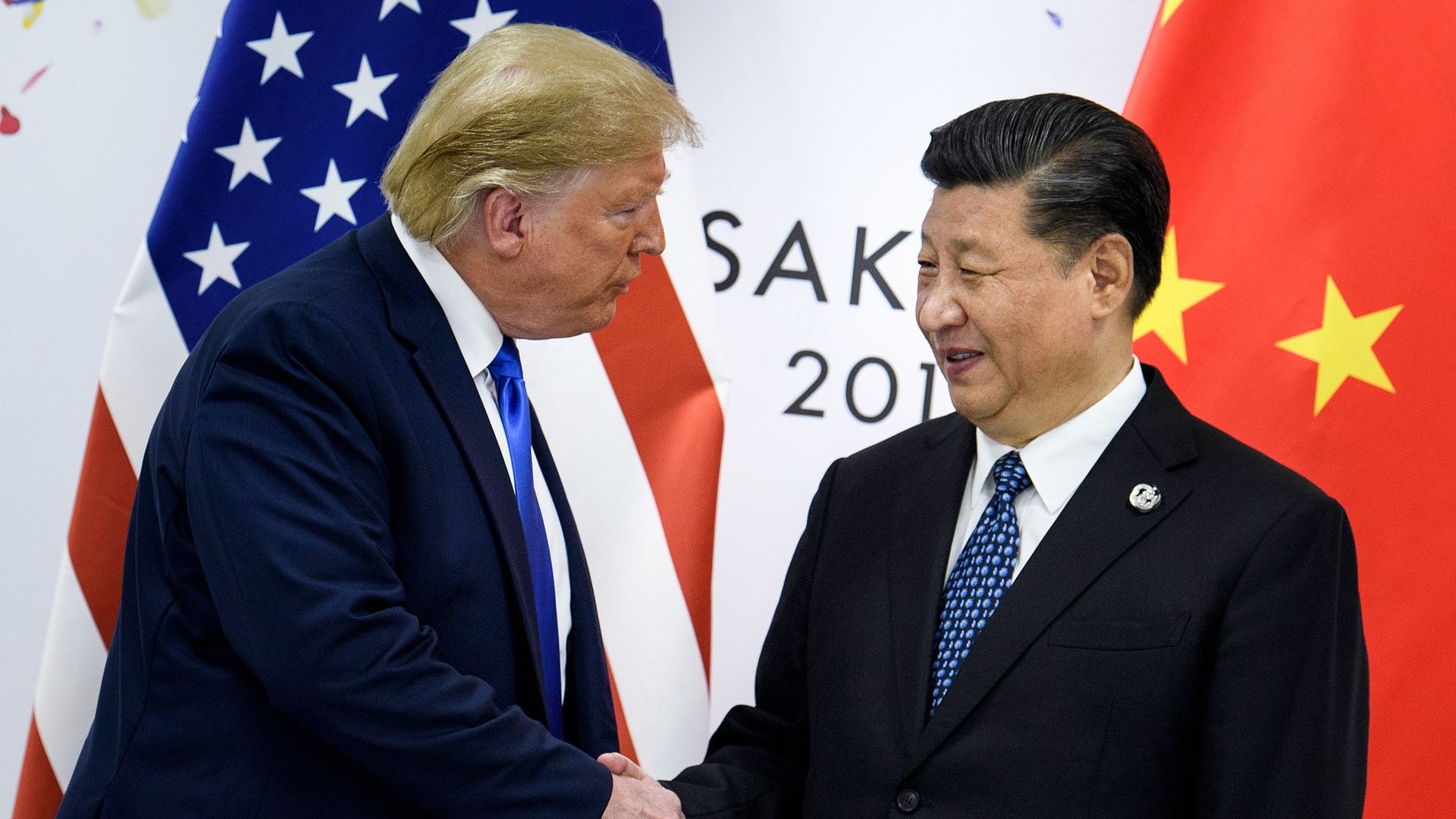
President-elect Trump spoke Friday with Chinese President Xi Jinping by phone just days before the U.S. presidential inauguration.
Why it matters: Trump said last month he exchanged messages with Xi after winning the election but didn't confirm they spoke. The president-elect has promised to implement aggressive tariffs on imports from China and could also be forced to determine the fate of TikTok upon taking office.
Just about all the biggest names in tech will be in Washington on Monday for President-elect Trump's inauguration — a much different scene than the beginning of his first term.
Where it stands: TikTok CEO Shou Zi Chew is the latest addition to the Big Tech guest list for Trump's swearing-in.
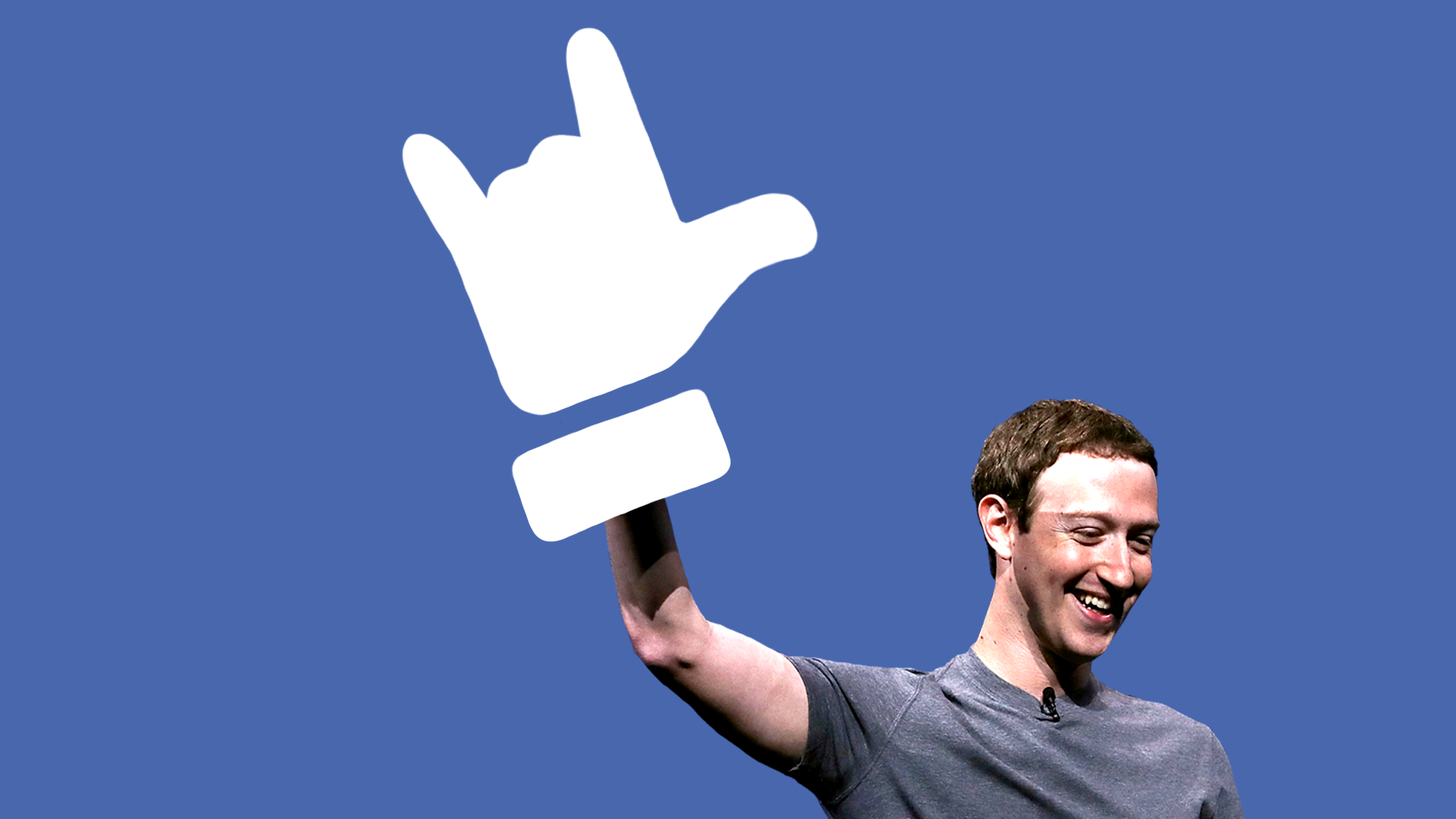
Mark Zuckerberg is living his best life in the Trump 2.0 era, despite the President-elect's campaign threat to jail him.
The big picture: Zuckerberg has spent the post-election months cozying up to Trump, including through a Mar-a-Lago visit and $1 million inauguration donation.
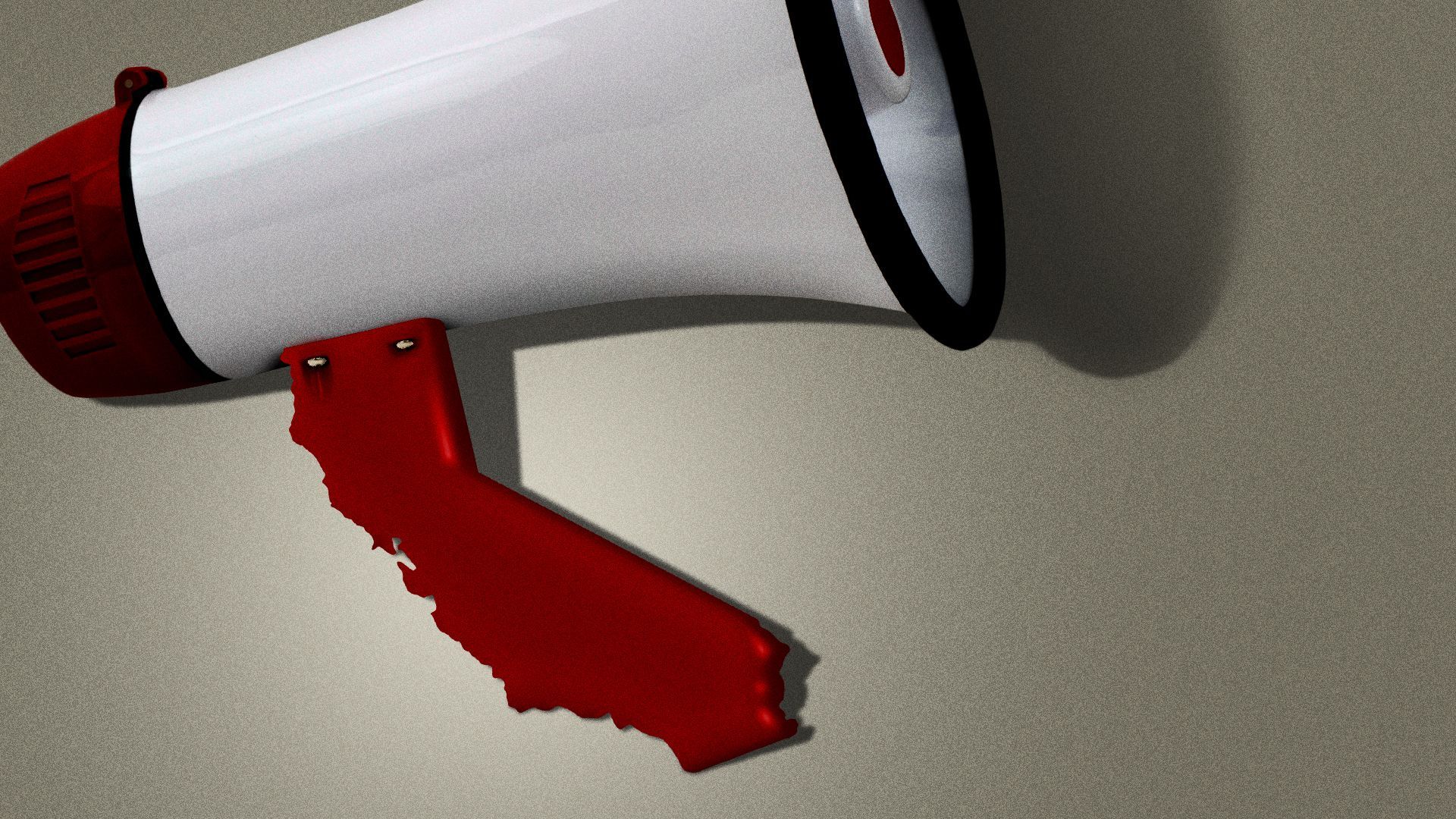
LOS ANGELES — Elon Musk and his allies are waging a ruthless information war in California, sensing opportunity in the ashes of the most destructive wildfires in state history.
Why it matters: For decades, Republicans have tried and failed to end Democrats' near-monopoly on power in the nation's most populous state. This time, they insist, the conditions are ripe for a reckoning.
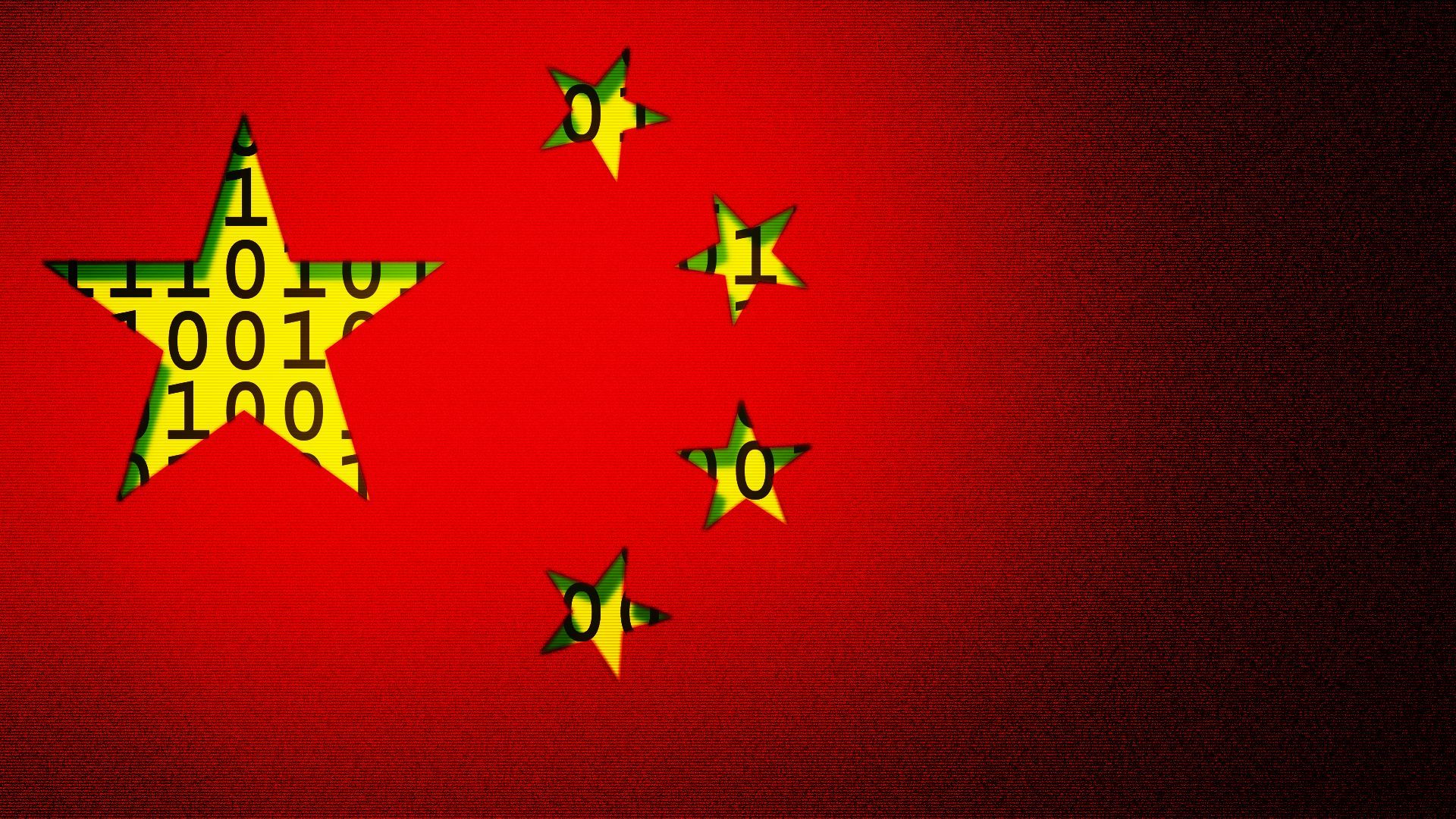
Chinese AI makers have learned to build powerful AI models that perform just short of the U.S.'s most advanced competition while using far less money, chips and power.
Why it matters: American policies restricting the flow of top-end AI semiconductors and know-how to China may have helped maintain a short U.S. lead at the outer reaches of the AI performance curve — but they've also accelerated Chinese progress in building high-end AI more efficiently.
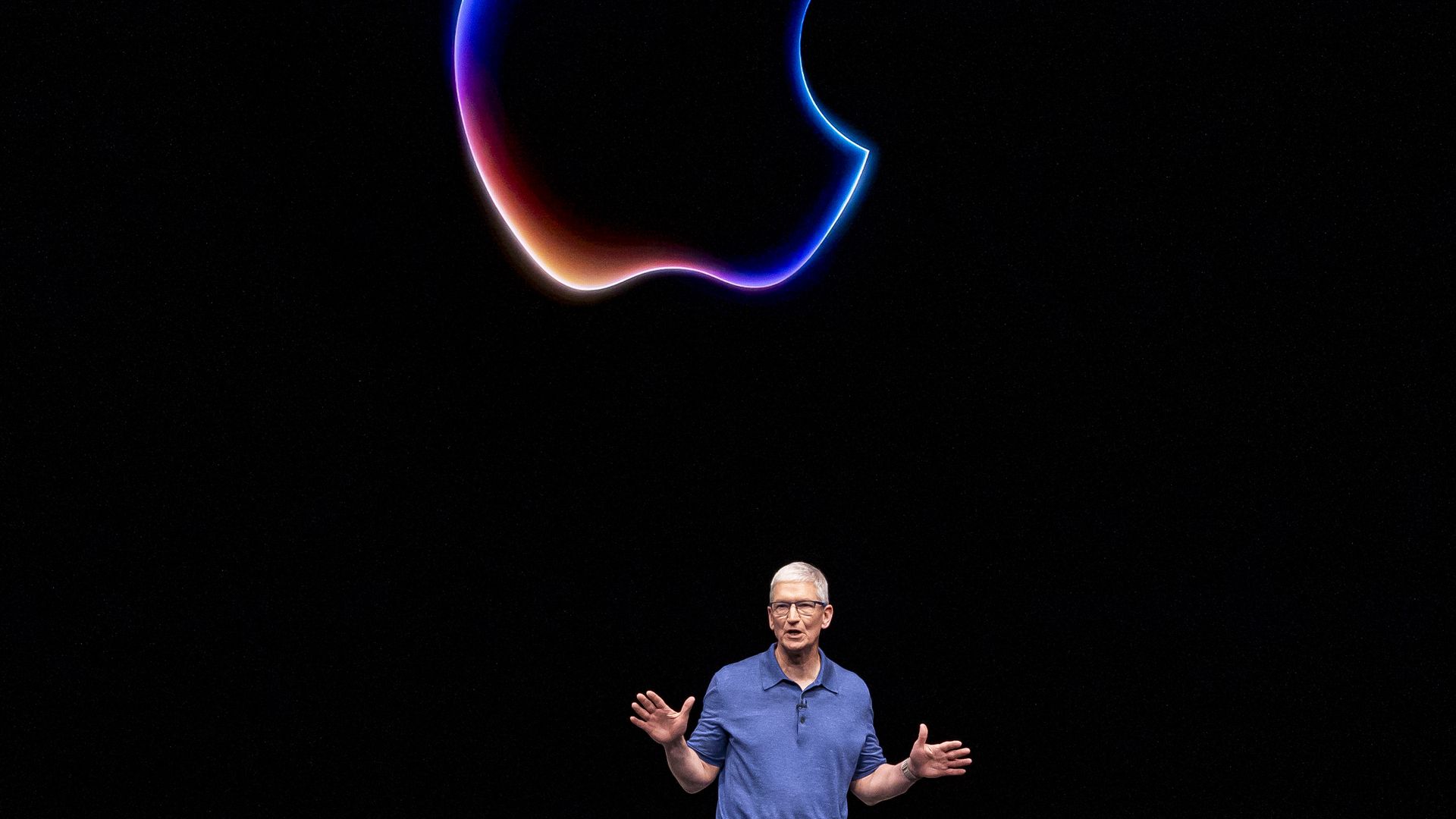
Apple is suspending its new artificial intelligence feature summarizing alerts for news and entertainment apps after facing complaints from news outlets and press freedom groups about generating false and inaccurate information.
Why it matters: The BBC lodged an official complaint after the Apple Intelligence summaries generated an inaccurate headline of a report by the British outlet that incorrectly represented a report on Luigi Mangione, the suspect in last month's killing of UnitedHealthcare CEO Brian Thompson, by suggesting he had committed suicide.












/2025/01/17/1737124415790.gif?w=3840)