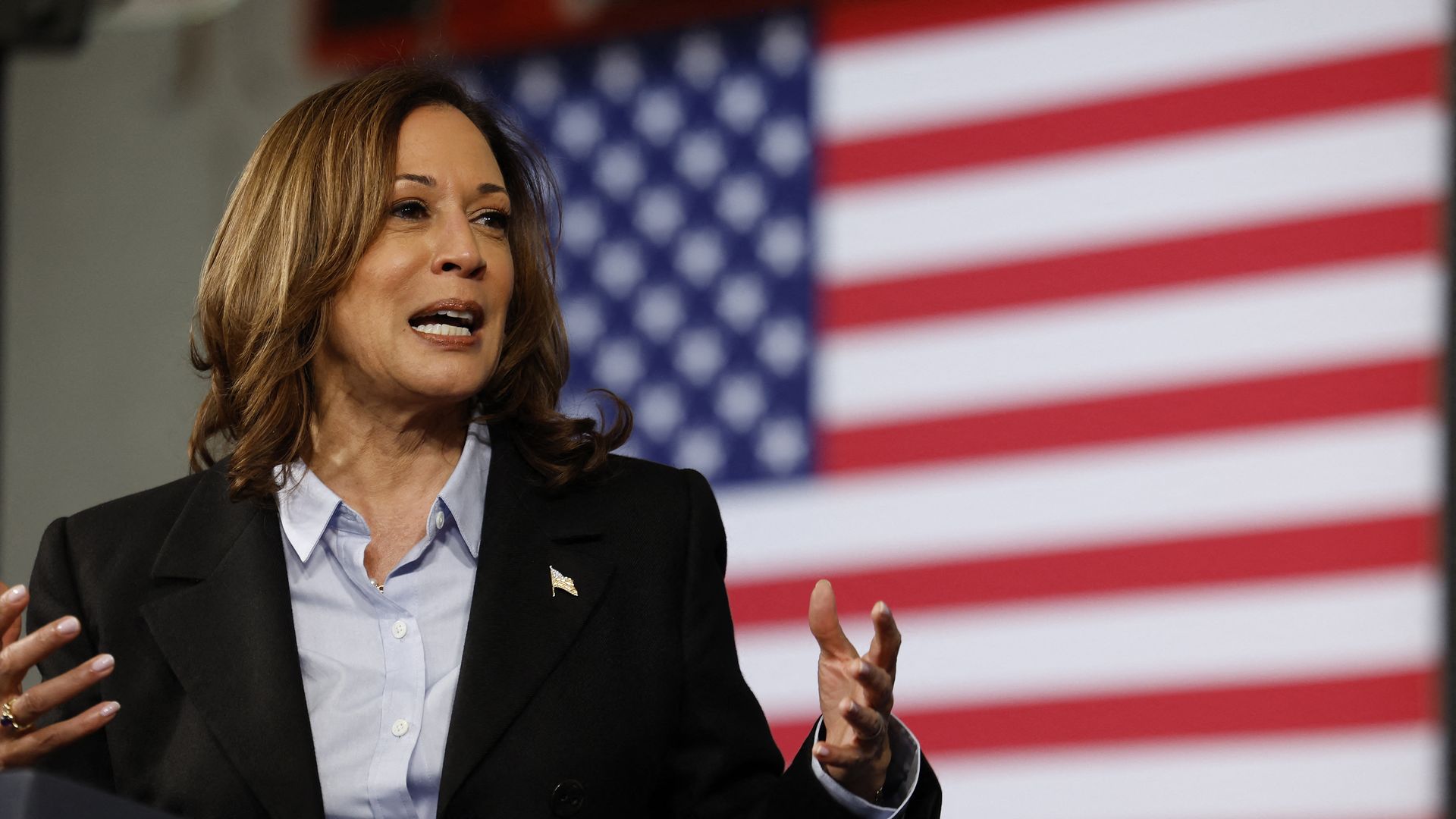
A group of 88 high-profile current and former business executives issued a joint letter endorsing Vice President Harris on Friday.
The big picture: The leaders throwing their support behind the Democratic nominee include executives across media, finance and technology, with the likes of billionaire entrepreneur Mark Cuban, former 21st Century Fox CEO James Murdoch, LinkedIn co-founder Reid Hoffman and former basketball star Earvin "Magic" Johnson.
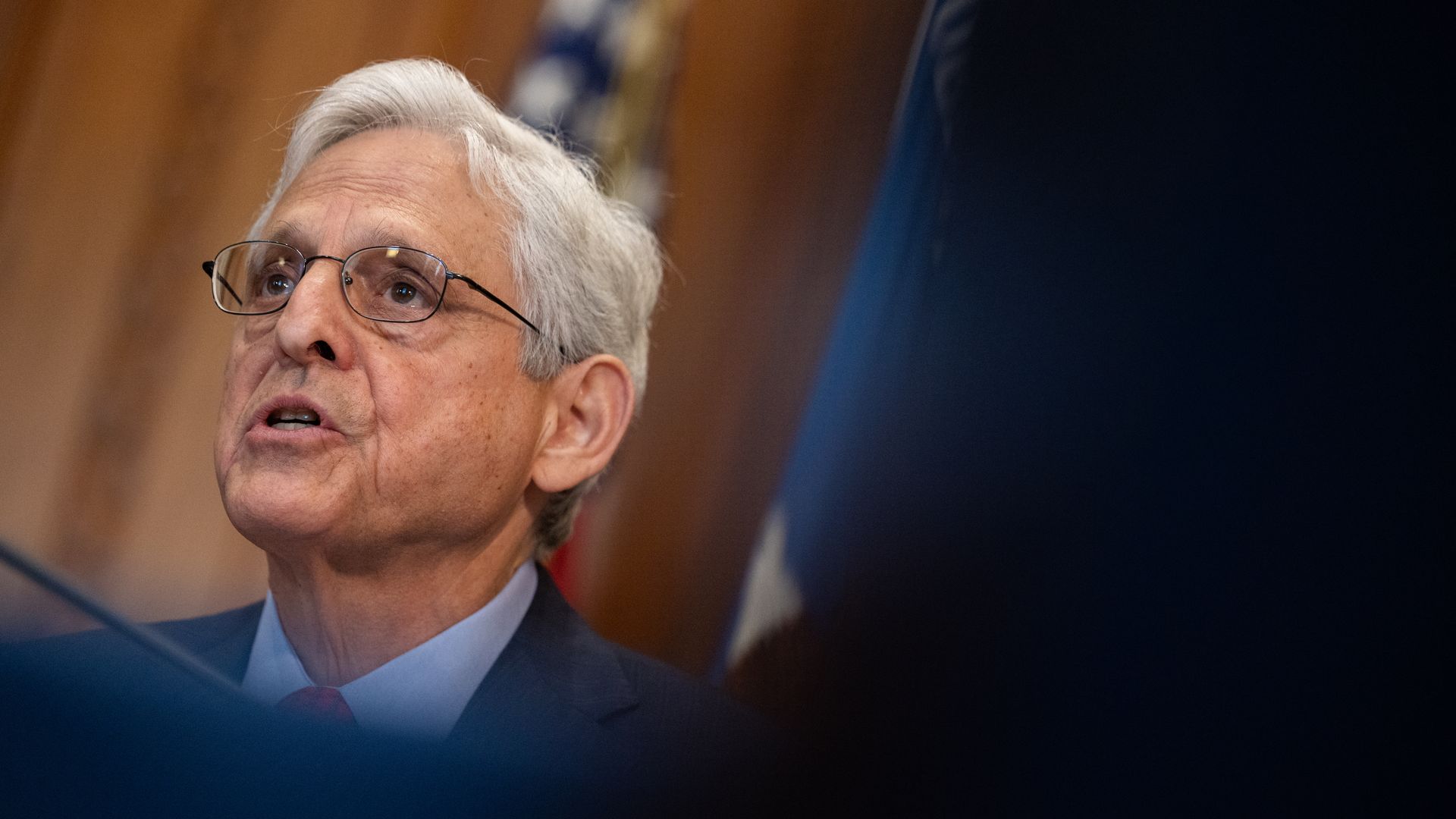
If Vice President Kamala Harris wins the presidential race, she's likely to put her own prosecutorial spin on the Biden administration's already tough cybersecurity policy agenda, experts say.
Salesforce has agreed to buy Own Co., a New Jersey-based provider of data protection and management solutions, for $1.9 billion in cash.
Why it matters: This is Salesforce's largest acquisition since buying Slack in 2021, and may signal the company's return to large dealmaking after disbanding its M&A committee last year.
YouTube is working on new tools that will detect when someone uploads content with AI-generated faces or voices of famous people. (TechCrunch)
Google is launching its "Ask Photos" AI feature to some U.S. users. The tool will let you search for photos conversationally. (9to5Google)
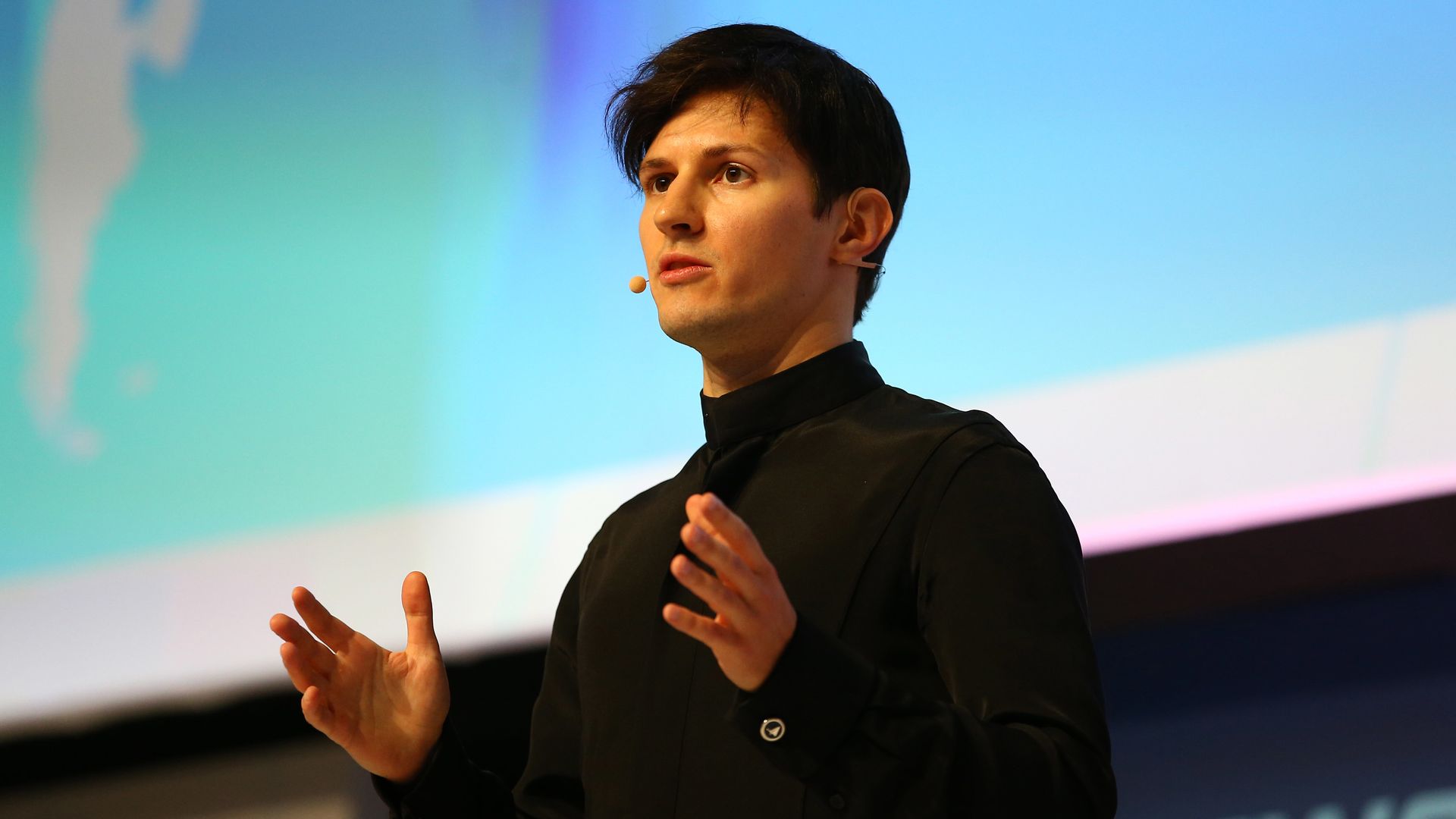
Telegram CEO Pavel Durov called his arrest by French authorities "misguided," but the company is also beginning to change some of its moderation rules to allow for more monitoring of private groups. (Axios, The Verge)
Nick Pickles, head of global affairs at X — and one of the last leaders left from the pre-Elon Musk era — is leaving the company, making him an ex-X exec. (X)
OpenAI is growing its revenue from business users and contemplating hefty price hikes for users who want access to its next-level services, per reports.
Why it matters: Generative AI is notoriously expensive to develop and run, and those costs rise exponentially with each new generational leap — like the one from OpenAI's GPT-4 to its long-awaited successor.
Telegram CEO Pavel Durov criticized French authorities on Thursday for pursuing criminal charges against him in connection with illicit activity on the encrypted messaging app.
The big picture: In his first public comments since he was arrested last month, the Russian-born tech entrepreneur wrote on Telegram that suggestions that the app he founded was "some sort of anarchic paradise are absolutely untrue."
Safe Superintelligence, an AI startup with offices in Silicon Valley and Israel that announced itself in June, has raised over $1 billion in first-round funding.
Why it matters: The monster investment reflects the pedigree of the company's co-founders, who include former OpenAI chief scientist Ilya Sutskever, fellow OpenAI vet Daniel Levy and former Apple AI chief Daniel Gross.
Driving the news: The funding is all in cash rather than in cloud credits, even though lots of the money will surely be needed to purchase computing power in one form or another.
Investors includeAndreessen Horowitz, DST Global, Sequoia Capital, and SV Angel, along with the NFDG partnership Gross runs with Nat Friedman.
What they're saying: "We have started the world's first straight-shot SSI lab, with one goal and one product: a safe superintelligence," the firm posted on X.
"Our singular focus means no distraction by management overhead or product cycles, and our business model means safety, security, and progress are all insulated from short-term commercial pressures."
Between the lines: Sutskever was among the board members of OpenAI who voted to fire Sam Altman last year, though he later said he regretted his vote and supported Altman's return. His status at OpenAI remained in limbo for months before it was confirmed in May that he was officially leaving the company.
The bottom line: SSI's mission statement is a pretty blunt rebuke of OpenAI, even if many of its investors have stakes in both.
Yes, but: Promising to build superintelligent computing could take significant time and money. If the work leading up to that brings in no revenue, $1 billion may not last long, and the startup could be in frequent need of cash infusions.
Nearly one-third of the36.2 million Latinos who are eligible to vote are between the ages of 18 to 29 and form a politically independent voting bloc that candidates will need to turn out come November.
Why it matters: Winning the Latino youth vote could be crucial to political parties far in this year's election and beyond.
Due to a rise in bots — automated programs that simulate human engagement online— social media chatter is becoming less of a bellwether for public perception or stakeholder sentiment.
Why it matters: Knowing how and when to respond to misinformation or bot activity is now well within a communicator's job description.
A Russian influence operation used unwitting, prominent right-wing influencers to spread propaganda ahead of the 2024 election, the Justice Department alleged Wednesday.
Why it matters: The influencer scheme is yet another chapter in Russia's long running effort to infiltrate the opinions of American audiences via social media and online manipulation.
Safe Superintelligence, an AI startup with offices in Silicon Valley and Israel that announced itself in June, has raised over $1 billion in first-round funding.
Why it matters: The monster investment reflects the pedigree of the company's co-founders, who include former OpenAI chief scientist Ilya Sutskever, fellow OpenAI vet Daniel Levy and former Apple AI chief Daniel Gross.
Driving the news: The funding is all in cash rather than in cloud credits, even though lots of the money will surely be needed to purchase computing power in one form or another.
Investors includeAndreessen Horowitz, DST Global, Sequoia Capital, and SV Angel, along with the NFDG partnership Gross runs with Nat Friedman.
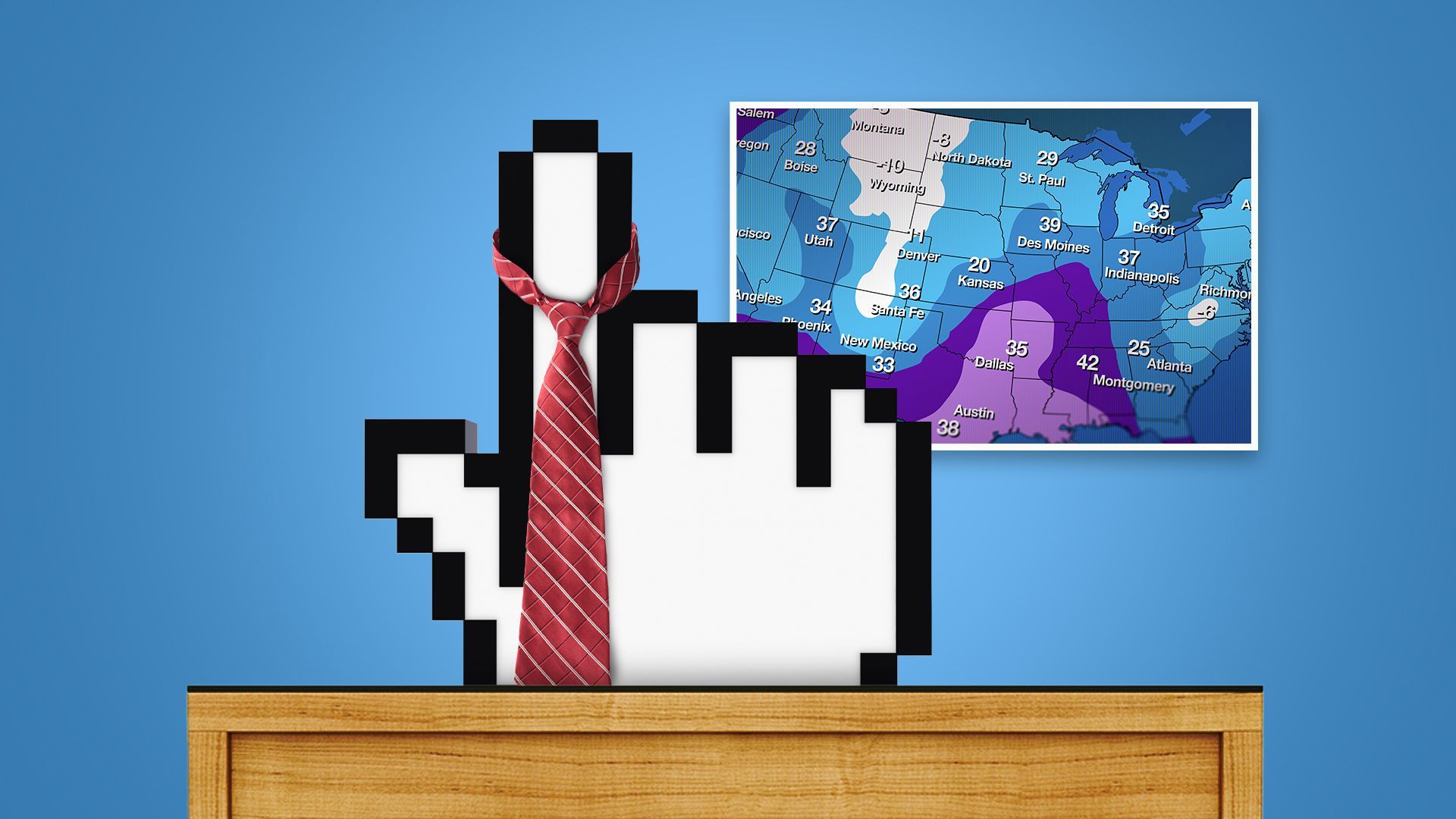
The NOAA is adding to its high-performance computing resources in a bid to bolster its uses of AI and machine learning for weather and climate.
Why it matters: The agency's $100 million investment comes as it faces rapid advances in forecasting techniques, and new entrants build accurate weather models trained on historical data.
Verizon has agreed to buy Frontier Communications for $20 billion, the company announced on Thursday.
Why it matters: This is the latest in a series of massive telecom mergers, and strengthens Verizon's fiber businesses to help it better compete with rivals like AT&T.
Qualcomm's days as the lone provider of chips for Microsoft Copilot+ AI PCs are coming to an end, with machines powered by AMD and Intel set to be on shelves by the holidays.
Why it matters: The entire PC industry is counting on AI to boost the upgrade cycle and maybe even sway some Mac users over to the Windows camp.
A recent legal win by the hospital industry over its use of website tracking technology could leave patients' data vulnerable to being shared with online marketers, data brokers, and social media platforms.
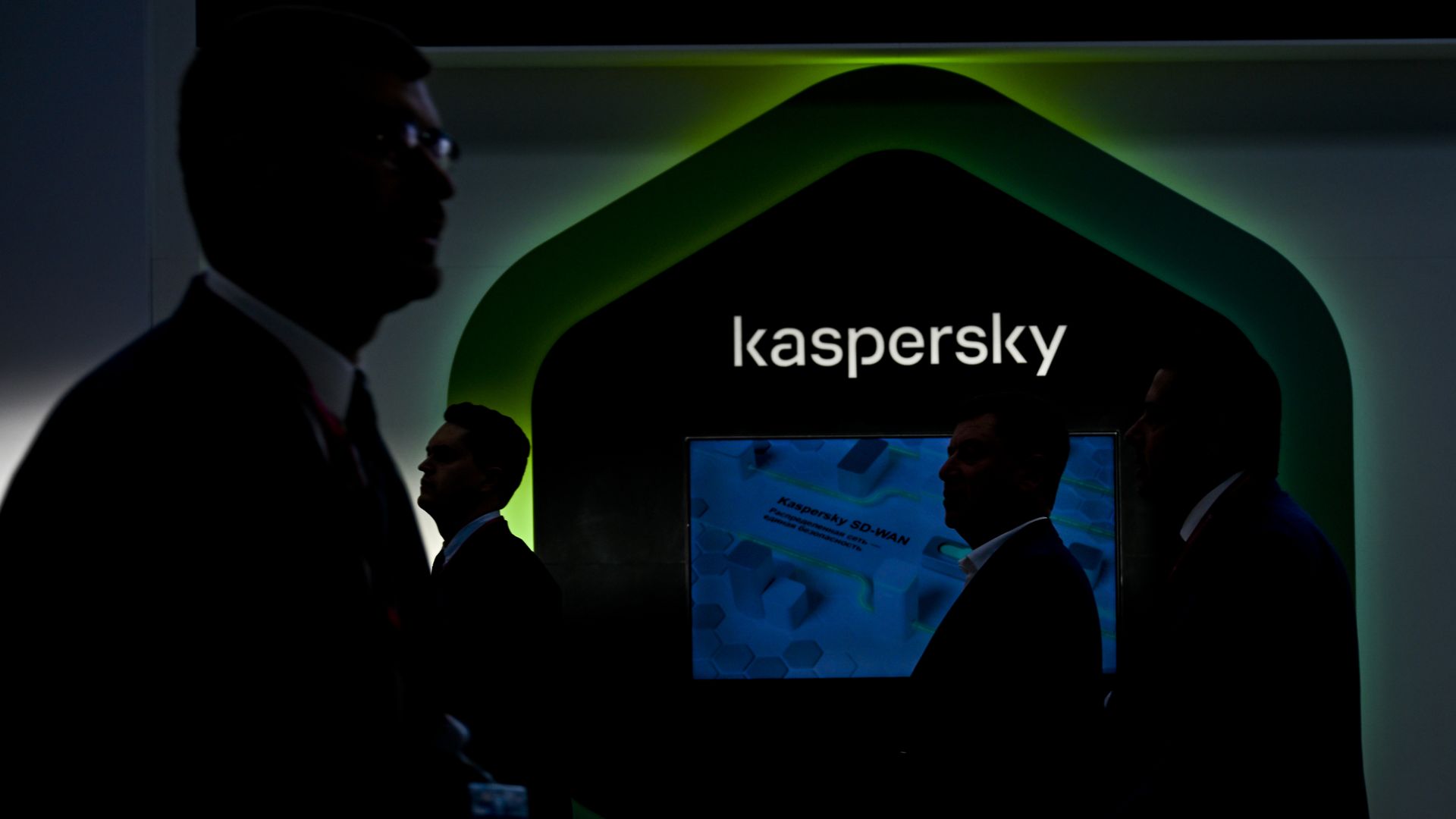
Cybersecurity company Pango is acquiring all of Kaspersky Lab's U.S. antivirus customers following the Commerce Department's ban on sales of the Russian antivirus software.
Why it matters: Without the deal, existing Kaspersky U.S. customers would have stopped receiving software updates to the antivirus tool later this month.















/2024/09/04/1725485765245.gif?w=3840)

/2024/09/04/1725449980959.gif?w=3840)