Exclusive: Kaspersky offloads U.S. antivirus customers to Pango Group

Add Axios as your preferred source to
see more of our stories on Google.
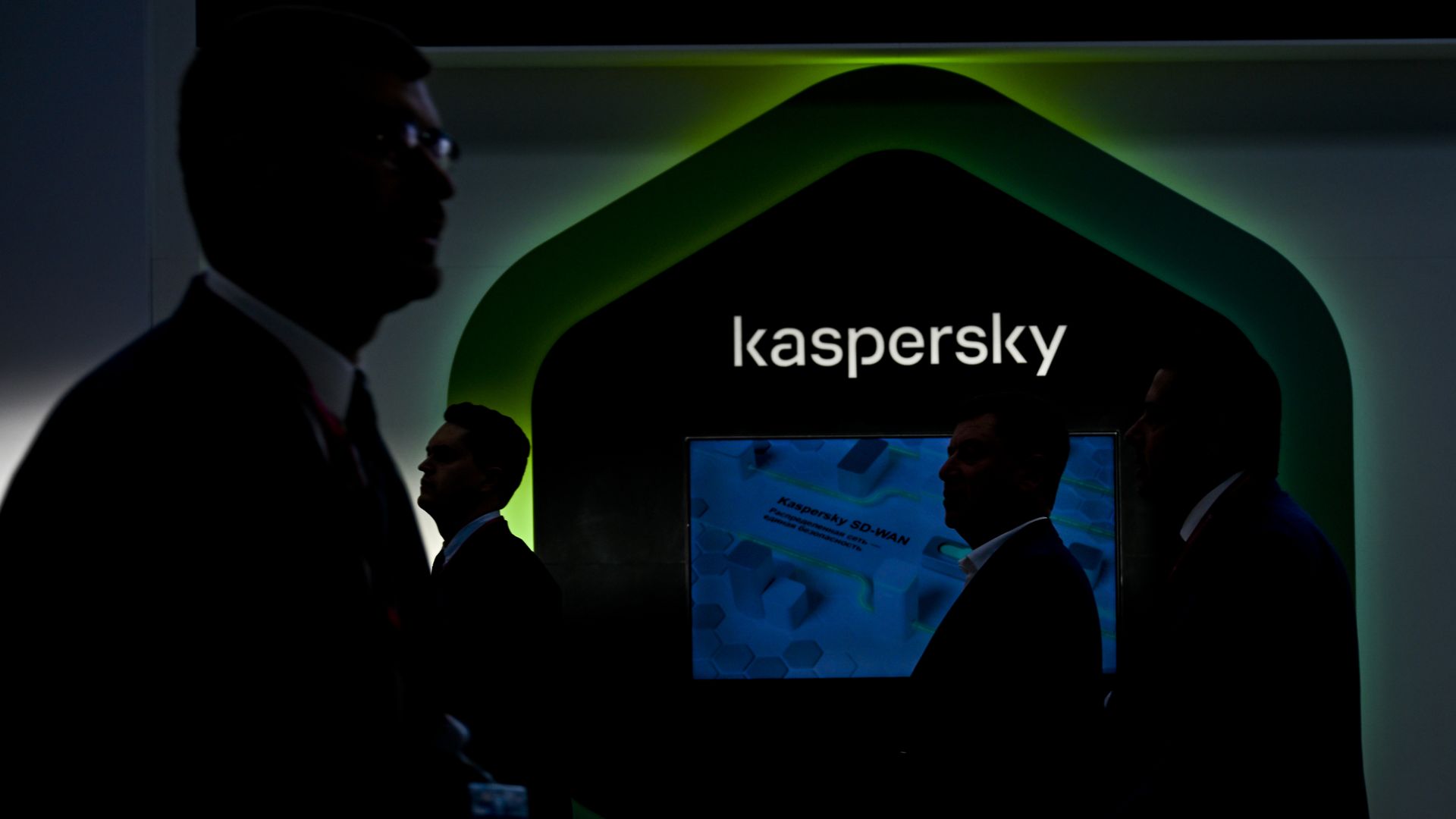
Photo: Sefa Karacan/Anadolu Agency via Getty Images
Cybersecurity company Pango is acquiring all of Kaspersky Lab's U.S. antivirus customers following the Commerce Department's ban on sales of the Russian antivirus software.
Why it matters: Without the deal, existing Kaspersky U.S. customers would have stopped receiving software updates to the antivirus tool later this month.
Zoom in: Pango is acquiring roughly 1 million new users through the deal, Neill Feather, president and chief operating officer at Pango, told Axios.
- Pango owns and offers a portfolio of cybersecurity products, including VPNs, antivirus software and identity theft protection tools.
- Kaspersky customers will transition to Pango Group's antivirus brand, Ultra AV, and were informed of the transition Thursday.
- Feather declined to disclose the deal's financial terms. Kaspersky did not respond to a request for comment.
What they're saying: "The good news is that there's really no action required by customers," Feather said.
- "Those things that they do need to be aware of and need to know, we'll lay out for them in a series of email communications and then we also have our customer support team ramped up and ready to assist."
Catch up quick: The Commerce Department banned all new sales of Kaspersky Lab's antivirus software in the United States starting July 20.
- Current customers were still legally allowed to use the products, but updates would have stopped after Sept. 29.
- As a result of the ban, Kaspersky Lab started winding down its U.S. operations in July and laid off U.S.-based employees.
The intrigue: Once the transition takes place, former Kaspersky U.S. customers will be completely offloaded from the Russian company's IP.
- The U.S. government had worried for years that the Kremlin could pressure Kaspersky into allowing government spies to tap U.S. customers' devices.
The big picture: Pango also became a standalone company this week after Aura, a company known for online safety tools for families and individuals, spun the unit out.
- "It was operating sort of as two separate companies within a holding company, we just went through the actual act of separating it out," Hari Ravichandran, founder and CEO of Aura, told Axios.
Go deeper: Why it took the U.S. nearly 10 years to ban a Russian cyber vendor
