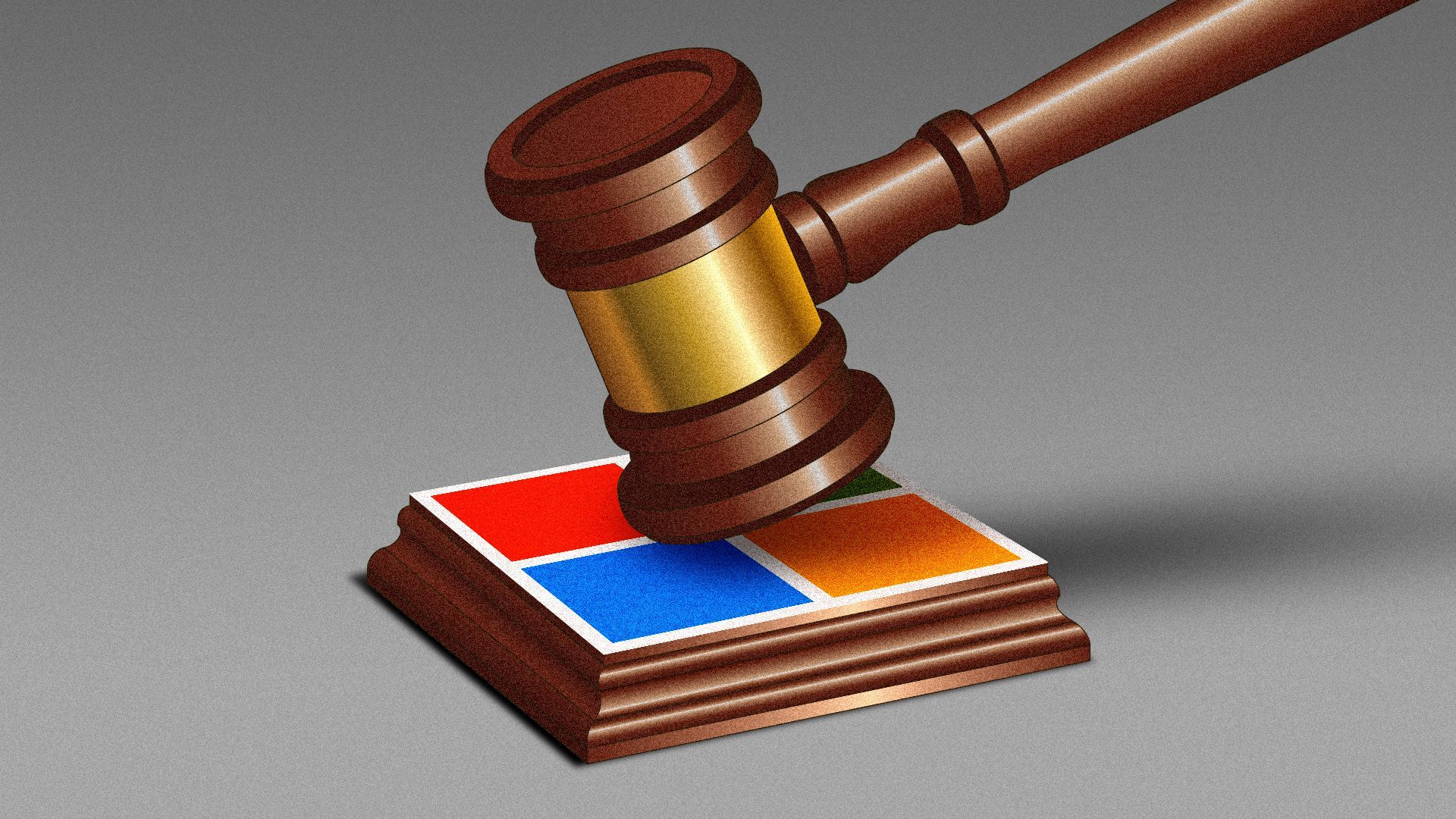
The House Homeland Security Committee is trying to get Microsoft president Brad Smith to testify this month on the company's recent cyberattacks.
Why it matters: Microsoft has recently come under fire in Washington over its cybersecurity practices after a series of high-profile cyberattacks — but it's been years since a congressional committee grilled the tech company on the topic.
The dream of training AI tools to fight cyberattacks without human intervention could soon be a reality.
The big picture: Several AI security companies unveiled products at the RSA Conference this week designed to help mitigate cyber threats before they land on a corporate system.
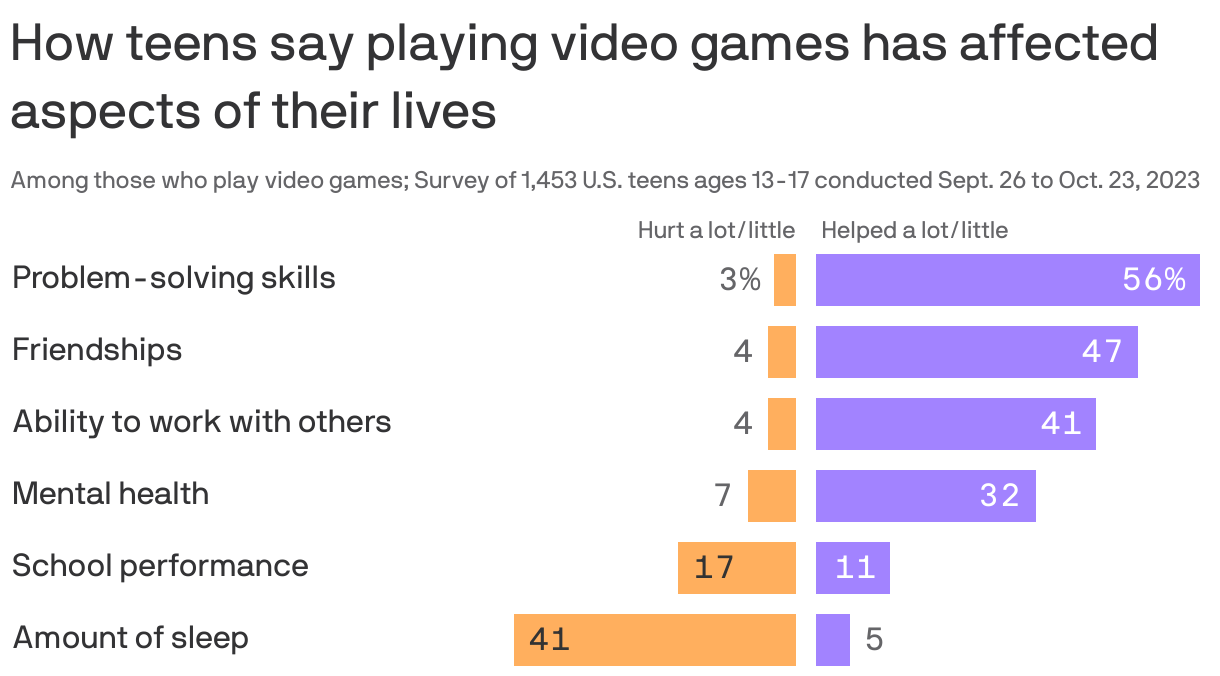
Teenage gamers say video games help them build problem-solving skills, make friends and collaborate — but they also admit to problems like bad sleep habits and cyberbullying, a new Pew Research Center survey finds.
Why it matters: While moral panic over video games and violence are (mostly) behind us, it's still critical to understand how games are affecting young minds — both for good and for ill.
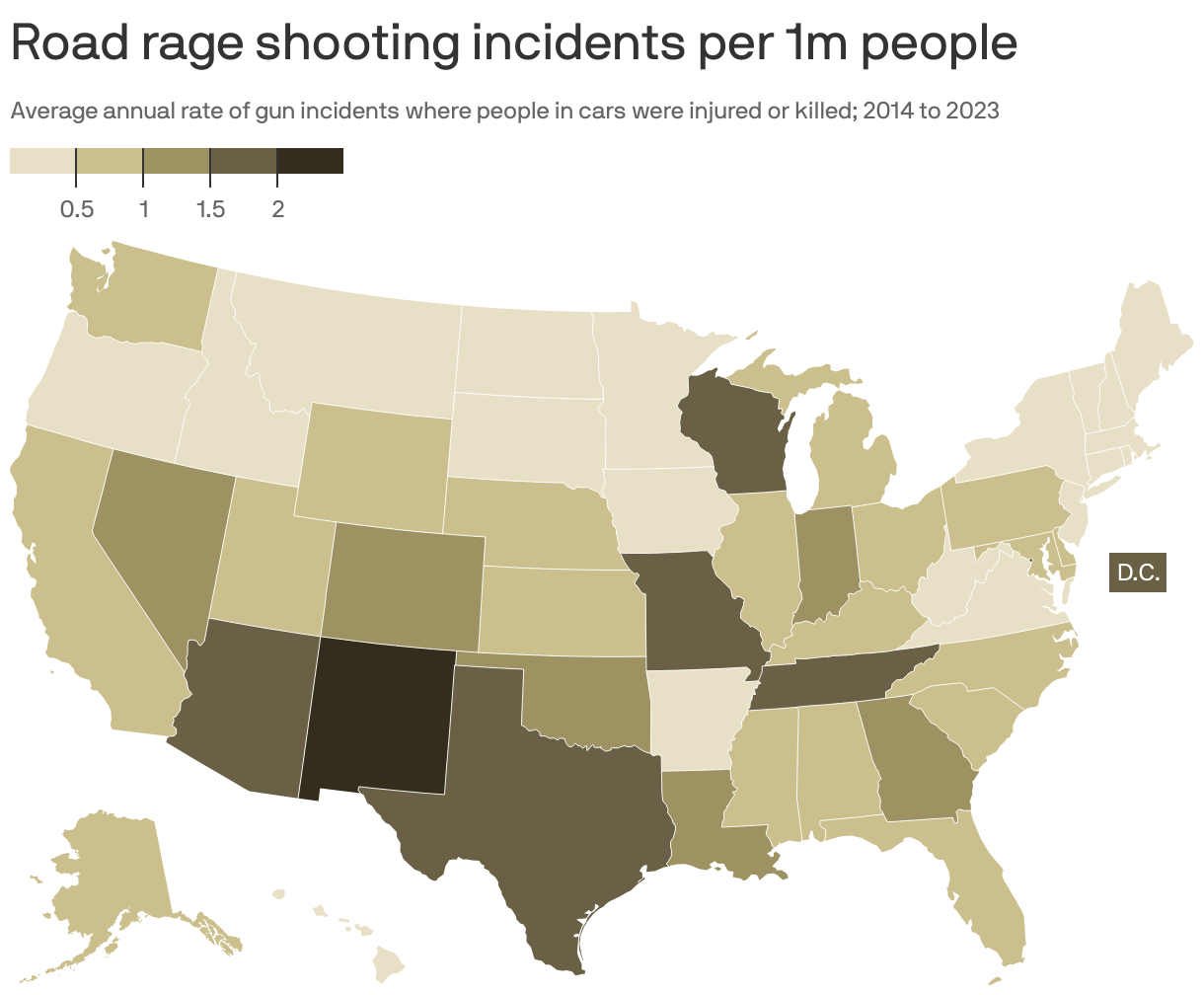
Road rage shooting incidents have skyrocketed over the past decade, a new analysis finds, increasing from 83 nationally in 2014 to 456 in 2023 — a nearly 450% jump.
For the seventh consecutive year, women reported being less satisfied with their jobs than men, according to a new Conference Board survey.
The big picture: Considering the long-standing gender gap in pay and other workplace inequities, perhaps it's not shocking that there's also a difference in the way men and women feel about their jobs.
American Swifties are headed across the pond for the European leg of Taylor Swift's smash-hit Eras tour, which kicked off in Paris this week.
Why it matters: Swift's tour was credited with boosting local economies across the U.S. last year. Many European cities are anticipating the same boom.
Generative AI is not just teaching cyber bad guys new tricks — it's also making it easier for anyone to become a bad guy, said Cybersecurity and Infrastructure Security Agency chief Jen Easterly.
Why it matters: Cybercriminals with AI at their disposal will be able to do more of everything: from phishing and spamming, to acts of blackmail and terrorism, to campaigns of misinformation and election sabotage.
Reddit wants anyone looking to use its public data to make a deal with the company.
"We're going to stay open, but to crawl Reddit or have access to reading content, you need to have some sort of agreement," CEO Steve Huffman told reporters Wednesday afternoon.
Why it matters: Publicly available data is becoming increasingly integral to building certain kinds of new AI businesses, such as ChatGPT or Claude.
Teenage gamers say video games help them build problem-solving skills, make friends and collaborate — but they also admit to problems like bad sleep habits and cyberbullying, a new Pew Research Center survey finds.
Why it matters: While moral panic over video games and violence are (mostly) behind us, it's still critical to understand how games are affecting young minds — both for good and for ill.
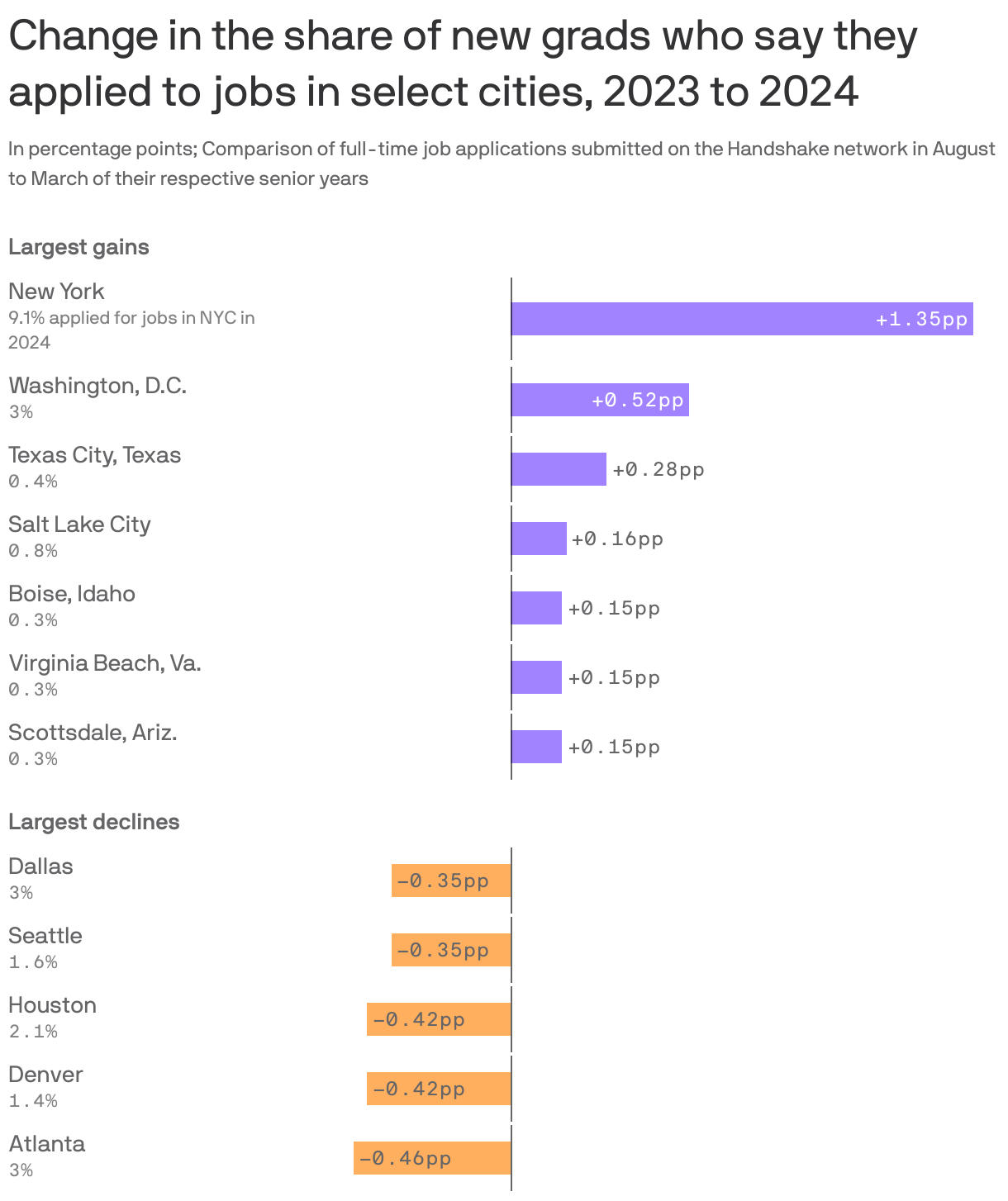
More of this year's graduating college seniors are seeking the security of a government job, and fewer are applying to risky-seeming tech jobs, per Handshake, the campus recruitment website.
Why it matters: The class of 2024 — which Axios has dubbed "the bummer generation" because of how COVID-19 warped the seminal events of their young lives — just wants stability and a comfortable income, thank you.
Austin cookie delivery firm Tiff's Treats is branching out from chocolate chips to gold bullion.
Why it matters: Riding a wave of global interest in the precious metal, the new initiative is a way for the cookie delivery company to expand its appeal in this Amazon-fueled age of immediate gratification.
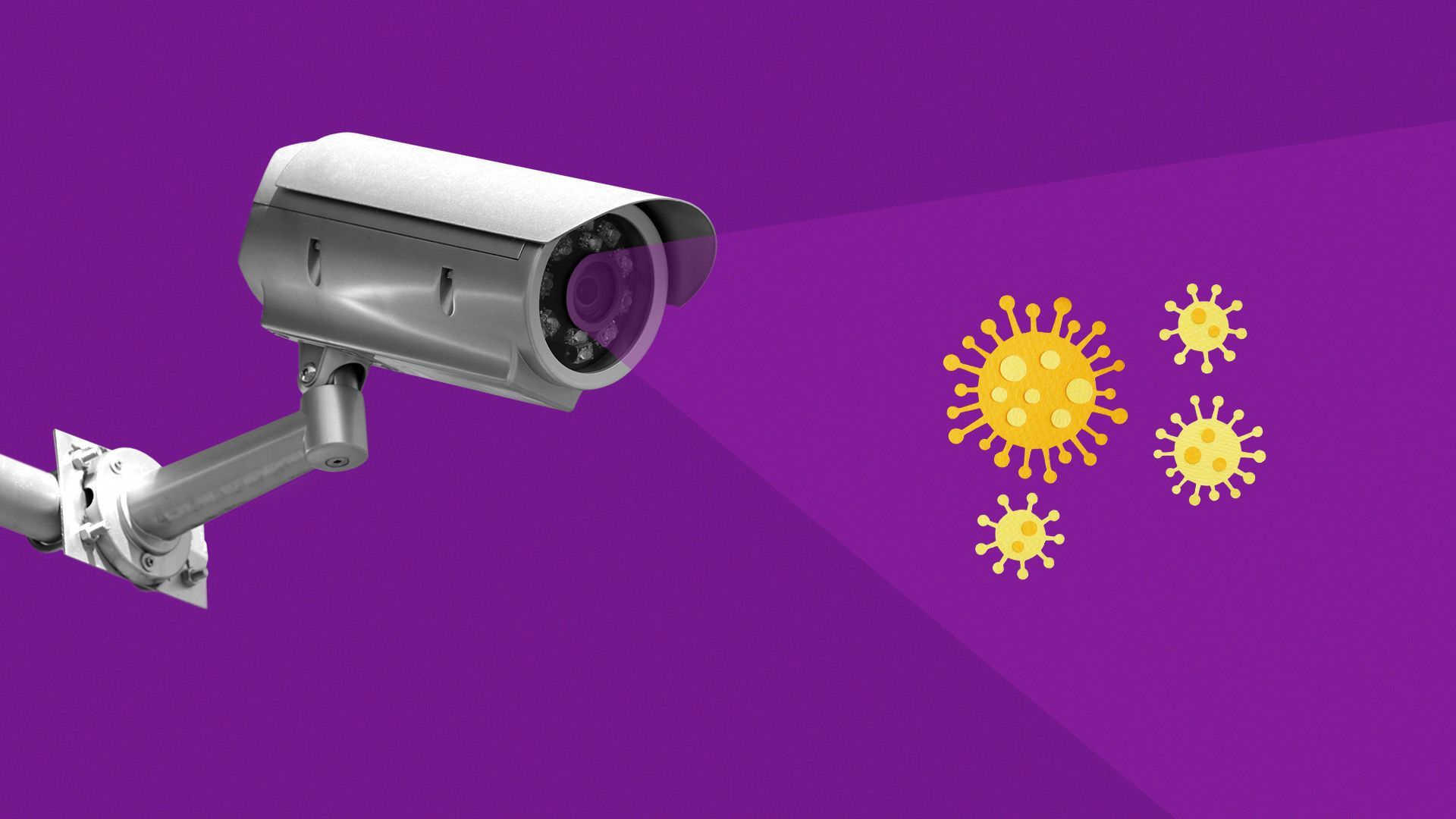
Biosecurity experts say AI-driven "biosurveillance" could help spot the next pandemic or biological attack.
The big picture: An initial surge of concern over the threat from AI-generated superbugs and bioweapons has begun to ebb as AI's advantages in biodefense emerge.
Google DeepMind's AlphaFold AI model, which has already revolutionized scientists' understanding of proteins, has expanded its capabilities in a new version released Wednesday.
The big picture: The new AlphaFold 3 can predict what interactions between nearly all of the molecules that form the basis of life look like — and that could open roads to new drugs or more resilient crops.