A former Google software engineer, Linwei Ding, has been indicted on charges of stealing AI technology secrets from the company to pass to two Chinese companies, the Department of Justice said Wednesday.
Why it matters: Intelligence and defense officials have been warning for a year that China and other adversaries have ramped up their attempts to obtain American intellectual property and to use AI against American interests.
Why it matters: Two months after the incident, safety investigators still have not determined who is responsible or how it occurred, as the company's safety culture is reportedly unstable.
Nearly two dozen human rights organizations have received funding to help crack down on mercenary spyware vendors.
Why it matters: The grantees are organizations who are usually the first to uncover private dealings between secretive spyware vendors and governments looking to surveil journalists, dissidents and politicians.
IBM has been using Adobe's Firefly to produce marketing materials and found the AI image generator produced higher engagement than non-AI campaigns, according to a case study being released today and shared first with Axios.
Why it matters: While interest in generative AI is high among companies, many are still trying to decide if the tools save time and money and are reliable enough for corporate use.
AI can be regulated using templates from industries including financial services, cybersecurity and nuclear energy, a new advocacy group says.
Why it matters: Americans for Responsible Innovation launched Wednesday in an attempt torefute Silicon Valley's criticismthat Washington doesn't know how to regulate its revolutionary products.
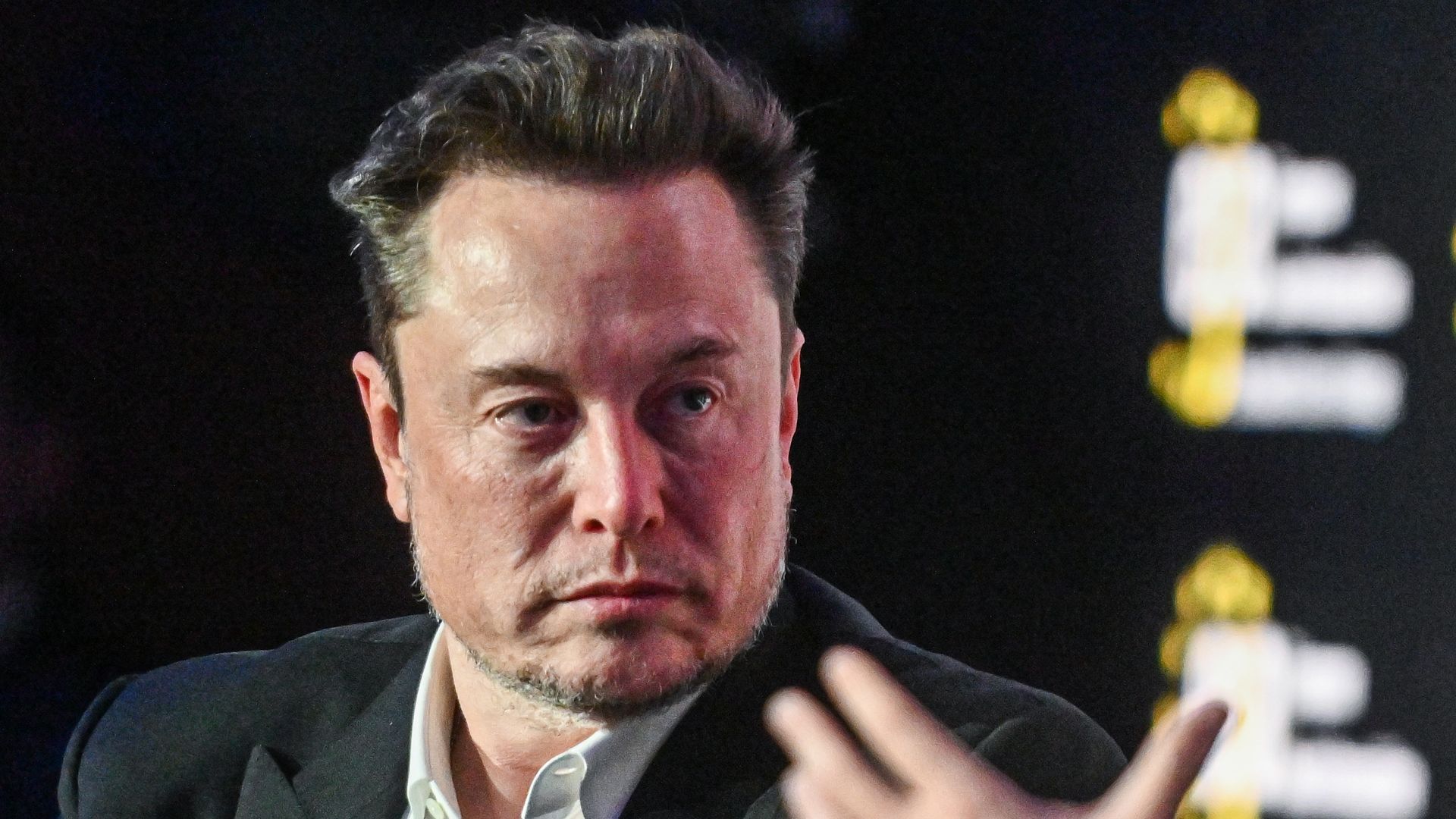
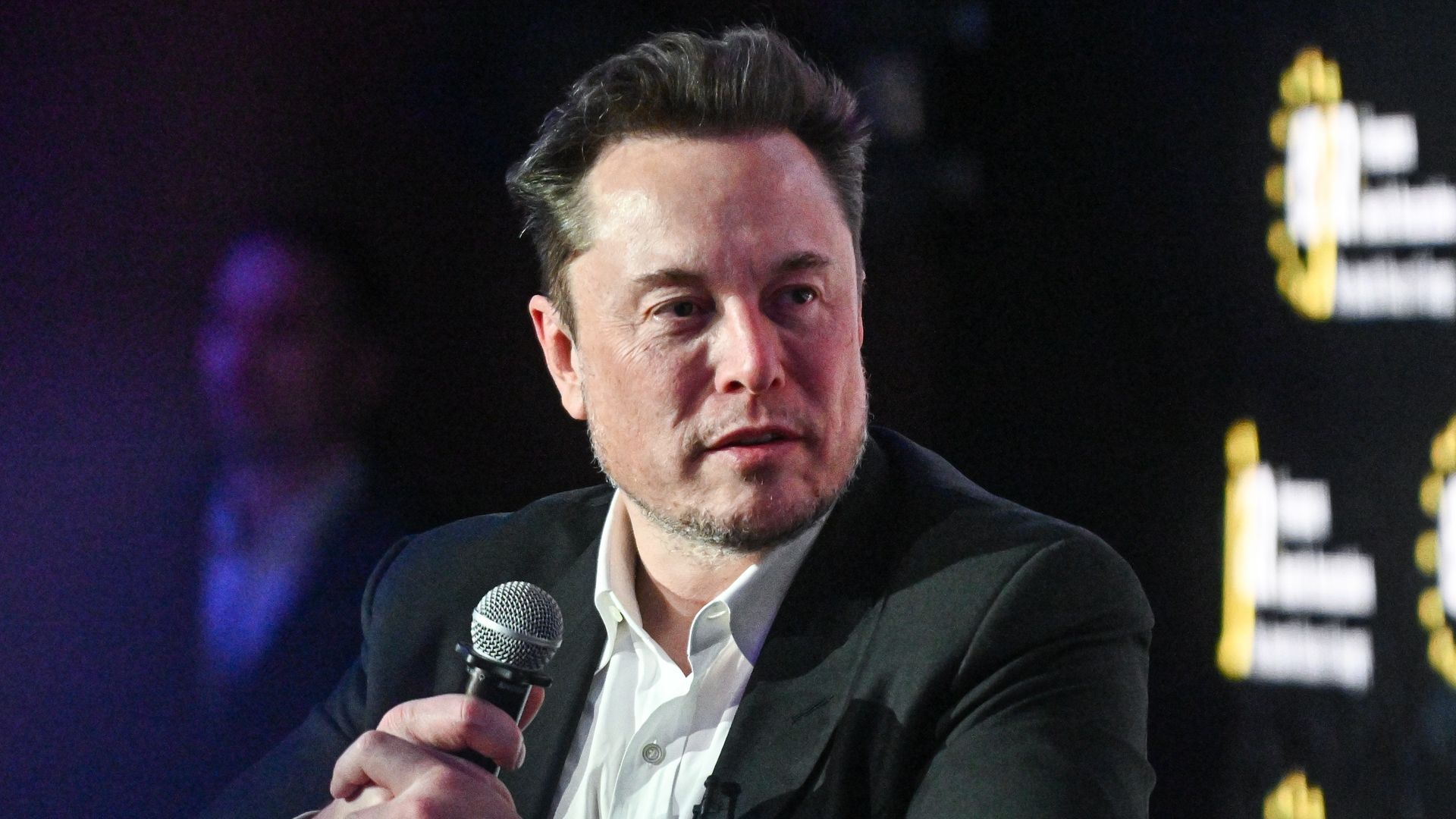
Music publishers accusing X of widespread copyright infringement can proceed with parts of their lawsuit against Elon Musk's platform formerly known as Twitter, but a federal judge dismissed several key aspects of it.
The big picture: U.S. District Judge Aleta Trauger said in a Tuesday ruling in Nashville, Tennessee, that the "ultimate questions presented" by the 17 music publishers in this case remained: "whether and to what extent X Corp. may be liable for the infringing acts of users on its platform."
OpenAI on Tuesday hit back at Elon Musk's lawsuit against the company, releasing a series of emails that shows him agreeing with the company's plan to raise more money and gradually move away from open-source releases of its products.
Why it matters: OpenAI says that, contrary to Musk's charges, it remains committed to its mission of achieving artificial general intelligence for humankind's good — but it alsoisn't going to take punches or cede moral high ground to Musk.
An Atlanta-based law firm is going after your favorite video games to save young people from gaming addictions.
Why it matters: Streaming and digital gaming is an increasingly popular pastime for millions of children nationwide, and it's driving debates about the severity of what the World Health Organization has deemed to be a health disorder.
Elon Musk's lawsuit against OpenAI is adding to a large and growing list of legal actions that could impair the company as it seeks to maintain its lead in the fast-changing world of generative AI.
Why it matters: Several of the lawsuits threaten to upend the way the company does business and, even if they aren't successful, the courtroom battles could distract the company and take energy away from its business efforts.
The staggering shortage of Latinos working in tech is a problem that has to be addressed holistically and as early as grade school, according to a new report.
Meta platforms including Facebook and Instagram are back online after a "technical issue" caused a widespread outage earlier in the day.
The big picture: Self-reported outages on both platforms surged after 10 am ET Tuesday, reaching more than 583,000 reports on Facebook alone, according to the tracking site Downdetector.
Sometimes there's a simple solution to an intractable problem. The sort of thing that feels obvious, but only in retrospect.
The problem: Online publishers and other content creators face an existential crisis, as AI eventually will help search engines provide contextual, ad-supported answers instead of link-based traffic.
Hackers increasingly rely on legitimate user accounts over malware to break into some of the biggest companies.
Why it matters: Finding someone's password or authentic browser session tokens is pretty easy on the dark web thanks to a growing dark-net market where hackers buy and sell information stolen from years of data breaches.
The Treasury Department sanctioned the Intellexa spyware consortium over reports that the company has been selling systems to governments who abuse the technology to target U.S. officials, journalists and and activists.
Why it matters: This is the first time the Treasury Department has sanctioned a spyware organization, a senior administration official told reporters Tuesday.
CapitalG, Alphabet's venture capital fund, is investing $50 million in Series E funding in insider risk company Dtex Systems, the companies first tell Axios.
Why it matters: The tech giant's investment gives a vote of confidence to Dtex's bet that insider risk will become the next big cybersecurity market.
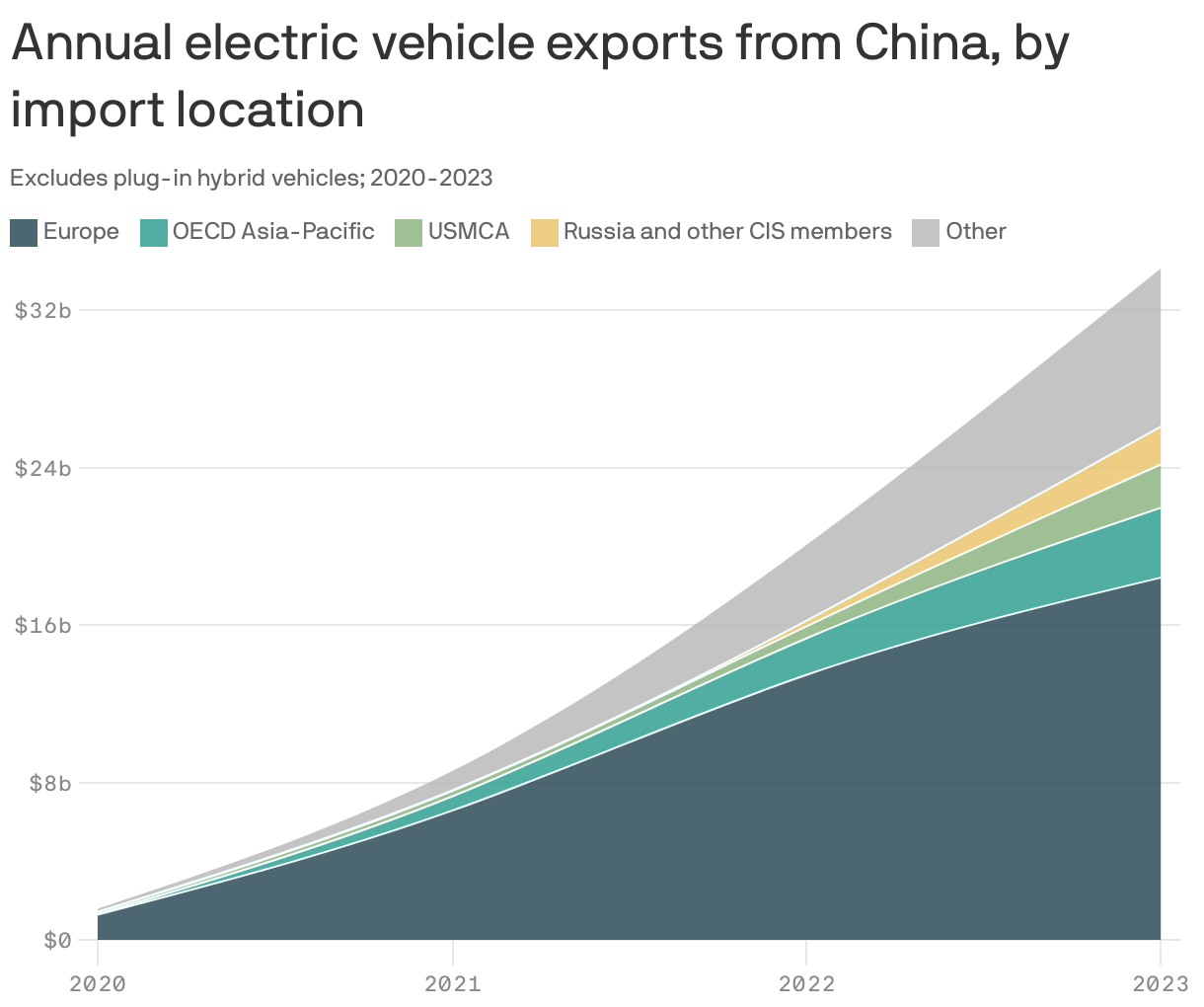
China's rapidly rising electric vehicle exports are forcing the White House to weigh climate goals against industrial policy — and the latter has the upper hand for now.
Why it matters: The world's second-largest economy is cranking out lots of affordable EVs, just as the White House increasingly views chargeable cars as a weapon in the fight against global warming.
Amazon is bringing generative AI to online shopping with Rufus, a chatbot, currently in beta, that can help with personalized gifts and other tasks.
Why it matters: Purpose-built chatbots have the potential advantage of being less prone to hallucination since they can be trained on specific data, in this case Amazon's massive database of products and reviews.
OpenAI is expanding its communications function with the addition of new product, policy and partnerships comms leads, Axios has learned.
Why it matters: The OpenAI PR team, which has doubled in size over the last year, is focused on winning over audiences amidst increased regulatory pressures, legal woes and skepticism among the general public.
Trust in AI technology and the companies that develop it is dropping, in both the U.S. and around the world, according to new data from Edelman shared first with Axios.
Why it matters: The move comes as regulators around the world are deciding what rules should apply to the fast-growing industry.
Elon Musk was hit with a lawsuit Monday from four former senior Twitter executives, including former CEO Parag Agrawal, who allege he owes them more than $128 million in unpaid severance.
The big picture: The former executives claim in the complaint that he fired them soon after he led the takeover of the company now known as X "without reason, then made up fake cause and appointed employees of his various companies to uphold his decision."













/2024/03/03/1709496229243.gif?w=3840)