A simple error where Okta users are incorrectly typing their passwords into the username field during login could be leaving them exposed to future attacks.
Driving the news: Researchers at cloud security firm Mitiga found in a report Thursday that identity management company Okta records the information shared during failed login attempts in easily accessible plain text.
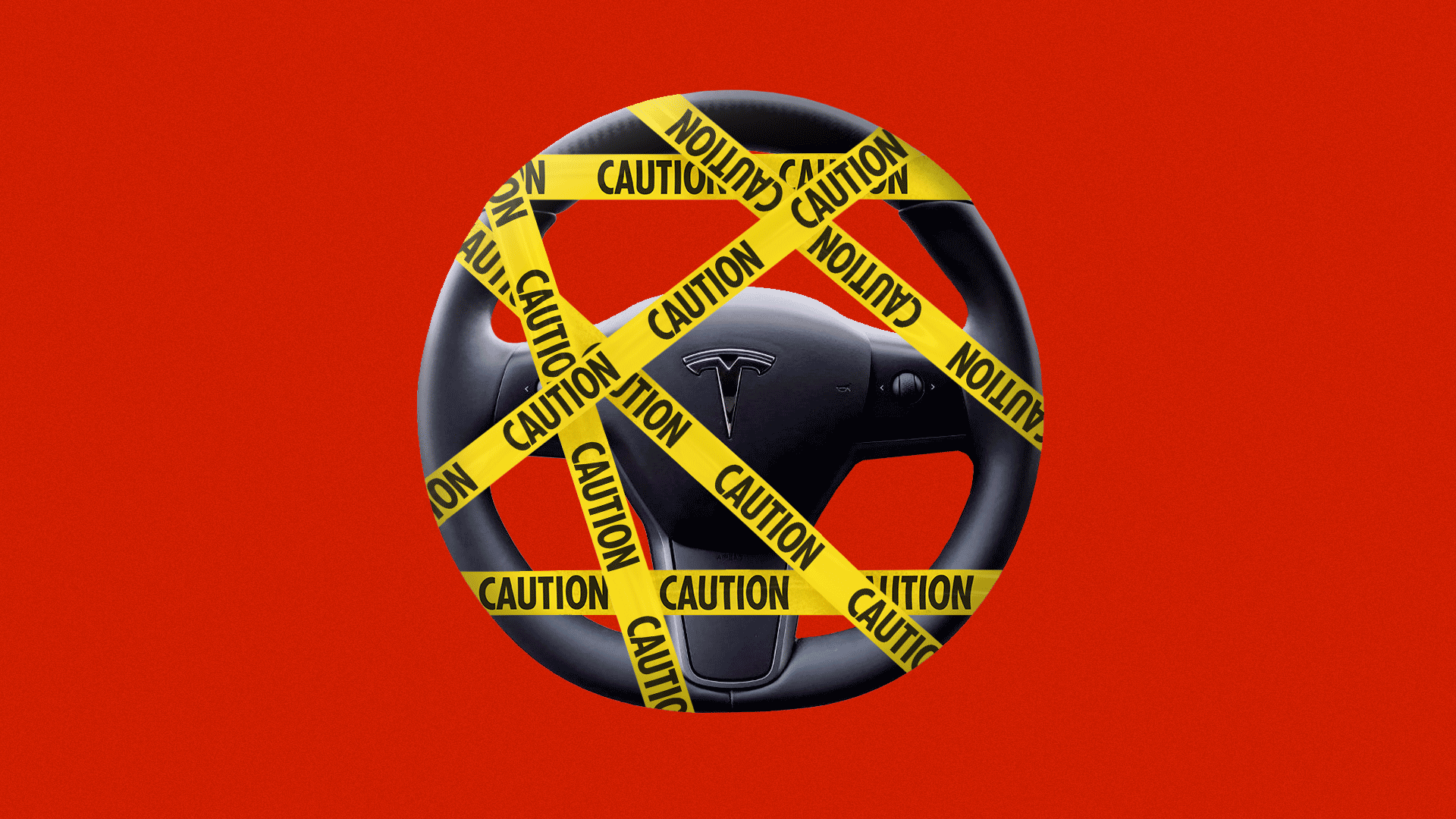
Researchers at French cybersecurity firm Synacktiv are walking away with $350,000 and a new Tesla after hacking into a Tesla Model 3's energy management and infotainment system during a hackathon this week.
Driving the news: During this week's Pwn2Own hacking competition in Vancouver, Canada, hosted by Trend Micro's Zero Day Initiative, security teams have broken into Teslas, Microsoft's Windows 11 and Apple's macOS.
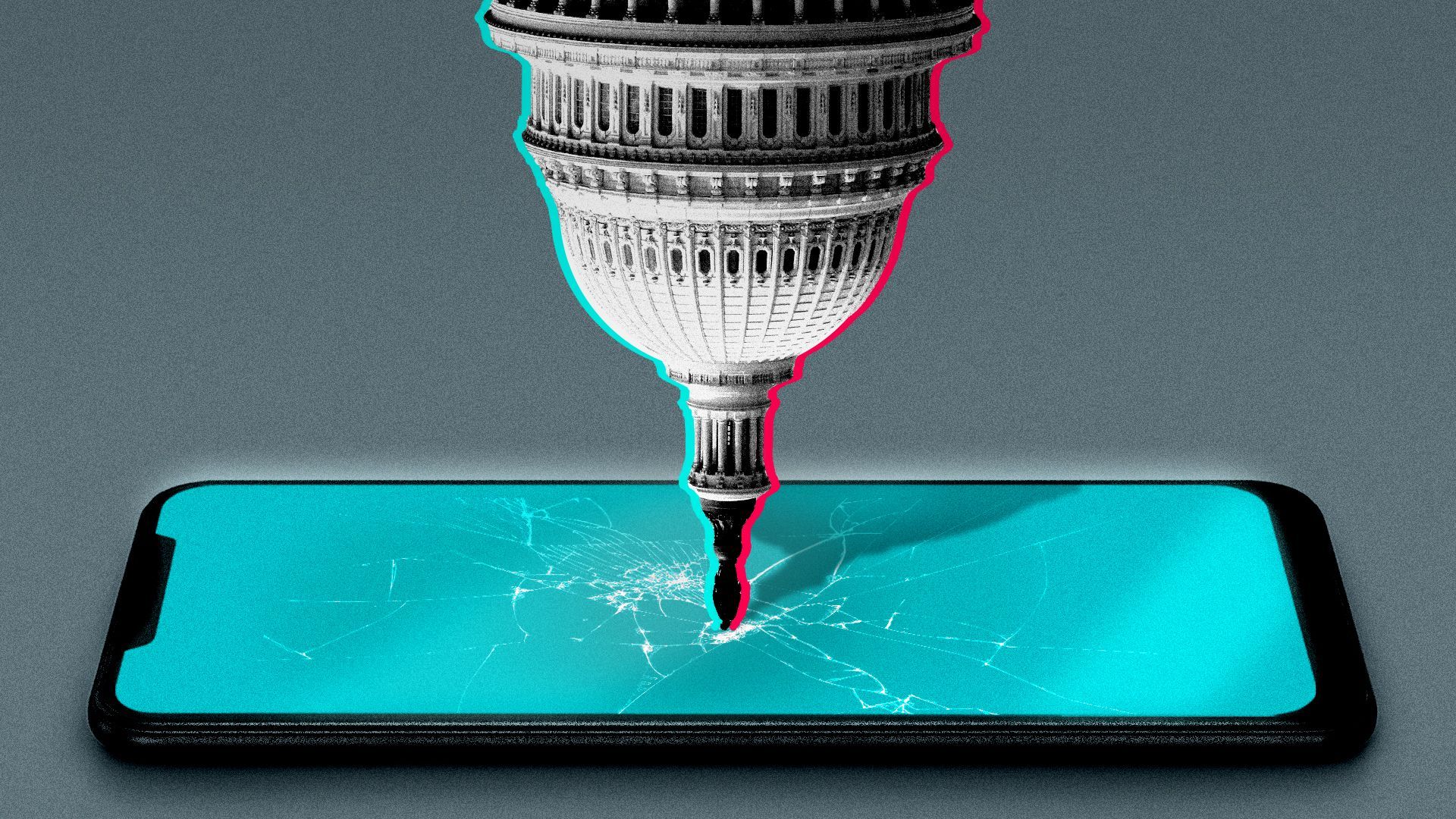
TikTok's biggest problem isn't its data security programs, it's the race between the U.S. and China to become the world's dominant cyber superpower.
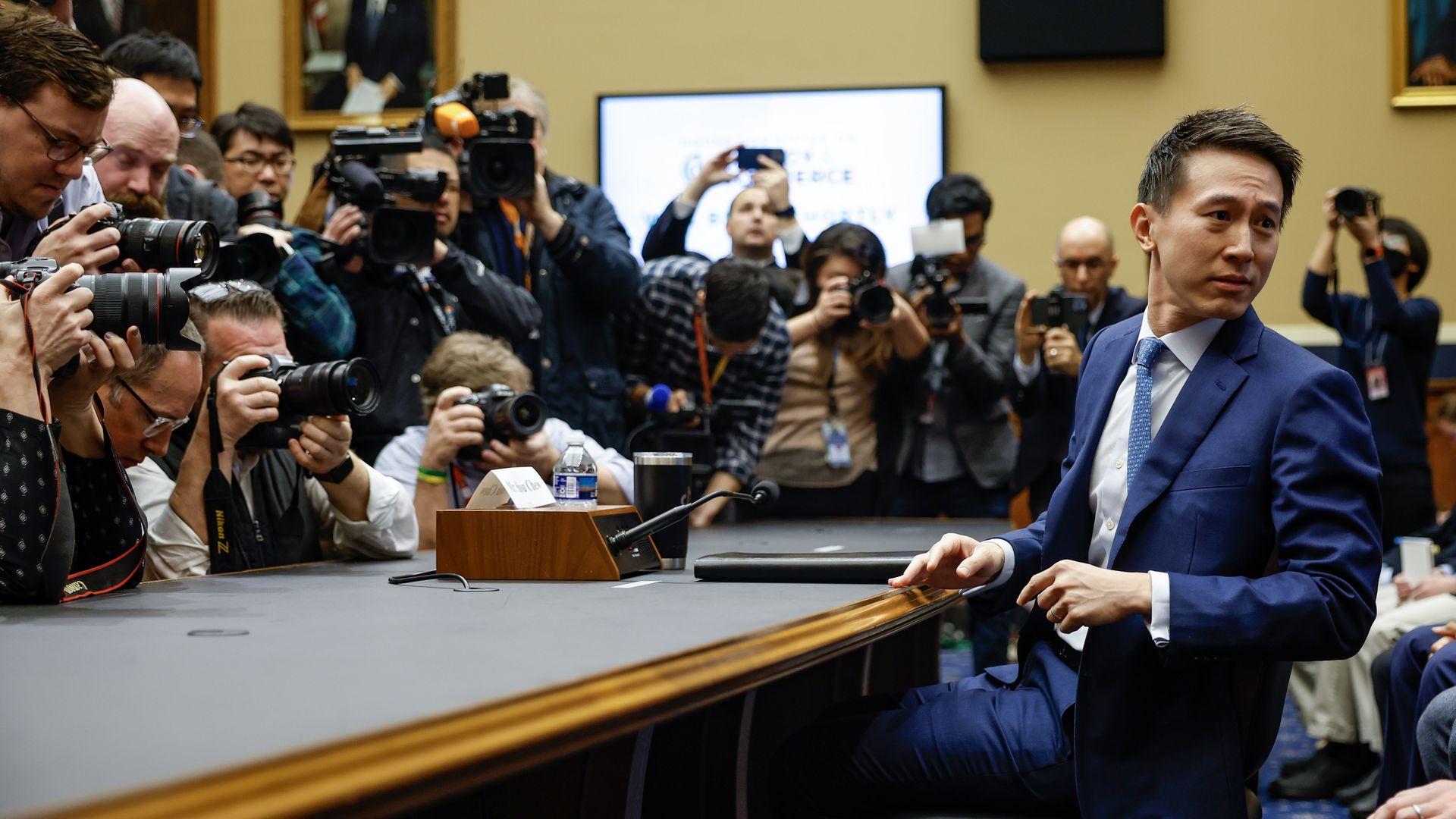
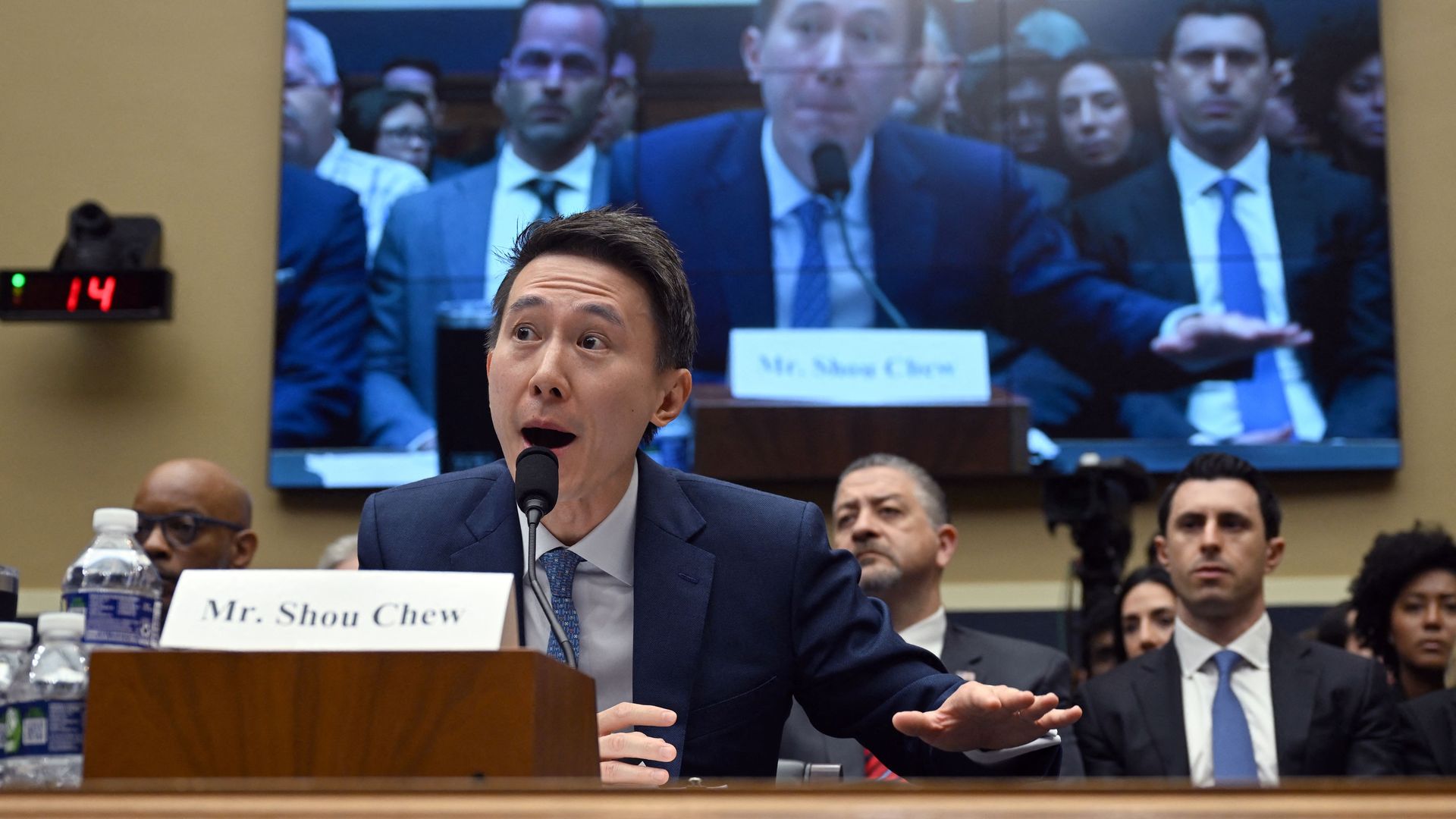
Driving the news: TikTok CEO Shou Zi Chew's testimony before the House Energy and Commerce Committee Thursday did little to sway lawmakers who argue that the Chinese government could harness millions of Americans' TikTok data.
TikTok's future in the U.S. is most likely to be determined by the courts, rather than by politicians, executives or influencers.
Driving the news: Congress gave the social media company no quarter yesterday, in a four-hour hearing that mostly vacillated between moral panic and red scare.
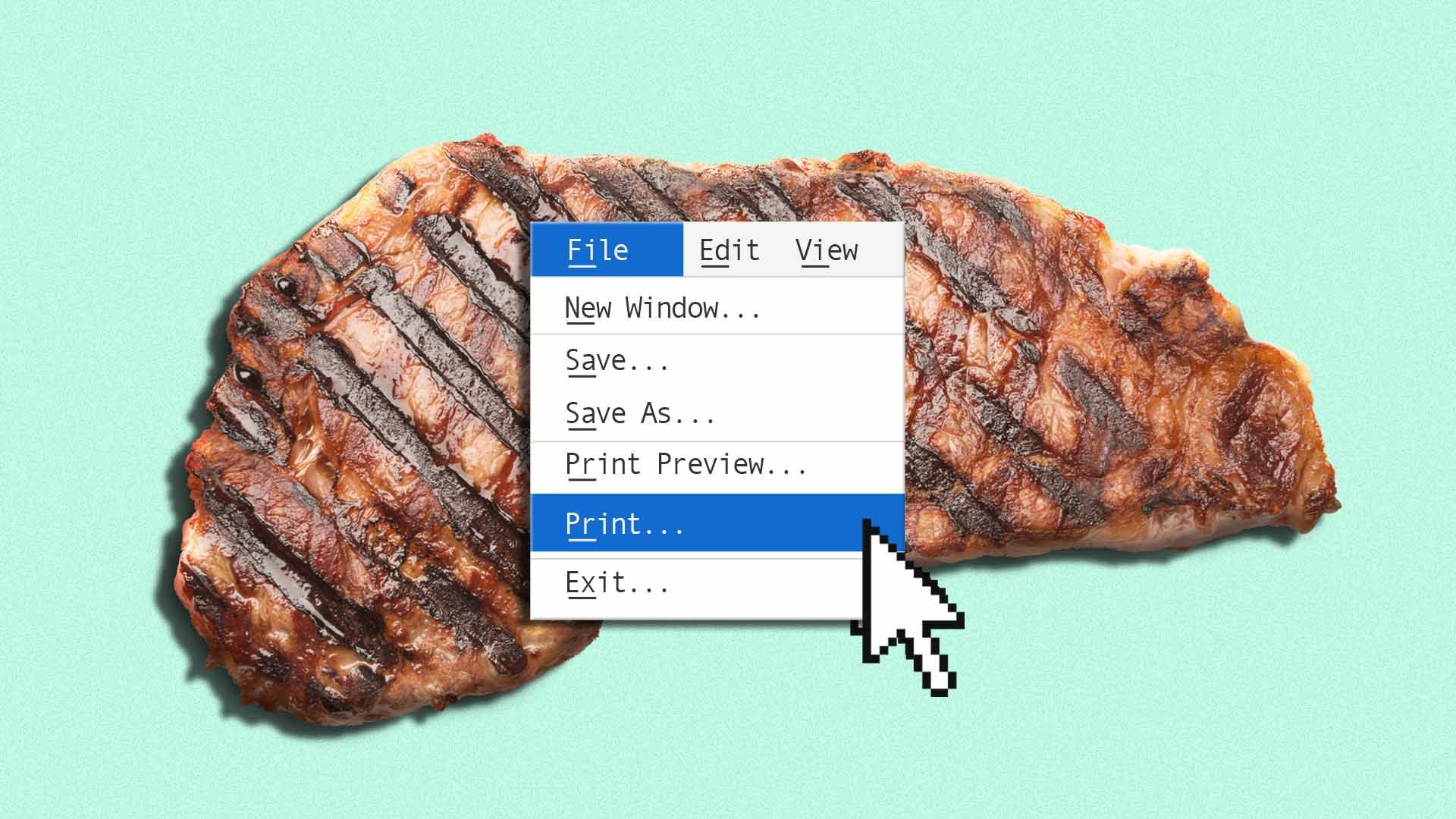
When it comes to 3D-printed food, there is a best-practice "recipe" that overcomes some major manufacturing hurdles of this emerging sector, according to a new study.
Why it matters: The latest U.N. climate change report identifies the role of climate warming in exposing millions of people worldwide to acute food insecurity. Some are looking to untapped solutions.
Utah became on Thursday the first state to enact legislation that restricts children and teens from using social media without their parents' consent.
Driving the news: Gov. Spencer Cox (R) signed two bills into law aimed at limiting when and where anyone younger than 18 years old can interact online, and to stop companies from luring minors to certain websites.
TikTok CEO Shou Zi Chewjoined the illustrious club of Big Tech CEOs paraded before Congress for a public flogging, producing a viral spectacle that has hardened lawmakers' animus toward the Chinese-owned app.
Why it matters: The Singapore-born, Harvard-educated Chew faced a near-impossible task as he was grilled by the House Energy and Commerce Committee on TikTok's ties to the Chinese government, data practices and harmful effects on children.
The U.S., Canada, and a number of European governments in recent months have stepped up efforts to impose restrictions on TikTok, ratcheting up pressure on the Chinese-owned app even as U.S.-China relations have grown increasingly strained.
The latest: TikTok's CEO Shou Zi Chew defended the company from charges that it poses a national security threat, testifying on March 23 for the first time in front of U.S. lawmakers who advocated for banning the app.
TikTok's CEO Shou Zi Chew defended the company Thursday from charges that it poses a national security threat in a hearing before lawmakers who fiercelyadvocated for banning the popular short-video app.
Why it matters: The White House and TikTok's critics in Congress say the app, which has 150 million U.S. users, puts their data at risk because TikTok is owned by ByteDance, a Chinese company.
It was a near-perfect split screen: As lawmakers ripped TikTok in a congressional hearing with the company's CEO on Thursday, the app’s users took to the platform to defend it.
Driving the news: A hashtag — #tiktokhearing — garnered 2.8 million views as of 3:30 pm.
Character.ai, a personalized AI chatbot developer, raised $150 million led by Andreessen Horowitz at a $1 billion post-money valuation.
Why it matters: The company seeks to provide "everyone on Earth with their own AI," from everything from entertainment to information to emotional connection. Sure that sounds like science fiction, but so did the idea of everyone having a supercomputer in their pocket.
Air mobility startup Archer Aviation and United Airlines are working to bring air taxi service to Chicago, the companies announced Thursday.
The planned service will run between O'Hare International Airport (a vital United hub) and Vertiport Chicago, a helicopter facility about three miles west of the city's South Loop.
China would “resolutely oppose” the U.S. forcing ByteDance to sell its stake in the U.S. version of TikTok, a spokesperson for Beijing's Ministry of Commerce said Thursday.
Driving the news:Such a sale “would seriously damage investors from multiple countries including China” and harm “confidence to invest in the United States,” said Shu Jueting, the spokeswoman.
The Federal Trade Commission is proposing amending a federal rule so consumers can more easily cancel recurring subscriptions, the agency announced Thursday.
Why it matters: The proposal, which the agency says aims to cover "everything from cosmetics to newspapers to gym memberships," is another move by FTC chair Lina Khan to try to protect consumers in a digital economy.
There's no question that today's generative AI tools are impressive, but it's also clear that the technology is much better at some tasks than others.
Why it matters: Generative AI is being pitched as the solution for everything from boosting productivity to replacing an aging population of workers to making search results more effective. So far, though, it's best when there's less on the line.

















/2023/03/23/1679536180925.gif?w=3840)