Spotify is dialing up its AI game with a new DJ feature that offers chatter about its selections.
Why it matters: The music service is diving further into the ever-emerging artificial technology space — on the heels of other buzzy products like Microsoft's generative AI-powered Bing, which the company says takes learning and advancements from ChatGPT — as an established powerhouse in personalized curation.
Generative AI could change many industries, but it still requires an actual person to interact with it. Enter the prompt engineers — people and firms setting themselves up as experts at getting what you want from ChatGPT and similar tools.
Why it matters: Fulfilling AI’s promise of effective automation and productive brainstorming, many experts believe, will require skilled human operators.
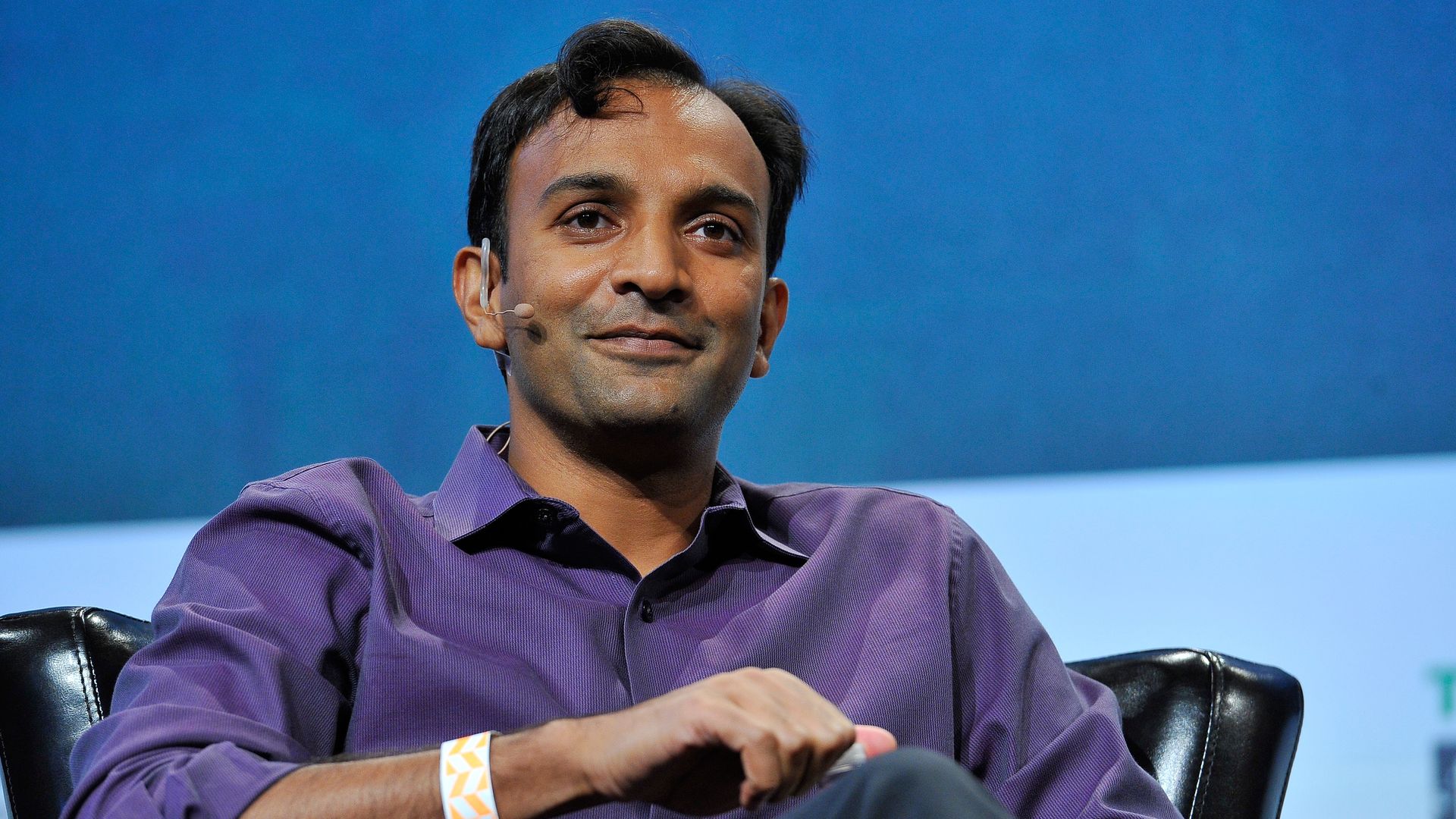
DJ Patil, the first person to serve as U.S. chief data scientist, tells Axios that he's joining venture capital firm GreatPoint Ventures as a general partner.
Why it matters: Patil has long floated around the periphery of the VC industry. He's been an advisor and angel investor who wrote an early check into Figma (being acquired for $20 billion by Adobe), but this is the first time he's taken a full-time position in the sector.
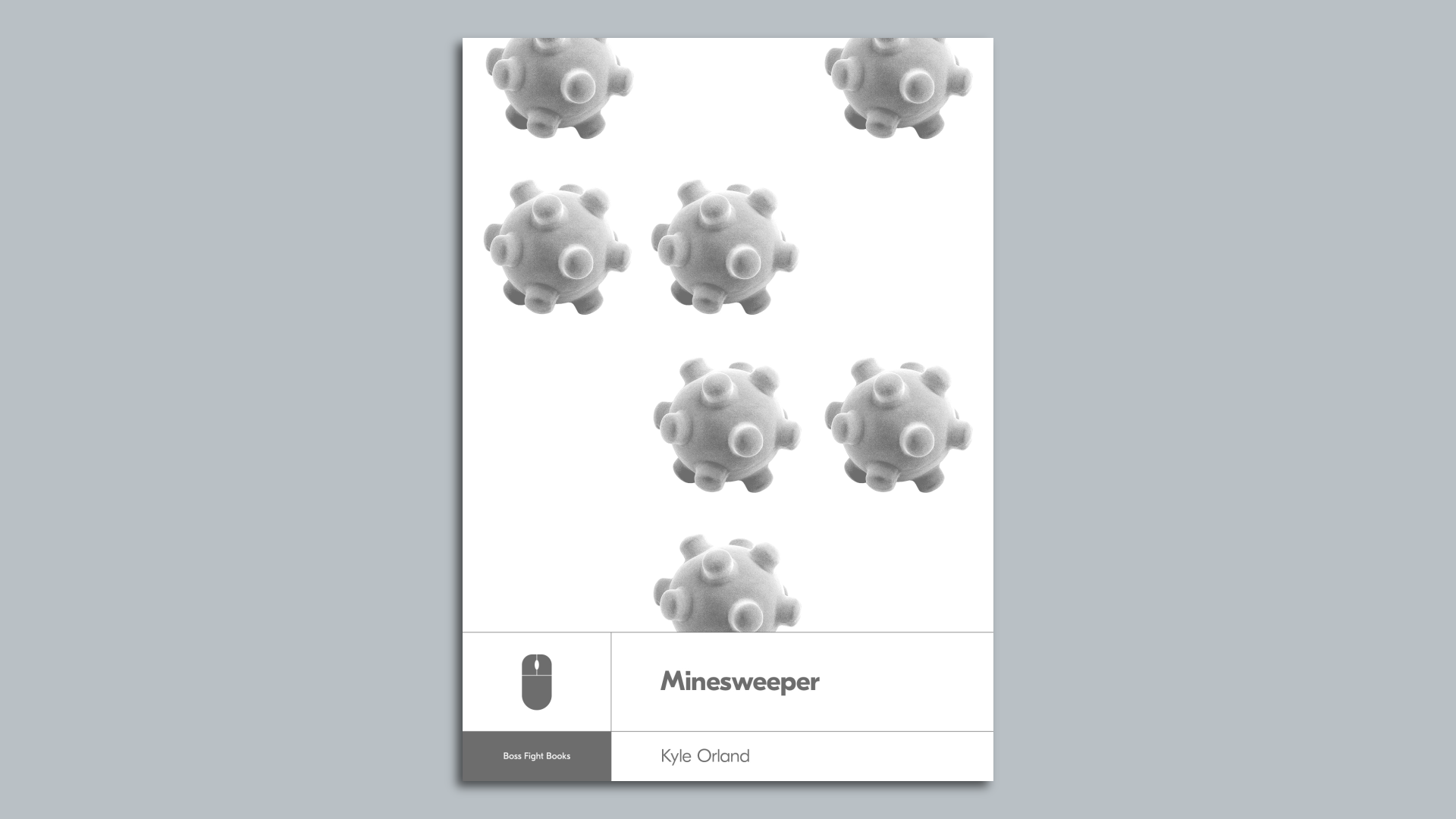
Few games, if any,have been used to procrastinate more than classic Windows clicker Minesweeper, which is the subject of a new book of the same name.
Driving the news: In "Minesweeper" (available for print or digital preorders through Boss Fight Books via Kickstarter), journalist Kyle Orland details the game’s creation and the resistance its creators faced within Microsoft to include a video game as part of Windows.
The creators of the phenomenally successful Genshin Impact are getting close to releasing their next game, Honkai: Star Rail, and already have 10 million people signed up to play.
Why it matters: Chinese gaming powerhouse MiHoYo is rewriting the rules about how to thrive in the industry, and competitors are struggling to keep up.
The Supreme Court heard arguments Tuesday in a landmark tech case, Gonzalez v. Google, grappling for the first time with whether to make big changes in a 1996 law protecting service providers and publishers from being sued over content their users post.
Why it matters: The court's decision could have a far-reaching impact on any website that hosts content created by third parties.
The market for NFTs has gotten smaller. But it hasn't died.
Why it matters: Despite the societal and media urge to eulogize the fall of any once-big thing, more than $480 million worth of NFTs exchanged hands in the past 30 days. Perhaps more importantly, the market is changing in a fundamental way.
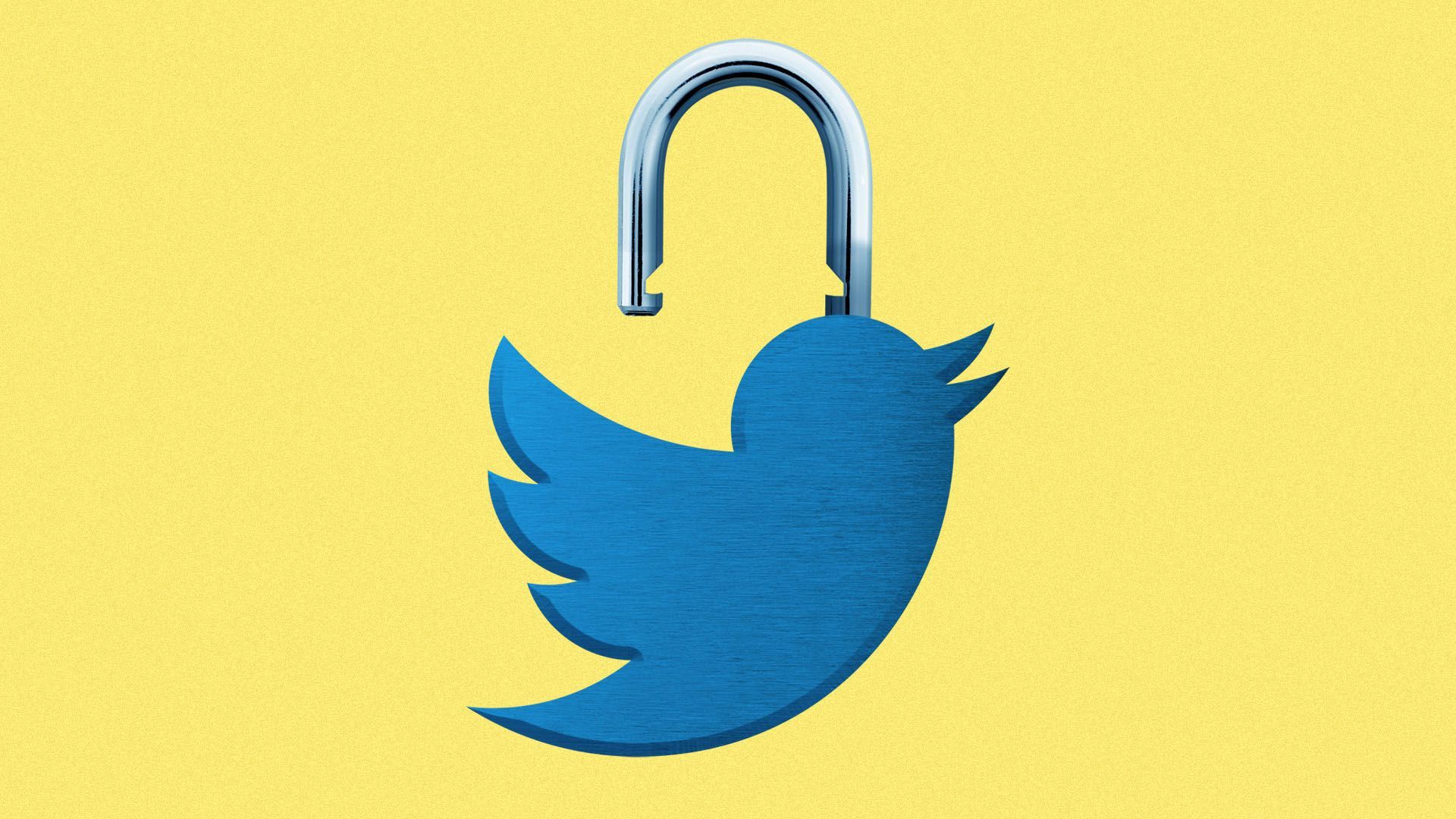
Twitter's decision to stop texting login codes to nonsubscribers is causing confusion about what security tools free users can still enable.
Driving the news: Last week, Twitter started notifying users who don't subscribe to its paid Twitter Blue service that the company will stop sending texts with login codes to users after March 20.
An Axios reader has uncovered a persistent privacy flaw in encrypted messaging service WhatsApp that's proven difficult for the company to squash.
What's happening: Eric — who works in the tech industry but requested we withhold his last name — told Axios he discovered the flaw when his son moved to France for work, got a new SIM card and updated his WhatsApp account with a new phone number.
Paxos Trust, the white-label stablecoin issuer behind Binance's namesake stablecoin binance usd (BUSD), severed its relationship with the crypto exchange, according to an internal company email viewed by Axios.
Faced with a deluge of short stories produced by ChatGPT, a respected science fiction magazine has closed the door on new submissions.
Why it matters: As the generative AI bandwagon gathers momentum, enabling easy mass production of text and images, every inbox is going to need new defenses.
The firestorm over Big Tech and content moderation is coming to a head at the Supreme Court — but some experts fear it's a job the court simply isn’t equipped to do well.
Why it matters: The court has historically not been great at grappling with new technology. As it dives into the political battle over social-media algorithms, there's a real fear that the justices could end up creating more controversies than they solve.
Did Chiefs tight end Travis Kelce perform a dance originated by a Southwest Detroit comedian during the Super Bowl?
It sure looked that way to YN Jay, Flint rapper and viral TikTok sensation behind the song "Percs and Sex," which blew up recently thanks to comedian @JackFunny313's dance moves.
A better quality of life on the internet is becoming increasingly pricey.
Driving the news: The world’s biggest social platforms are experimenting with charging people for everything from improved account security and support, to the promise of wider public exposure.
My recent 1,500-mile road trip in an electric car taught me some valuable lessons — how to get over our initial range anxiety, for example, and how to find the best charging spots.
It also demanded a change in attitude. You're going to be disappointed; just accept it and plan accordingly.
New generative AI tools like OpenAI's ChatGPT, Microsoft's BingGPT and Google's Bard that have stoked a tech-industry frenzy are also capable of releasing a vast flood of online misinformation.
Why it matters: Regulators and technologists were slow to address the dangers of misinformation spread on social media and are still playing catch-up with imperfect and incomplete policy and product solutions.




















/2023/02/19/1676851199892.gif?w=3840)