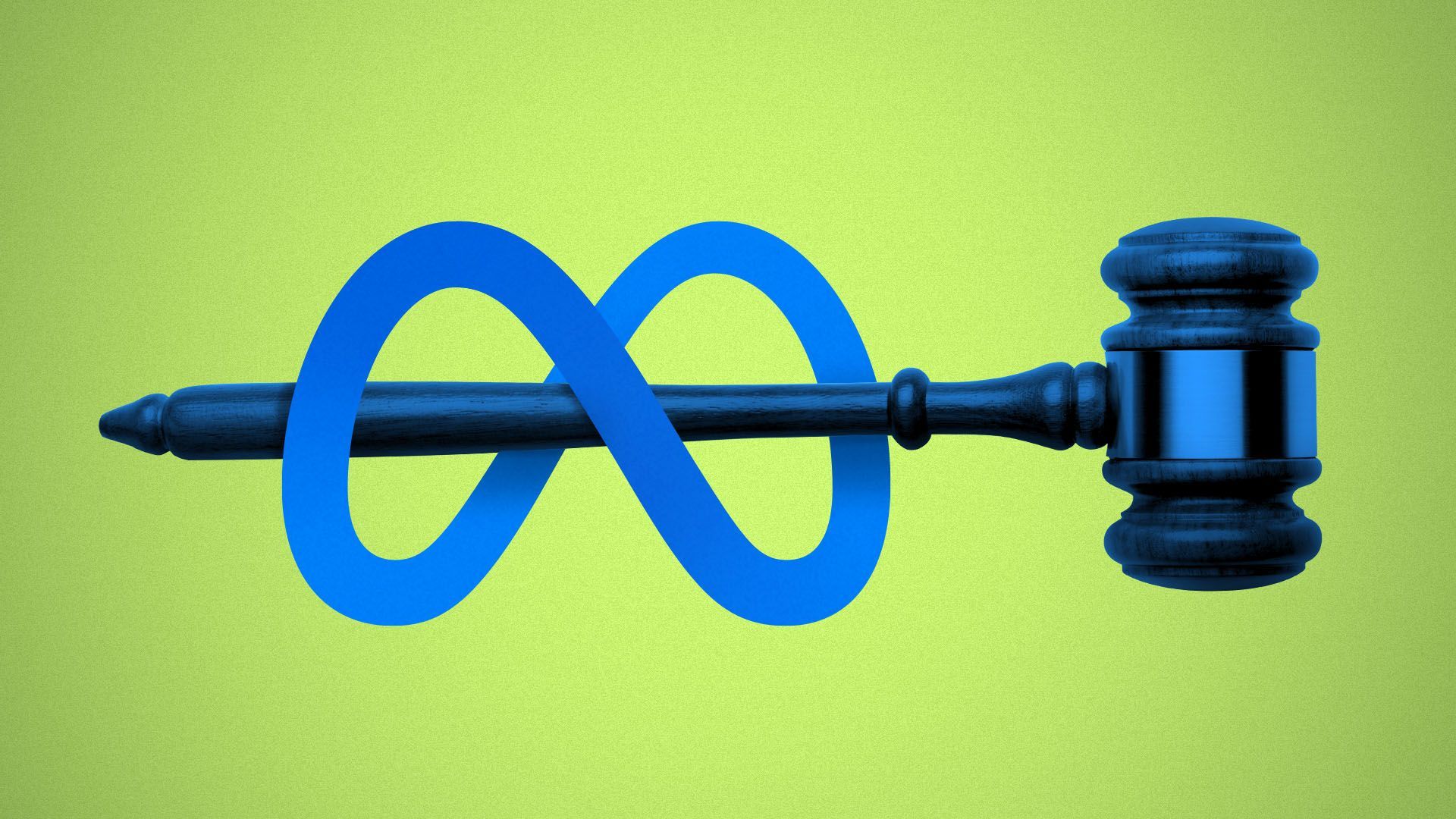
The Federal Trade Commission will not pursue an internal antitrust case to reverse Meta's acquisition of virtual reality startup Within, per a regulatory filing on Friday.
Meta closed its purchase of Within shortly after that decision. Historically, it has been difficult for the FTC to win cases internally after failing to stop a merger in federal court.
Why it matters: Meta can count this as am antitrust win and it marks a major loss for the FTC under chair Lina Khan, who has taken an aggressive stance against tech mergers.
What they're saying: "We’re excited that the Within team has joined Meta, and we’re eager to partner with this talented group in bringing the future of VR fitness to life," a Meta spokesperson said.
Flashback: The FTC first filed to block Meta's acquisition last July, arguing that Meta is "already a key player at each level of the virtual reality sector," per a release.
The FTC argued that a Meta acquisition of Within would reduce future competition in the nascent VR market.
Meta argued that smaller companies like Within often need the resources of larger owners to achieve their potential and reach more customers.
Russian disinformation campaigns have become less successful on a platform once near and dear to the Kremlin: Facebook.
Driving the news: Meta said in a quarterly threat report released Thursday that Russian state media outlets had "significantly reduced their activity on our platforms" during the first year of the war, instead turning to alternatives like Telegram.
Russia's cybercrime underground is starting to recover from the disruptions caused during the ongoing war, which could spell bad news for U.S. companies, experts told Axios.
The big picture: Before the war started, some still hoped Russian President Vladimir Putin might crack down on the deluge of ransomware gangs in his country.
The last year of Russian cyber aggression has never prompted the all-out cyber war many feared, calling into question how cyber tools will realistically be used in future wars.
The big picture: A year into the invasion, Russia's most aggressive cyberattacks have stayed inside Ukraine — rarely taking a highly anticipated turn toward Western allies.
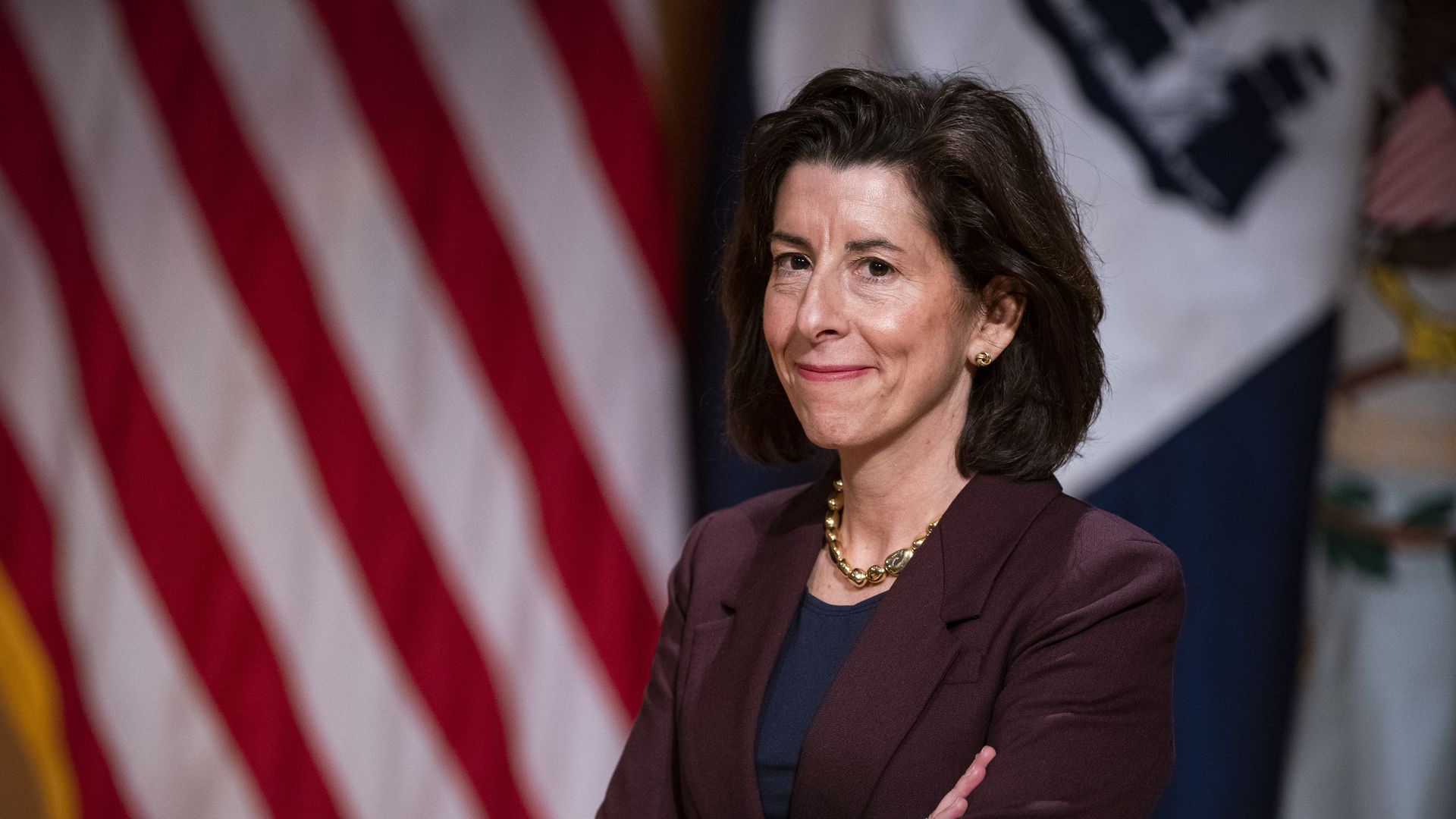
Commerce Secretary Gina Raimondo said Thursday the Biden administration wants to use the $52 billion CHIPS Act to create two new "clusters" in the U.S. for manufacturing semiconductors.
What's happening: The Commerce Department plans to open applications next week for companies to seek funding under the law, passed last year.
Commercial window washing is still handled primarily by humans on scarily high perches, but now — thanks to a handful of startups — robots are poised to disrupt the industry.
Why it matters: It's safer and faster to use a robot to cleanse a skyscraper — plus, they don't need meals or smoke breaks.
New generative AI systems like ChatGPT and Dall-E raise a host of novel questions for a legal system that always imagined people, rather than machines, as the creators of content.
Why it matters: The courts will have to sort out knotty problems like whether AI companies had rights to use the data that trained their systems, whether the output of generative engines can be copyrighted, and who is responsible if an AI engine spits out defamatory or dangerous information.
Boeing has temporarily halted deliveries of its 787 Dreamliner jets after notifying the Federal Aviation Administration that it's conducting "additional analysis on a fuselage component,” the FAA said Thursday.
Driving the news: "Deliveries will not resume until the FAA is satisfied that the issue has been addressed,” the agency confirmed to Axios.
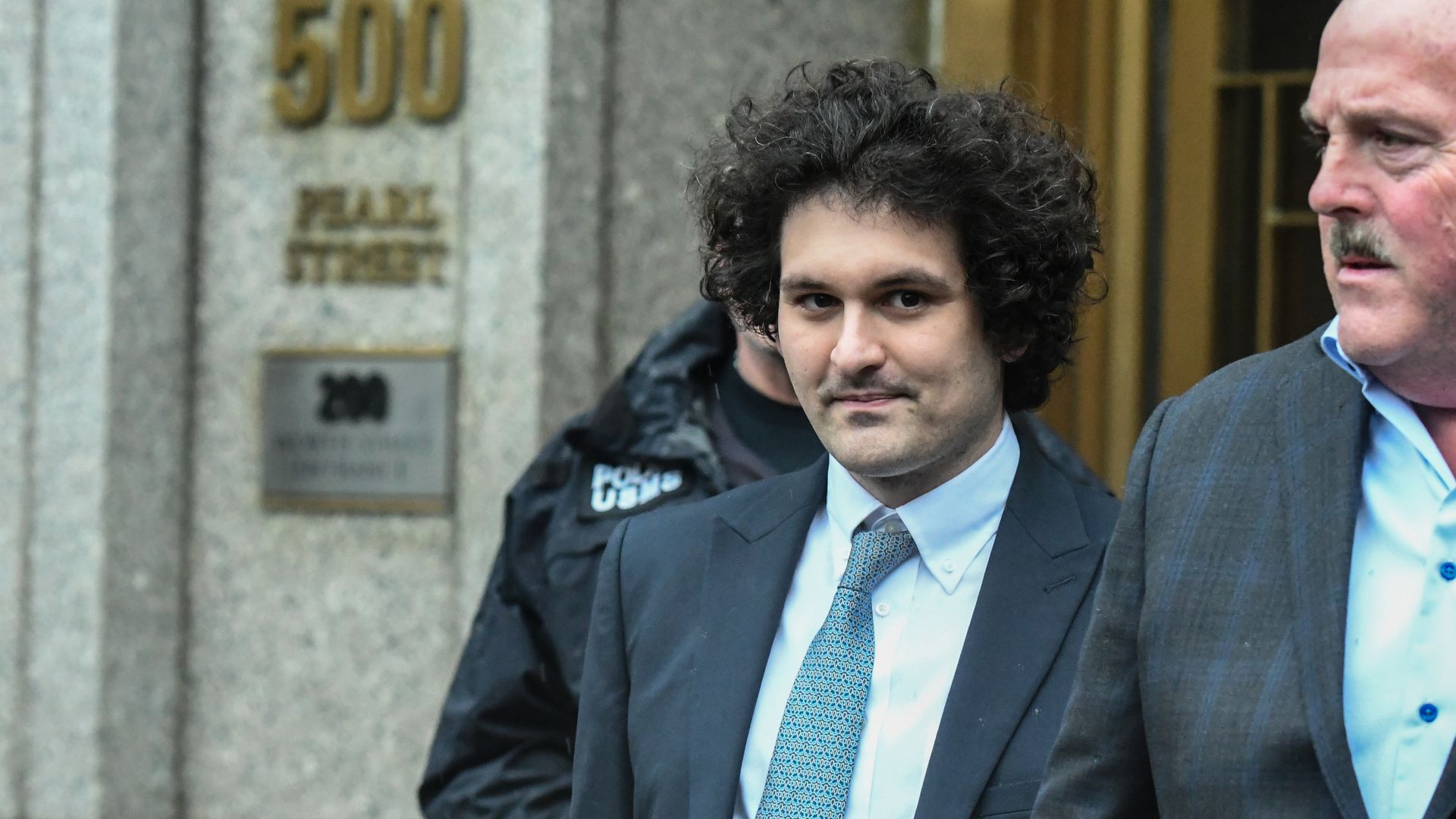
The government is refining its case against FTX founder Sam Bankman-Fried with a new indictment unsealed today in the Southern District of New York that appears designed to pin as much of the blame as possible on the celebrity crypto entrepreneur.
Why it matters: The increased specificity of the charges suggests that the government has uncovered additional evidence that bolsters its case for fraud and other crimes at the once-celebrated crypto company.
Justices seemed generally hesitant to impose liability for terrorism content on social media on the second day of oral arguments in back-to-back tech cases at the Supreme Court this week.
Driving the news: The court heard arguments Wednesday in Twitter vs. Taamneh, a case hinging on whether Twitter's content policies contributed to a 2017 ISIS attack in Istanbul.
Video game makers are already trying to use advances in generative artificial intelligence to build virtual words faster and fill them with life.
Why it matters: Game creation is full of problems that generative AI can potentially solve, and in the process make a very public showing of the tech’s potential.
Mercedes-Benz's 2024 E-Class will let drivers use TikTok, Zoom, Angry Birds and other apps directly through the car's massive dashboard touchscreen — without needing Apple CarPlay or Android Auto, the company announced Wednesday.
Why it matters: Carmakers have been hyper-focused on transforming the in-cabin experience with internet connectivity and apps as a way to grow their profits. But they also have to do so while prioritizing safety.