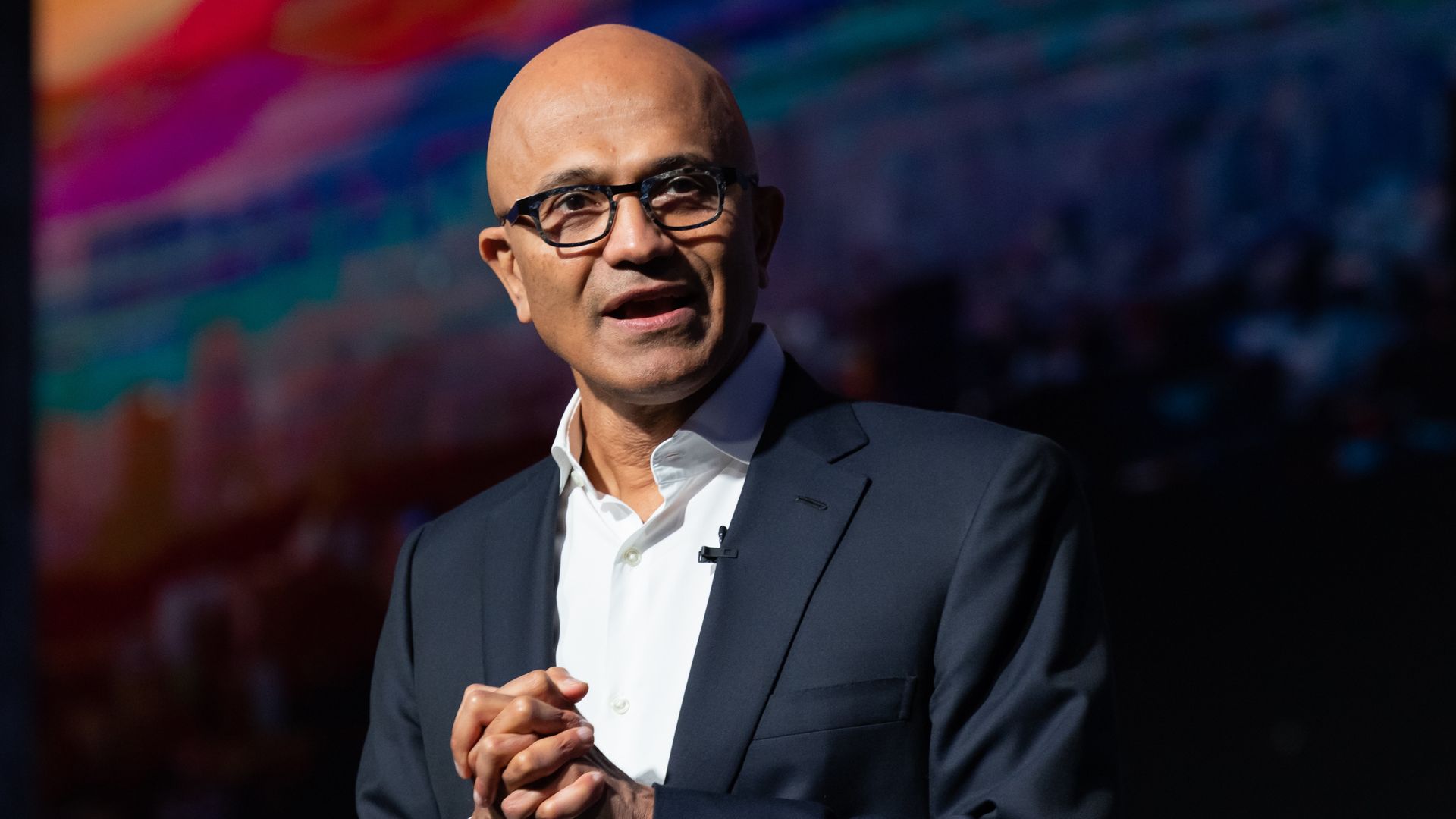
Tumult within the tech sector will continue through 2025, Microsoft CEO Satya Nadella says.
Why it matters: Conditions that helped accelerate investments in the industry, including increased time at home and government stimulus, have dissipated, leading tech companies to turn financially conservative.
Microsoft says it made a mistake last month when it claimed that the very structure of Federal Trade Commission, the agency trying to block its bid for Activision Blizzard, violates the United States Constitution.
Driving the news: Microsoft removed that argument Thursday as it filed a revised — and less incendiary — response to the FTC's lawsuit to stop the tech giant’s $69 billion gaming acquisition.
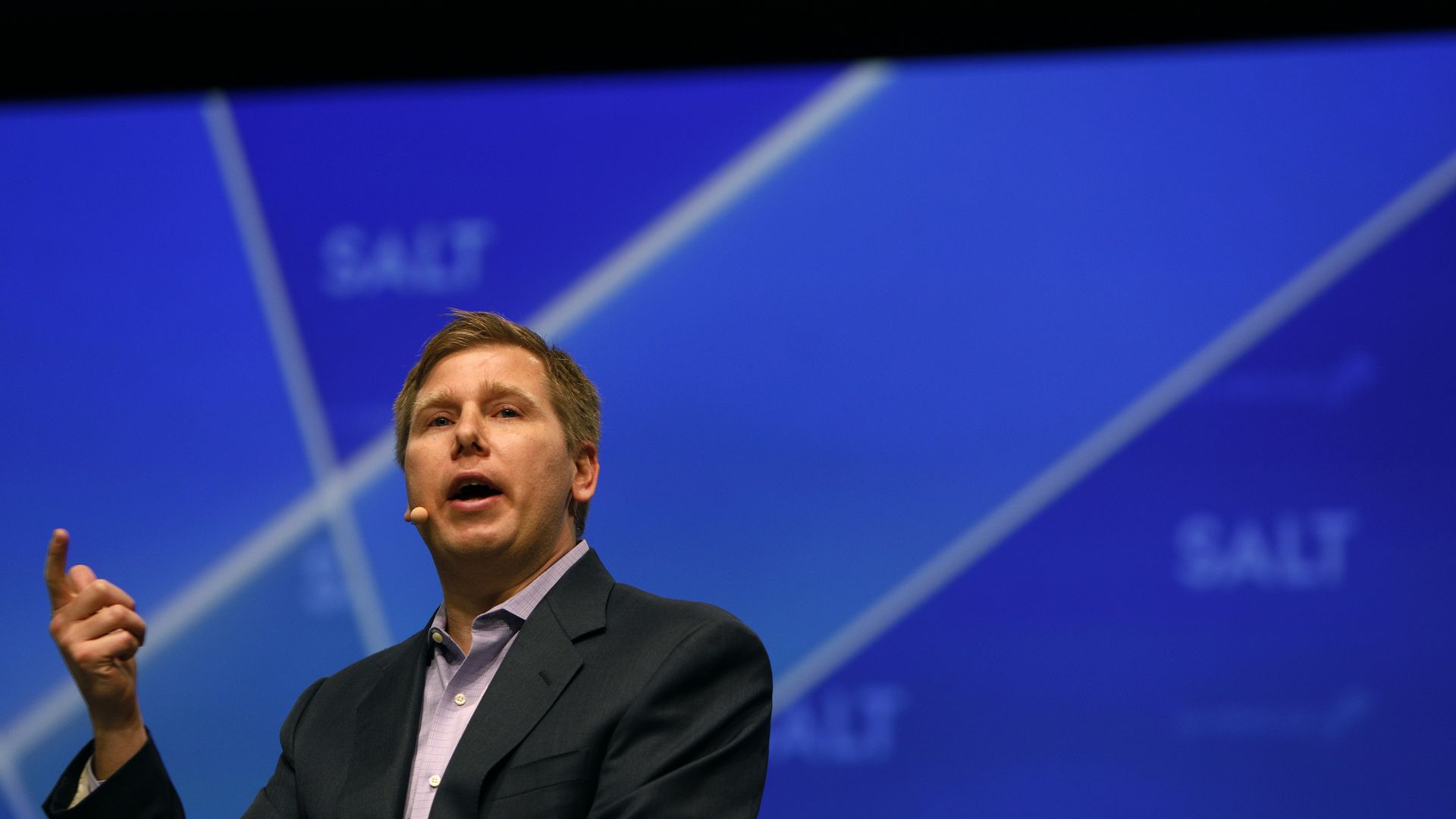
Genesis Trading has laid off 30% of its staff as it continues to consider a bankruptcy filing, according to a new report by the Wall Street Journal.
Why it matters: If Genesis goes under, it could mean that the contagion from FTX has not been resolved. Further, as a subsidiary of the Digital Currency Group, there's the looming threat that its fall could also take down a mainstay of the blockchain industry.
Once again tech companies are flocking to Las Vegas as CES looks to regain its pre-pandemic position as a key launchpad for new products and a place where companies beyond tech can try to position themselves at the cutting edge.
Why it matters: While many of the biggest tech products will get their own launch events throughout the year, the annual tech trade show offers insight into broad industry trends.
Peloton has agreed to pay a $19 million civil penalty over its failure to immediately report safety hazards associated with its treadmills, the U.S. Consumer Product Safety Commission announced Thursday.
Driving the news: The settlement resolves the commission's charges that accused Peloton of knowingly failing to report, as required by law, that its Tread+ treadmill had a defect that created a "substantial product hazard" and "an unreasonable risk of serious injury."
First came the drones, with global sales expected to top $60 billion within five years. Now a cottage industry has emerged to protect businesses, stadiums and other sensitive areas from aerial intrusions.
Driving the news: Dedrone, a Virginia-based airspace security startup that's raised over $130 million in venture capital funding, tells Axios exclusively that it's acquired Aerial Armor, a Phoenix-based developer of drone detection systems.
New fines levied by European regulators against Meta and Apple are the latest reminder that Big Tech companies must now maneuver between two wildly different regimes in the U.S. and the EU.
Why it matters: These firms must navigate conflicting laws, mounting fines and a growing wariness of their business models on both sides of the Atlantic.
Amazon notified employees on Wednesday it plans to cut 18,000 jobs amid slowdowns in consumer and corporate spending.
Why it matters: That figure is the largest layoff at any tech company in recent months — bigger (by number, not percent) than workforce reductions at Meta, Snap and Twitter.
Celsius Network's bankruptcy might have just set a precedent in determining what crypto assets belong to whom when stored on a centralized platform.
Driving the news: The judge in a 45-page written decision on Wednesday concluded that the deposits in the lender's yield-bearing Earn accounts belong to the estate — that is Celsius — and not the individual holders of those accounts.
Meta, the parent company of Facebook and Instagram, illegally required users to agree to personalized and targeted ads and was fined $414 million for violating European Union rules, Ireland's Data Protection Commission (DPC) said Wednesday.
The big picture: Meta will pay about $223 million for violating privacy rules on Facebook and about $191 million for its practices on Instagram, the regulator said.
Grumblings of "we could've driven there by now" usually grow louder as flights get canceled and delayed. But one group of travelers actually took on the challenge at Tampa International Airport.
Driving the news: When their flight from Tampa to Cleveland was canceled due to the winter storm on Dec. 22, four strangers determined to get home for the holidays decided to rent a car and make the trek to Ohio together.
Microsoft is working to incorporate OpenAI's ChatGPT technology in its Bing search engine, per The Information.
Why it matters: Bing has been a distant second to Google for years, but the hot new AI-driven chatbot could give people a fresh reason to try out the Microsoft-owned search service.
The latest breed of elevators can recognize your face, greet you by name, take you to your floor automatically — and even stop to let on a robot bearing a catering platter or hospital tray.
Why it matters: The widespread fear of elevators that hit during the pandemic served to turbo-charge new innovations, in what some are calling a "digital revolution."
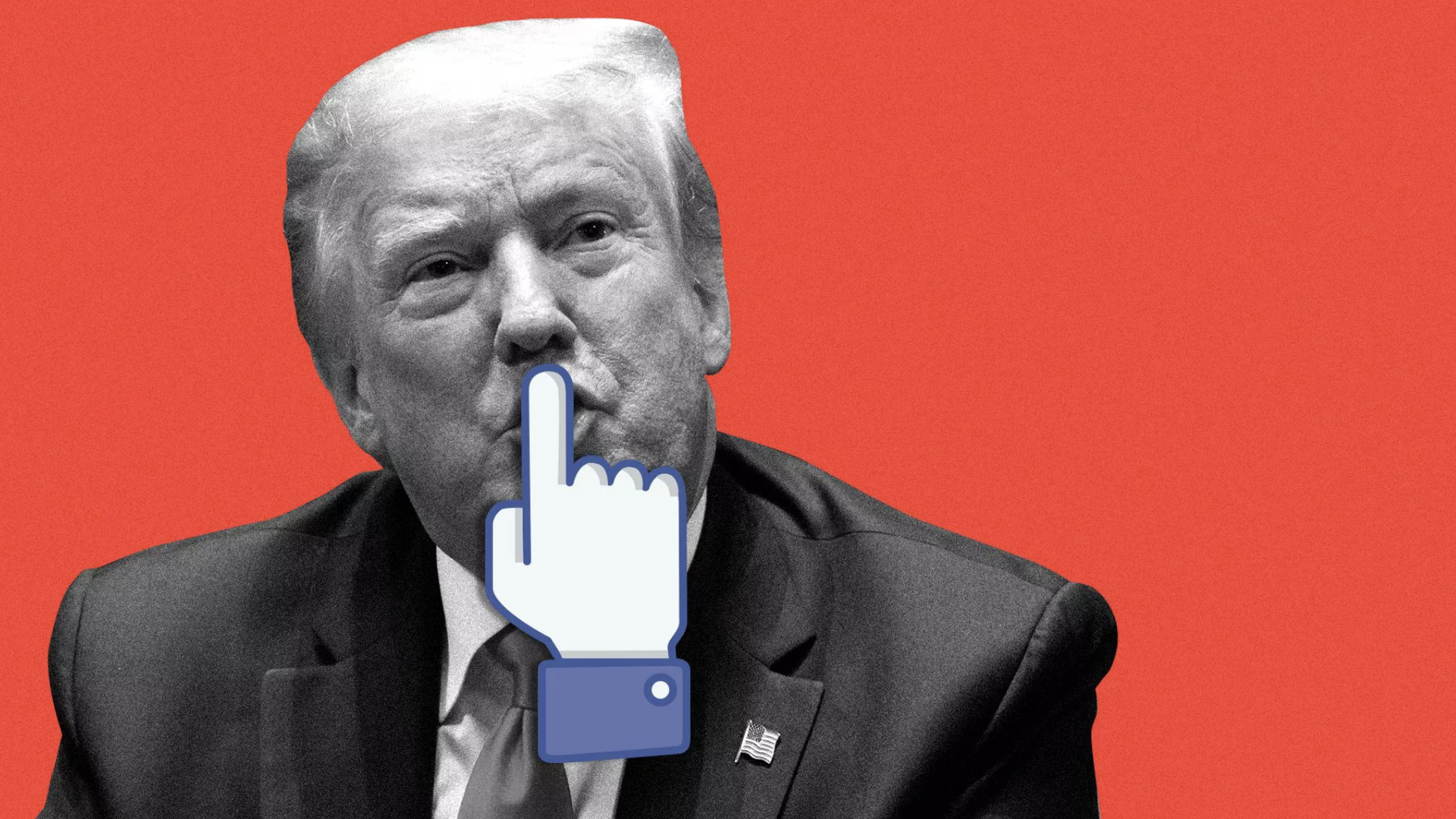
Meta's looming decision on whether to allow former President Trump back on its apps will set a new precedent for how the Facebook parent company treats politicians and world leaders.
Why it matters: Trump's accounts were indefinitely shut down following the U.S. Capitol siege of Jan. 6, 2021. As he again runs for president, their reinstatement could allow him to run ads via his Facebook and Instagram pages, which have 34 million and 23 million followers, respectively.
Twitter said Tuesday it plans to expand the types of political and issue-oriented advertising allowed on the service.
Why it matters: The move could help increase revenue at cash-strapped Twitter, and the ad category may prove less controversial thanks to new regulations requiring online political advertisers to be clearer about who is paying for the message.