Why it matters: A number of the most ambitious efforts in tech, especially around augmented and virtual reality, face challenges amid a slowing economy and a more difficult fundraising environment.
A Russian cyber espionage group is suspected of repurposing another malware campaign's old infrastructure to spy on a Ukrainian computer network.
Driving the news: Researchers at Google-owned Mandiant recently discovered an espionage campaign where Turla Team, a Russian government-linked cyber espionage group, is suspected of re-registering domain names used nine years ago in a previously unconnected attack to spread a banking trojan malware via infected USB drives.
One of the most prolific ransomware gangs of 2022 is already making headlines in the new year for successfully attacking critical infrastructure around the world.
Driving the news: In the last month, the ransomware gang has claimed responsibility for attacks on hospitals, shipping ports and local government offices.
A security practice that few know how to define will take up a lot of the federal government's and the private sector's attention this year: zero-trust architecture.
The big picture: Federal agencies are racing to meet a September 2024 deadline to transition to it — and companies are looking to the government for guidance on what an esoteric zero-trust framework actually looks like.
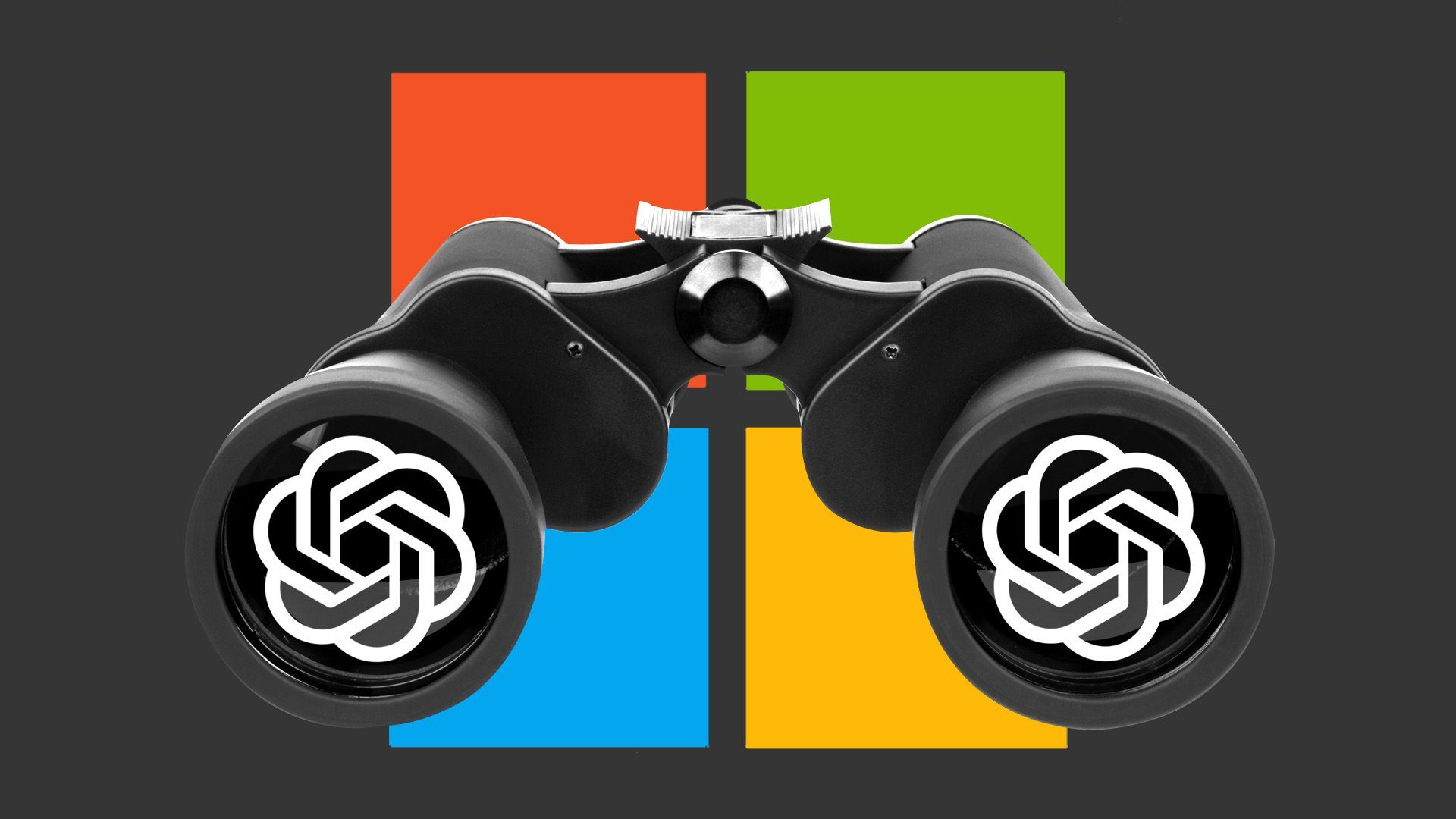
Microsoft is firmly in the friend zone with OpenAI, the ChatGPT creator that's taken the tech world by storm. But, deep down, it must want to take things to the next level.
Driving the news: OpenAI soon could be valued at around $29 billion via a secondary stock sale co-led by venture capital firms Founders Fund and Thrive Capital, as first reported by the WSJ and confirmed by Axios.
Electronic Arts will increasingly spend time and resources developing tools that its players can use to create their own content for its video games, co-CTO Marija Radulovic-Nastic tells Axios.
Why it matters: EA is organizing its approach to technology in a way that recognizes that its players, as well as its own in-house developers, are crucial creative forces for its games.
The wave of layoffs in tech that continued to mount this week has felt like a shocking and sharp turnabout for an industry that stood on top of the world just a year ago.
Be smart: Tech was never immune from forces in the broader economy, and Silicon Valley has always followed a boom-bust rhythm. But the most recent boom ran so long, many forgot it would have to end someday.
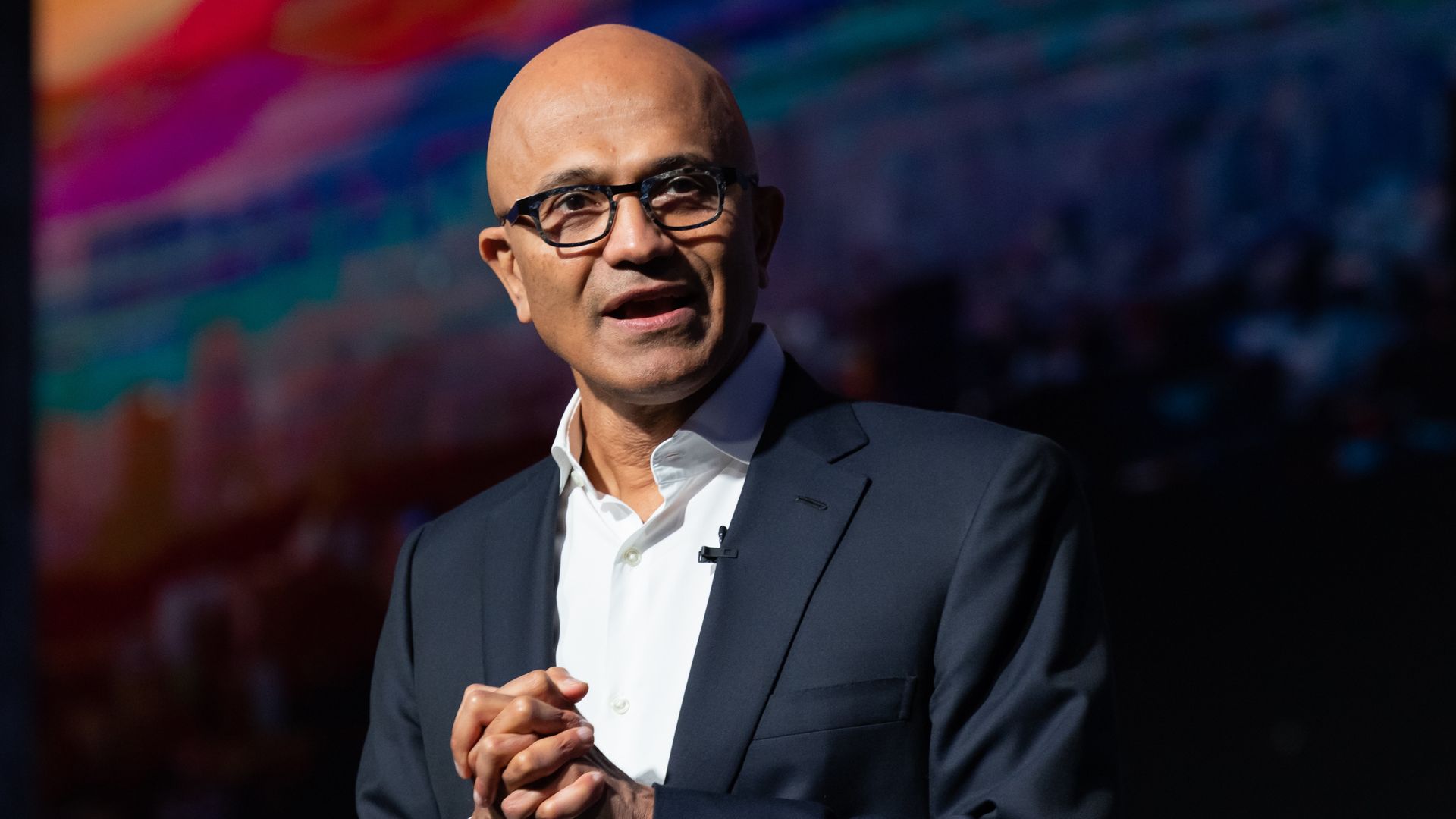
Tumult within the tech sector will continue through 2025, Microsoft CEO Satya Nadella says.
Why it matters: Conditions that helped accelerate investments in the industry, including increased time at home and government stimulus, have dissipated, leading tech companies to turn financially conservative.
Microsoft says it made a mistake last month when it claimed that the very structure of Federal Trade Commission, the agency trying to block its bid for Activision Blizzard, violates the United States Constitution.
Driving the news: Microsoft removed that argument Thursday as it filed a revised — and less incendiary — response to the FTC's lawsuit to stop the tech giant’s $69 billion gaming acquisition.
Genesis Trading has laid off 30% of its staff as it continues to consider a bankruptcy filing, according to a new report by the Wall Street Journal.
Why it matters: If Genesis goes under, it could mean that the contagion from FTX has not been resolved. Further, as a subsidiary of the Digital Currency Group, there's the looming threat that its fall could also take down a mainstay of the blockchain industry.
Once again tech companies are flocking to Las Vegas as CES looks to regain its pre-pandemic position as a key launchpad for new products and a place where companies beyond tech can try to position themselves at the cutting edge.
Why it matters: While many of the biggest tech products will get their own launch events throughout the year, the annual tech trade show offers insight into broad industry trends.
Peloton has agreed to pay a $19 million civil penalty over its failure to immediately report safety hazards associated with its treadmills, the U.S. Consumer Product Safety Commission announced Thursday.
Driving the news: The settlement resolves the commission's charges that accused Peloton of knowingly failing to report, as required by law, that its Tread+ treadmill had a defect that created a "substantial product hazard" and "an unreasonable risk of serious injury."
First came the drones, with global sales expected to top $60 billion within five years. Now a cottage industry has emerged to protect businesses, stadiums and other sensitive areas from aerial intrusions.
Driving the news: Dedrone, a Virginia-based airspace security startup that's raised over $130 million in venture capital funding, tells Axios exclusively that it's acquired Aerial Armor, a Phoenix-based developer of drone detection systems.
New fines levied by European regulators against Meta and Apple are the latest reminder that Big Tech companies must now maneuver between two wildly different regimes in the U.S. and the EU.
Why it matters: These firms must navigate conflicting laws, mounting fines and a growing wariness of their business models on both sides of the Atlantic.
Amazon notified employees on Wednesday it plans to cut 18,000 jobs amid slowdowns in consumer and corporate spending.
Why it matters: That figure is the largest layoff at any tech company in recent months — bigger (by number, not percent) than workforce reductions at Meta, Snap and Twitter.




/2023/01/05/1672942024560.gif?w=3840)