Veteran crypto boss Barry Silbert, chief and founder of Digital Currency Group, in a letter to shareholders Tuesday tried to shore up confidence in the crypto conglomerate as speculation around the health of its subsidiary Genesis reached fever pitch.
Why it matters: When Silbert talks, the crypto industry tends to listen. That he would speak out in defense of his business and its main subsidiaries suggests that the FTX-catalyzed contagion has had an impact.
Hackers are ramping up their phishing and ransomware campaigns targeting the retail sector as the holiday shopping season kicks off.
The big picture: The ongoing economic downturn is prompting more shoppers to look for online discount codes and more hackers to trick these consumers with phony deals, threat analysts tell Axios.
Federal prosecutors seized seven domain names that cybercriminals used to collect crypto investments, prosecutors said Monday.
Why it matters: This week's action appears to be the first time federal prosecutors have taken action against operators of a so-called "pig butchering" crypto scam.
Palo Alto Networks has investigatedseveral incidents involving a data extortion gang using a growing social engineering tactic to extort retailers and other businesses out of hundreds of thousands of dollars, according to a report Monday.
Why it matters: The report highlights the range of threats retailers, other businesses and consumers are up against heading into the hectic holiday season — and the depths hackers will go to make sure they find success.
Waves of layoffs and departures from Twitter last week led many users to fear the service might face a sudden crash of some kind, as hashtags such as #RIPTwitter and #TwitterDown trended in the U.S.
Yes, but: It's far more likely that the social network will experience an increasing volume of glitches, delays and decay around the edges, as small breakdowns pile up and the teams responsible for fixes have been decimated.
While Twitter's turmoil has sparked waves of interest in alternative social networks, tech's biggest firms have stayed conspicuously aloof from the field.
Between the lines: Cloning Twitter would not be a huge technical challenge for companies like Microsoft, Google and Meta that already have a massive cloud infrastructure.
The media industry is getting hit by sizable rounds of layoffs and cost-cutting measures as the ad market continues to show signs of a serious slowdown.
Why it matters: For many companies, the challenges are similar to the early onset of the pandemic. But now, fewer government relief programs and resources from Big Tech firms are available to help.
Developers of some of the world’s most popular video games are expanding the tools players use to create characters: downplaying gendered terms and untethering options for body types, voice and other characteristics from gender selection.
Why it matters: The shift is part of a trend by the industry to be more inclusive to a wider set of players by letting them see themselves in the games they play.
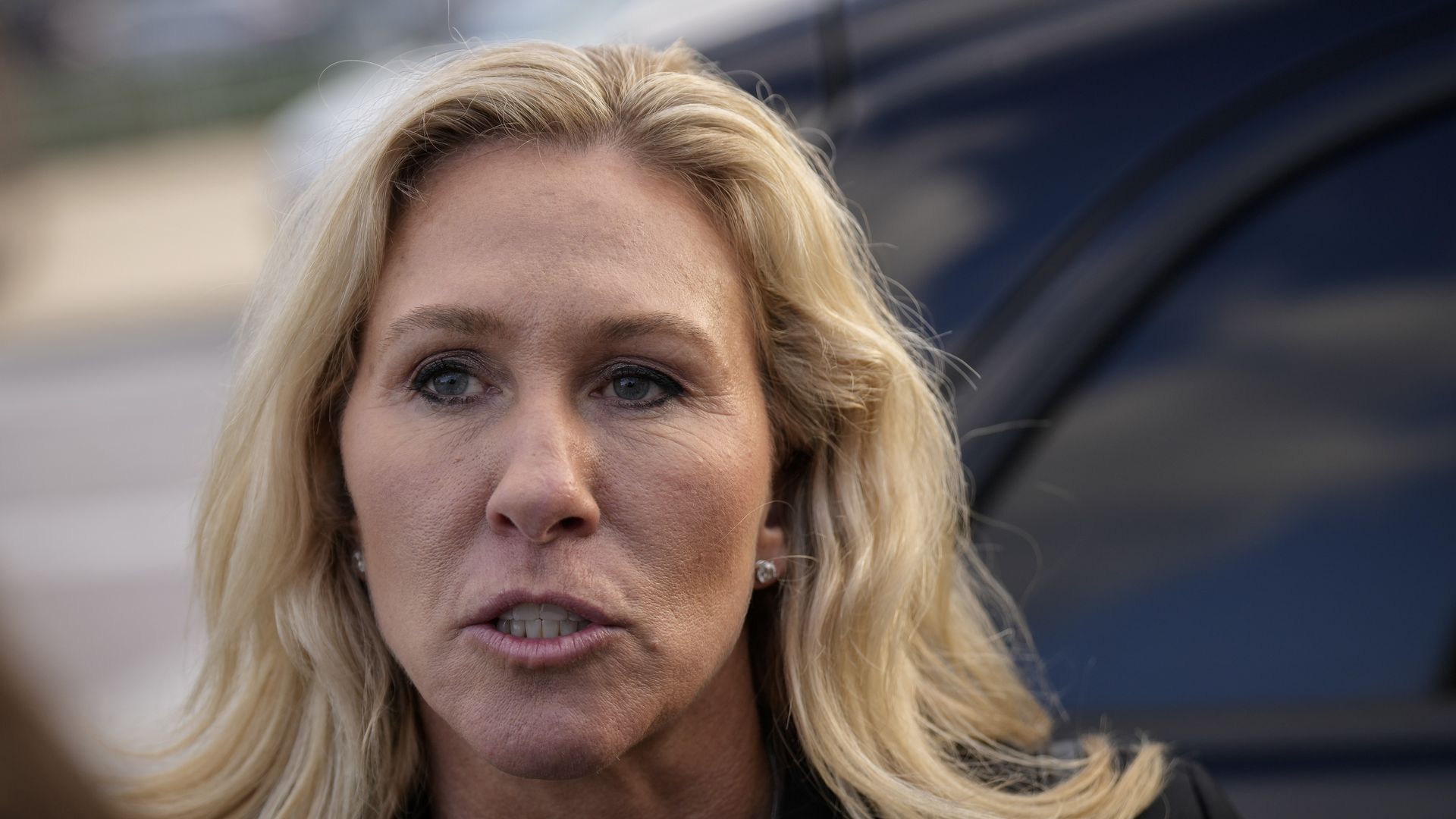
Rep. Marjorie Taylor Greene's (R-Ga.) personal Twitter account was reinstated on the platform on Monday, more than 10 months after being permanently suspended for "repeated violations" of the platform's COVID misinformation policy.
Driving the news: Musk's takeover of Twitter brought a host of changes and upheaval to the platform. On Friday, Musk tweeted, "What should Twitter do next?"
Genesis Global Trading has been eerily silent after announcing last week that its crypto lending unit would halt services in light of FTX's collapse.
State of play: Five days have passed since its lending unit ceased withdrawals and new loan originations. And the lack of communication has opened the door to speculation about the health of the overall firm, as well as its parent Digital Currency Group and sister unit Grayscale Investments.
Why it matters: They are calling on companies to stop advertising on the social media platform as Musk's chaotic takeover continues to bring a host of changes and upheaval to the platform.
Crypto lender Celsius Network failed to keep track of its customers' digital assets, according to a report published Saturday ordered by the judge overseeing Celsius' Chapter 11 bankruptcy proceeding.
Why it matters: Thousands of Celsius customers and the digital assets they think rightfully belong to them hang in the balance, with folks shut off from their accounts since the platform's June halt.
Minutes before Elizabeth Holmes was sentenced to 11 years in prison, her attorney argued that a harsh punishment would deter tech innovation and investment. Judge Edward Davila would soon retort: "Failure is normal. But failure by fraud is not okay."
Why it matters: There's been lots of talk this month about investor due diligence, and the lack thereof, in the case of collapsed crypto exchange FTX.
Zoom, which boomed during the pandemic and became nearly synonymous with video chat, could yet find itself squeezed out despite a recent push to expand into new areas.
The big picture: Businesses tend to like to get their services from as few vendors as possible, a trend that encourages bundling and makes it hard for ambitious, innovative start-ups to succeed.
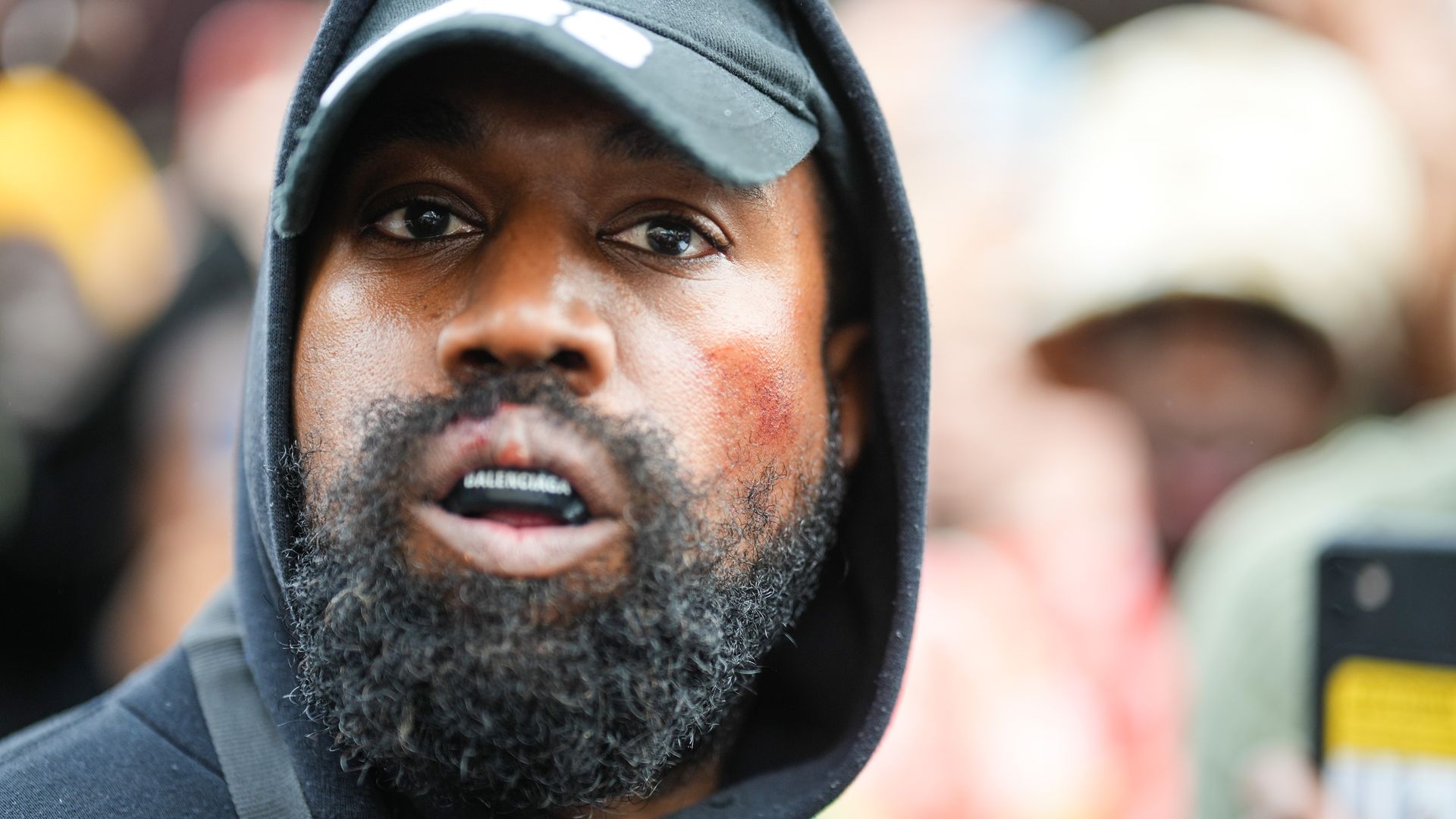
Ye, formerly known as Kanye West, returned to Twitter after Elon Musk announced his social media company had restored the musician's account.
Why it matters: Ye's page was restricted last month due to antisemitic tweets that led Adidas and several other companies to drop the artist. Musk has said he doesn't believe in lifelong bans and on Saturday reinstated former President Trump's Twitter account, though Trump had yet to tweet as of Monday morning.








/2022/11/22/1669082094406.gif?w=3840)







/2022/11/21/1669036174022.gif?w=3840)