Customs and Border Protection sent a drone into Minneapolis on Friday to take live footage of protestors at the request of federal law enforcement, a CBP spokesperson told Axios.
What's happening: Demonstrations have surged in the city for three days as people protest and mourn the death of George Floyd, a black man who died after at least one police officer knelt on his neck on Monday. Protestors set fire to a Minneapolis police station on Thursday night.
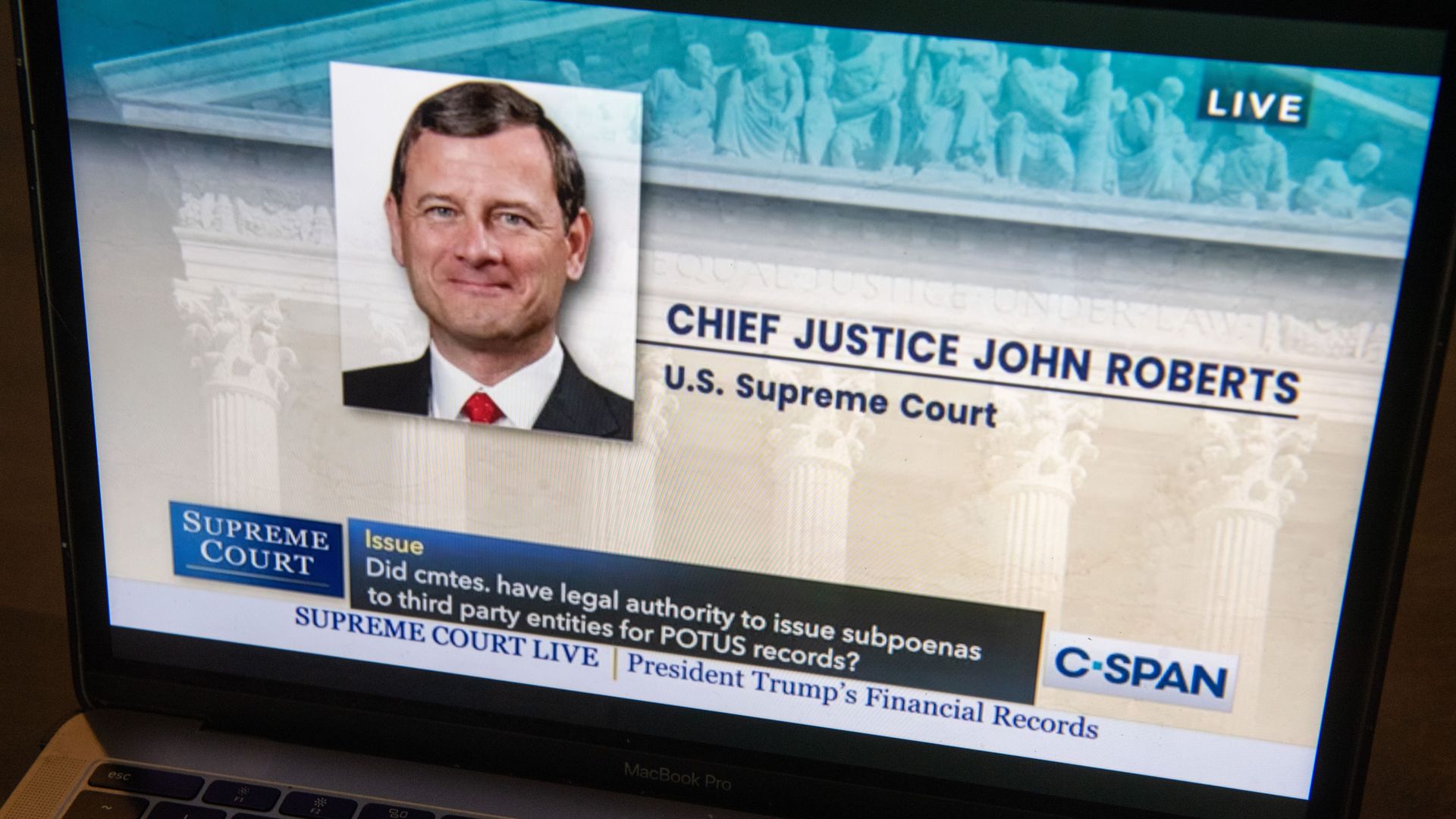
Sens. Chuck Grassley (R-Iowa) and Patrick Leahy (D-Vt.), who both sit on the Senate Judiciary Committee, asked Chief Justice John Roberts in a letter Friday to extend indefinitely the Supreme Court's live audio streams of oral arguments — as it was forced to work remotely by the coronavirus pandemic — and consider video streams as well.
Why it matters: The senators say these "simple yet meaningful measures of transparency" would benefit American citizens and democracy even after the court returns to its normal operations sometime in the future.
President Trump's war with Twitter is confronting social media platforms with a hard dilemma: whether to take fuller responsibility for what people say on their services, or to step back and assume a more quasi-governmental role.
The big picture: Facebook is trying to bemore like a government — committing to impartiality and protecting free speech and building mechanisms for arbitration. Twitter, pushed by Trump's inflammatory messages, is opting to more aggressively enforce conduct rules on its private property, like a mall owner enforcing rules inside the gates.
President Trump finally acted on his now year-old threat to take action against social media platforms for alleged bias against conservatives. But so far, according to experts in both government and the industry, the threat looks mostly empty.
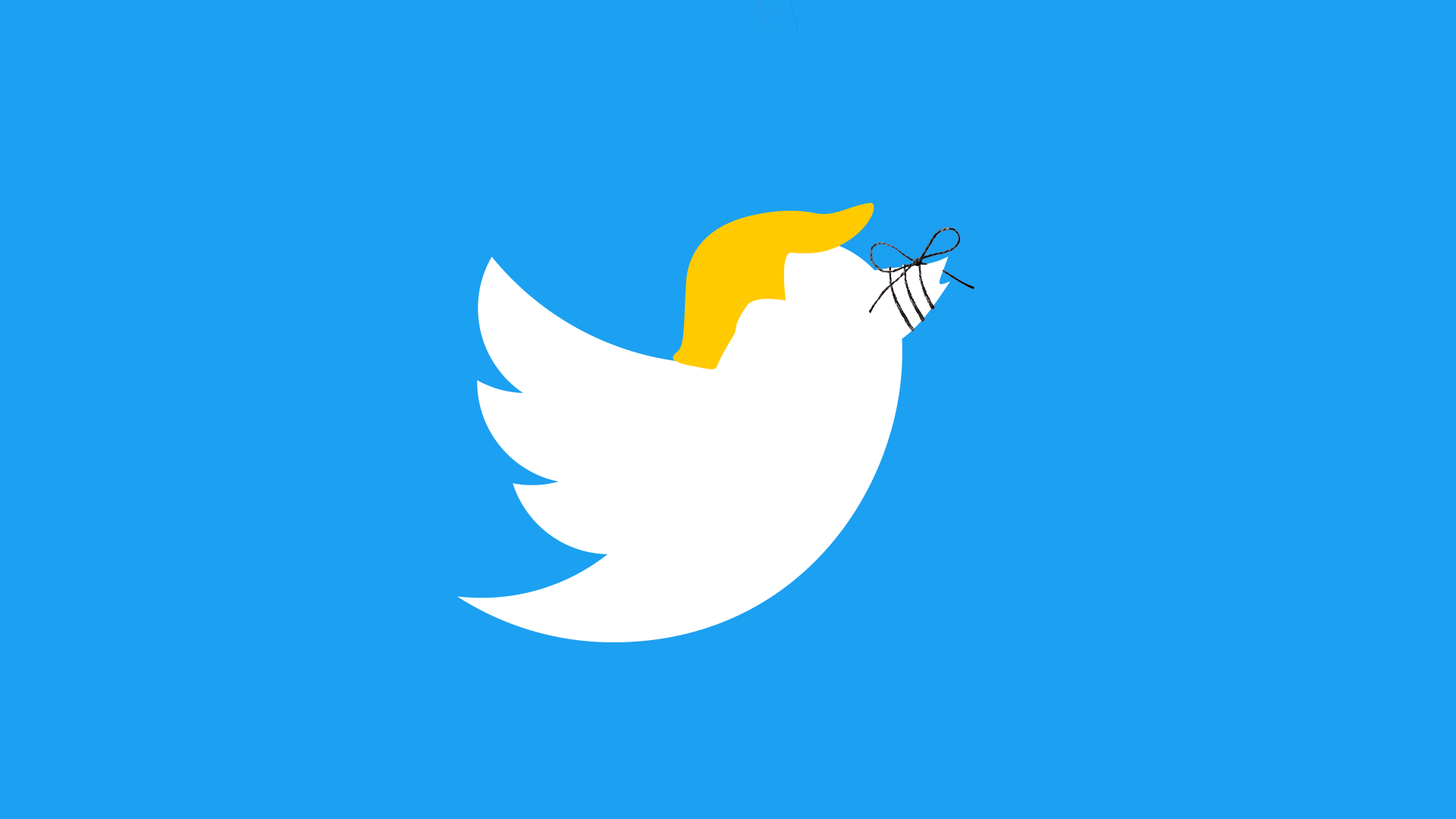
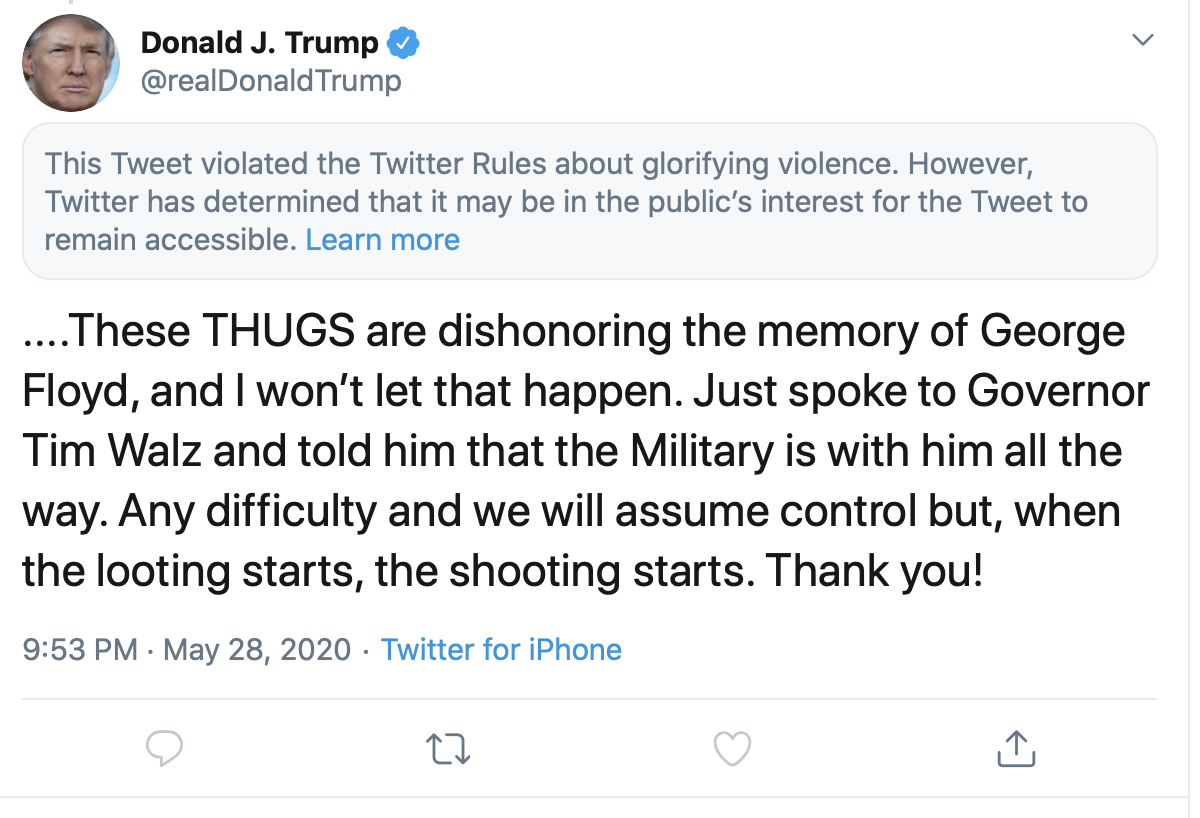
Driving the news: Trump escalated his war on Twitter Friday morning, tweeting repeatedly that the company needs to be regulated after it overnight added a warning label to a tweet of his calling for the military to start shooting looters, which violated Twitter’s rules against glorifying violence.
Cisco Systems agreed to buy ThousandEyes, a San Francisco-based IT performance management platform. No financial terms were disclosed, but Bloomberg put the price tag at around $1 billion.
Why it matters: This is a pandemic-related merger on the upside, with the company accelerating its sale process due to concerns that it could struggle to meet added demand for its services.
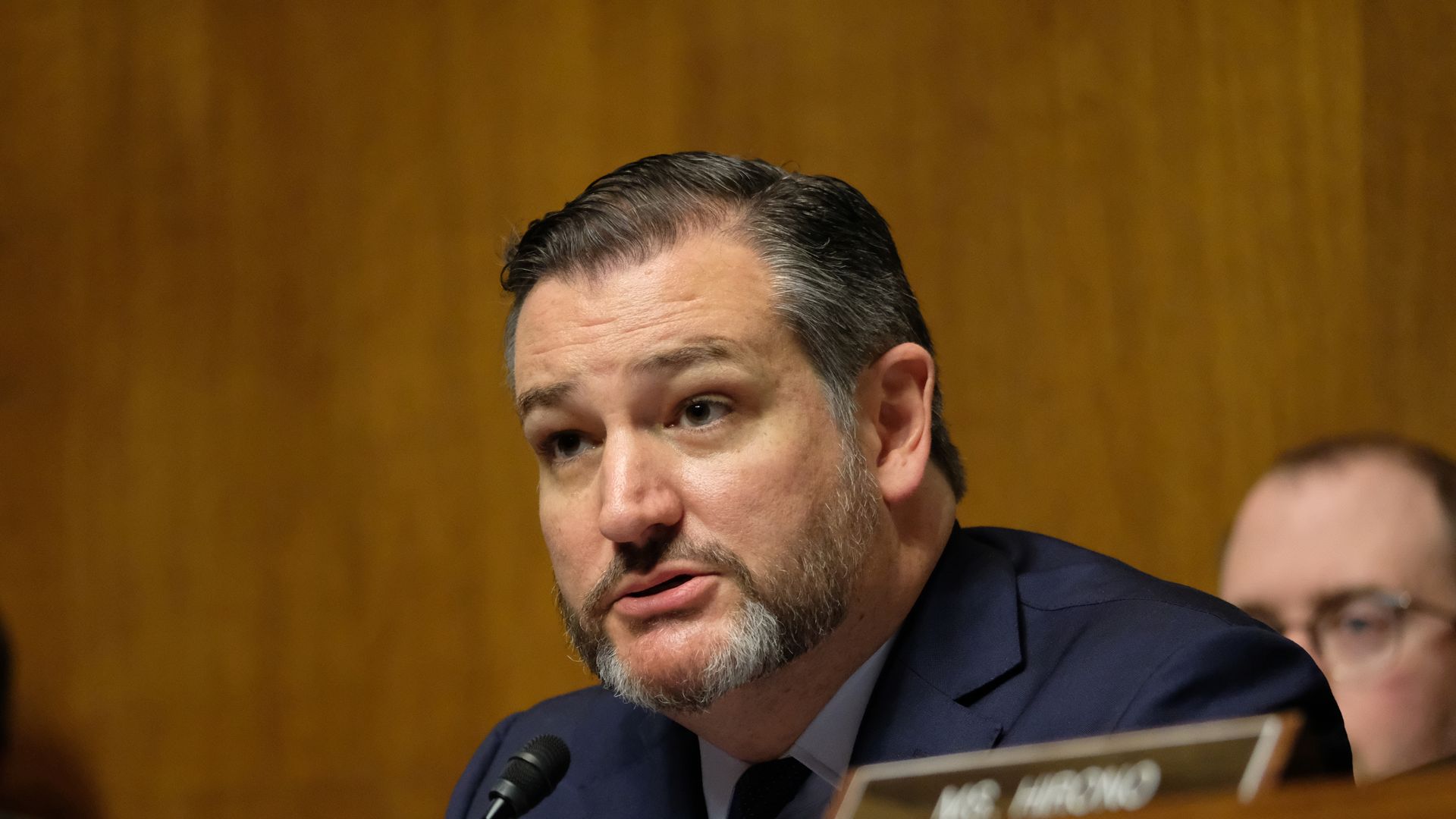
Sen. Ted Cruz (R-Texas), in a letter Friday to the Justice and Treasury departments, is calling for a criminal investigation of Twitter over allegations the company is violating U.S. sanctions against Iran.
Why it matters: Twitter is already under fire from President Trump for adding fact checks and a warning label, respectively, to misleading and incendiary tweets he made in recent days. Cruz's letter adds another dimension to the tech company's woes in Washington.
President Trump's director of social media and deputy chief of staff for communications Dan Scavino tweeted Friday that "Twitter is full of s--t" after the platform determined that one of the president's tweets in response to civil unrest in Minneapolis violated the company's rules.
Why it matters: Scavino is the "caretaker of Trump's explosive Twitter feed," as Politico reported last year, and the president relies on him for advice on how some of the administration's most controversial moves will be received on social media.
Twitter said Friday morning that a tweet from President Trump in which he threatened shooting in response to civil unrest in Minneapolis violated the company's rules. The company said it was leaving the tweet up in the public interest.
Why it matters: The move exacerbates tensions between Twitter and Trump over the company's authority to label or limit his speech and, conversely, the president's authority to dictate rules for a private company.
Condemnations from a wide range of groups and figures followed President Trump's executive order aiming to curtail protections for social media companies, with only a few of the president's staunchest allies voicing support.
The big picture: There's no shortage of critics of Big Tech in general and social media in particular, but few entities believe the president should — or even legally can — regulate the policies of a private company.
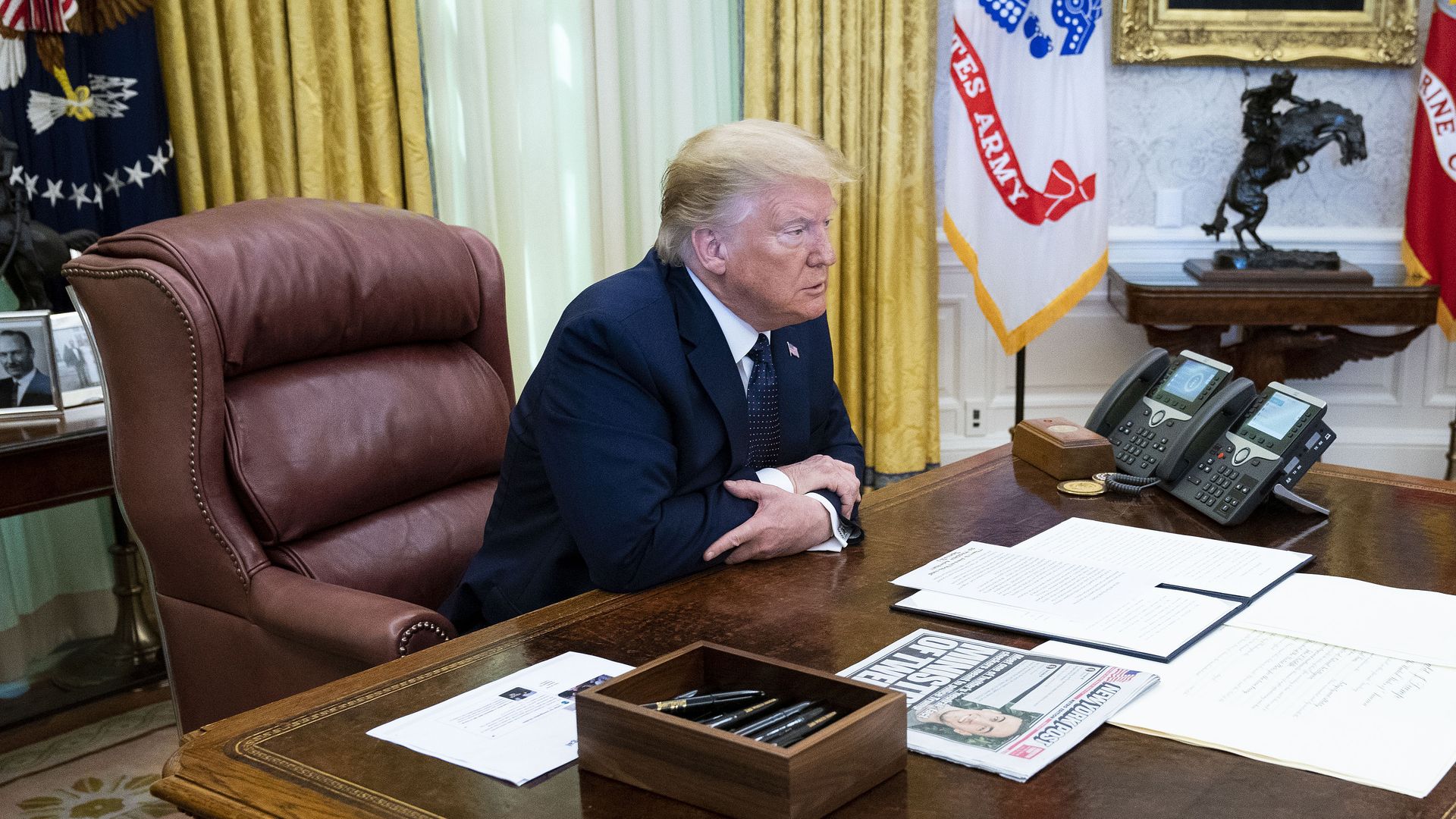
President Donald Trump's executive order targeting social media companies, signed Thursday, calls on independent agencies, the Justice Department and states to carry out the new policy.
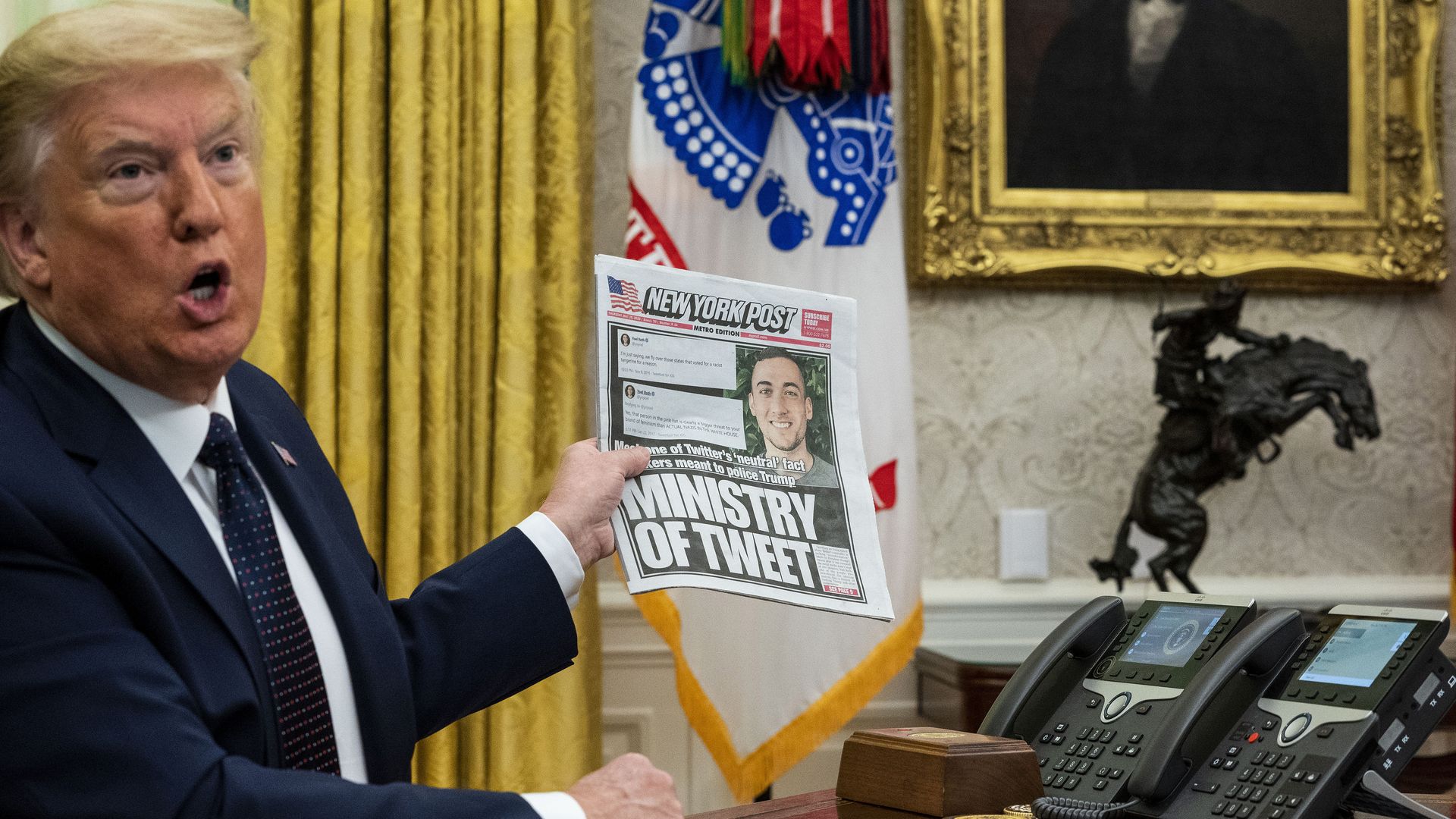
President Trump signed an executive order on Thursday designed to limit the legal protections that shield social media companies from liability for the content users post on their platforms.
What they're saying: "Currently, social media giants like Twitter receive an unprecedented liability shield based on the theory that they are a neutral platform, which they are not," Trump said in the Oval Office. "We are fed up with it. It is unfair, and it's been very unfair."
Google said Thursday it will start making "page experience," or how user-friendly a web page is, a ranking factor in Google Search, as well as in the "Top Stories" feature in mobile Search. Factors like load time and interactivity will be included in the evaluation.
Why it matters: It's part of a long list of actions Google has taken to force web publishers to deliver better experiences for users. For example, Google has in the past banned traffic to publishers with annoying pop-up ads.
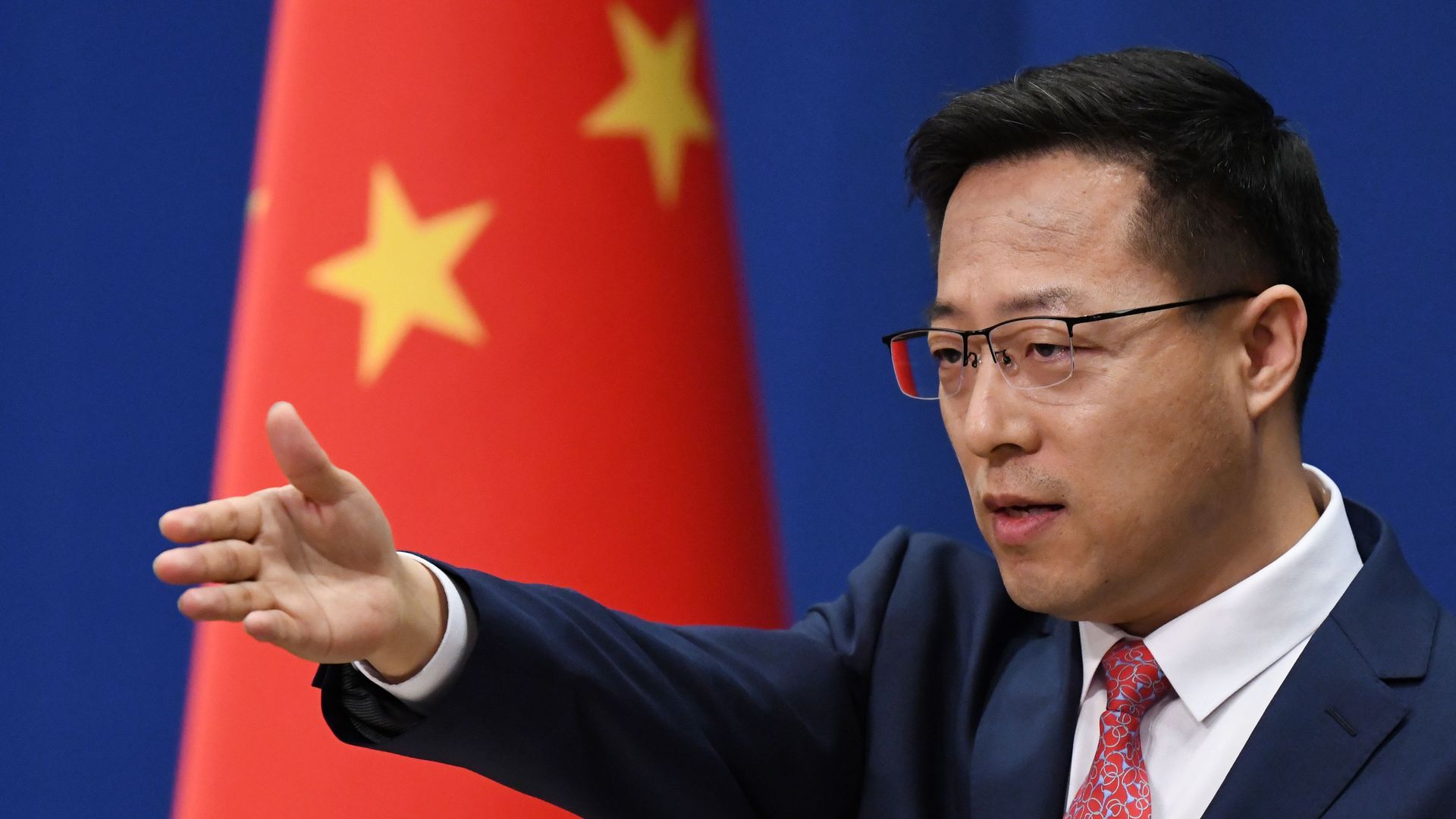
Twitter slapped a fact-check label on a pair of months-old tweets from a Chinese government spokesperson that falsely suggested that the coronavirus originated in the U.S. and was brought to Wuhan by the U.S. military, directing users to "get the facts about COVID-19."
Why it matters: The labels were added after criticism that Twitter had fact-checked tweets from President Trump about mail-in voting, but not other false claims from Chinese Communist Party officials and other U.S. adversaries.
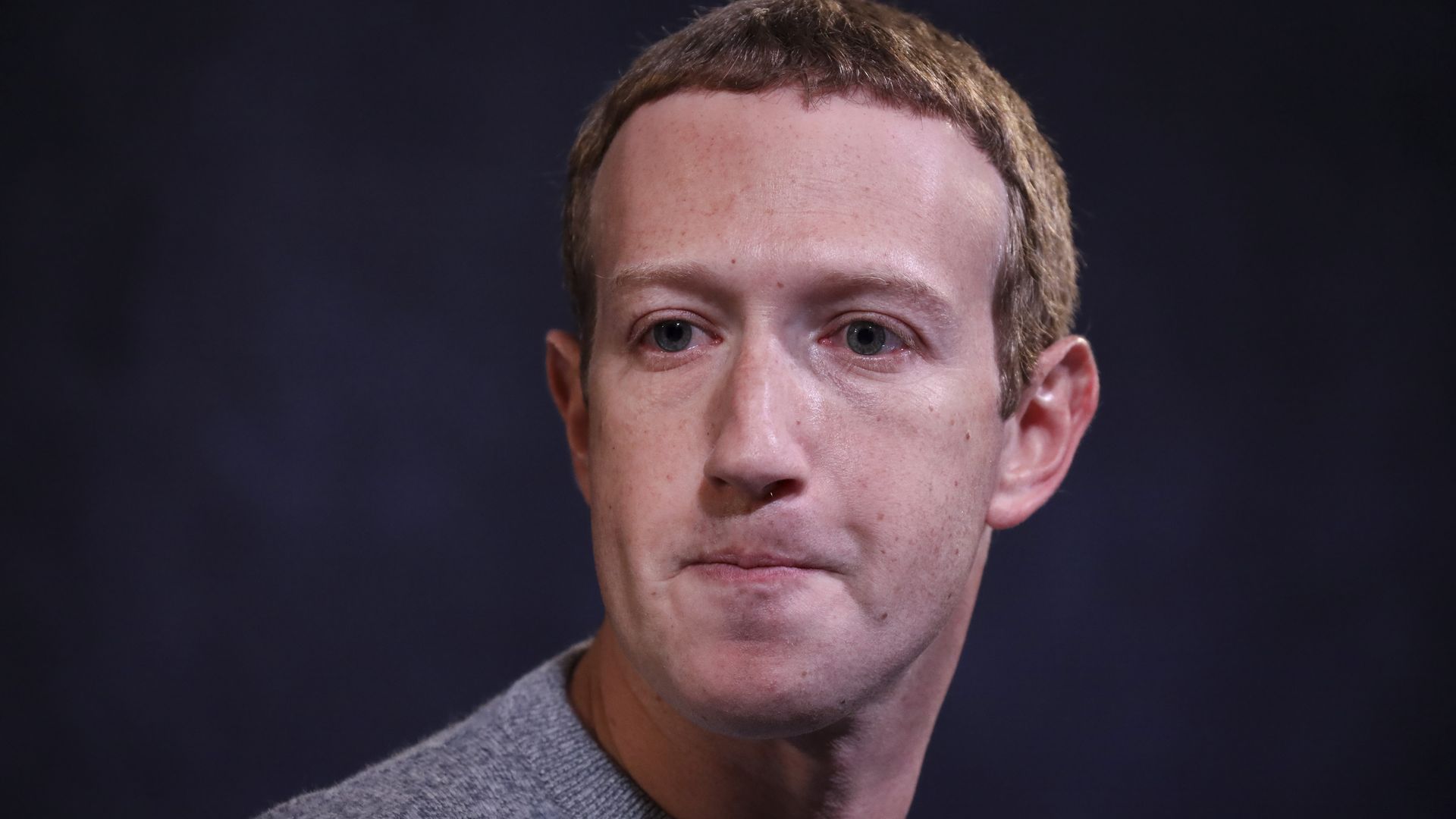
Facebook CEO Mark Zuckerberg argued on CNBC's "Squawk Box" Thursday that social media platforms should not police political speech, and that "people should be able to see what politicians say.”
Why it matters: Zuckerberg was responding to Twitter's decision this week to fact-check a pair of President Trump's tweets that claimed that mail-in ballots are "substantially fraudulent." Twitter's label, which directs users to "get the facts" about mail-in voting, does not censor Trump's tweets.
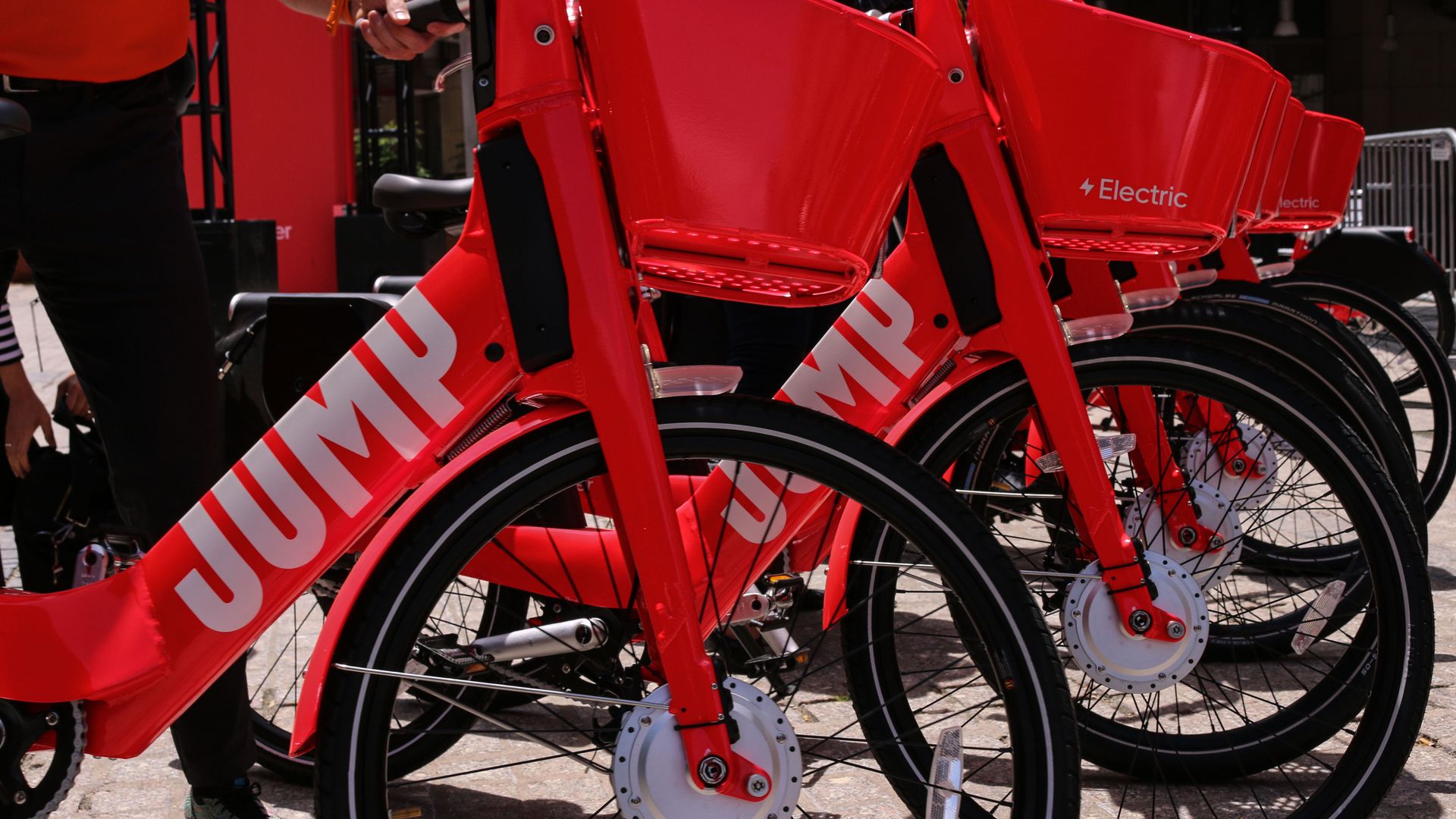
Driving the news: Over the last few days, reportsthat stocks of JUMP bikes in several cities are getting scrapped have angered biking advocates. They see Uber's decision as a waste of some of the most beloved vehicles for shared use.
Policymakers and advocates are pushing for new limits on political advertisers' ability to narrowly target voters with tailored messaging on major tech platforms.
Why it matters: Critics say the targeted political ads are a key means of spreading misinformation on topics like the presidential election and the pandemic.
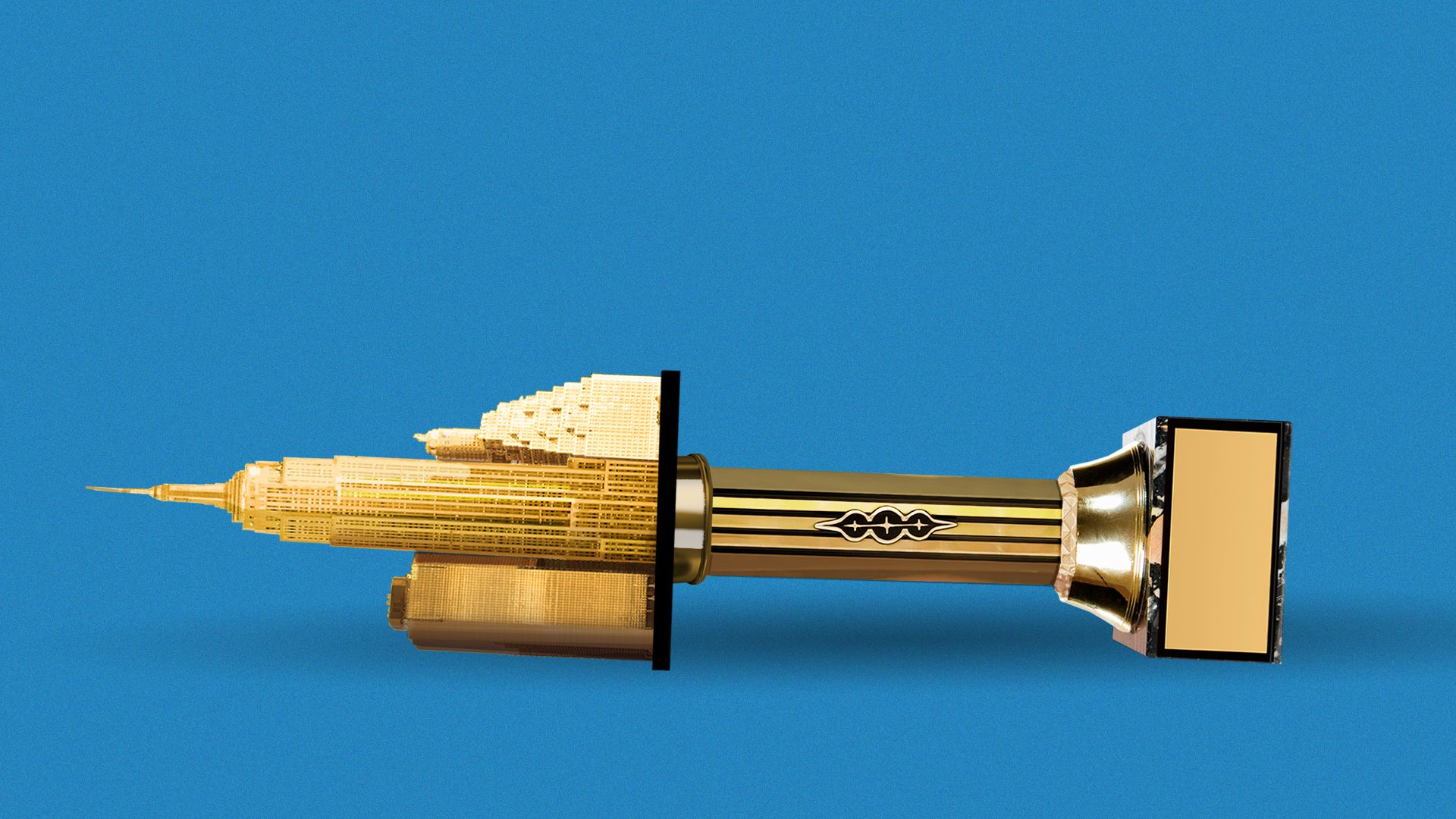
The top U.S. megacities boasting the highest economic growth and biggest talent-attracting companies may start losing people to other cities, thanks to the remote-work wave brought on by the coronavirus.
Why it matters: With more people finding long-term flexibility to work from anywhere, they have less reason to live in the most expensive cities like New York, San Francisco, Los Angeles and Seattle. That could create a wave of rising-star cities that have already begun to attract people looking for a better quality of life.