Arizona's state attorney general sued Google on Wednesday, accusing the company of violating state law by misleading customers on its location tracking practices.
Why it matters: This opens up yet another legal front for Google at a time when it's also facing antitrust scrutiny at the state and federal level.
Untappd, a popular beer-rating app, can easily be manipulated to identify and track military and intelligence personnel, according to a report in the investigative open-source journalism and research outlet Bellingcat.
Zoom in: In one case, Bellingcat located an individual who “checked in” multiple times from Camp Peary, commonly known as “The Farm” — a highly restricted Virginia military base where CIA operations officers are trained in spycraft.
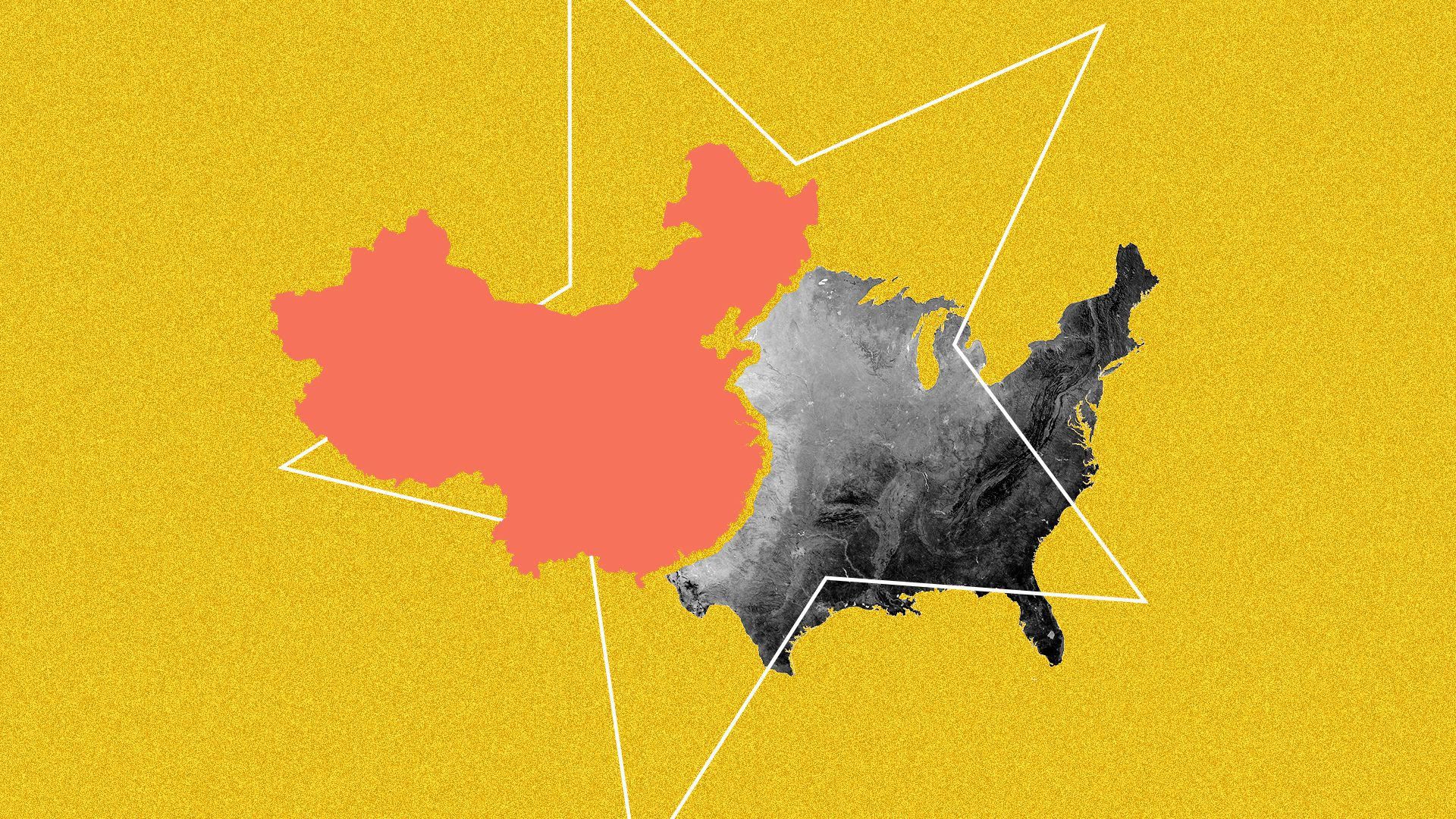
The Justice Department's arrest of Simon Saw-Teong Ang, an engineering professor at the University of Arkansas, for wire fraud earlier this month ratcheted up a long-running confrontation with China over a controversial scholarship program.
What’s happening: Ang’s indictment was related to his failure to disclose the extent of his ties to China’s 1000 Talents Program, an initiative of the Chinese government to encourage U.S. scientists and researchers to share technical know-how and innovations with Chinese universities and businesses.
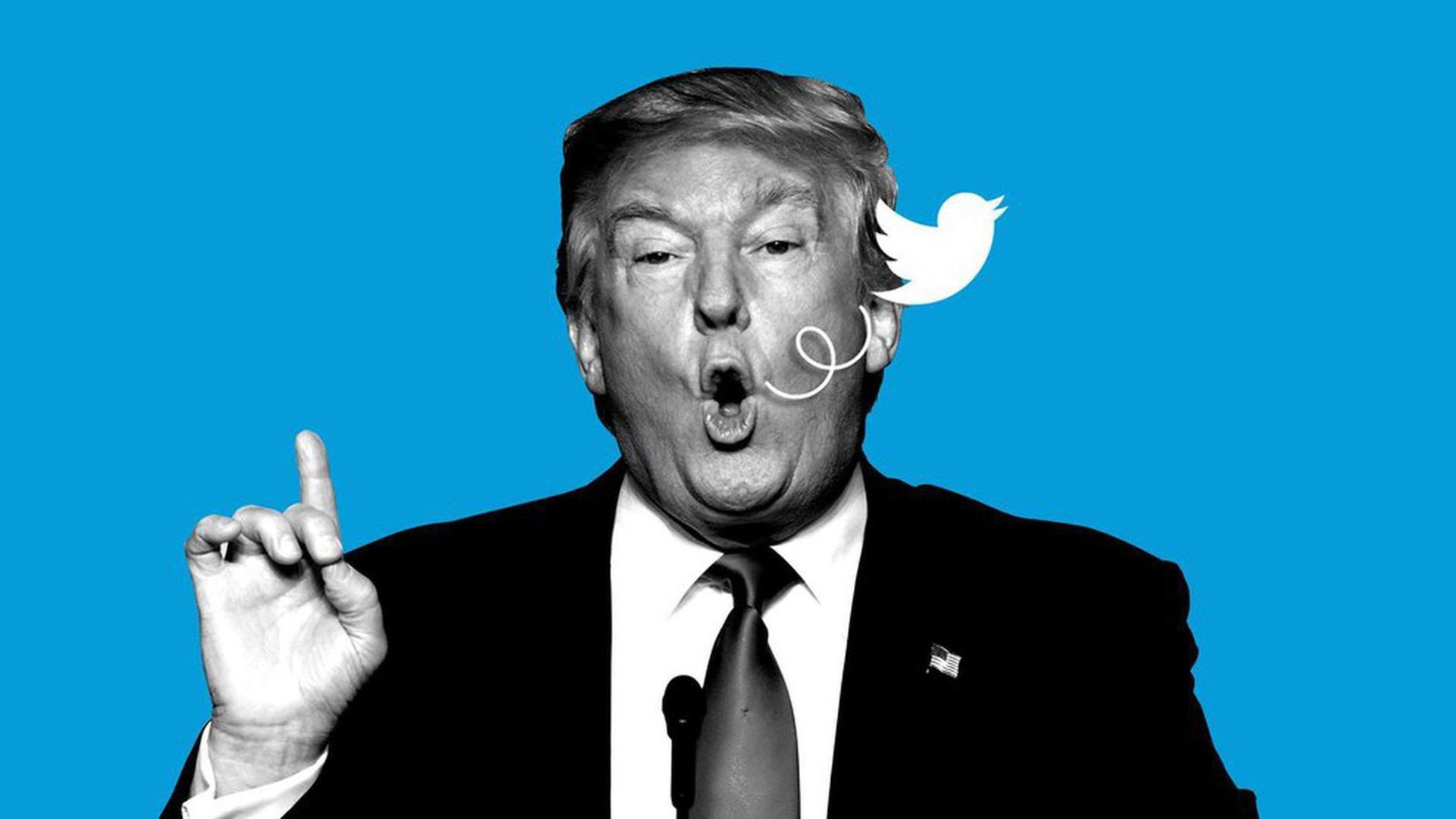
Twitter came under fire on Tuesday for allowing President Trump to tweet conspiracy theories about Joe Scarborough and the 2001 death of one of his staffers, despite the objections of the staffer's family. The company came under further fire from Trump himself for fact-checking two of his tweets about mail-in voting.
Dan and the New York Times' Kara Swisher dig into Trump’s use of the platform and Twitter’s steps — and missteps — in handling it.
LinkedIn announced Tuesday that it is sharing the approach it uses to ensure that its new products don't inadvertently worsen existing societal inequalities.
The big picture: The Microsoft-owned platform has been working to ensure that it serves all job seekers, not just the socially well-connected.
Twitter made headlines Tuesday after labeling two election-related tweets from President Trump as potentially misleading — the company’s first action against the president’s tweets, which often test its policies on misinformation and abuse.
The big picture: Twitter's unprecedented move, which swiftly drew Trump's fury, was just one of four controversies over the last 24 hours involving tech platforms grappling with free speech issues. And all of them, Axios' Sara Fischer and I report, reflect what a partisan issue the policing of social media content has become.
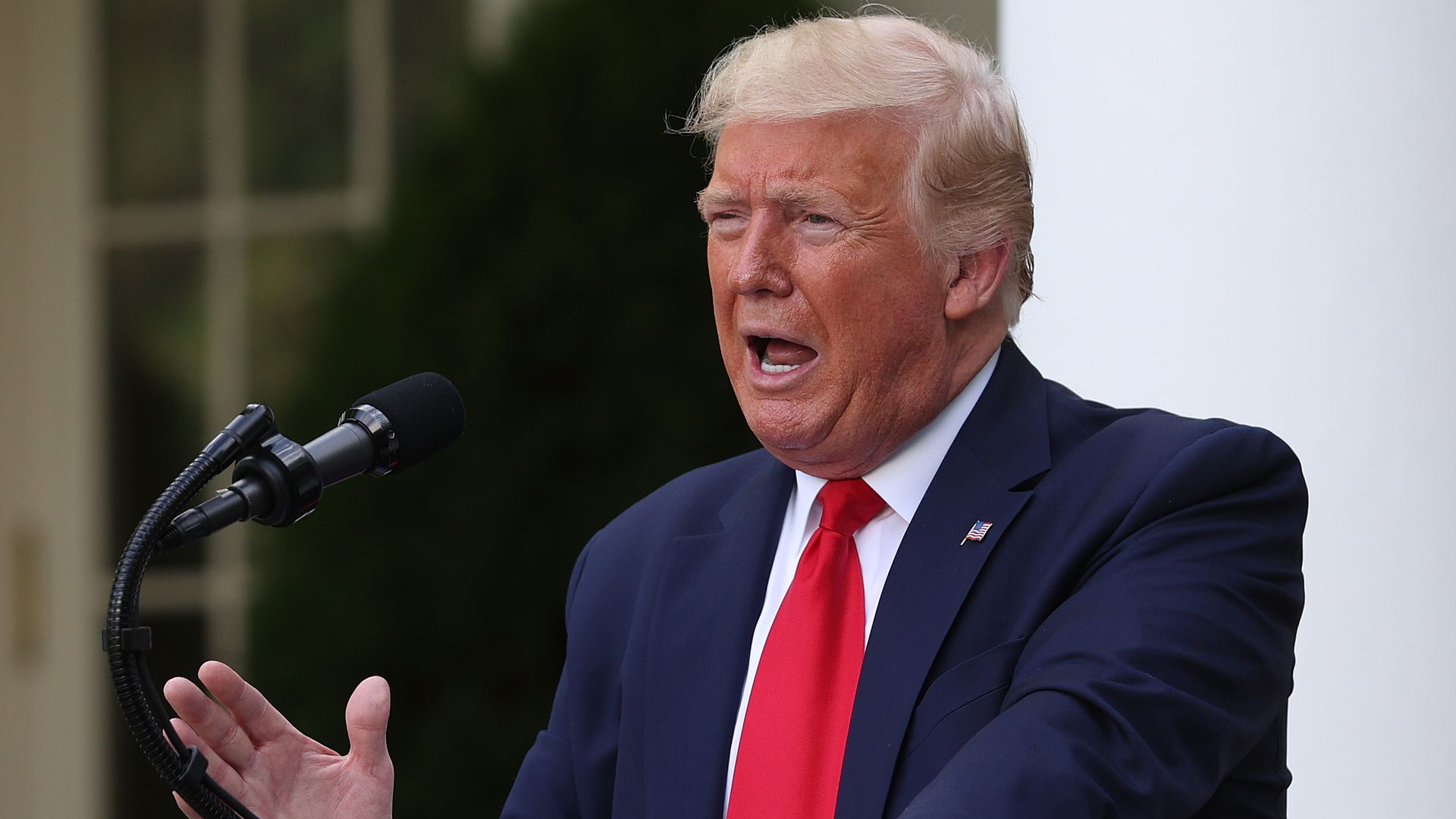
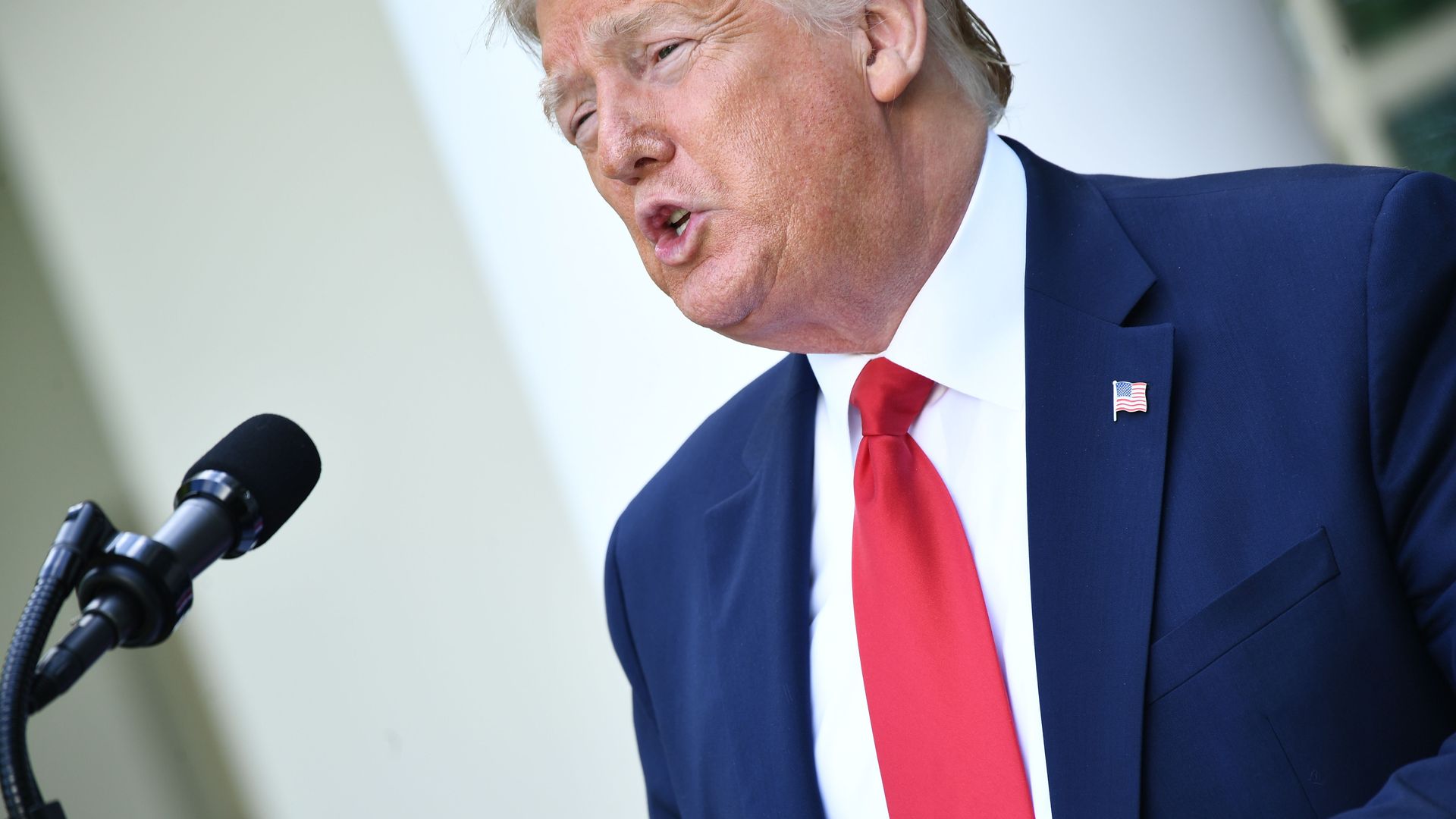
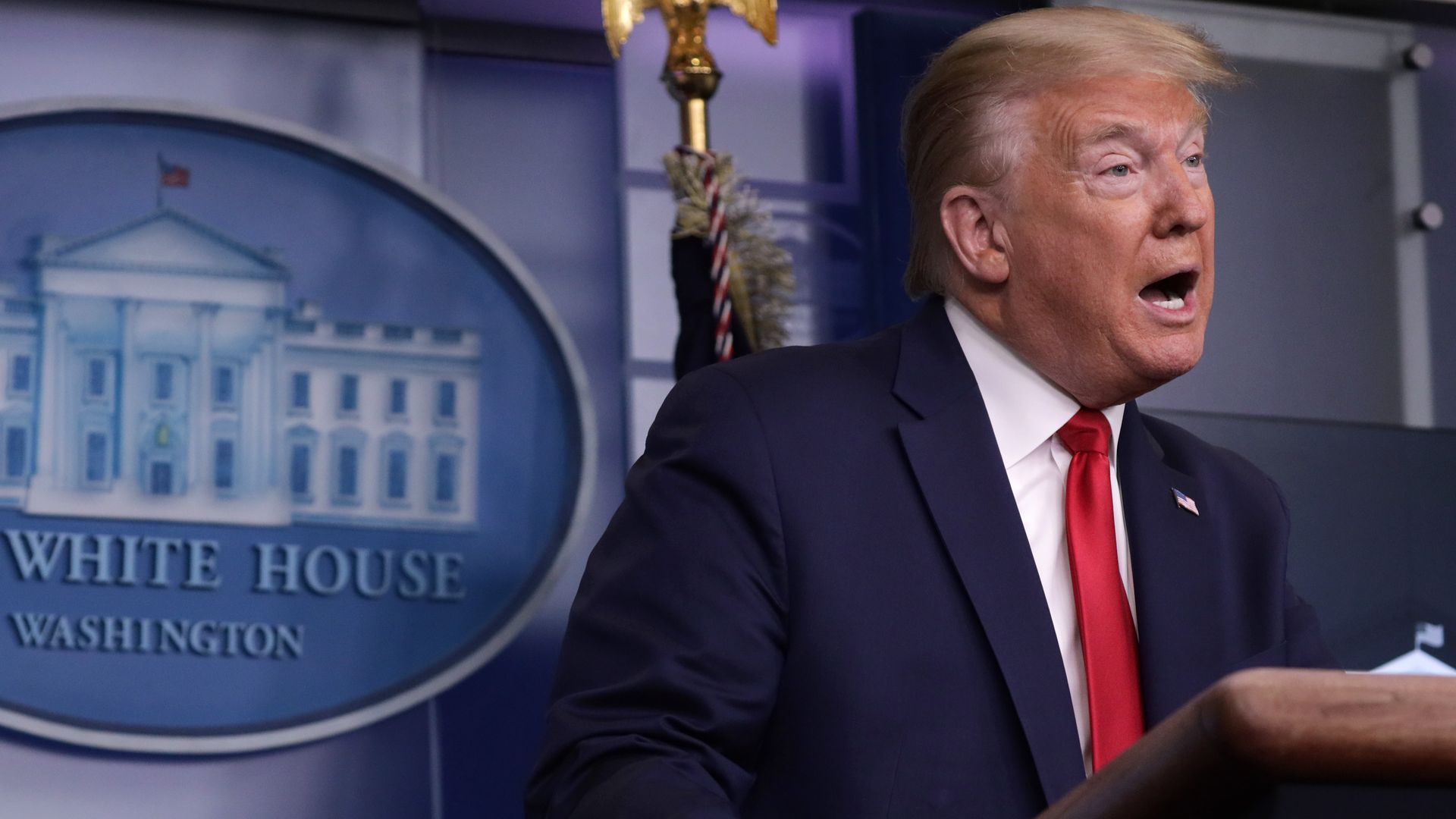
President Trump threatened to shut down or regulate social media platforms due to anti-conservative bias in a pair of Wednesday tweets — the day after Twitter's first fact-check against the president's claims on its platform.
Reality check: While his claim that social media companies target conservatives isn't new, an Axios analysis last year found that stories about the 2020 presidential election that drove the most engagement online often came from right-wing media outlets.
A wave of cyber-spying around COVID-19 medical research is once more demonstrating the perils of treating cybersecurity as a separate, walled-off realm.
Driving the news: U.S. officials recently announced an uptick in Chinese-government affiliated hackers targeting medical research and other facilities in the United States for data on a potential COVID-19 cure or effective treatments to combat the virus. Additionally, “more than a dozen countries have redeployed military and intelligence hackers to glean whatever they can about other nations’ virus responses,” reports the New York Times.
Twitter fact-checked two of President Trump's unsubstantiated tweets that mail-in ballots in the 2020 election would be fraudulent for the first time on Tuesday, directing users to "get the facts" through news stories that cover the topic.
Why it matters: Twitter and other social media platforms have faced criticism for not doing enough to combat misinformation, especially when its propagated by the president.
Google aims to partially reopen its offices July 6 for up to 10% of its workers, with plans to boost that to about 30% of capacity by September, according to a memo CEO Sundar Pichai sent to employees Tuesday.
Why it matters: As we've reported, most large tech companies are in no rush to return their workers to the office on a large scale. However, many are preparing for a slow reopening for those workers who do want to be in the office, as well as for jobs like hardware design and engineering that are challenging to do remotely.
The husband of Lori Klausutis, an aide to Joe Scarborough when he was a member of Congress who died in 2001, asked Twitter CEO Jack Dorsey to take down President Trump's tweets baselessly accusing the MSNBC host of murdering her, according to a letter obtained by the New York Times' Kara Swisher.
The state of play: Timothy Klausutis asked Dorsey to delete the tweets because Trump "has taken something that does not belong him — the memory of my dead wife and perverted it for perceived political gain."
Trustees of the Wikimedia Foundation, the nonprofit behind Wikipedia, have tasked the organization with developing a new code of conduct to curtail "harassment, toxic behavior and incivility" among Wikipedia editors, The Verge reports.
The big picture: Wikipedia remains one of the web’s most enduring collaborations, drawing volunteer editors from around the globe. But it has long faced charges that its editorial ranks aren’t sufficiently diverse and have been rife with abusive behavior.
Google, Facebook and other tech giants face a summer of regulatory grilling as long-running investigations into potential anticompetitive practices likely come to a head.
The big picture: Probes into the power of Big Tech launched by federal and state authorities are turning a year old, and observers expect action in the form of formal lawsuits and potentially damning reports — even as the companies have become a lifeline for Americans during the pandemic lockdown.
Palantir is "getting close" to a decision on whether to move the company out of California, CEO Alex Karp said in an interview for "Axios on HBO."
The state of play: "We haven't picked a place yet, but it's going to be closer to the East Coast than the West Coast. ... If I had to guess, I would guess something like Colorado."
Palantir CEO Alex Karp told "Axios on HBO" that there have "absolutely" been moments he wished the company hadn't taken a contract with Immigration and Customs Enforcement (ICE).
"Did I suffer? ... I've had some of my favorite employees leave," Karp told "Axios on HBO."