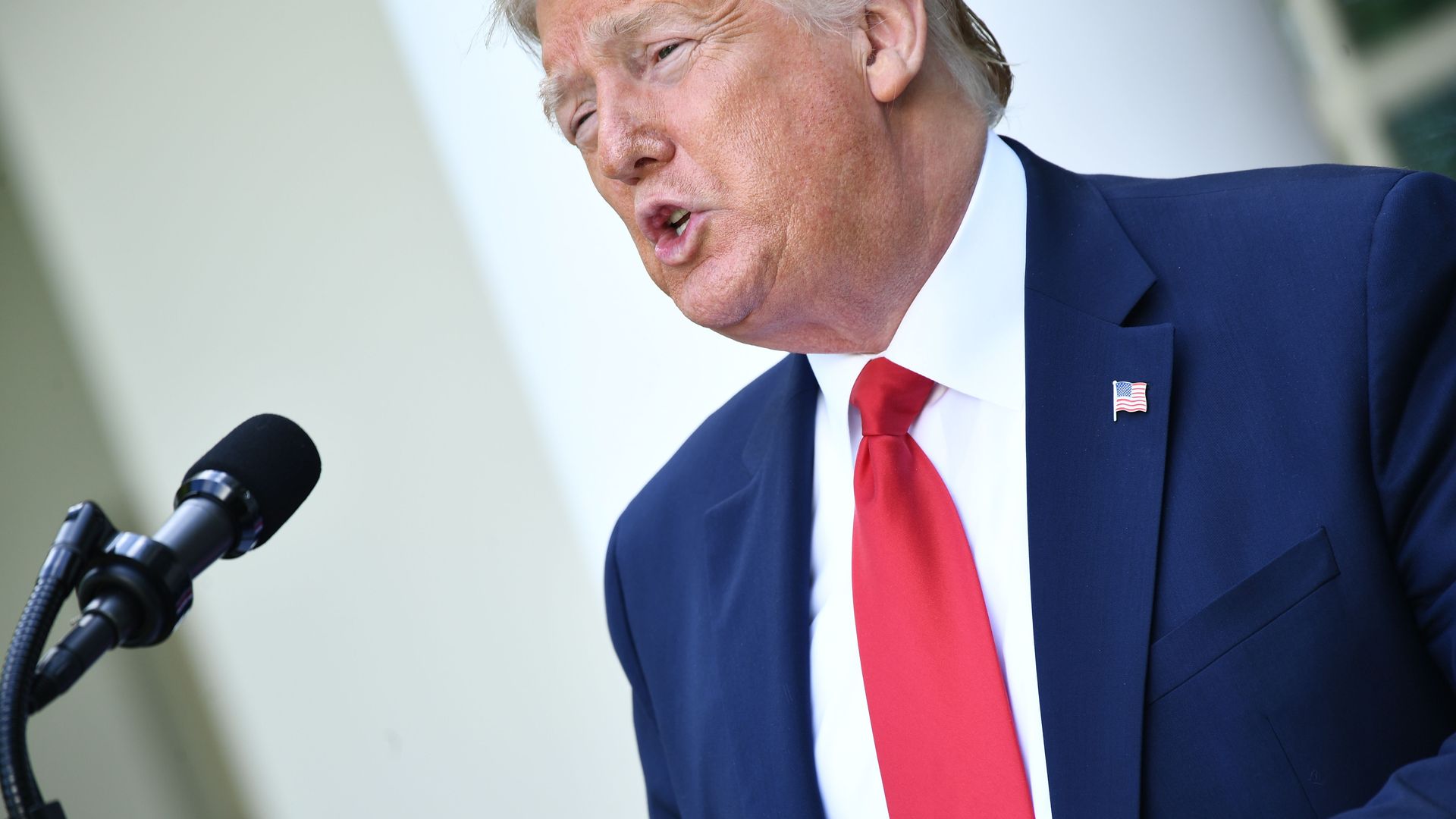
Twitter fact-checked two of President Trump's unsubstantiated tweets that mail-in ballots in the 2020 election would be fraudulent for the first time on Tuesday, directing users to "get the facts" through news stories that cover the topic.
Why it matters: Twitter and other social media platforms have faced criticism for not doing enough to combat misinformation, especially when its propagated by the president.
Google aims to partially reopen its offices July 6 for up to 10% of its workers, with plans to boost that to about 30% of capacity by September, according to a memo CEO Sundar Pichai sent to employees Tuesday.
Why it matters: As we've reported, most large tech companies are in no rush to return their workers to the office on a large scale. However, many are preparing for a slow reopening for those workers who do want to be in the office, as well as for jobs like hardware design and engineering that are challenging to do remotely.
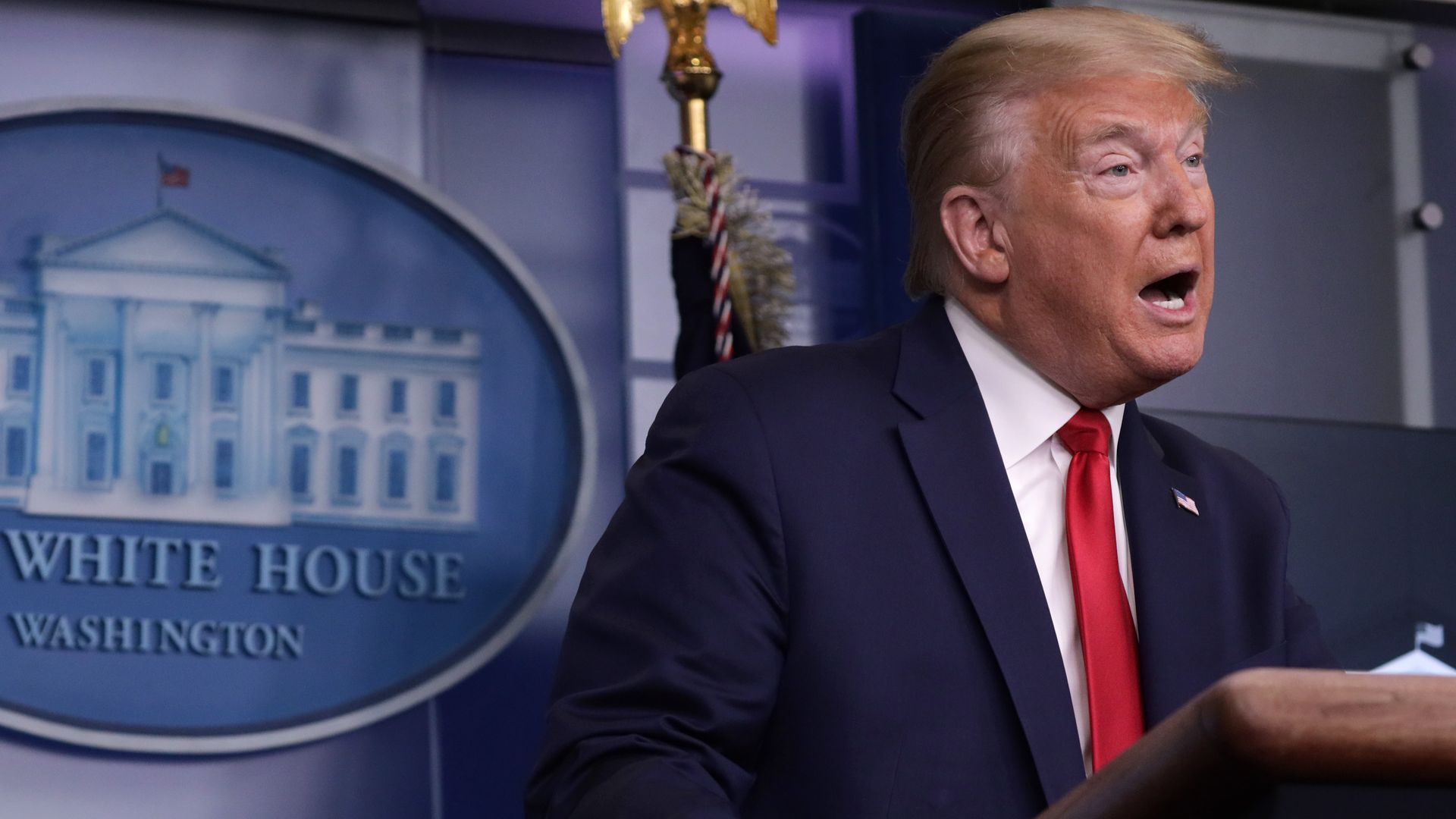
The husband of Lori Klausutis, an aide to Joe Scarborough when he was a member of Congress who died in 2001, asked Twitter CEO Jack Dorsey to take down President Trump's tweets baselessly accusing the MSNBC host of murdering her, according to a letter obtained by the New York Times' Kara Swisher.
The state of play: Timothy Klausutis asked Dorsey to delete the tweets because Trump "has taken something that does not belong him — the memory of my dead wife and perverted it for perceived political gain."
Trustees of the Wikimedia Foundation, the nonprofit behind Wikipedia, have tasked the organization with developing a new code of conduct to curtail "harassment, toxic behavior and incivility" among Wikipedia editors, The Verge reports.
The big picture: Wikipedia remains one of the web’s most enduring collaborations, drawing volunteer editors from around the globe. But it has long faced charges that its editorial ranks aren’t sufficiently diverse and have been rife with abusive behavior.
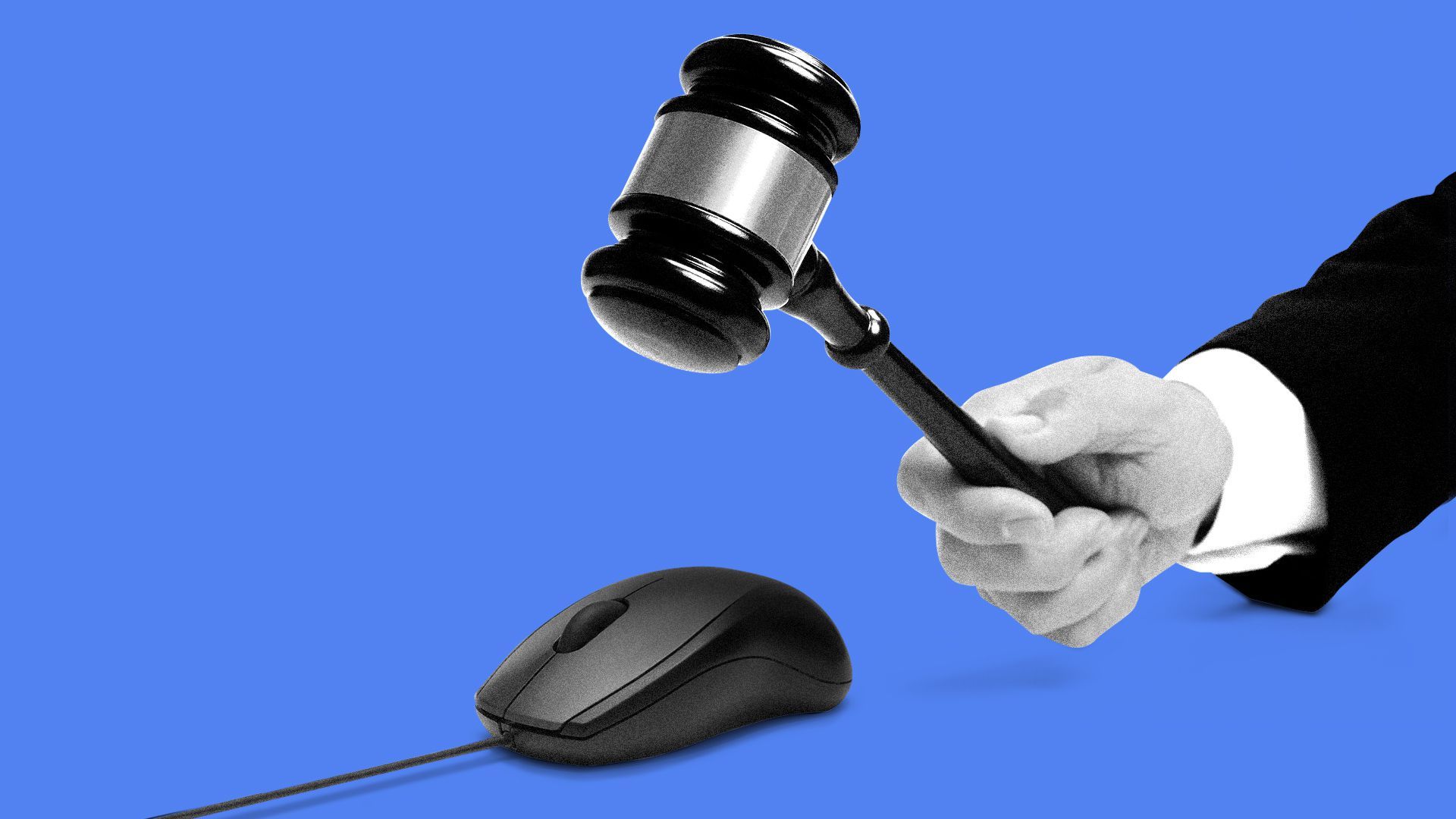
Google, Facebook and other tech giants face a summer of regulatory grilling as long-running investigations into potential anticompetitive practices likely come to a head.
The big picture: Probes into the power of Big Tech launched by federal and state authorities are turning a year old, and observers expect action in the form of formal lawsuits and potentially damning reports — even as the companies have become a lifeline for Americans during the pandemic lockdown.
Palantir is "getting close" to a decision on whether to move the company out of California, CEO Alex Karp said in an interview for "Axios on HBO."
The state of play: "We haven't picked a place yet, but it's going to be closer to the East Coast than the West Coast. ... If I had to guess, I would guess something like Colorado."
Palantir CEO Alex Karp told "Axios on HBO" that there have "absolutely" been moments he wished the company hadn't taken a contract with Immigration and Customs Enforcement (ICE).
"Did I suffer? ... I've had some of my favorite employees leave," Karp told "Axios on HBO."