Arweave, a London-based blockchain startup focused on permanent data storage, raised $8.3 million in tokenized funding from Andreessen Horowitz, Coinbase Ventures and Union Square Ventures.
Why it matters: The company's technology is designed to create permanent record of web content — a boon to fighting government censorship, but a possible nightmare for "right to be forgotten" advocates.
Sequoia Capital issued a dire warning Thursday to portfolio company CEOs about the business impacts of the coronavirus, suggesting that they "question every assumption" about their businesses, including cash runway, headcount, sales forecasts, and the availability of future funding.
Why it matters: Sequoia, an early investor in Airbnb and Google, is no Chicken Little. The last time it did something similar was more than 11 years ago, at the peak of the financial crisis, via its famed "RIP Good Times" slide deck.
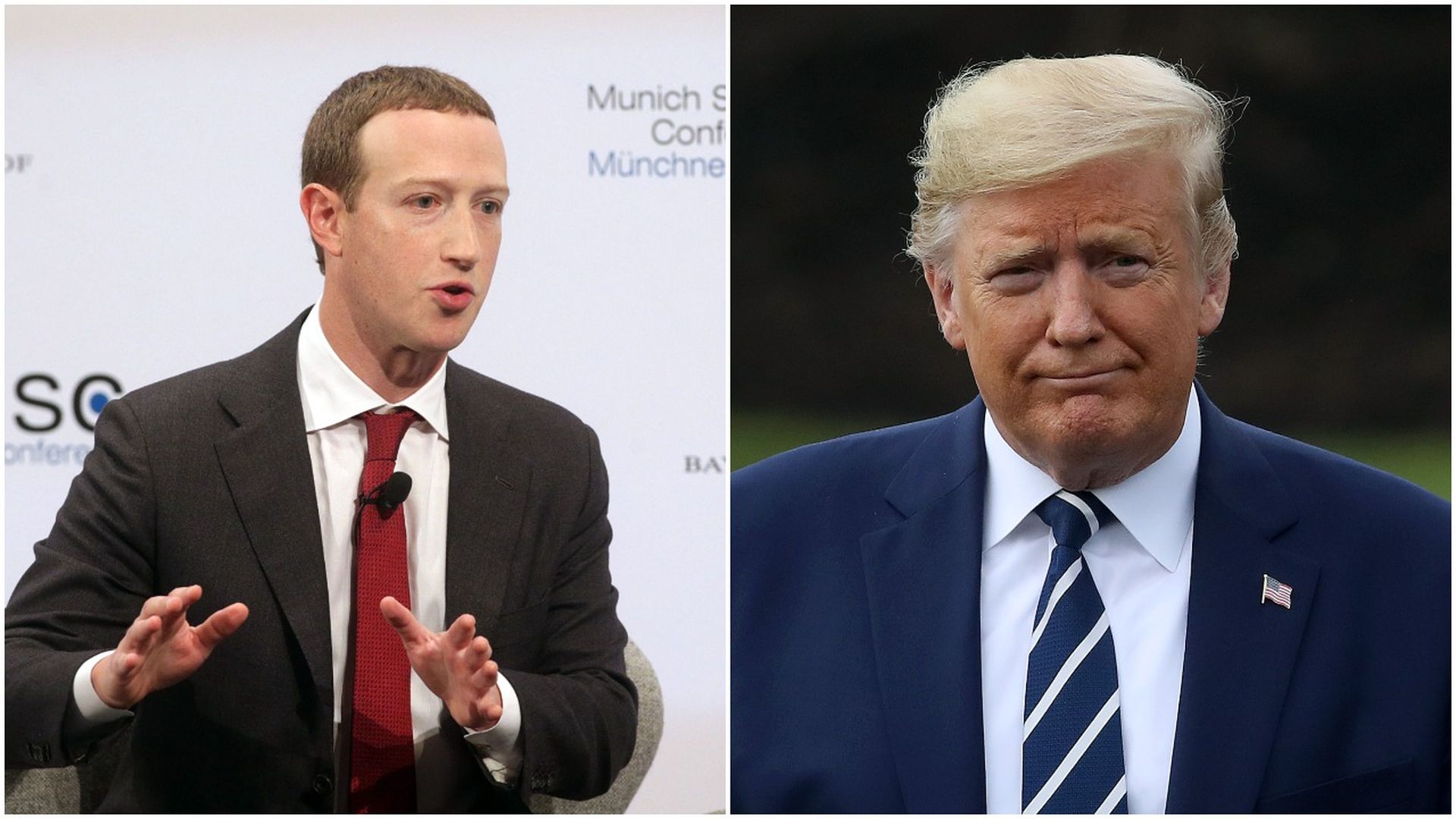
After initially indicating it would not take action against campaign ads from President Trump that encouraged people to "take the Official 2020 Congressional District Census today," Facebook said Thursday it would take the messages down.
Why it matters: Facebook has generally subjected political advertising to few rules, but had said it would take a tough stand against any posts designed to mislead people about the census.
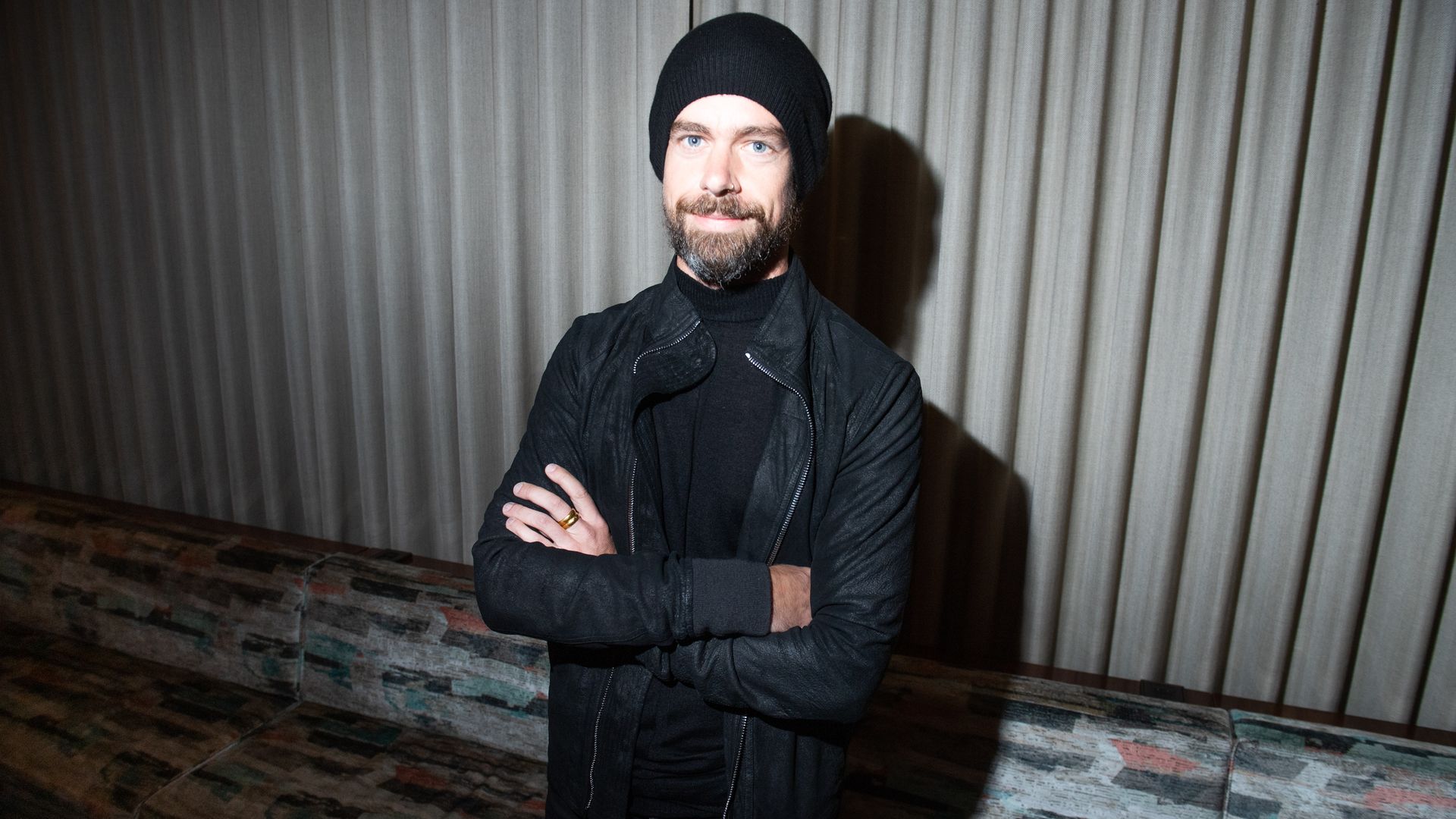
Between the lines: Dorsey specifically blamed the ongoing coronavirus outbreak, though his decision also comes as Twitter struggles with tough content and business issues and as an activist investor, Elliott Management, is seeking his ouster.
Washington is amping up pressure on Big Tech to fight online child sexual exploitation, while critics and some companies fear the real aim is to force the industry to bend to the government's will on encryption.
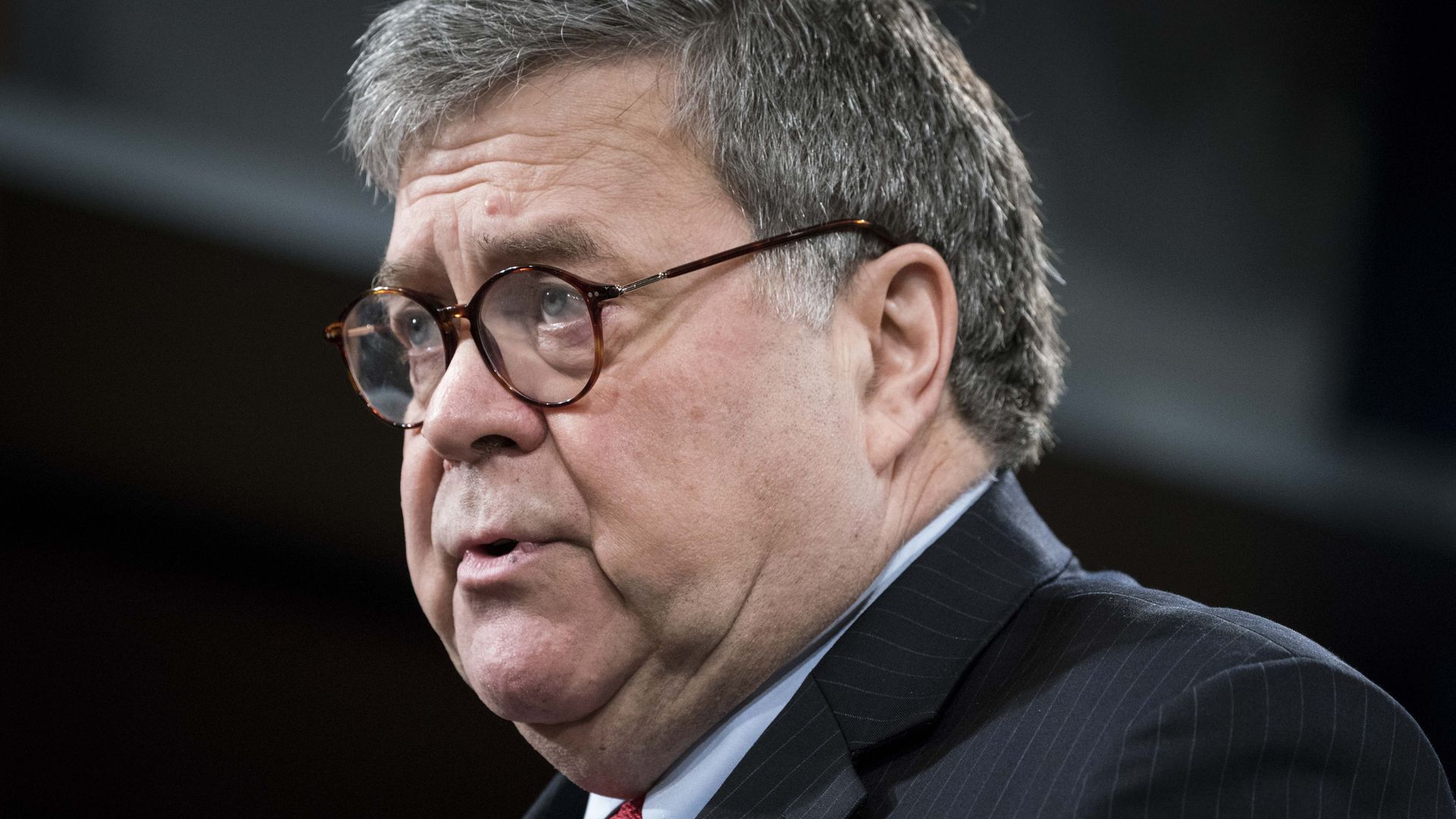
The big picture: Separate measures from the Trump administration and a bipartisan group of Senate leaders Thursday offer the industry a broad set of general principles for fighting child sexual exploitation, while also threatening to withhold longstanding liability protection from companies that fail to meet government-approved standards.
Many of the coronavirus stories getting shared the most on social media are packaged to drive fear rather than build understanding about the illness, according to NewsWhip data provided to Axios.
Why it matters: Social media greases and amplifies dramatic headlines, while more functional or nuanced information gets squashed.
Microsoft, Google, Facebook and Twitter all told Axios on Thursday night that they plan to pay their hourly workers regular wages even as they encourage many of their staff to work from home, reducing their on-site support staffing needs.
Why it matters: While many tech employees can do their jobs remotely, large companies also have support staff that do everything from cooking their meals to driving shuttles and cleaning the office. Those workers can't do their jobs remotely, and it was not initially clear how the coronavirus response would affect them.
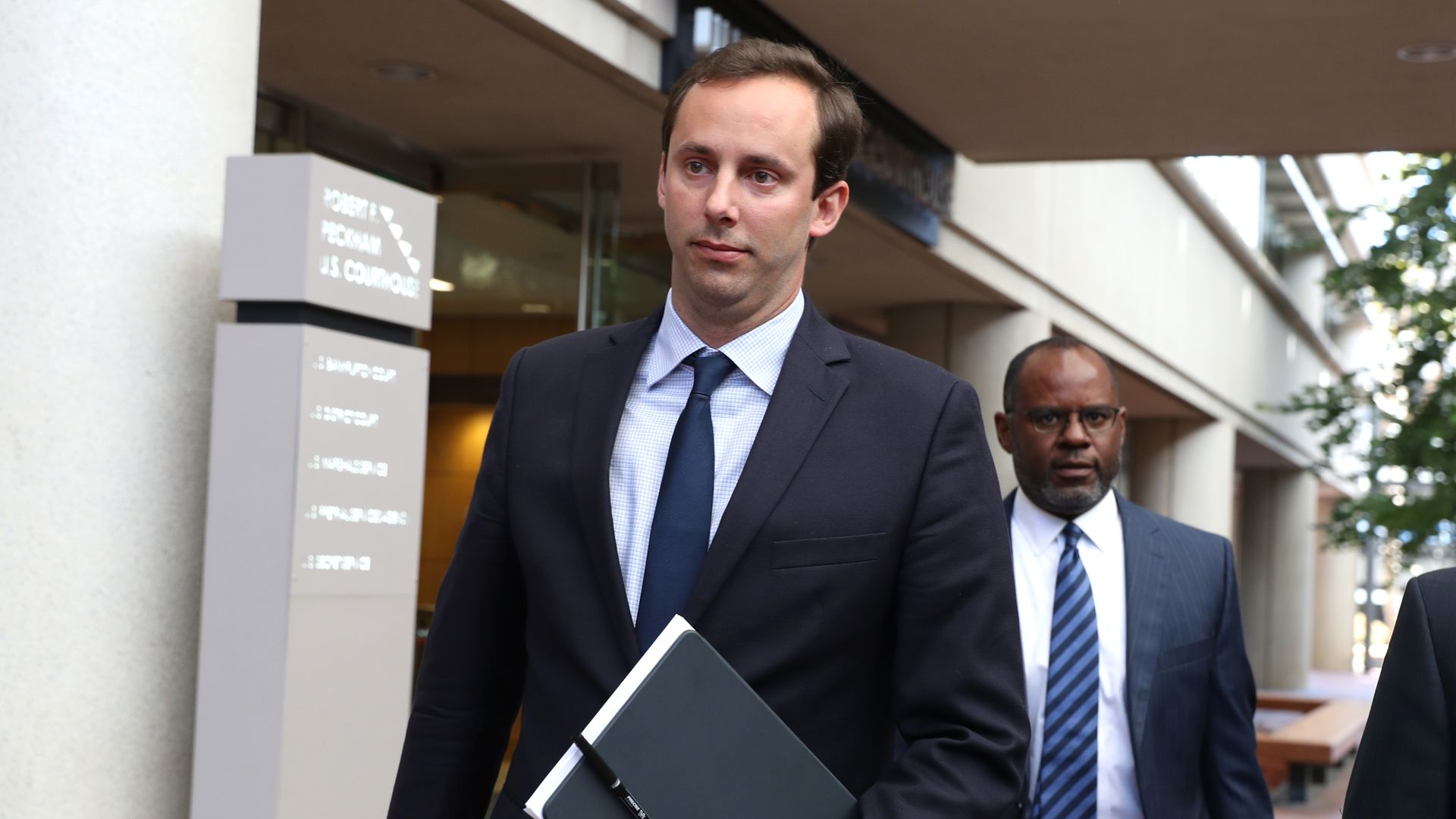
A San Francisco judge affirmed that Anthony Levandowski, the executive at the center of a 2017 lawsuit between Waymo and Uber over alleged trade secret theft, would have to pay the $179 million arbitration settlement over his departure from the Alphabet company, per Reuters.
Flashback: Waymo, which is owned by Alphabet, sued Uber three years ago, alleging Levandowski and the company conspired to steal its autonomous driving technology. After a year-long legal battle and a week of trial, the companies settled. Since then, Uber has admitted that a review of its tech concluded it would have to make significant changes or pay Waymo a licensing fee.
The Trump administration on Thursday announced an initiative with four other countries aimed at combatting the online sexual exploitation and abuse of children.
The big picture: The move comes in the form of a set of voluntary principles crafted in consultation with industry, suggesting the administration is still looking to work constructively with Big Tech on the issue, despite heated Washington rhetoric around using the law to compel firmer action.
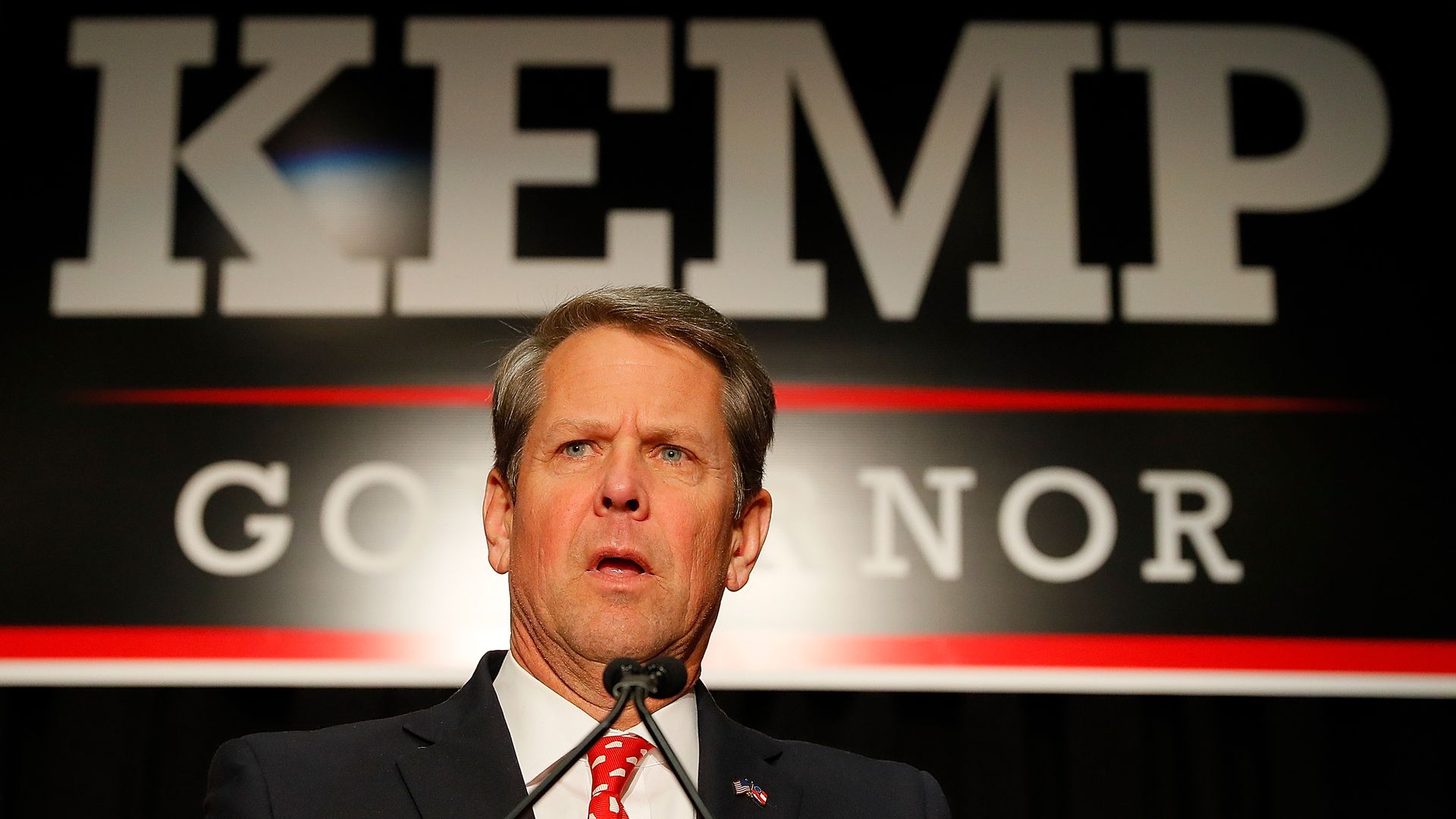
Georgia closed an investigation into its governor's accusation that Democrats had hacked state voter registration systems, concluding there was no evidence to support the charge.
Catch up fast: Two days before the polls opened in the 2018 Georgia governor's race, Brian Kemp — then Georgia's secretary of state, in charge of overseeing the election — made his explosive charge.
When the popular free-stock-trading app Robinhood went offline Monday and Tuesday, Twitter wags immediately opined that programmers must have failed to account for this year's quadrennial Leap Day, which fell on Saturday. The firm eventually denied that scenario, pinning the crash on simple infrastructure overload.
The big picture: But it wasn't a bad guess.Calendar quirks have always been a predictable source of software bugs. We think of the measurement of time as a science, but it is also a human art, encrusted with customs, exceptions and historical quirks.
The U.S.'s blunt policy of walling itself off from Huawei could backfire, making the Chinese telecom giant even stronger in the long term.
Why it matters: The grand decoupling of American and Chinese tech amid trade tensions and cybersecurity concerns, of which Huawei is at the center, is pushing China's companies to become increasingly self-reliant. Huawei's progress could position it to take the lead in the global U.S.-China tech race, experts say.
AT&T will look to cut tens of billions of dollars in costs over the next few years, including job cuts in the near term, AT&T president John Stankey said at a Morgan Stanley conference this week.
Why it matters: Critics were quick to point out that AT&T's cost-cutting plans come despite previous promises to increase investment and create jobs as part of the case for corporate tax cuts and the easing of net neutrality rules.
In Brazil, Twitter is testing tweets that disappear after 24 hours, AP reports.
The state of play: The company says the ephemeral tweets — "fleets" — are designed to allay the concerns of new users who might be turned off by the public and permanent nature of normal tweets.
Policymakers in D.C. are targeting a handful of specific Chinese-owned companies as they try to thread the needle between protecting U.S. security and avoiding wider disruption of the two nations' interdependent economies.
The big picture: A new wave of proposals in Congress is turning TikTok, Huawei and other specific companies into proxies in Washington's broader power struggle with Beijing.