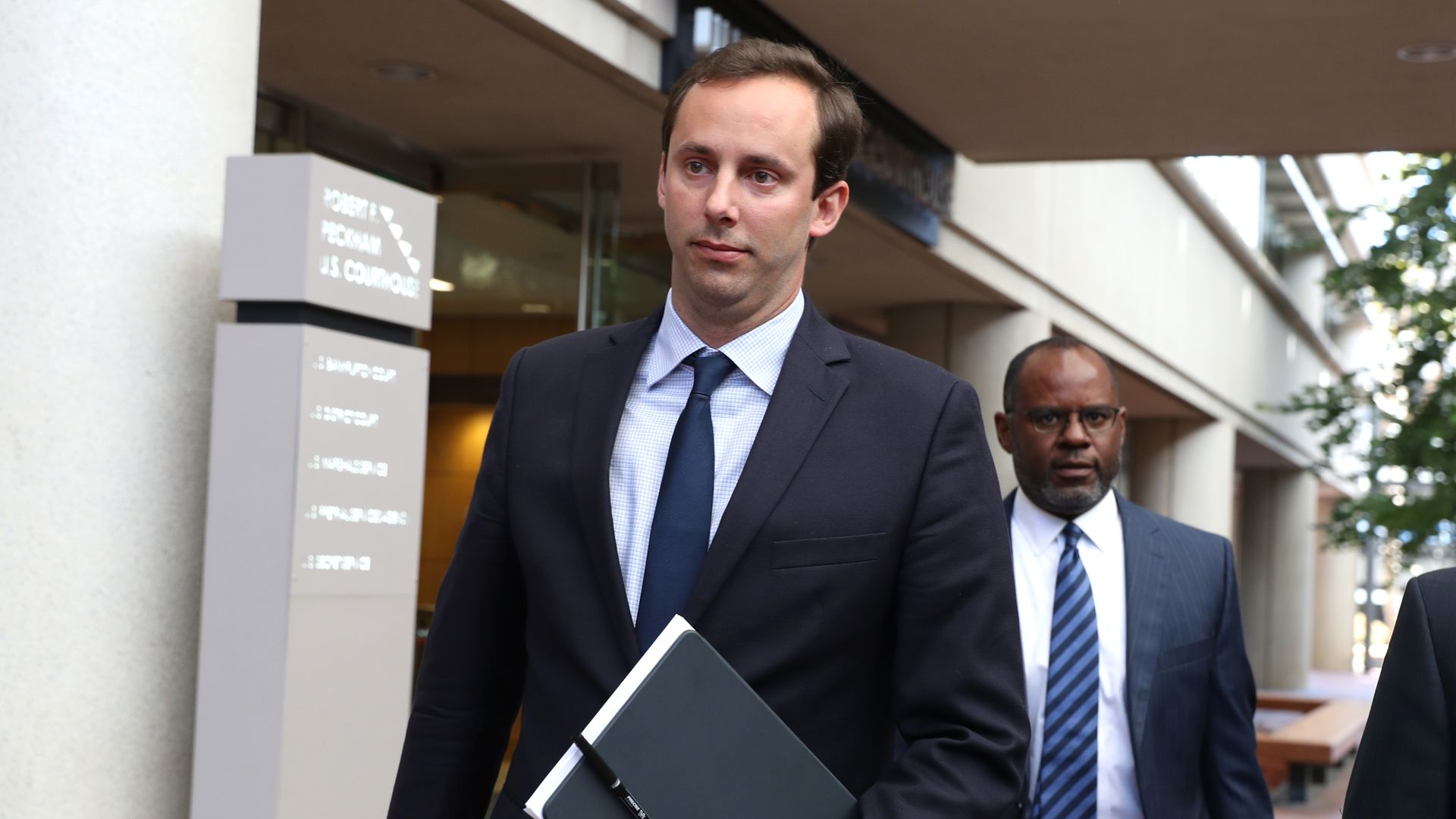
A San Francisco judge affirmed that Anthony Levandowski, the executive at the center of a 2017 lawsuit between Waymo and Uber over alleged trade secret theft, would have to pay the $179 million arbitration settlement over his departure from the Alphabet company, per Reuters.
Flashback: Waymo, which is owned by Alphabet, sued Uber three years ago, alleging Levandowski and the company conspired to steal its autonomous driving technology. After a year-long legal battle and a week of trial, the companies settled. Since then, Uber has admitted that a review of its tech concluded it would have to make significant changes or pay Waymo a licensing fee.
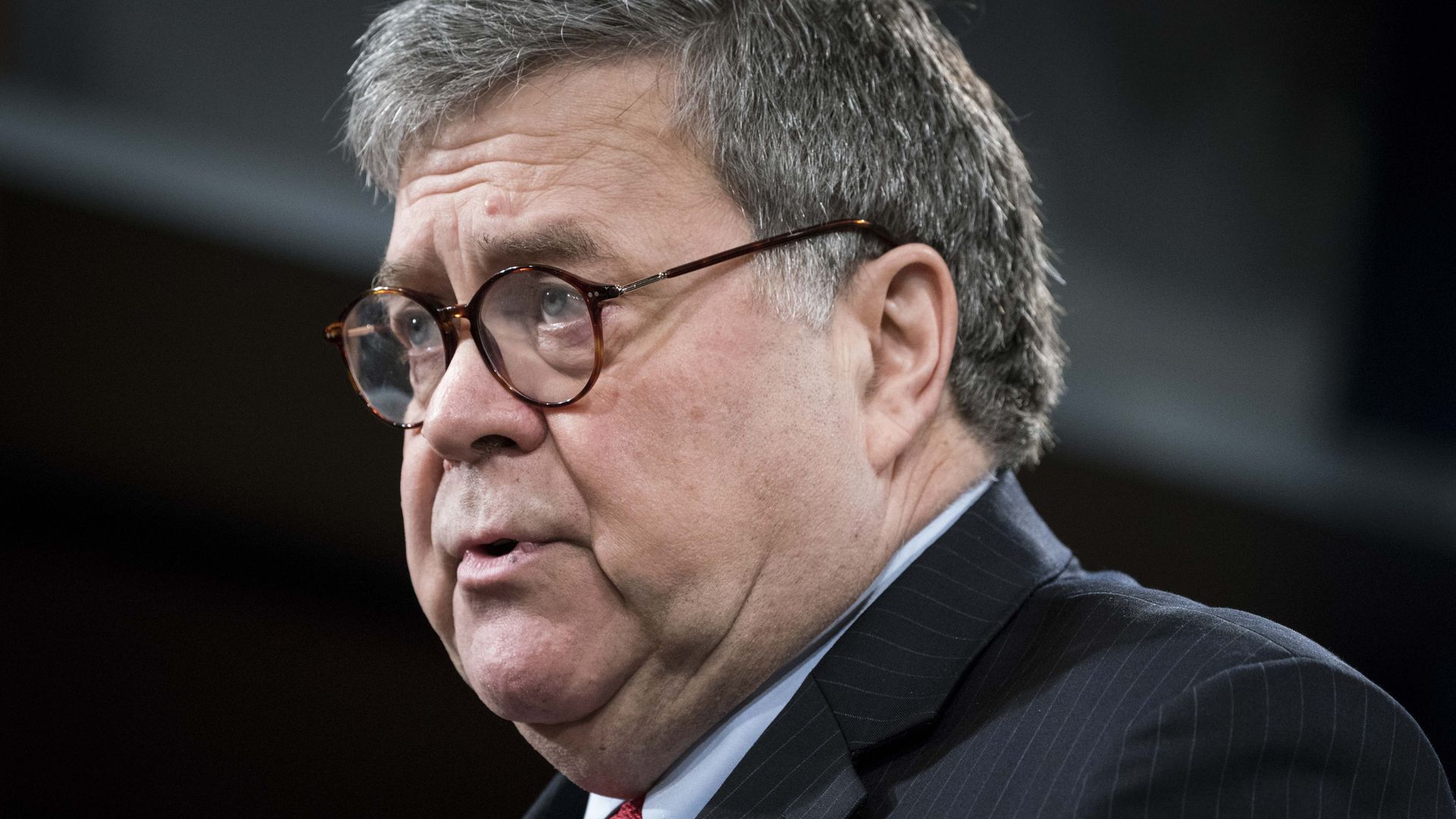
The Trump administration on Thursday announced an initiative with four other countries aimed at combatting the online sexual exploitation and abuse of children.
The big picture: The move comes in the form of a set of voluntary principles crafted in consultation with industry, suggesting the administration is still looking to work constructively with Big Tech on the issue, despite heated Washington rhetoric around using the law to compel firmer action.
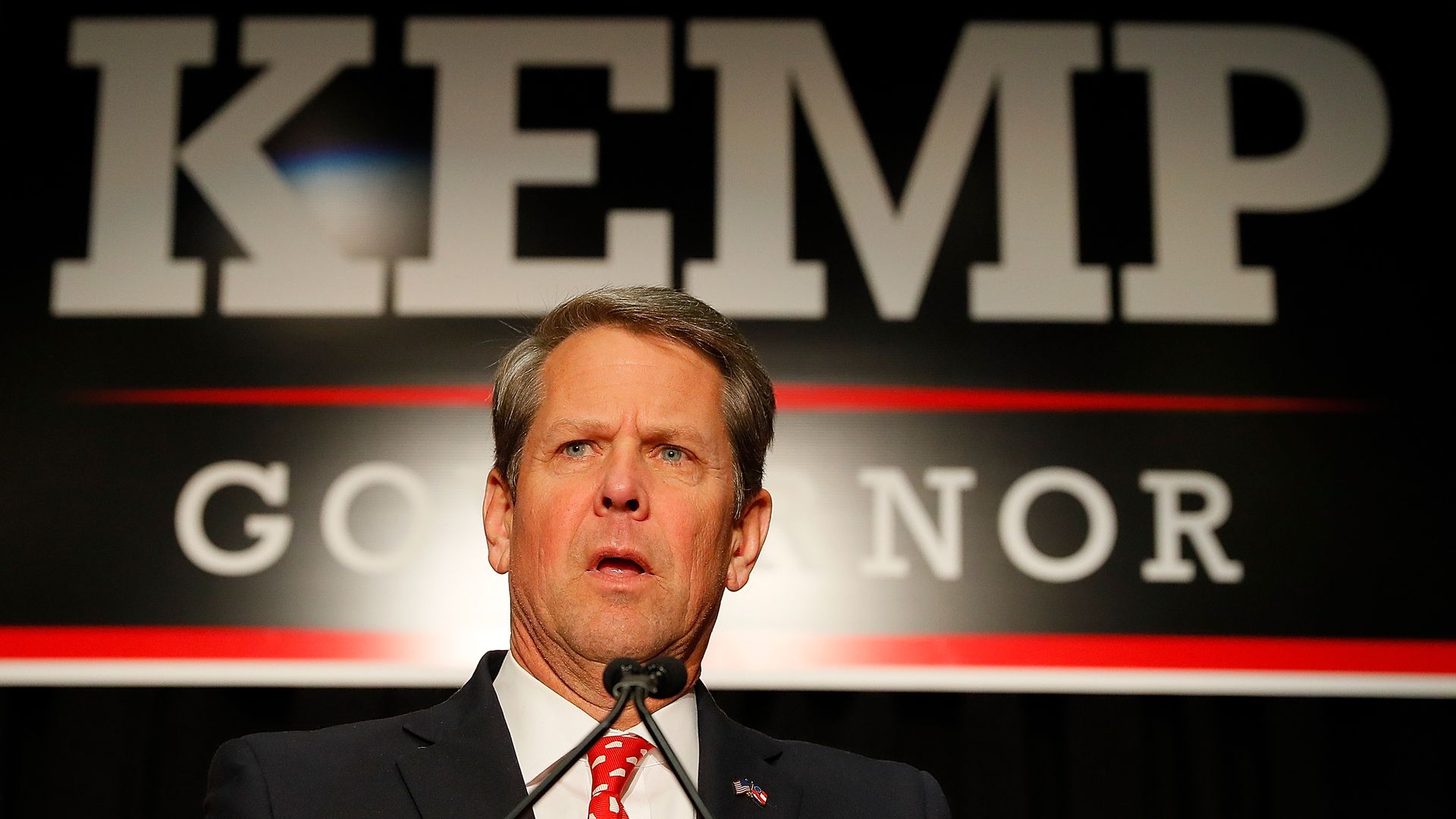
Georgia closed an investigation into its governor's accusation that Democrats had hacked state voter registration systems, concluding there was no evidence to support the charge.
Catch up fast: Two days before the polls opened in the 2018 Georgia governor's race, Brian Kemp — then Georgia's secretary of state, in charge of overseeing the election — made his explosive charge.
When the popular free-stock-trading app Robinhood went offline Monday and Tuesday, Twitter wags immediately opined that programmers must have failed to account for this year's quadrennial Leap Day, which fell on Saturday. The firm eventually denied that scenario, pinning the crash on simple infrastructure overload.
The big picture: But it wasn't a bad guess.Calendar quirks have always been a predictable source of software bugs. We think of the measurement of time as a science, but it is also a human art, encrusted with customs, exceptions and historical quirks.
The U.S.'s blunt policy of walling itself off from Huawei could backfire, making the Chinese telecom giant even stronger in the long term.
Why it matters: The grand decoupling of American and Chinese tech amid trade tensions and cybersecurity concerns, of which Huawei is at the center, is pushing China's companies to become increasingly self-reliant. Huawei's progress could position it to take the lead in the global U.S.-China tech race, experts say.
AT&T will look to cut tens of billions of dollars in costs over the next few years, including job cuts in the near term, AT&T president John Stankey said at a Morgan Stanley conference this week.
Why it matters: Critics were quick to point out that AT&T's cost-cutting plans come despite previous promises to increase investment and create jobs as part of the case for corporate tax cuts and the easing of net neutrality rules.
In Brazil, Twitter is testing tweets that disappear after 24 hours, AP reports.
The state of play: The company says the ephemeral tweets — "fleets" — are designed to allay the concerns of new users who might be turned off by the public and permanent nature of normal tweets.
Policymakers in D.C. are targeting a handful of specific Chinese-owned companies as they try to thread the needle between protecting U.S. security and avoiding wider disruption of the two nations' interdependent economies.
The big picture: A new wave of proposals in Congress is turning TikTok, Huawei and other specific companies into proxies in Washington's broader power struggle with Beijing.
Apps on Apple products can now send push notifications for ads and promotions as long as customers explicitly opt in to get those alerts, according to the company's updated App Store guidelines.
Why it matters: Apple has long prevented ads in notifications. Including marketing material alongside alerts for personal messages and breaking news runs the risk of further cluttering peoples' feeds.
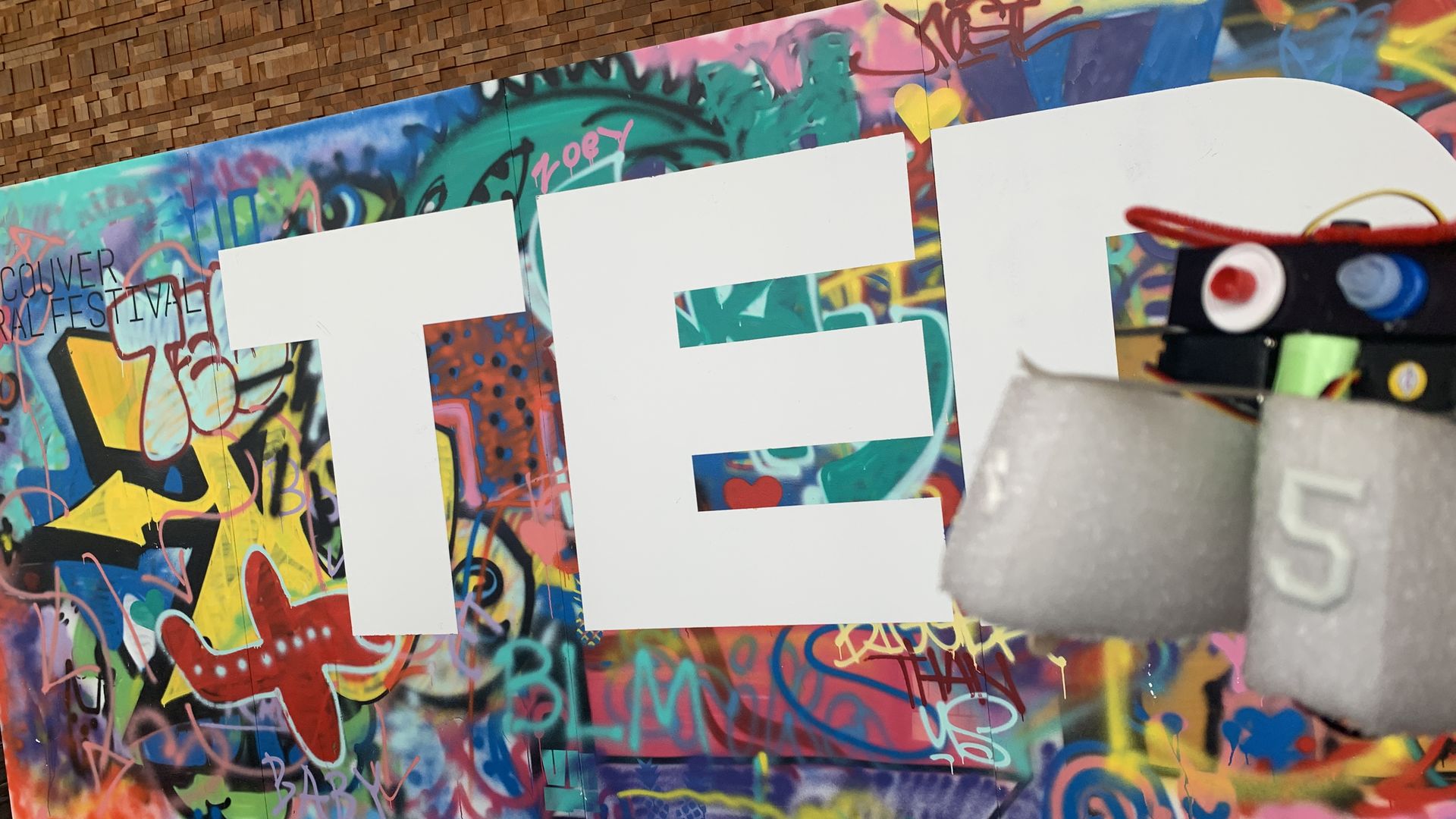
The TED conference in Vancouver is the latest major gathering to be affected by the coronavirus, with organizers telling Axios they plan to either postpone the event or hold a digital-only gathering.
Why it matters: The high-profile weeklong conference brings together some of the biggest names in tech, entertainment and business.
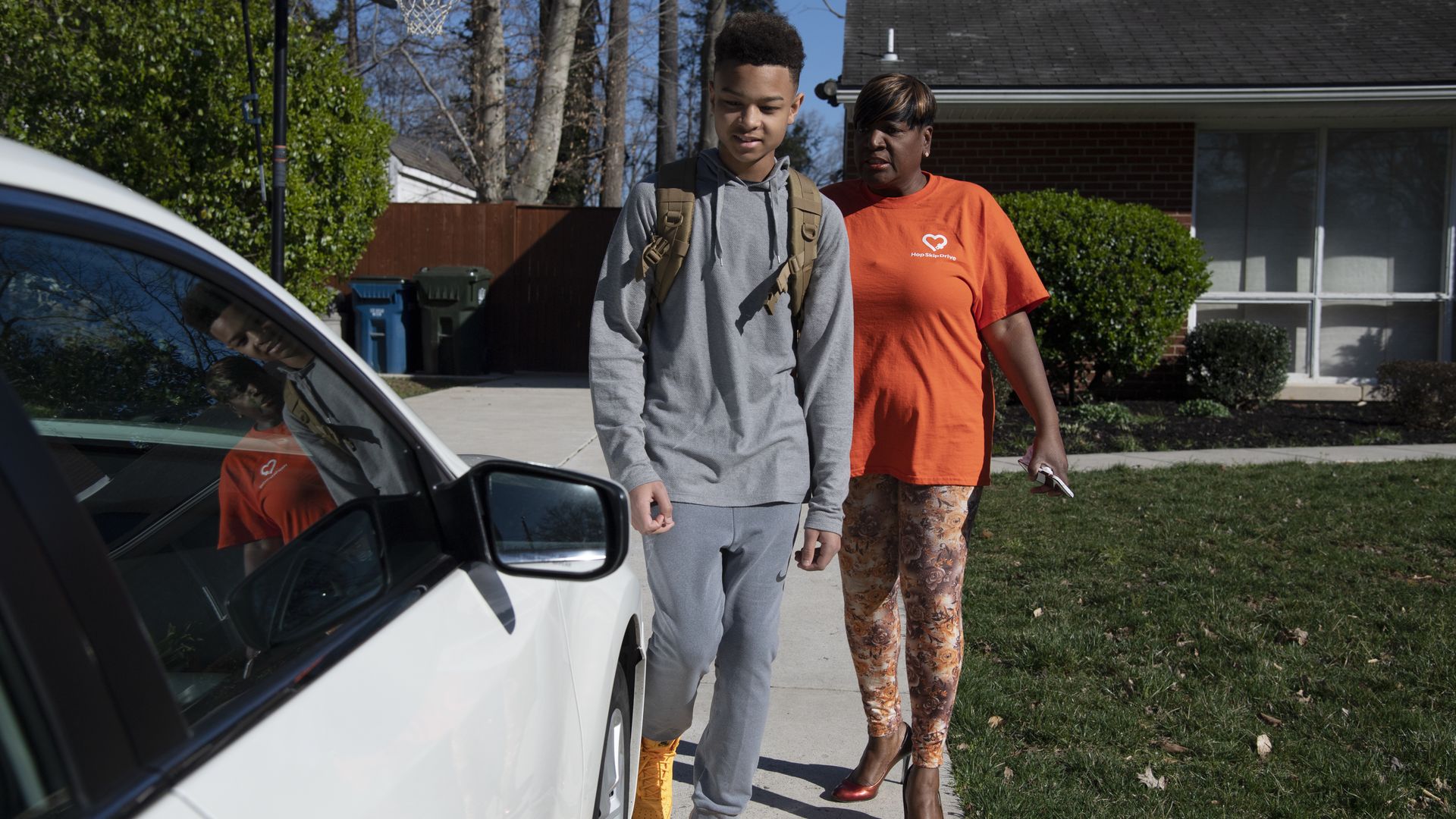
When startups set out to become the “Uber for kids” several years ago, they predicted parents would use them to ferry children to and from school and activities — but they’ve since found a much bigger customer: schools.
The big picture: Companies like HopSkipDrive and Zum are getting much of their business from schools using their services to replace or supplement the traditional school buses, especially for students with special needs or for trips outside of existing routes.
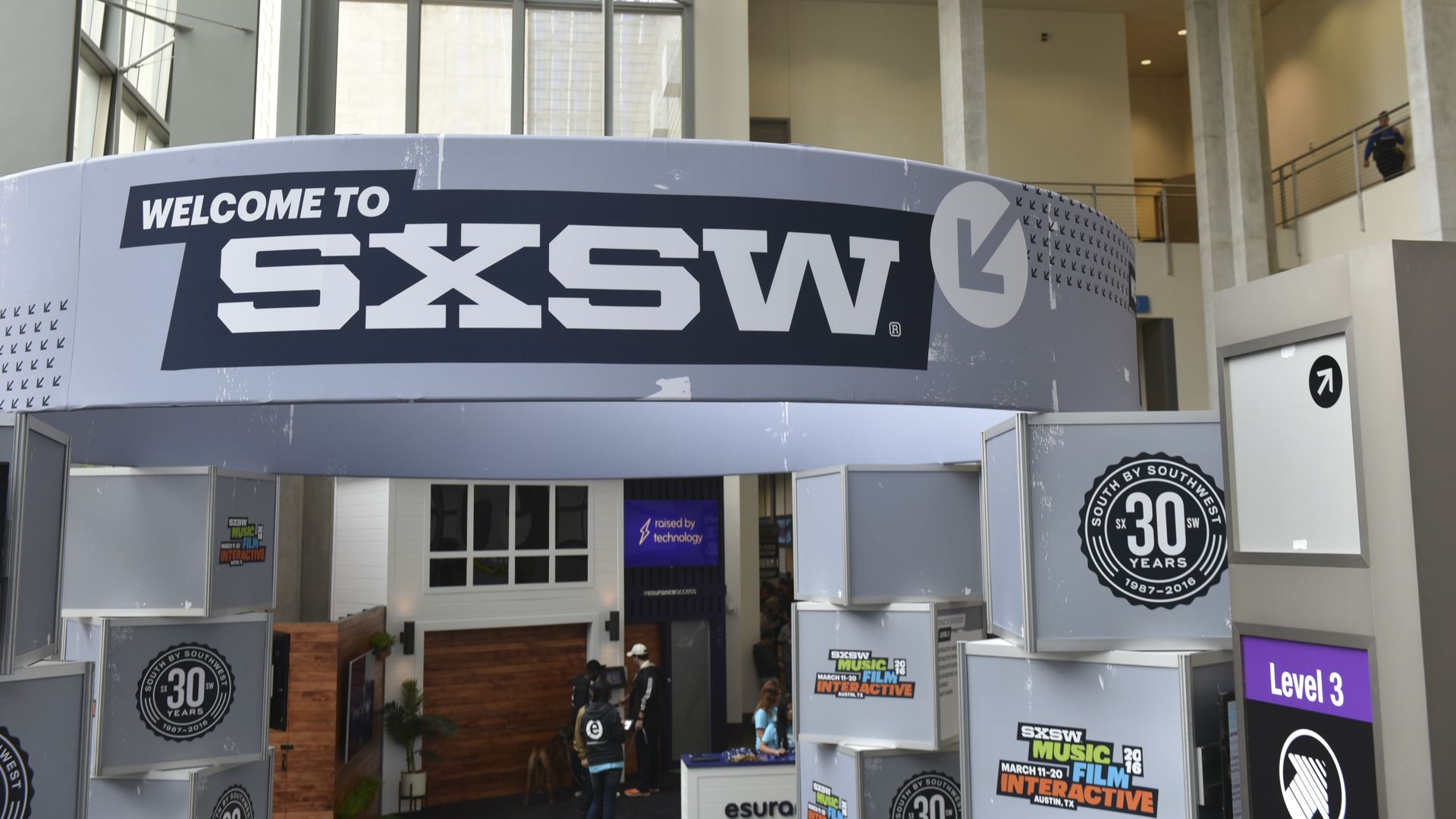
It's looking like most big tech events will be postponed or canceled for the coming couple months, creating new work patterns for an industry that thrives on gatherings.
Between the lines: In-person events carry long-term value as attendees share ideas and build deeper relationships. In the short term, though, workers may find that less travel for events helps them focus and be more productive.
The growing online trade in copycat goods is a new target in Washington's war on Big Tech, as policymakers pressure companies like Amazon to take more responsibility for what happens across their platforms.
The big picture: The spotlight on counterfeit goods is part of a broader push by lawmakers to use policy levers to hold tech companies accountable for real-world harms that result from users' online actions.
Facebook users are seeing more targeted ads from pharmaceutical companies — an ethical gray area for patient data and privacy, the Washington Post reports.
Why it matters: Drug companies don't need to know your medical history to target you for a a drug, and seeing a surprisingly relevant medical ad can feel invasive.