Apps on Apple products can now send push notifications for ads and promotions as long as customers explicitly opt in to get those alerts, according to the company's updated App Store guidelines.
Why it matters: Apple has long prevented ads in notifications. Including marketing material alongside alerts for personal messages and breaking news runs the risk of further cluttering peoples' feeds.
The TED conference in Vancouver is the latest major gathering to be affected by the coronavirus, with organizers telling Axios they plan to either postpone the event or hold a digital-only gathering.
Why it matters: The high-profile weeklong conference brings together some of the biggest names in tech, entertainment and business.
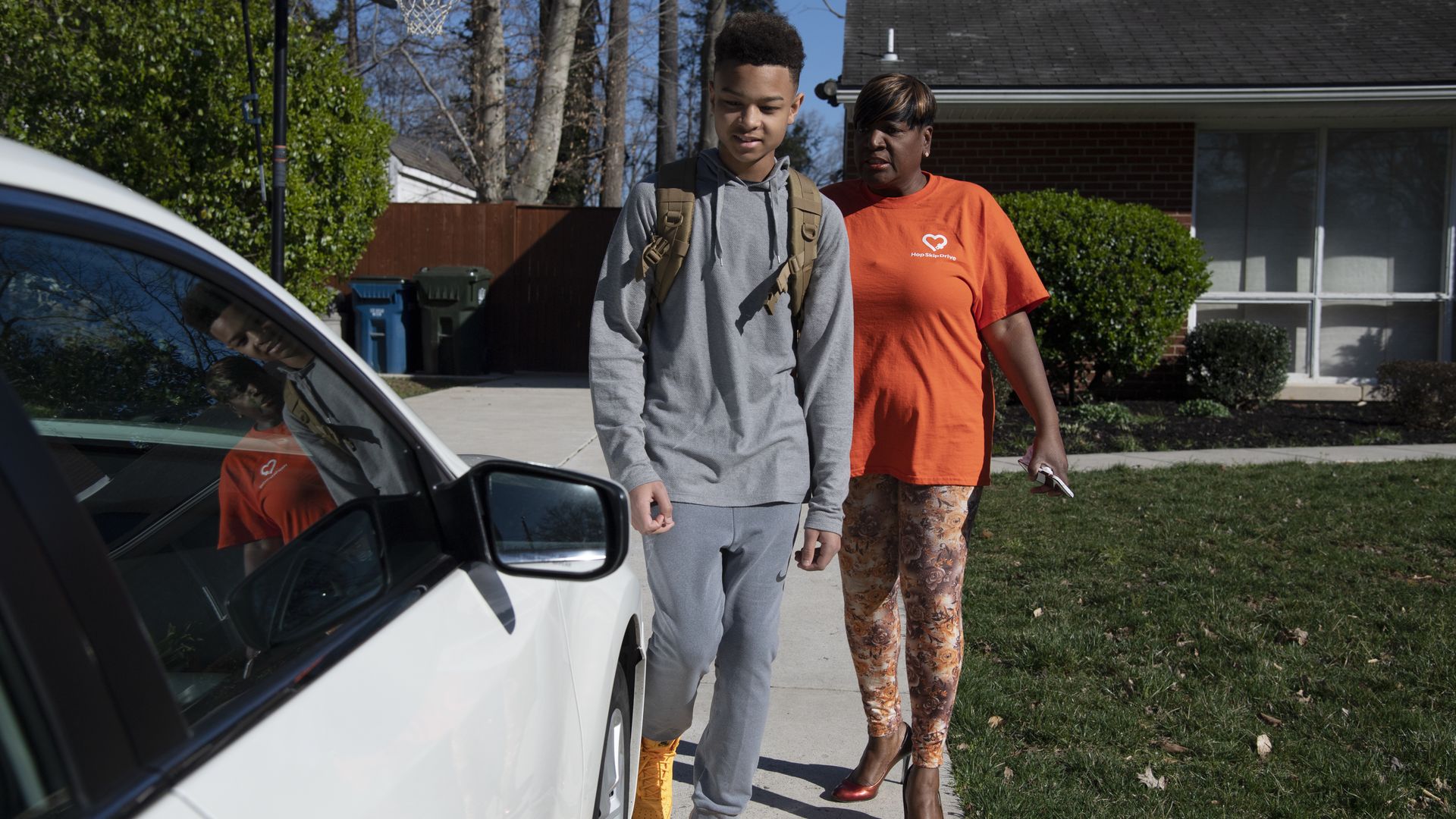
When startups set out to become the “Uber for kids” several years ago, they predicted parents would use them to ferry children to and from school and activities — but they’ve since found a much bigger customer: schools.
The big picture: Companies like HopSkipDrive and Zum are getting much of their business from schools using their services to replace or supplement the traditional school buses, especially for students with special needs or for trips outside of existing routes.
It's looking like most big tech events will be postponed or canceled for the coming couple months, creating new work patterns for an industry that thrives on gatherings.
Between the lines: In-person events carry long-term value as attendees share ideas and build deeper relationships. In the short term, though, workers may find that less travel for events helps them focus and be more productive.
The growing online trade in copycat goods is a new target in Washington's war on Big Tech, as policymakers pressure companies like Amazon to take more responsibility for what happens across their platforms.
The big picture: The spotlight on counterfeit goods is part of a broader push by lawmakers to use policy levers to hold tech companies accountable for real-world harms that result from users' online actions.
Facebook users are seeing more targeted ads from pharmaceutical companies — an ethical gray area for patient data and privacy, the Washington Post reports.
Why it matters: Drug companies don't need to know your medical history to target you for a a drug, and seeing a surprisingly relevant medical ad can feel invasive.
America's future is now intertwined with Facebook's future. Dan digs into the social network with veteran tech journalist Steven Levy, who just got unprecedented company access for a new book titled "Facebook: The Inside Story."
Tech companies are taking fresh action in hopes of preventing employees from getting exposed to the novel coronavirus.
The big picture: It's not clear what course the virus will take, but companies are trying to do what they can to keep running their businesses while minimizing risk for employees.
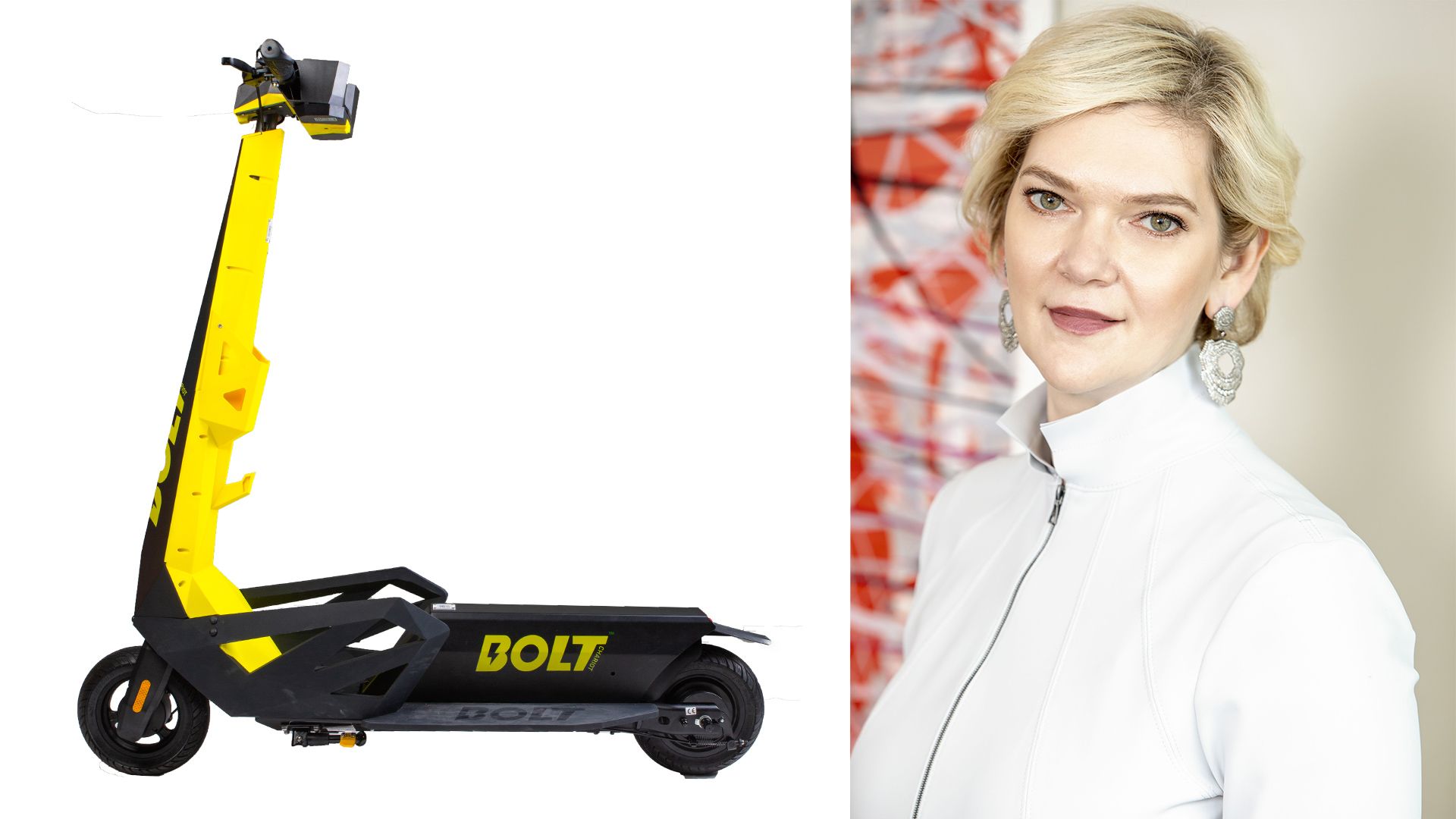
Bolt Mobility, a Miami Beach-based electric scooter company co-founded by Olympic sprinter Usain Bolt, announced Tuesday that it closed a Series A funding round, bringing total investment to $30 million at a $100 million valuation.
Why it matters: Bolt, led by former General Motors mobility executive Julia Steyn, is entering a crowded field in which many competitors are losing money and cutting back after two years of explosive growth.
The superstar cities that already claim high shares of the U.S. digital services economy are only getting stronger, according to a new analysis by the Brookings Institution.
Why it matters: The tech industry's success along the coasts is not dispersing to other regions that have been passed over in terms of job creation, deepening America's already stark geographic divides.
Some iPhone owners could receive $25 from Apple after the tech giant agreed to pay up to $500 million to settle a class-action lawsuit accusing it of slowing down older models.
The big picture: WhileApple admitted in 2017 it slowed devices to avoid shutdowns, it has not admitted wrongdoing in the settlement. A federal judge must approve the settlement and a hearing is set for April 3.
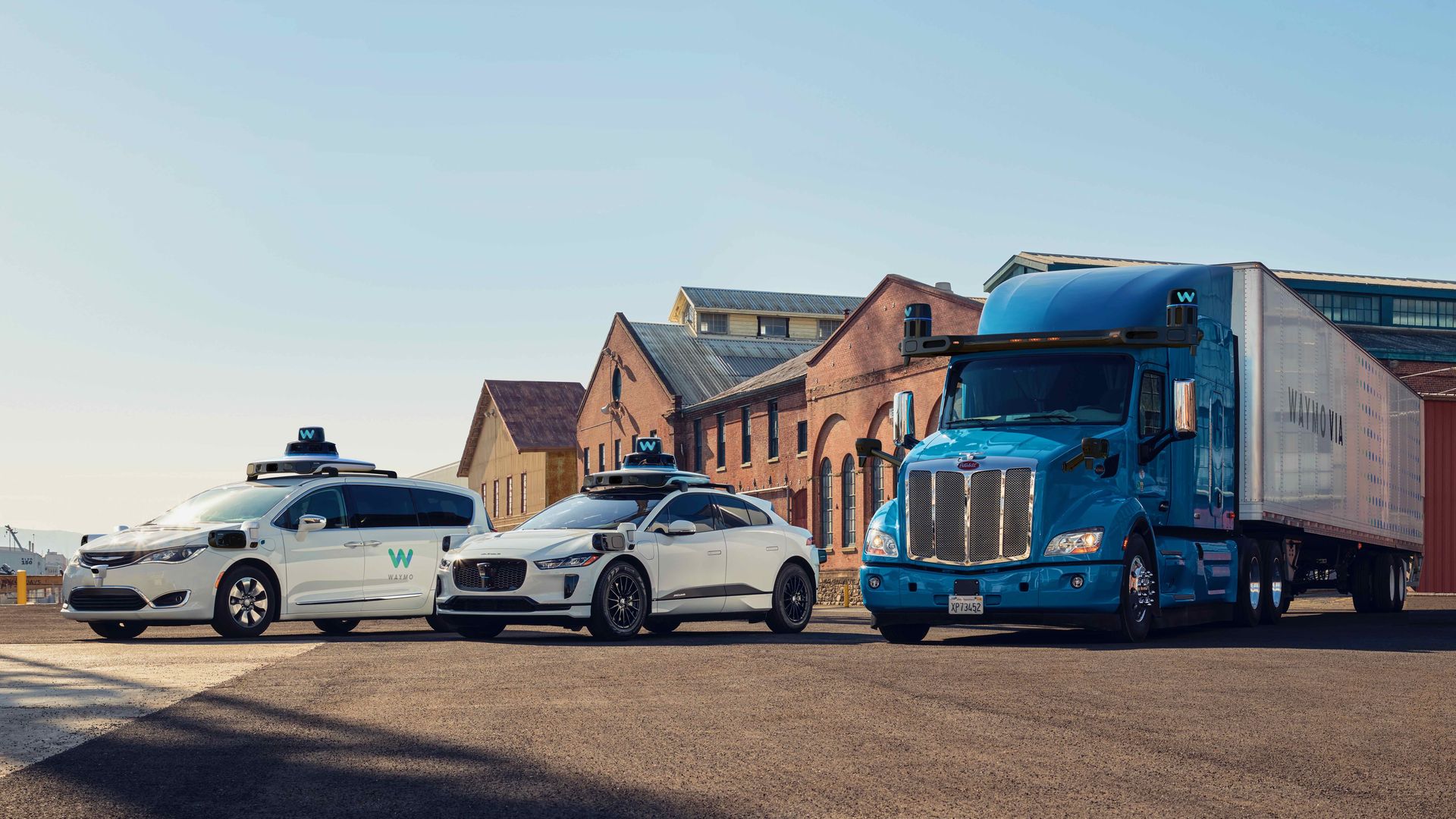
Waymo said it has raised $2.25 billion in new funding — adding its first non-Alphabet investors — and said it will likely bring in other first-round investors as its self-driving technology moves closer to commercialization.
Why it matters: It's a strong signal that these investors believe Waymo — the self-driving tech startup from Google parent Alphabet — is leading the race to bring automated vehicles to market. But it's also a reminder that the technology is incredibly expensive, and eventually, parent company Alphabet expects Waymo to stand on its own.