Commerce Department official Earl Comstock, who rankled others in the Trump administration on telecom policy issues including 5G, is resigning effective Friday, Reuters reports.
The big picture: Comstock was a controversial figure at the center of battles over how to free up airwaves for 5G as well as the administration's overall direction on the next-generation wireless networks. The friction has repeatedly spilled out in public and led to the resignation of Commerce's top telecom official last year.
AT&T is launching a new TV service and a series of offers it hopes will allow it to sell TV service even when people don't want to give up their current broadband provider.
Why it matters: The streaming field is crowded, but some of the most lucrative customers are those willing to pay for live TV. This is AT&T's latest effort to go at that market.
Activist investor Elliott Management has acquired nearly a 5% stake in Twitter, and believes the key to unlocking value is to replace Jack Dorsey as CEO. Bloomberg first reported the news, which Axios has since confirmed with multiple sources.
Why it matters: Elliott has become the top agitator in tech, and often gets what it wants. In this case, it's striking straight at the cult of the founder.
More than 15,000 people have signed a Change.org petition calling for the cancellation of the upcoming SXSW festival in Austin, Texas — though organizers insist the event will go on as scheduled this month.
Why it matters: The show is a huge gathering that brings in tons of tourism revenue to the city, but also brings together people from all over the world into lots of tightly packed spaces.
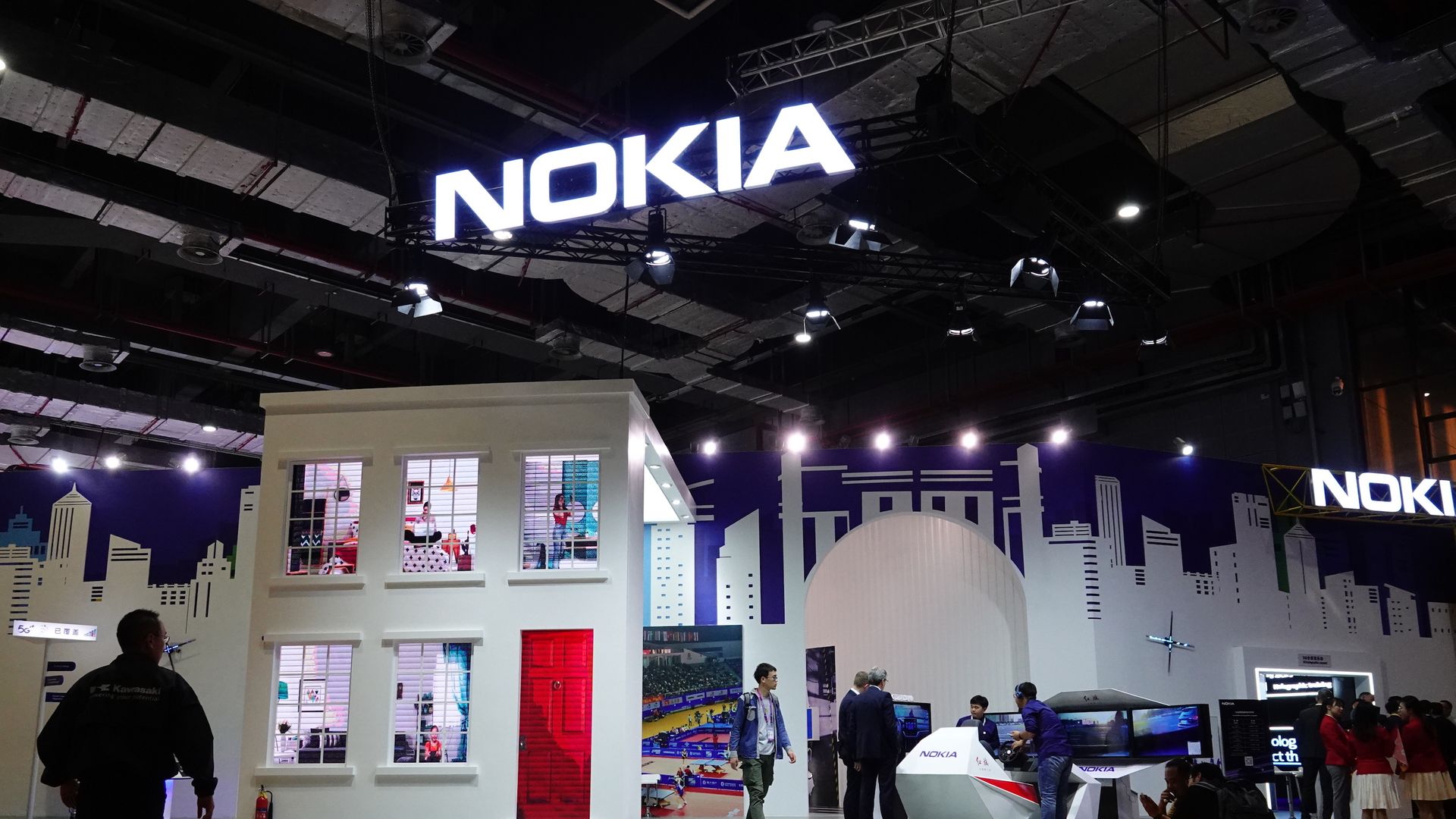
Nokia chief executive and president Rajeev Suri will step down on Sept. 1 and be replaced by Fortum CEO Pekka Lundmark, the company announced on Monday.
Why it matters: Nokia is one of only a few companies that make gear for 5G and other cellular networks, an area of increasing geopolitical focus — and growing competition among these companies. It has also reportedly hired advisers to consider strategic moves like a merger or asset sales.
As regulators review a decade of tech industry acquisitions for signs of monopolistic behavior, proposing remedies is going to be a tough challenge.
Why it matters: Tech companies like Google and Facebook grew giant in part by rolling up startups that are now fully integrated into their businesses. Despite heated antitrust rhetoric, it would be a tall order for regulators to reverse hundreds of deals or force divestitures of the essential business lines those transactions helped build.