While a growing number of white collar companies are asking employees to work from home, gig economy companies seem to be doing little to protect workers in the face of coronavirus — though pressure is mounting for them to do more.
Why it matters: While engineers and business managers at companies like Uber and Lyft can bring their laptops home and access corporate health resources, the independent contractors who ferry passengers, hot meals and groceries, cannot. This highlights painful differences between corporate "haves" and "have-nots."
K-12 schools weighing a shift to online learning in the shadow of the coronavirus are grappling with what to do about kids who don't have internet at home.
Why it matters: The "digital divide" between internet access haves and have-nots has long been an abstract public-policy debating point, but this public health crisis is bringing the issue home in a concrete way.
Arweave, a London-based blockchain startup focused on permanent data storage, raised $8.3 million in tokenized funding from Andreessen Horowitz, Coinbase Ventures and Union Square Ventures.
Why it matters: The company's technology is designed to create permanent record of web content — a boon to fighting government censorship, but a possible nightmare for "right to be forgotten" advocates.
Sequoia Capital issued a dire warning Thursday to portfolio company CEOs about the business impacts of the coronavirus, suggesting that they "question every assumption" about their businesses, including cash runway, headcount, sales forecasts, and the availability of future funding.
Why it matters: Sequoia, an early investor in Airbnb and Google, is no Chicken Little. The last time it did something similar was more than 11 years ago, at the peak of the financial crisis, via its famed "RIP Good Times" slide deck.
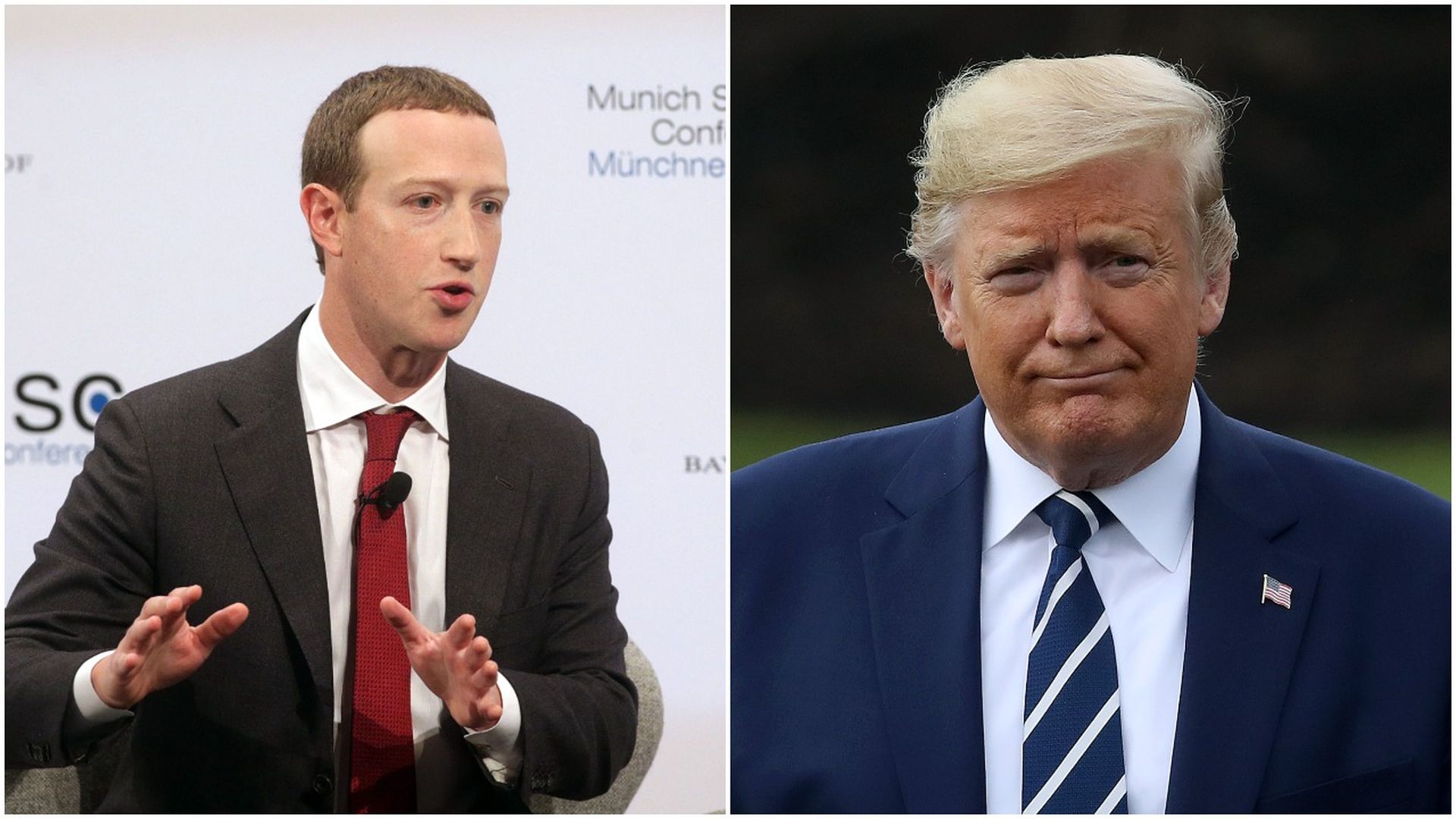
After initially indicating it would not take action against campaign ads from President Trump that encouraged people to "take the Official 2020 Congressional District Census today," Facebook said Thursday it would take the messages down.
Why it matters: Facebook has generally subjected political advertising to few rules, but had said it would take a tough stand against any posts designed to mislead people about the census.
Between the lines: Dorsey specifically blamed the ongoing coronavirus outbreak, though his decision also comes as Twitter struggles with tough content and business issues and as an activist investor, Elliott Management, is seeking his ouster.
Washington is amping up pressure on Big Tech to fight online child sexual exploitation, while critics and some companies fear the real aim is to force the industry to bend to the government's will on encryption.
The big picture: Separate measures from the Trump administration and a bipartisan group of Senate leaders Thursday offer the industry a broad set of general principles for fighting child sexual exploitation, while also threatening to withhold longstanding liability protection from companies that fail to meet government-approved standards.
Many of the coronavirus stories getting shared the most on social media are packaged to drive fear rather than build understanding about the illness, according to NewsWhip data provided to Axios.
Why it matters: Social media greases and amplifies dramatic headlines, while more functional or nuanced information gets squashed.
Microsoft, Google, Facebook and Twitter all told Axios on Thursday night that they plan to pay their hourly workers regular wages even as they encourage many of their staff to work from home, reducing their on-site support staffing needs.
Why it matters: While many tech employees can do their jobs remotely, large companies also have support staff that do everything from cooking their meals to driving shuttles and cleaning the office. Those workers can't do their jobs remotely, and it was not initially clear how the coronavirus response would affect them.