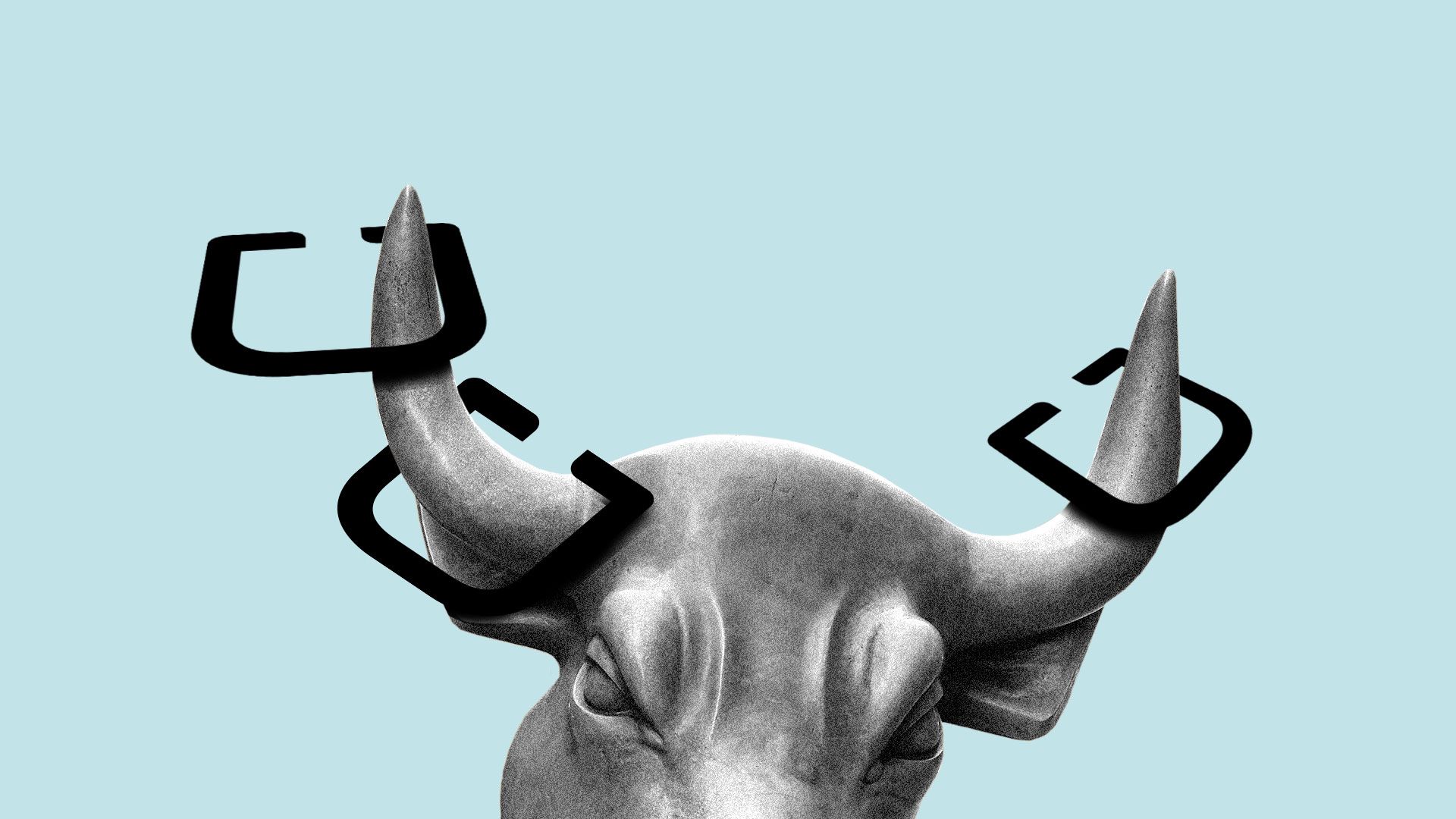
Shares of Uber ended the first day of trading at $41.57 — closing 7.6% below where shares opened. Meanwhile, shares of rival Lyft closed at the lowest level since it went public in late March.
The big picture: It's rare for a newly public company to open below where its shares are priced and perhaps unexpected for it to happen for one of the biggest IPOs in U.S. history and arguably the most anticipated IPO of the year.
Shares of Uber opened trading Friday at $42 per share, below its $45 IPO price.
The bottom line: Investors who plugged over $8 billion into the IPO are instantly underwater, something almost unheard of for such a large, well-publicized offering. Factors weighing on the stock include U.S.-China trade tensions and huge losses.
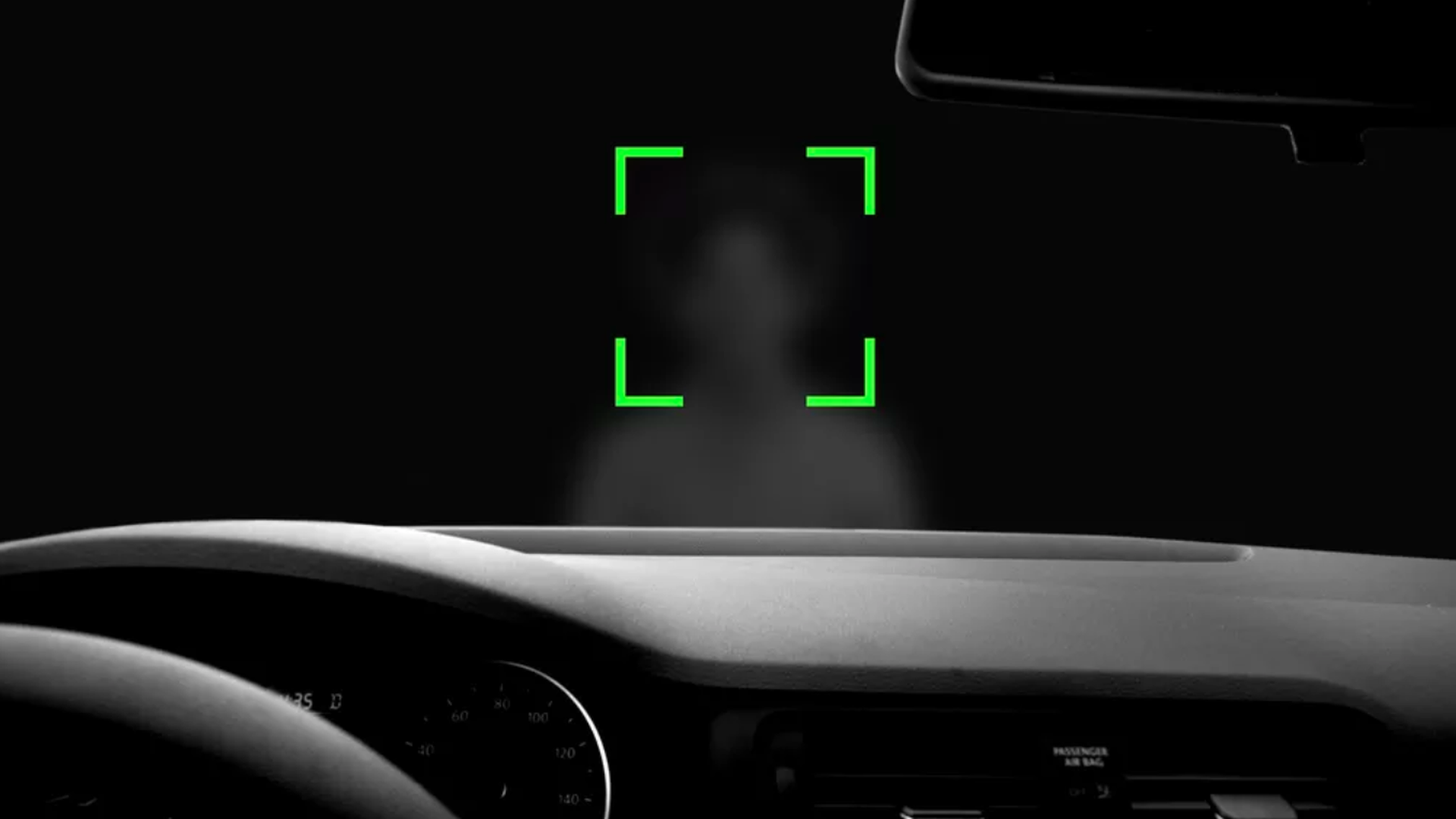
Cars will soon be able to recognize you by your eyes, skin, gait and even your heartbeat, enabling a host of personalized experiences but raising troubling privacy questions, too.
Why it matters: New biometric technologies being developed by automakers will authenticate your identity and help keep you safe by also monitoring your health and wellbeing. But unless carefully guarded, that personal data can also be easily exploited by cybercriminals.
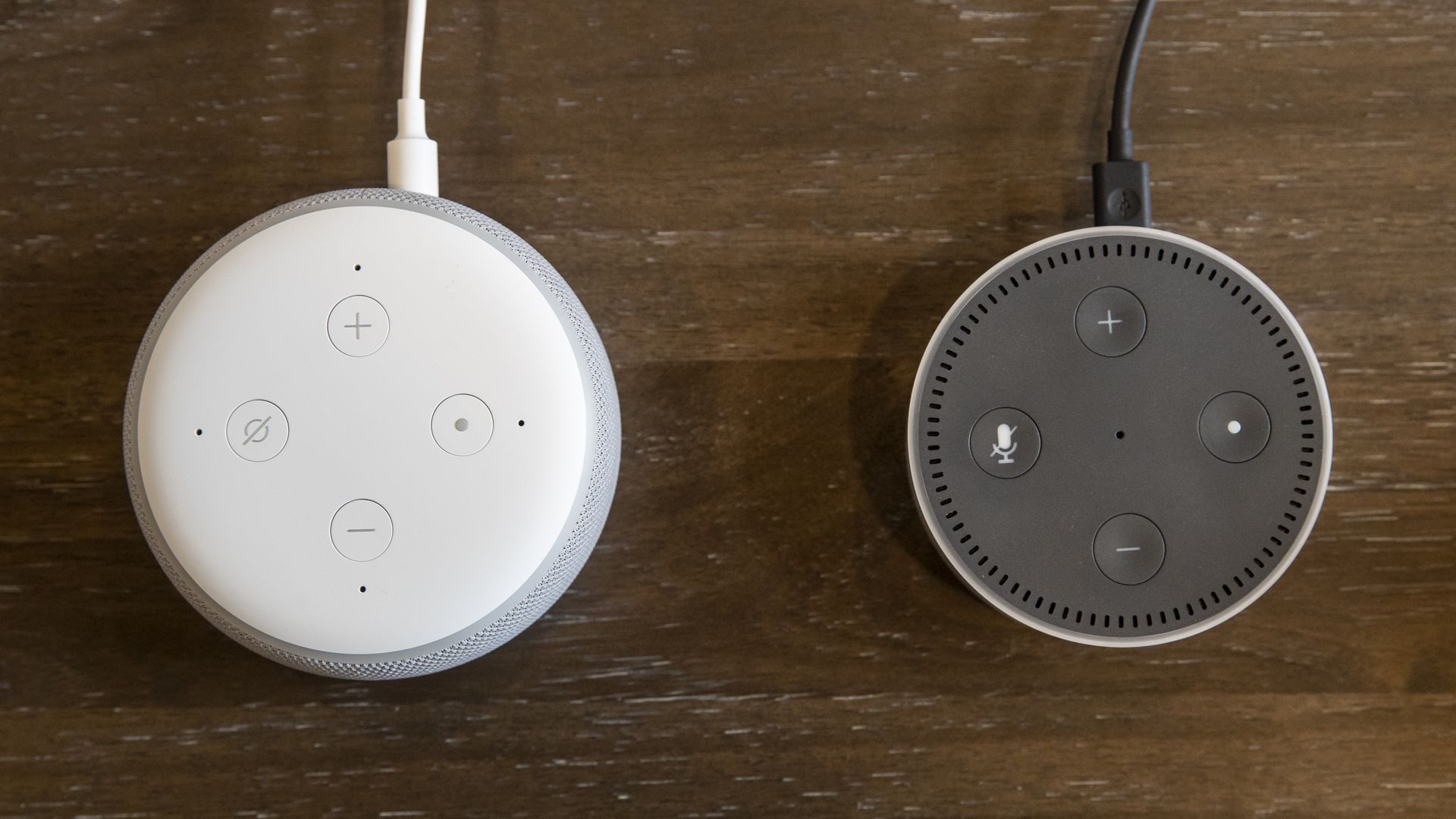
A coalition of groups filed an FTC complaint on Thursday, saying the kids' version of the Echo Dot violates child privacy law in several ways, including by retaining information even after a consumer has tried to delete it.
The other side: Amazon says that was a bug that has now been fixed, and published a blog post defending its overall policies when it comes to kids and Alexa.
Battles over corporate power that played out over the course of the 20th century may provide the best clues to how companies like Google, Facebook and Amazon might ultimately be reined in.
What's happening: Major tech executives have urged regulators to adopt approaches from the past to regulate their businesses, including self-regulation, that have previously helped industries avoid the toughest penalties. Meanwhile, lawmakers are turning to history for lessons in how to cut Big Tech down to size.
After decades of neglect, U.S. infrastructure is cracking, sagging and exploding — and pressure on old systems is growing as cities swell and the climate changes.
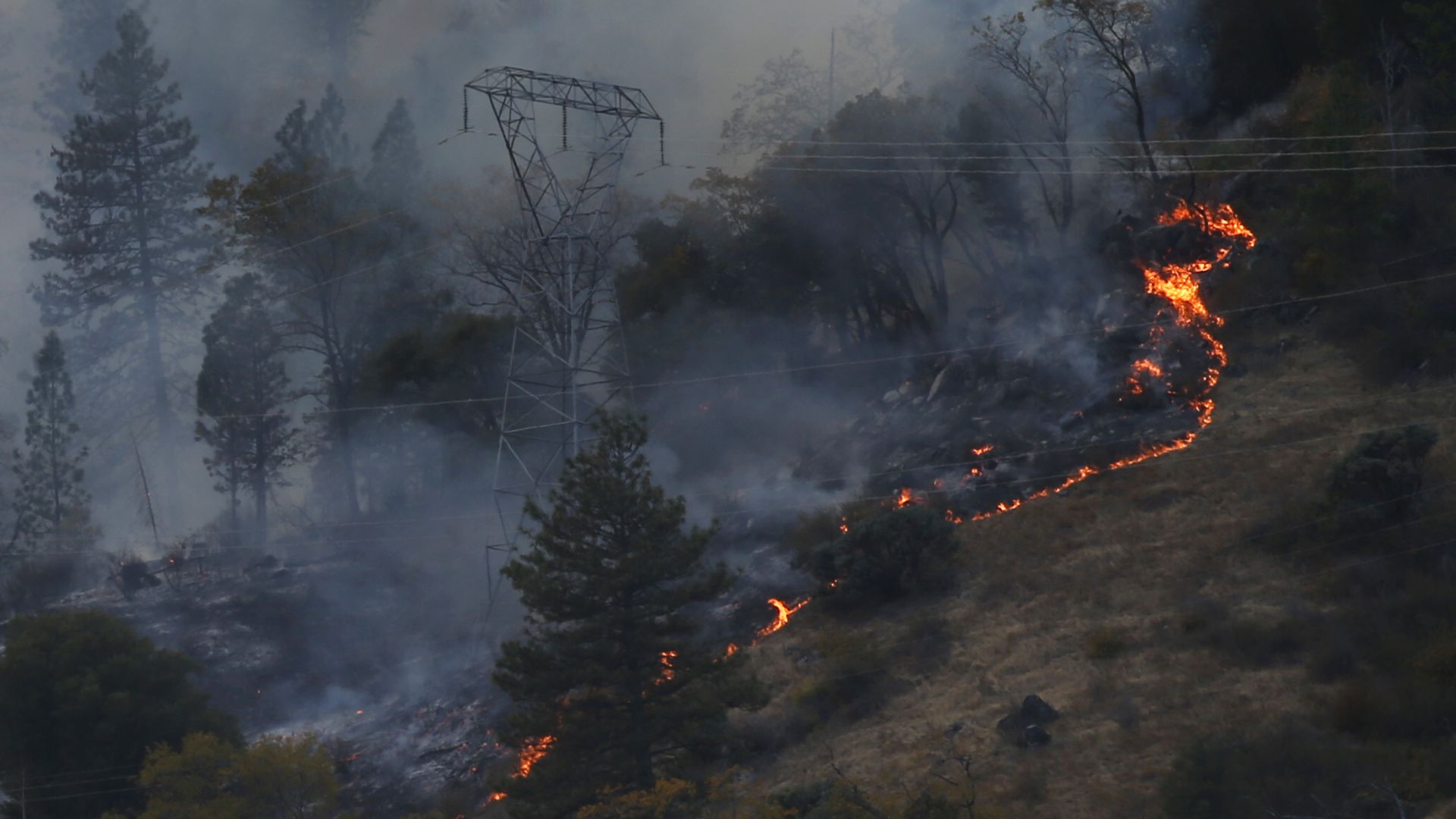
What's happening: Utility companies, fearful of setting off more disasters like California's deadly wildfires, are hungrily buying up AI systems that can tell them which equipment is the next to rupture or go up in flames.
On the eve of its IPO, Uber revealed in a new regulatory filing that it has settled with thousands drivers over their claims of being misclassified as independent workers, and expects to spend $146 million to $170 million on the agreements.
The big picture: At the same time, it also disclosed a new, similar legal challenge filed by drivers in Australia.
Uber on Thursday priced its initial public offering at $45 per share. That's near the bottom of its anticipated $44-$50 range and below where it last sold shares in the private markets.
By the numbers: The company itself raised $8.6 billion, inclusive of a concurrent $500 million investment from PayPal. Insiders are expected to sell another 27 million shares in the offering, generating another $1.2 billion. This puts its initial market cap at around $75.5 billion, and its fully diluted value just north of $82 billion.
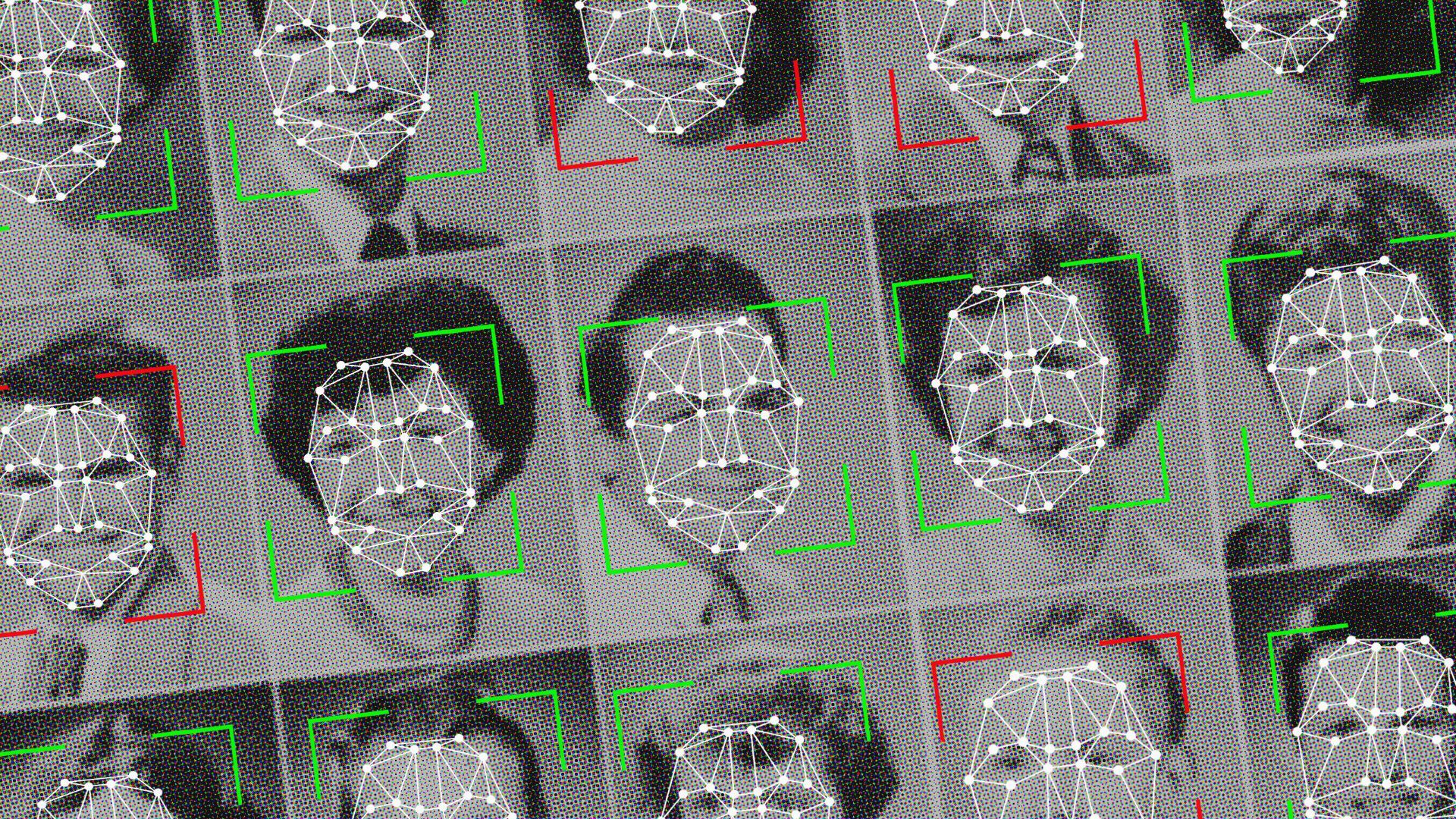
Facial recognition technology is one of the tech industry's most lucrative new sectors — underpinning everything from social networks to intelligence services — even as it raises questions about its impact on privacy and human rights.
Driving the news: That disconnectis illustrated in a fascinating scoop by NBC News' Olivia Solon and Cyrus Farivar, who share how photo storage app Ever actually supports the company's AI arm "to train the company’s facial recognition system ... to sell that technology to private companies, law enforcement and the military."
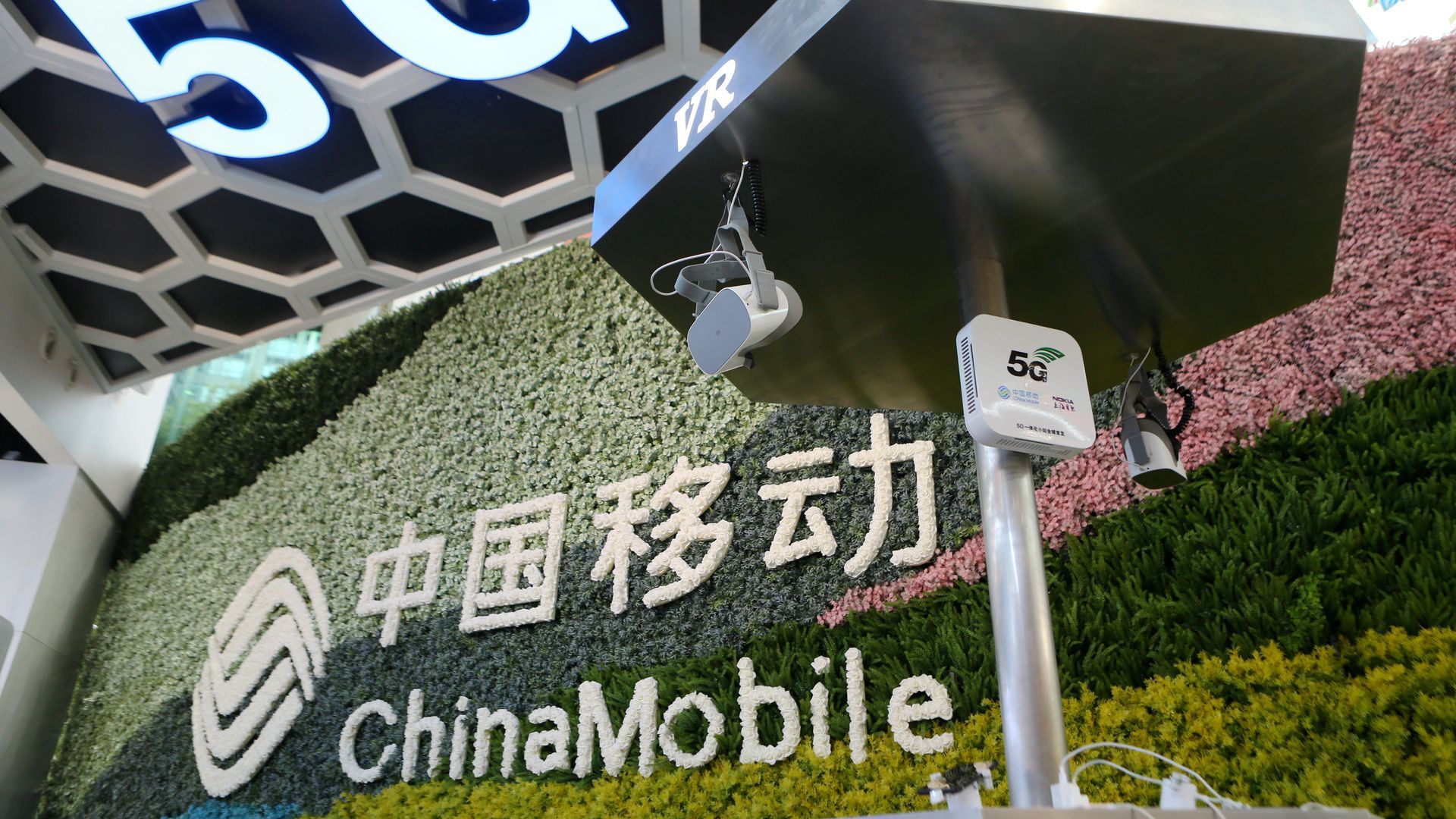
The FCC has voted unanimously to deny China Mobile's application to provide telecommunications services in the U.S. due to concerns about national security and law enforcement risks.
Why it matters: The move represents a significant escalation in the slow-building conflict between the U.S. and China over telecommunications trade, and comes at a crucial time in U.S.-China trade negotiations. On Friday, the U.S. will raise tariffs on $200 billion of Chinese imports from 10% to 25%. The Chinese government has signaled that it will retaliate.
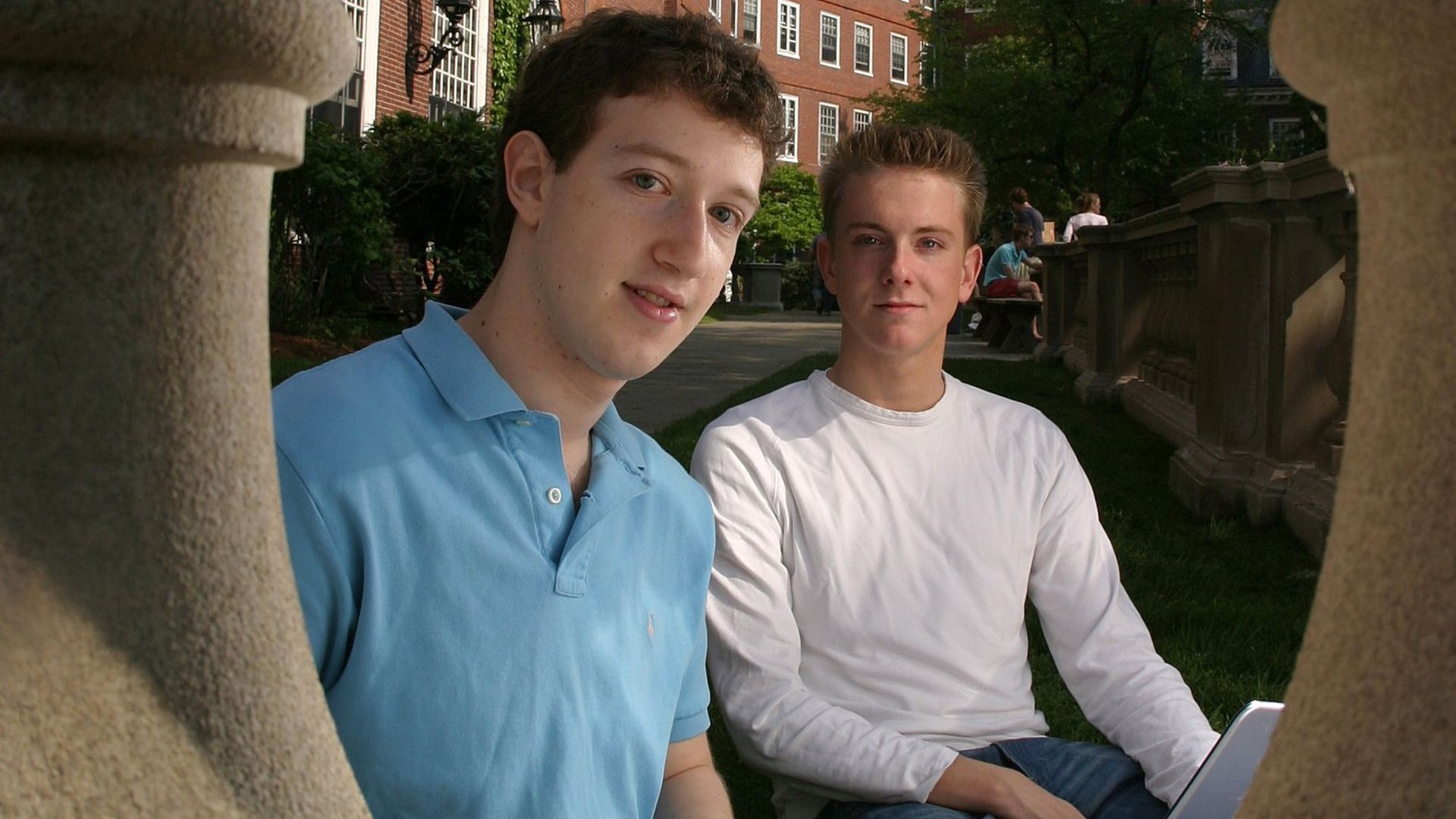
Facebook cofounder Chris Hughes called for the tech giant's breakup in a N.Y. Times op-ed on Thursday, saying that CEO Mark Zuckerberg is "human. But it’s his very humanity that makes his unchecked power so problematic."
Our thought bubble,via Axios' Kia Kokalitcheva: Hughes isn’t the first Facebook co-founder to express guilt and concern over the company’s influence years after making riches from it — fortunes he barely acknowledges at the end of his op-ed. But his criticism is uniquely directed at Zuckerberg and his concentrated power.
Apple, Facebook, and Google are all firmly on the record now: they agree that privacy is a good thing, that government should protect it, and that you can trust them to respect it.
The catch: Each company defines privacy differently and emphasizes different trade-offs in delivering it.






/2019/05/09/1557439149762.gif?w=3840)