Amazon is re-training employees after many of them suspended product ads that contained religious language, citing a "new policy update" that Amazon says does not exist, CNBC reports.
What's happening: One seller reported being told in February that Amazon was “working to stop all advertising of religious items.” Amazon told CNBC that its policies surrounding religious content have not changed, despite multiple Amazon employees informing sellers otherwise in recent months.
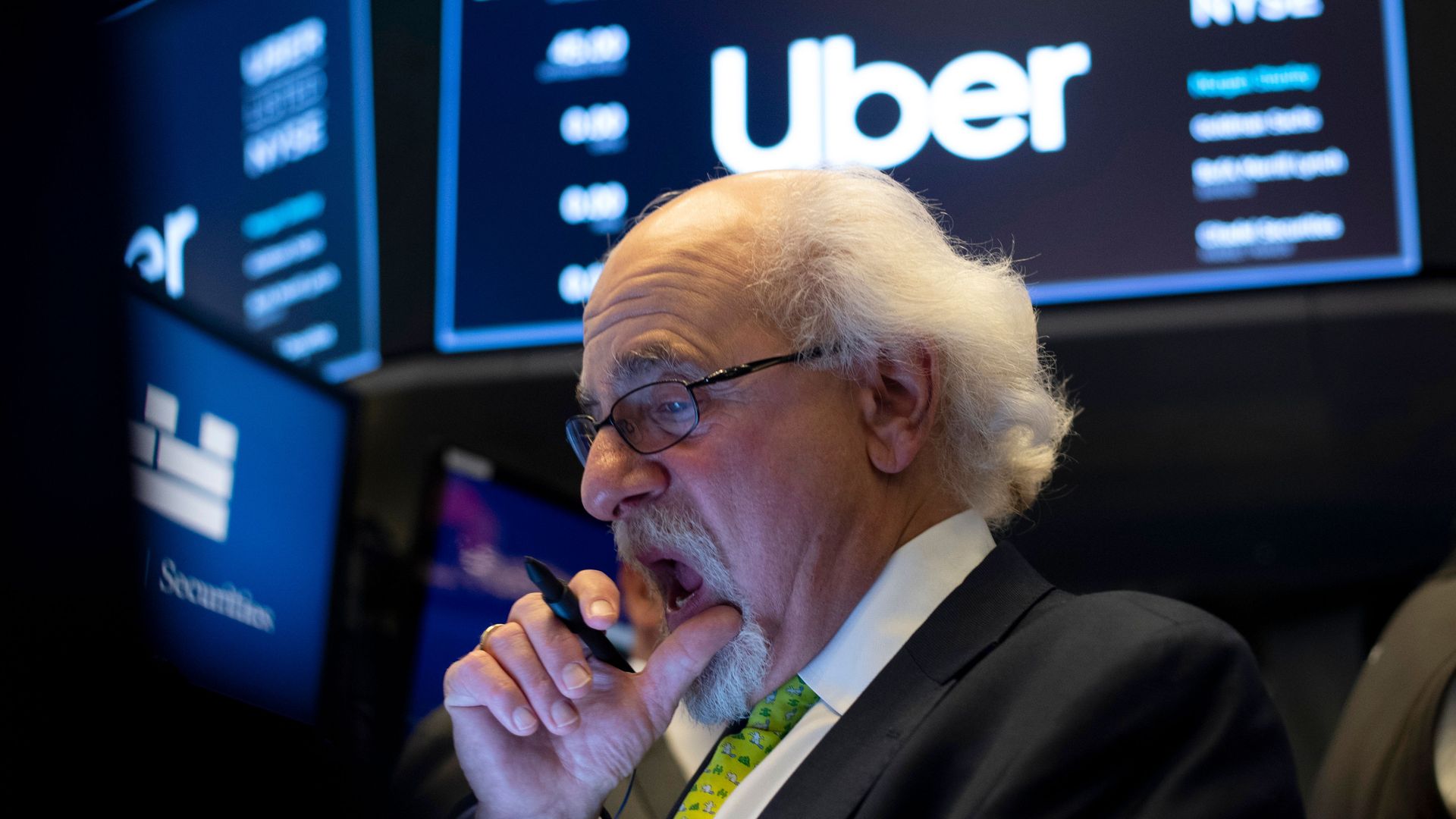
Uber's IPO stalled out yesterday, stunning both Silicon Valley and Wall Street.
Details: The ride-hail giant priced shares near the bottom of their range on Thursday night. They opened even lower on Friday morning before falling again by market close. In all, Uber lost nearly $6 billion in market cap in its first five hours as a public company.
Thirty years after his death, Salvador Dalí wants to take a photo with you.
What’s happening: In a Florida museum dedicated to the surrealist’s life, a new installation reanimates him in an interactive AI-altered video, or deepfake, The Verge’s Dami Lee reports.
Shares of Uber ended the first day of trading at $41.57 — closing 7.6% below where shares opened. Meanwhile, shares of rival Lyft closed at the lowest level since it went public in late March.
The big picture: It's rare for a newly public company to open below where its shares are priced and perhaps unexpected for it to happen for one of the biggest IPOs in U.S. history and arguably the most anticipated IPO of the year.
Shares of Uber opened trading Friday at $42 per share, below its $45 IPO price.
The bottom line: Investors who plugged over $8 billion into the IPO are instantly underwater, something almost unheard of for such a large, well-publicized offering. Factors weighing on the stock include U.S.-China trade tensions and huge losses.
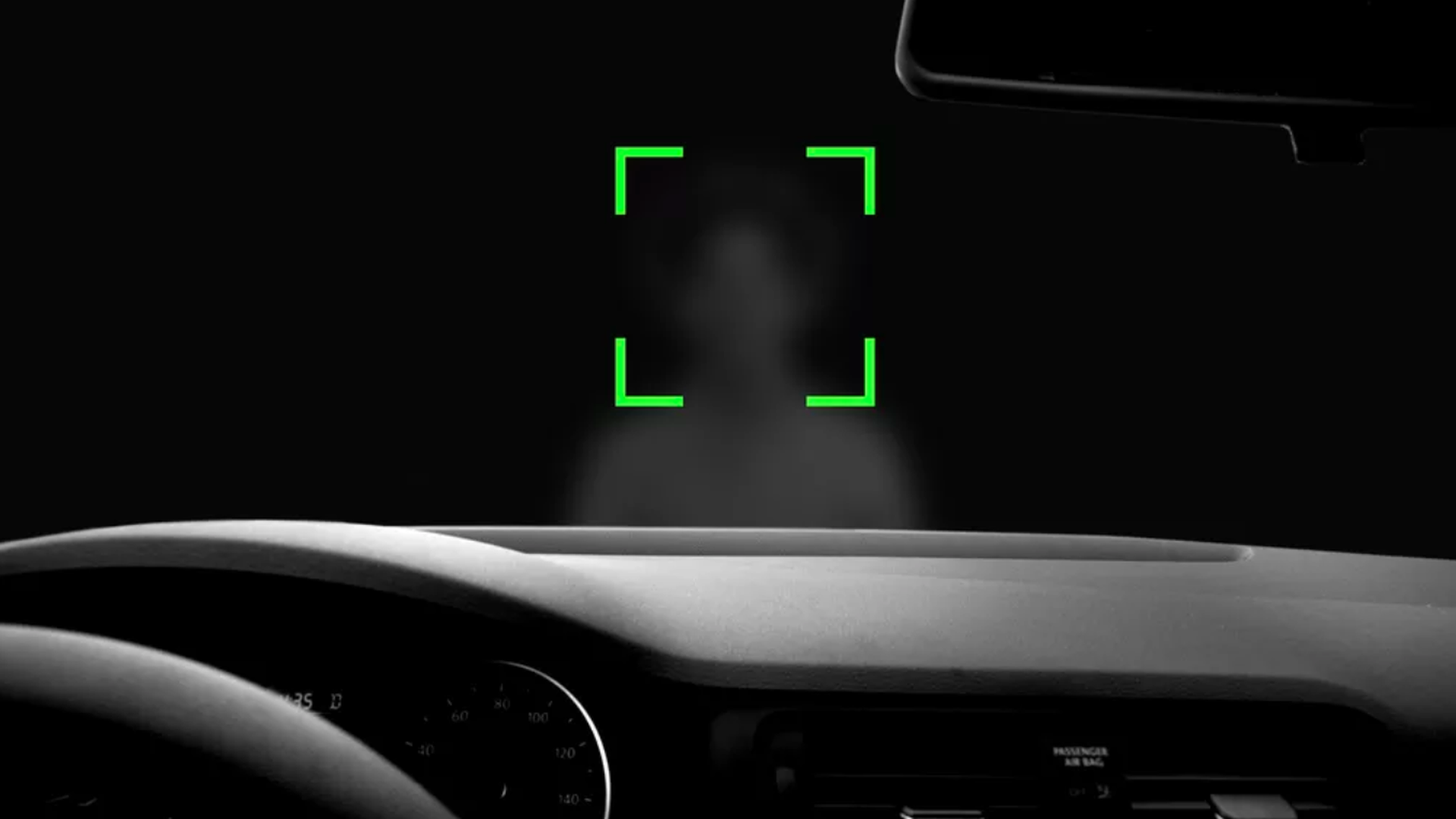
Cars will soon be able to recognize you by your eyes, skin, gait and even your heartbeat, enabling a host of personalized experiences but raising troubling privacy questions, too.
Why it matters: New biometric technologies being developed by automakers will authenticate your identity and help keep you safe by also monitoring your health and wellbeing. But unless carefully guarded, that personal data can also be easily exploited by cybercriminals.
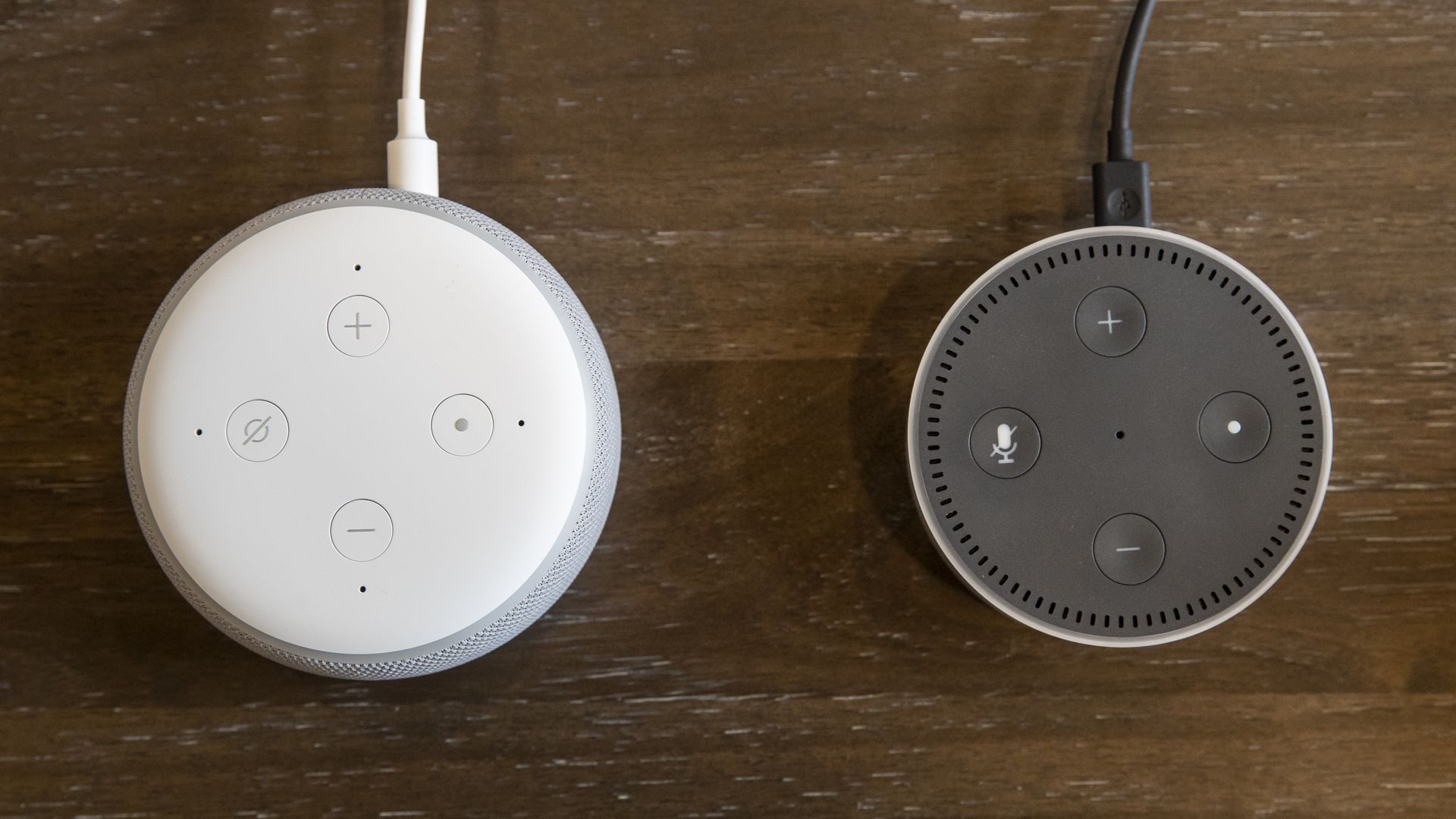
A coalition of groups filed an FTC complaint on Thursday, saying the kids' version of the Echo Dot violates child privacy law in several ways, including by retaining information even after a consumer has tried to delete it.
The other side: Amazon says that was a bug that has now been fixed, and published a blog post defending its overall policies when it comes to kids and Alexa.
Battles over corporate power that played out over the course of the 20th century may provide the best clues to how companies like Google, Facebook and Amazon might ultimately be reined in.
What's happening: Major tech executives have urged regulators to adopt approaches from the past to regulate their businesses, including self-regulation, that have previously helped industries avoid the toughest penalties. Meanwhile, lawmakers are turning to history for lessons in how to cut Big Tech down to size.
After decades of neglect, U.S. infrastructure is cracking, sagging and exploding — and pressure on old systems is growing as cities swell and the climate changes.
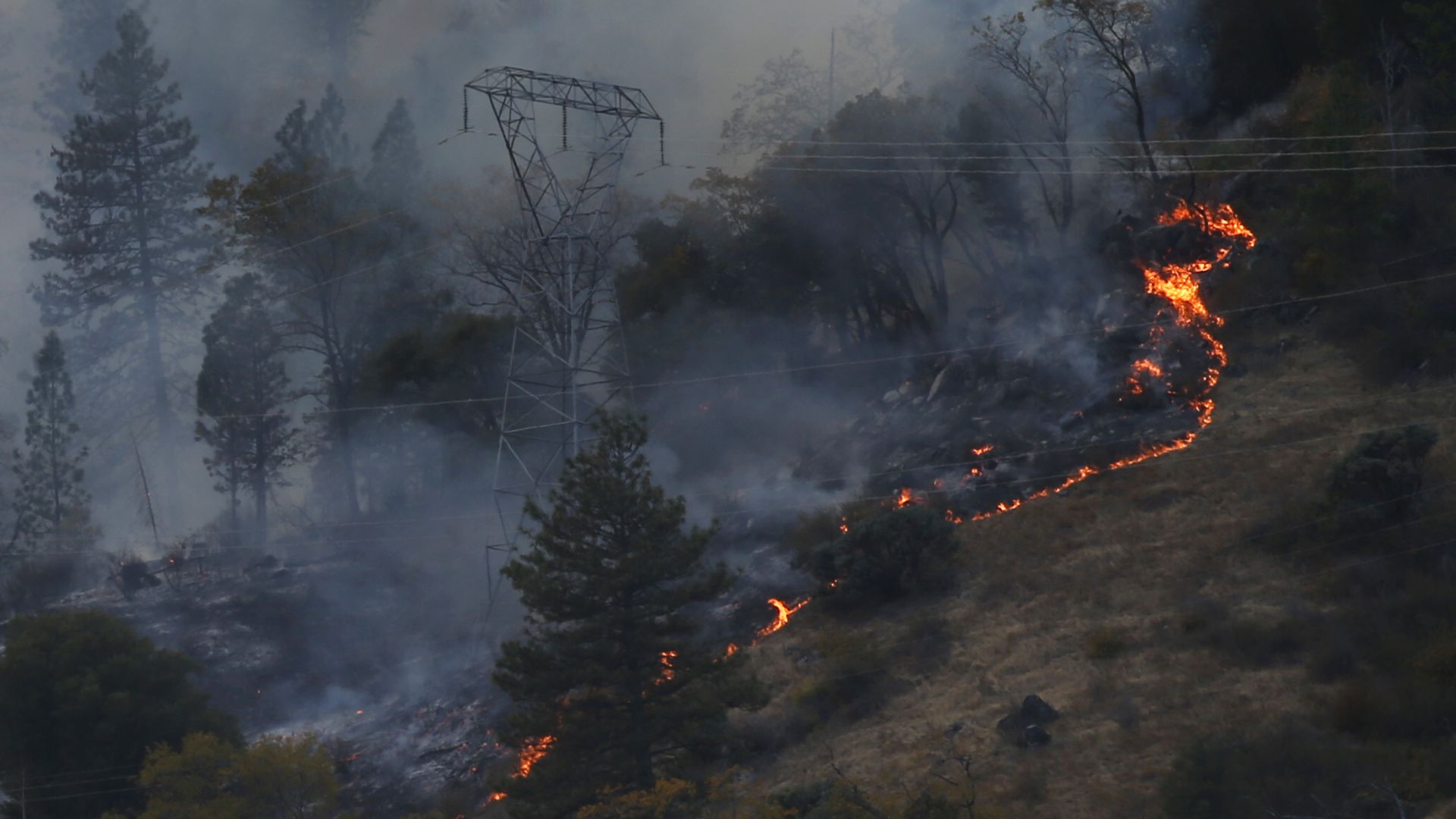
What's happening: Utility companies, fearful of setting off more disasters like California's deadly wildfires, are hungrily buying up AI systems that can tell them which equipment is the next to rupture or go up in flames.









/2019/05/09/1557439149762.gif?w=3840)