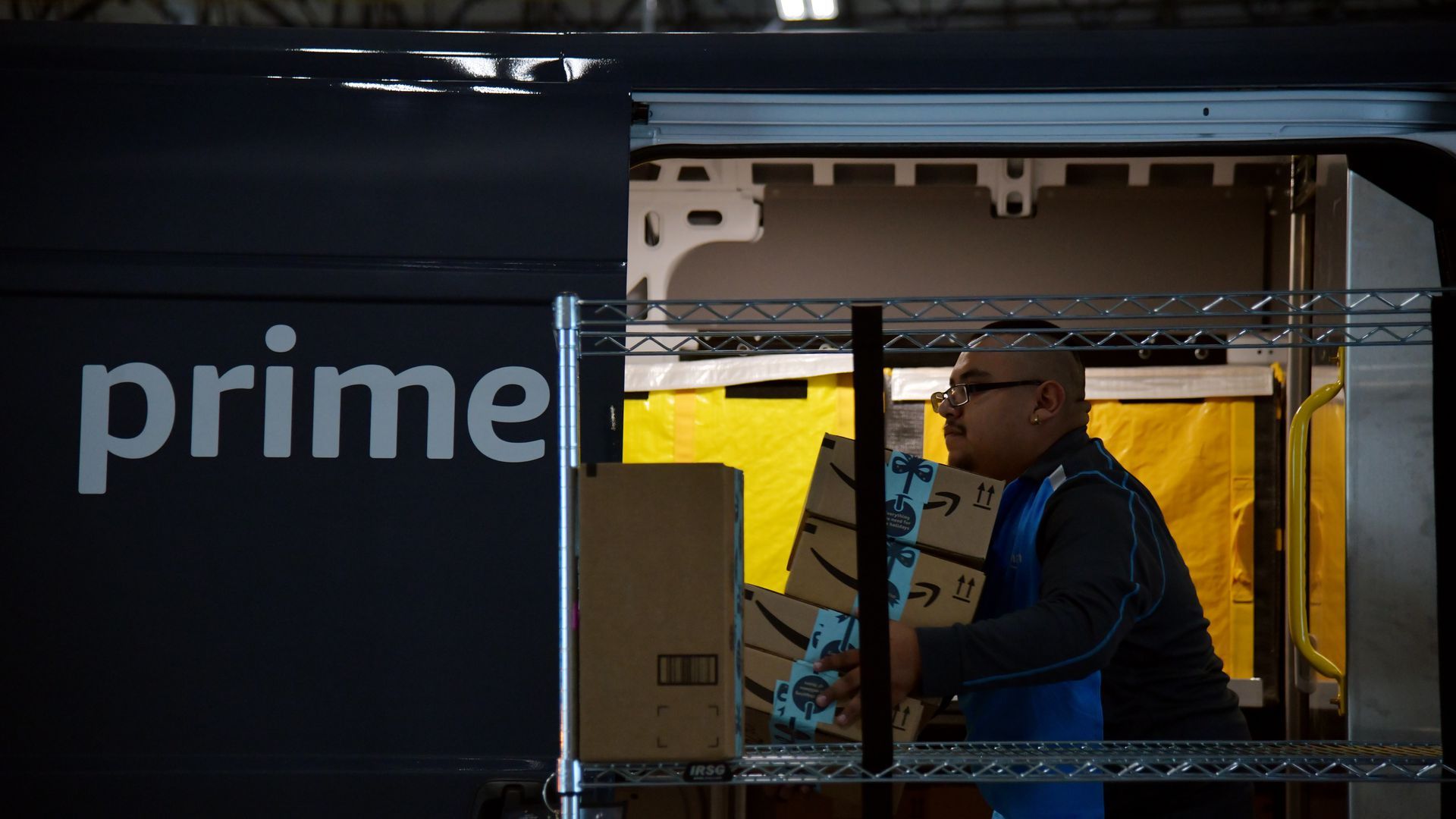
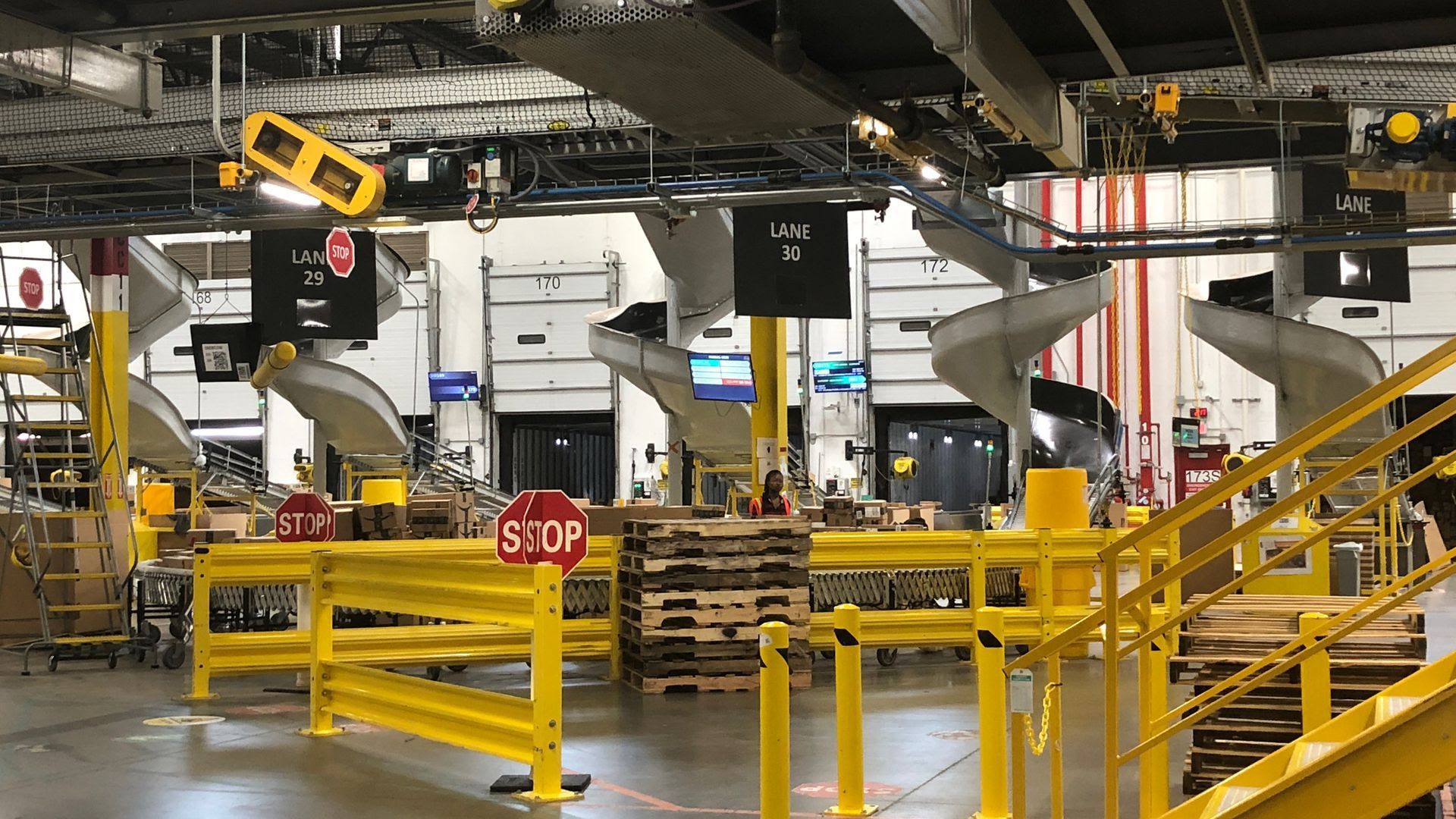
In its race to get to one-day shipping, Amazon is offering to pay its own employees 3 month's salary and up to $10,000 in startup costs to quit their jobs and launch startups delivering for ... Amazon.
Driving the news: "[M]ore than 200 Amazon delivery businesseshave been created since it launched the program last June, says Amazon's vice president of global delivery services John Felton," according to the AP. Amazon hopes to start hundreds more this year. The program is open to anyone, but the incentives are just for Amazon staff.
Slack today will hold its "investor day," ahead of a direct public listing that's expected for early June. It may become the venture capital industry's most consequential deal since the financial crisis.
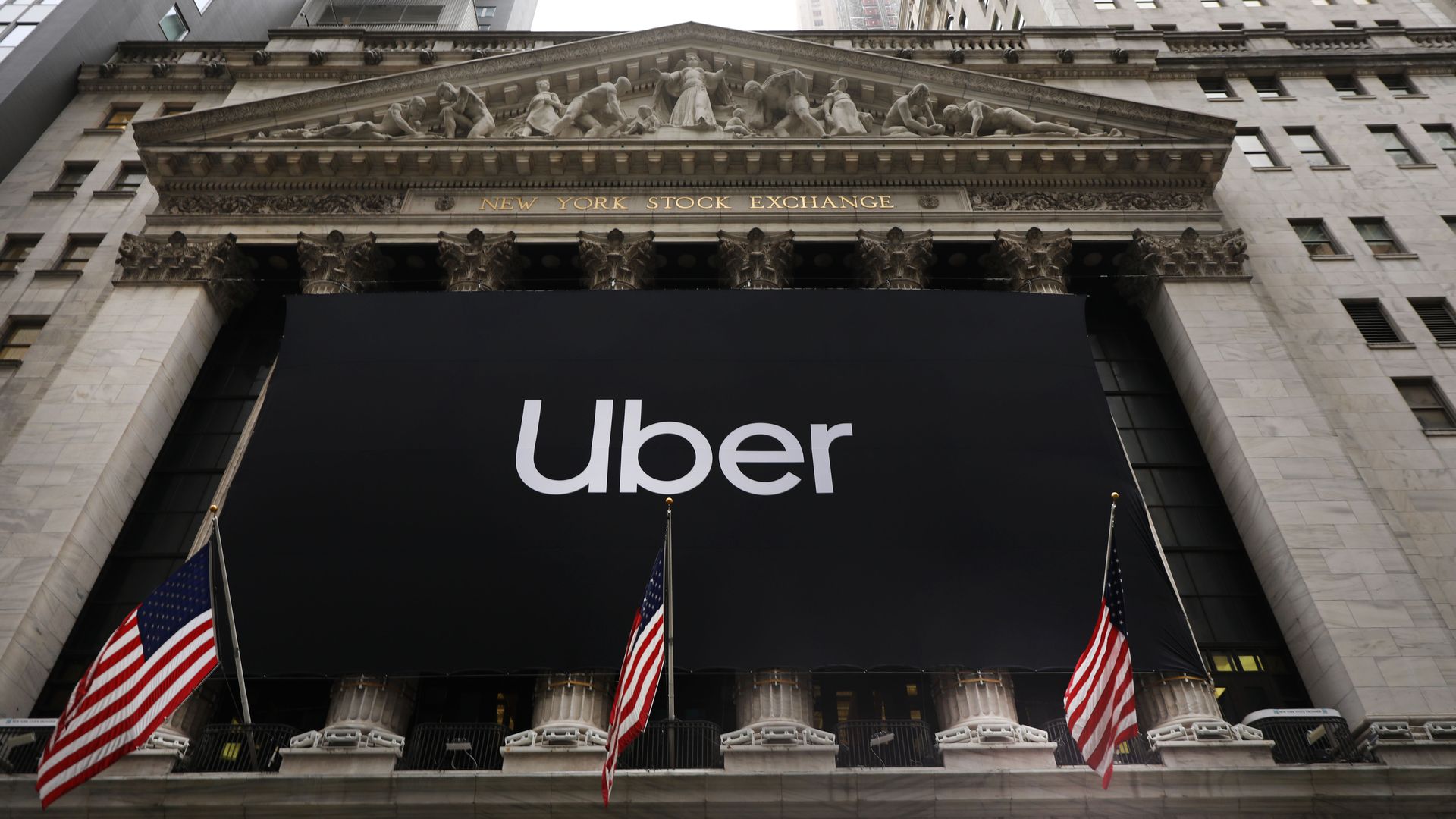
The state of play: Uber's IPO on Friday was a dud, and shares opened even lower Monday as the stock at times plunged more than 10% to below $38 per share. Some of the blame here falls on Uber and lead banker Morgan Stanley. Some of it was outside of the company's control. For most of Uber's early investors, this was still the single best deal of their careers. But much of the later-stage money is currently underwater.
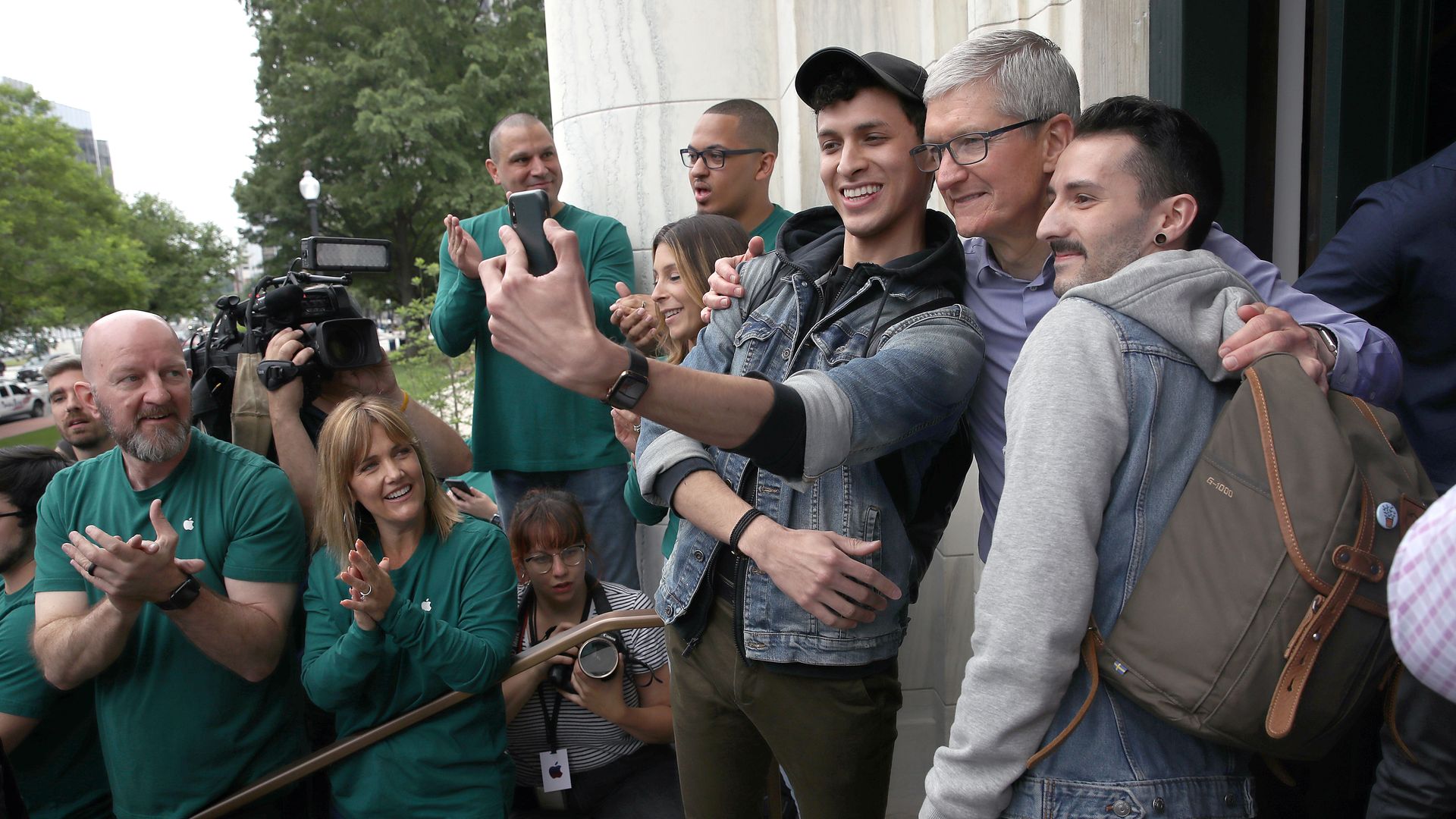
The Supreme Court ruled Monday that a group of iPhone users can move forward with their suit against Apple over allegations the company has built an illegal monopoly on the sale of applications for the smartphone.
Why it matters: The ruling opens up the possibility of exposure for digital marketplaces to monopoly concerns brought by the people who buy products on them.
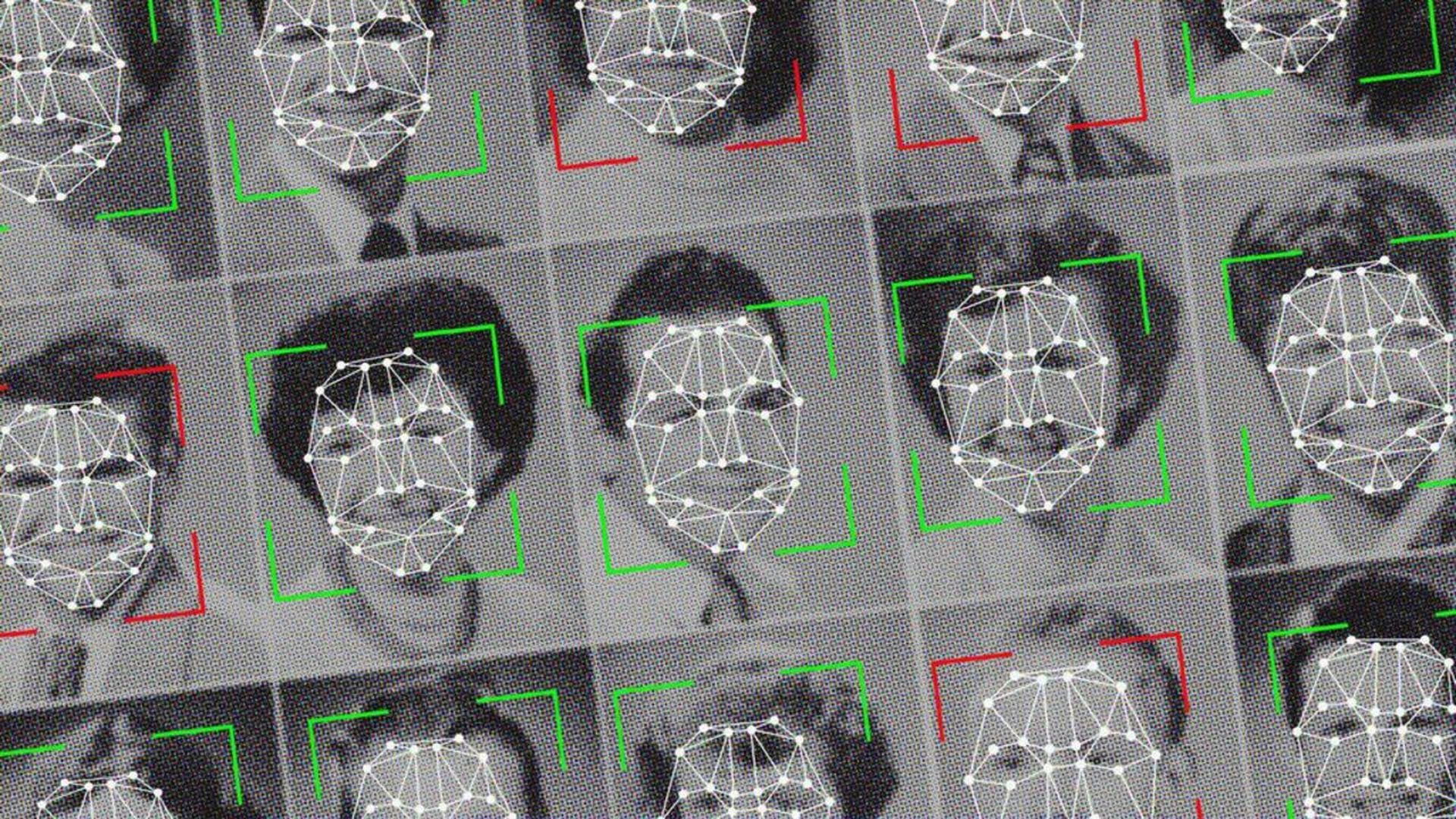
San Francisco supervisors are set to vote Tuesday on a first-of-its-kind effort to ban city agencies, including police, from using facial recognition on its residents, per the Associated Press.
Why it matters: Other cities and states are looking at how to regulate use of technology. Some tech companies, including Microsoft, say it's time for Congress to set rules on how the powerful technology can lawfully be used, including by governments. Facial recognition technology can have powerful uses in preventing and prosecuting crime, but critics worry that it can also lead to Big Brother oversight and targeting of minorities.
Uber's IPO this week came with predictable headlines about the rich getting richer — after all, when a company goes public at a valuation of more than $80 billion, that's what usually happens. This particular offering, however, created a whole lot of losers.
By the numbers: From 2016 onwards, per PitchBook, Uber raised $15.35 billion at $48.77 per share; it then raised another $8.6 billion in its IPO on Thursday at the slightly lower price of $45 per share. Those numbers dwarf the $5.6 billion that Uber raised before 2016. As of the close of trade on Friday, the market has now spoken: Uber shares are actually worth $41.57.
While Amazon provides UPS, FedEx and USPS with huge business, it is silently collecting mountains of data on the logistics industry through the movement of its own packages.
Why it matters: Amazon already has its own fleet of trucks and planes for some deliveries. With its data stash, it could soon get smart enough to eat the big shippers' lunch.