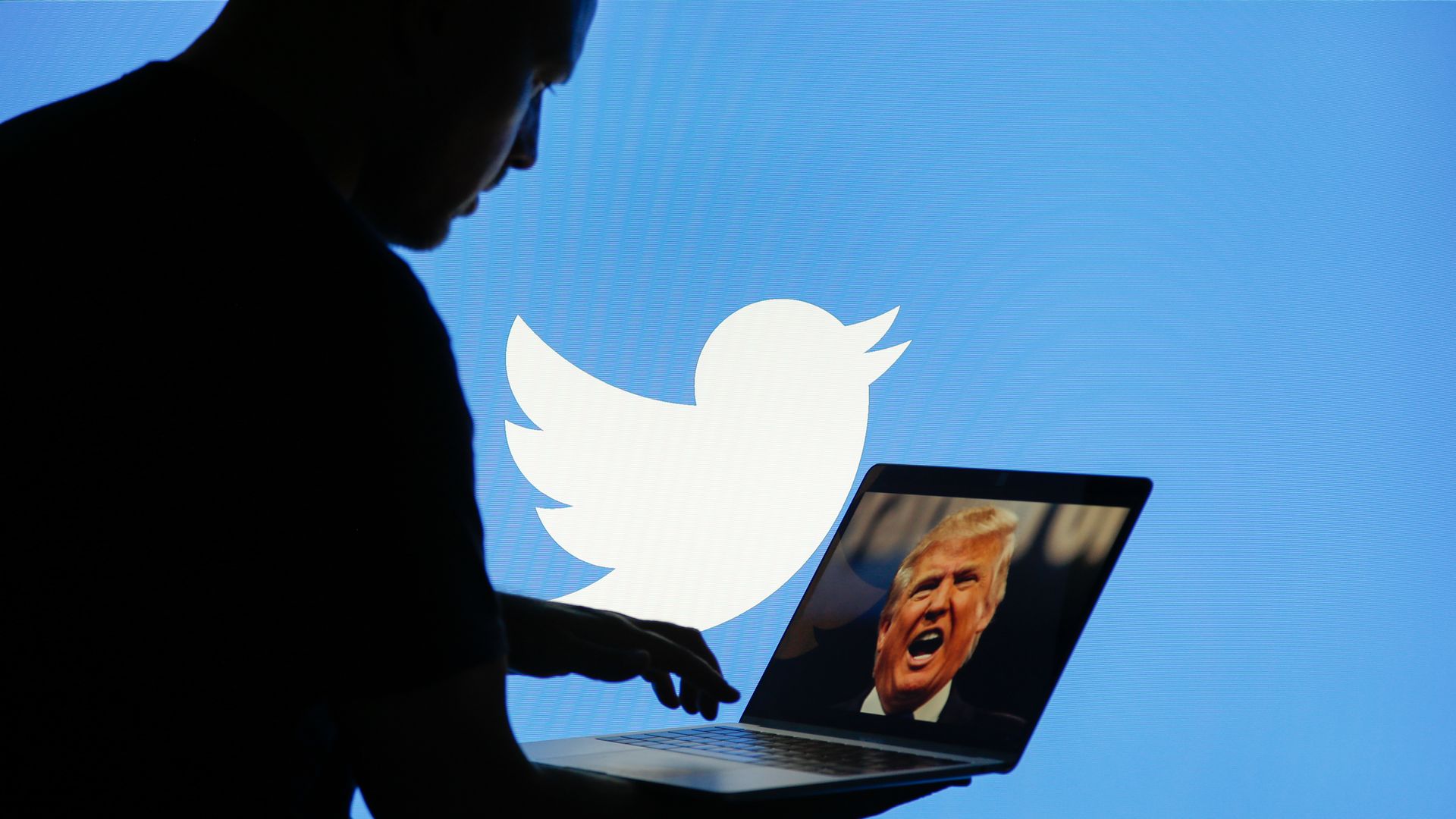
The White House launched a tool on Wednesday that will allow any U.S. citizen to submit a complaint if they think they were unfairly censored on social media platforms.
Why it matters: Social media bias has become a major talking point for President Trump and conservatives who argue that Silicon Valley companies are biased against their viewpoints.
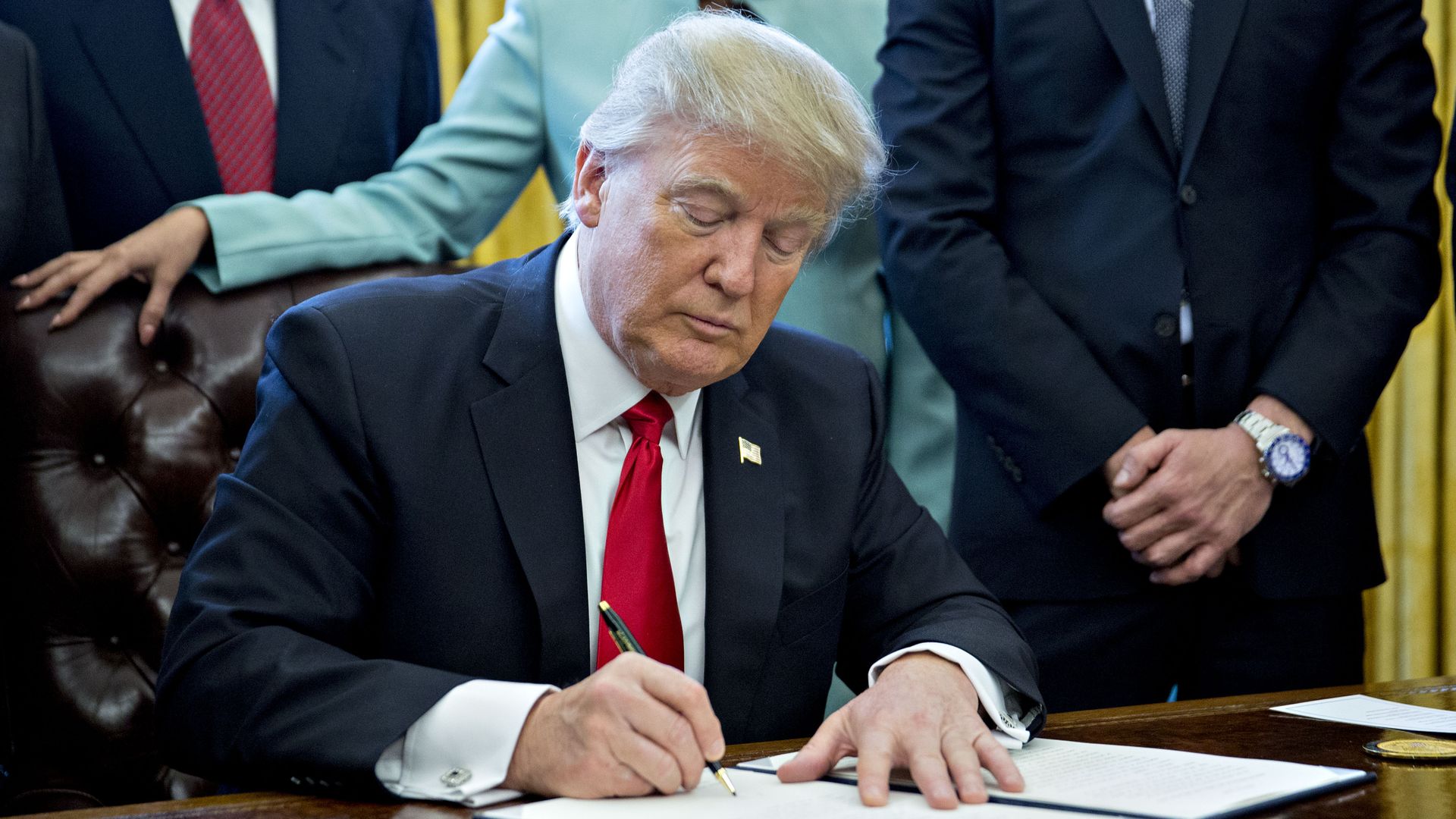
President Trump has issued an executive order declaring a national emergency and prohibiting U.S. companies from using telecom services that are solely owned, controlled, or directed by a foreign adversary, clearing the way for a ban on the Chinese-owned Huawei.
"This Executive Order declares a national emergency with respect to the threats against information and communications technology and services in the United States and delegates authority to the Secretary of Commerce to prohibit transactions posing an unacceptable risk to the national security of the United States or the security and safety of United States persons."
— Press Secretary Sarah Sanders
Why it matters: The U.S. and other governments have accused China of sabotaging Huawei equipment to use for espionage and of profiting from stolen intellectual property. As Axios has previously reported, Huawei is poised to claim close to half of the 5G market, nudging the technological center of gravity away from western telecom vendors and sounding alarms about China's ability to spy on Americans.
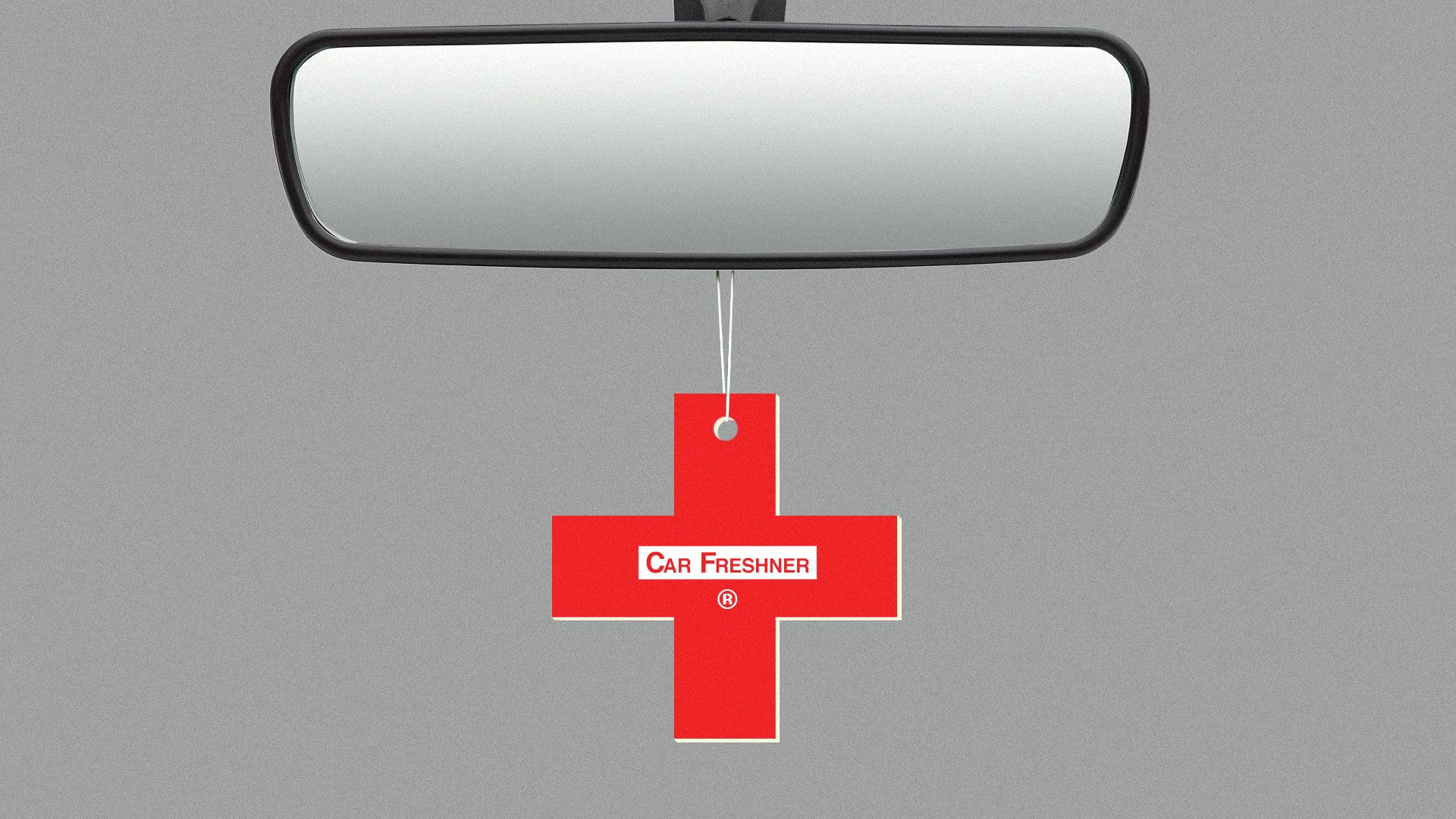
High-tech cars of the future may be subject to attacks, viruses, and even minor programming bugs — which is why they need to be able to fix themselves.
Why it matters: We're not driving cars anymore — we're driving computers.
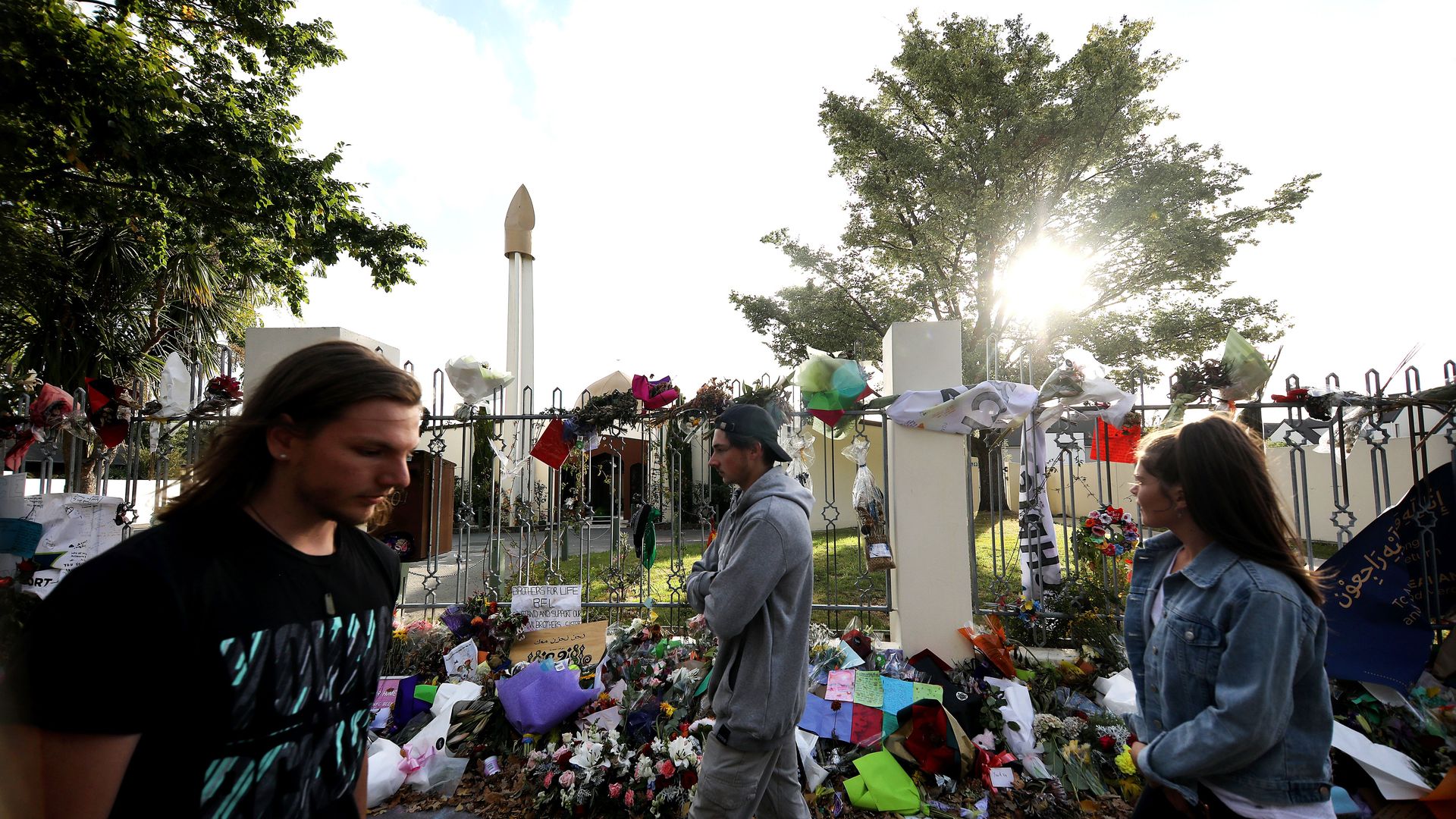
The U.S. will not sign onto the "Christchurch call to action" against online extremism expected to be released Wednesday, citing concerns that the pact would violate free speech protections in the First Amendment, the Washington Post reports.
The big picture: The document, negotiated by New Zealand and French officials as a commitment to study and stop the spread of online extremism that motivated the Christchurch mosque shootings earlier this year, is expected to be signed by Australia, Canada and the U.K., among others. It also has the support of major U.S. tech companies, including Facebook and Google, whose platforms were used to livestream and host videos of the attack.
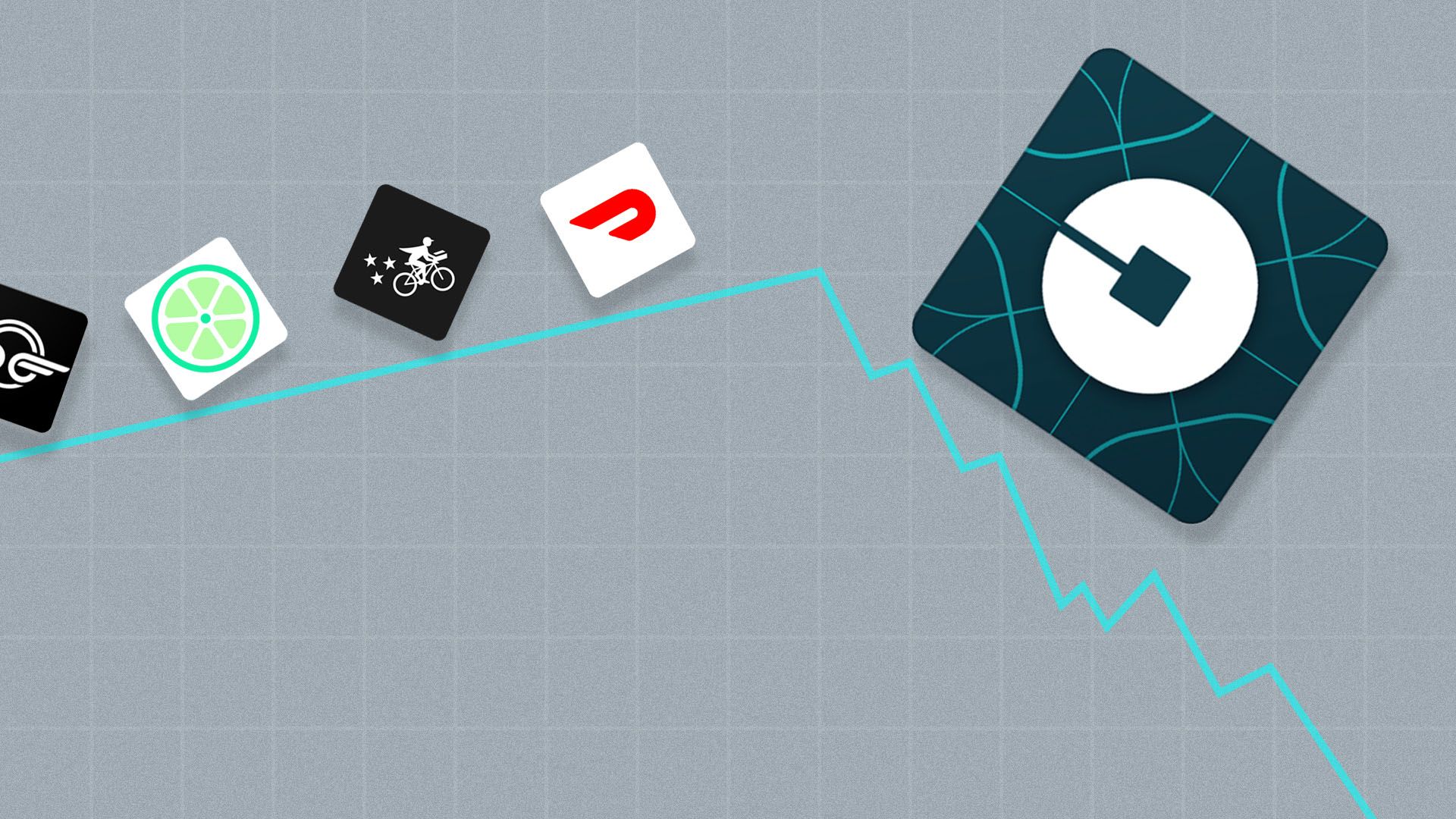
Uber shares have inched higher since their first two days of dismal trading, but not nearly to the point of making all of the company's private investors whole.
Why it matters: That has got to worry other money-losing "unicorns" that operate in similar sectors.
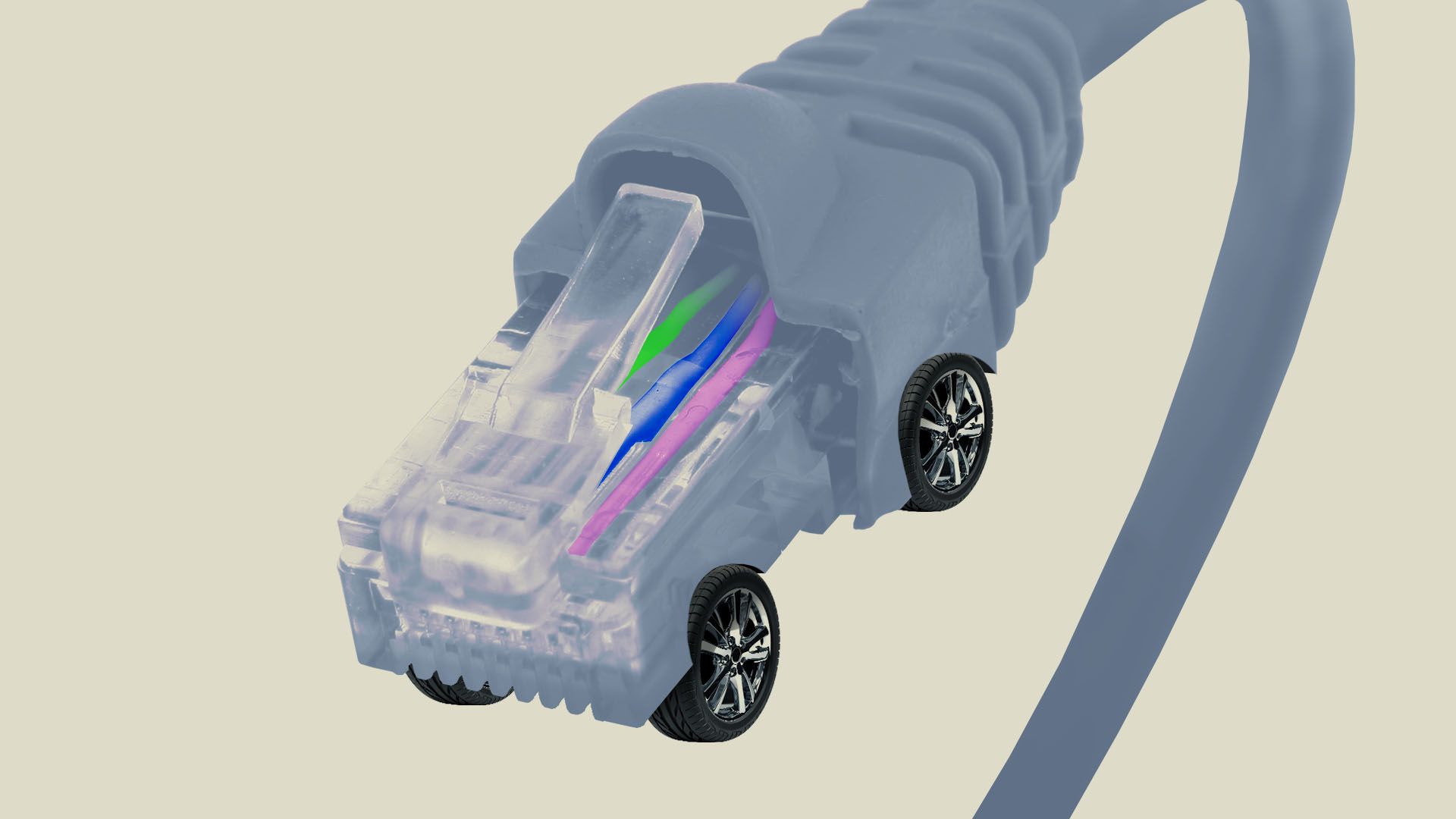
The current generation of in-vehicle networks cannot support the amount of data that will be required for AVs to make decisions in real time. One potential solution could be drastically improved automotive ethernet, a network for cars adapted from computers.
Why it matters: Wireless networks could offer some advantages in internal and external AV communication, but AVs cannot rely on a network with any chance of experiencing a delay, making wired networks the safest bet.
Uber's underwriters, led by Morgan Stanley, were so worried about the company's IPO that they deployed "a nuclear option" ahead of the deal last week to provide extra support for the stock — a so-called naked short, as CNBC's Leslie Picker reported Tuesday.
The catch: Now, actual short sellers are coming in at significant levels and could push the stock even further below its $45 IPO price.
An antitrust lawsuit against Apple and growing calls to break up Facebook tee up what's likely to be a lengthy, contentious debate over the boundaries of technology markets.
Why it matters: As calls mount to break up big tech companies or limit their power, their legal fate will hang on how judges and regulators define their markets.
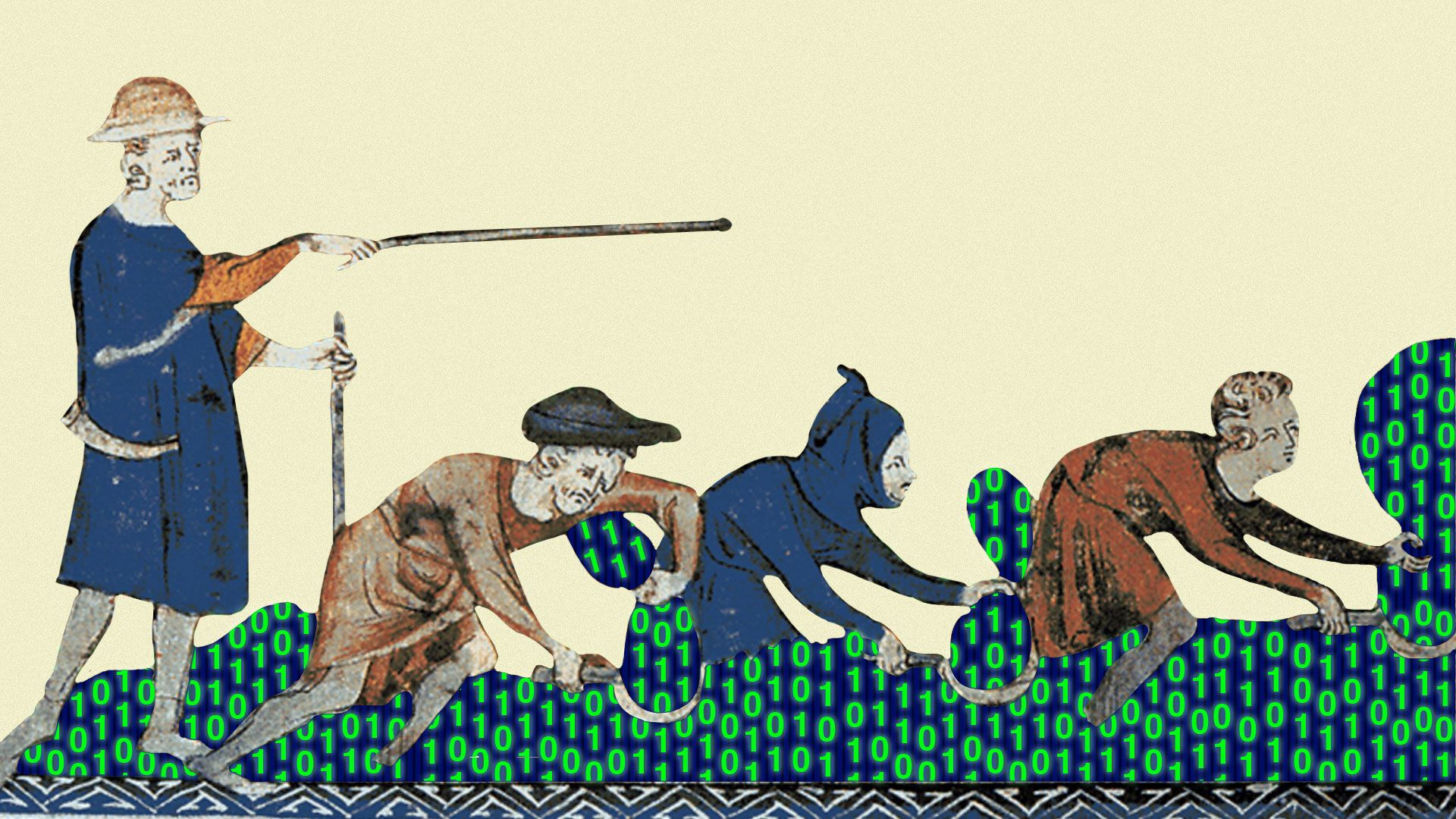
Invisible to most of us, an underclass of labor has evolved behind the artificial intelligence revolution — thousands of low-wage workers in the U.S. and across the globe who painstakingly inventory millions of pieces of data and images, and give power to AI programs. Critics call them the new "sharecroppers."
Why it matters: These workers — people who affix labels to data so computers can understand what it is — are starting to attract the interest of social scientists and other experts. They say labelers may at least in part explain the nagging conundrum of American income inequality — and perhaps how to fix it.