Big Tech has snapped up more than 50 AI companies since 2010, carving out another front in the nonstop war among the giants for AI talent, data and ideas.
The big picture: The clamor reflects a scarcity of AI expertise, as we've reported in the past. But it also allows Big Tech companies to reinforce their advantage over the upstarts, each time making it harder for a new entrant to strike gold.
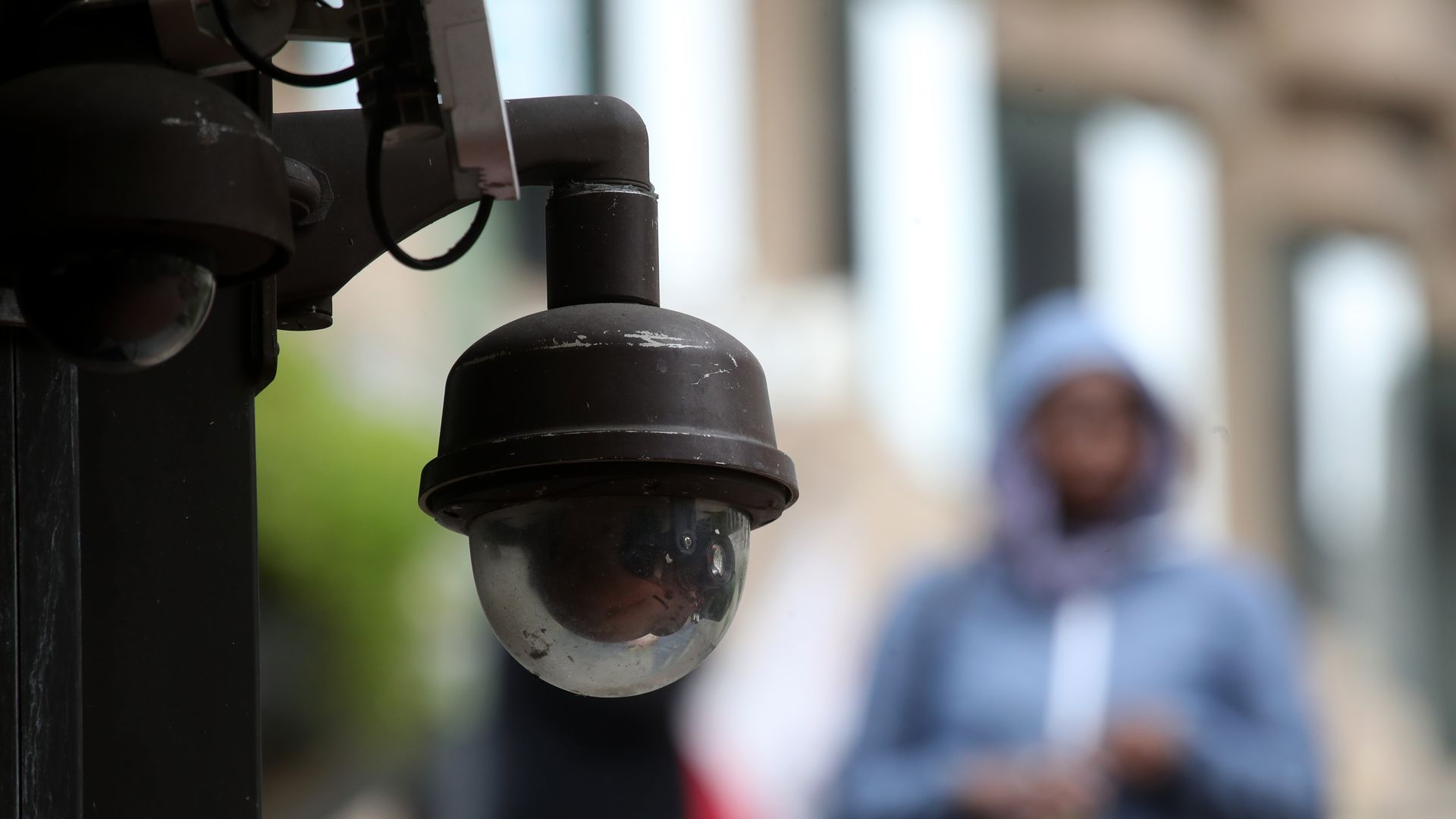
The San Francisco Board of Supervisors on Tuesday authorized the first ban in a major U.S. city for the use of facial recognition technology by police and municipal agencies.
Why it matters, according to Axios' Kaveh Waddell: This will be the strongest oversight of government facial recognition in the U.S., and it could set the pace for other cities considering similar measures.
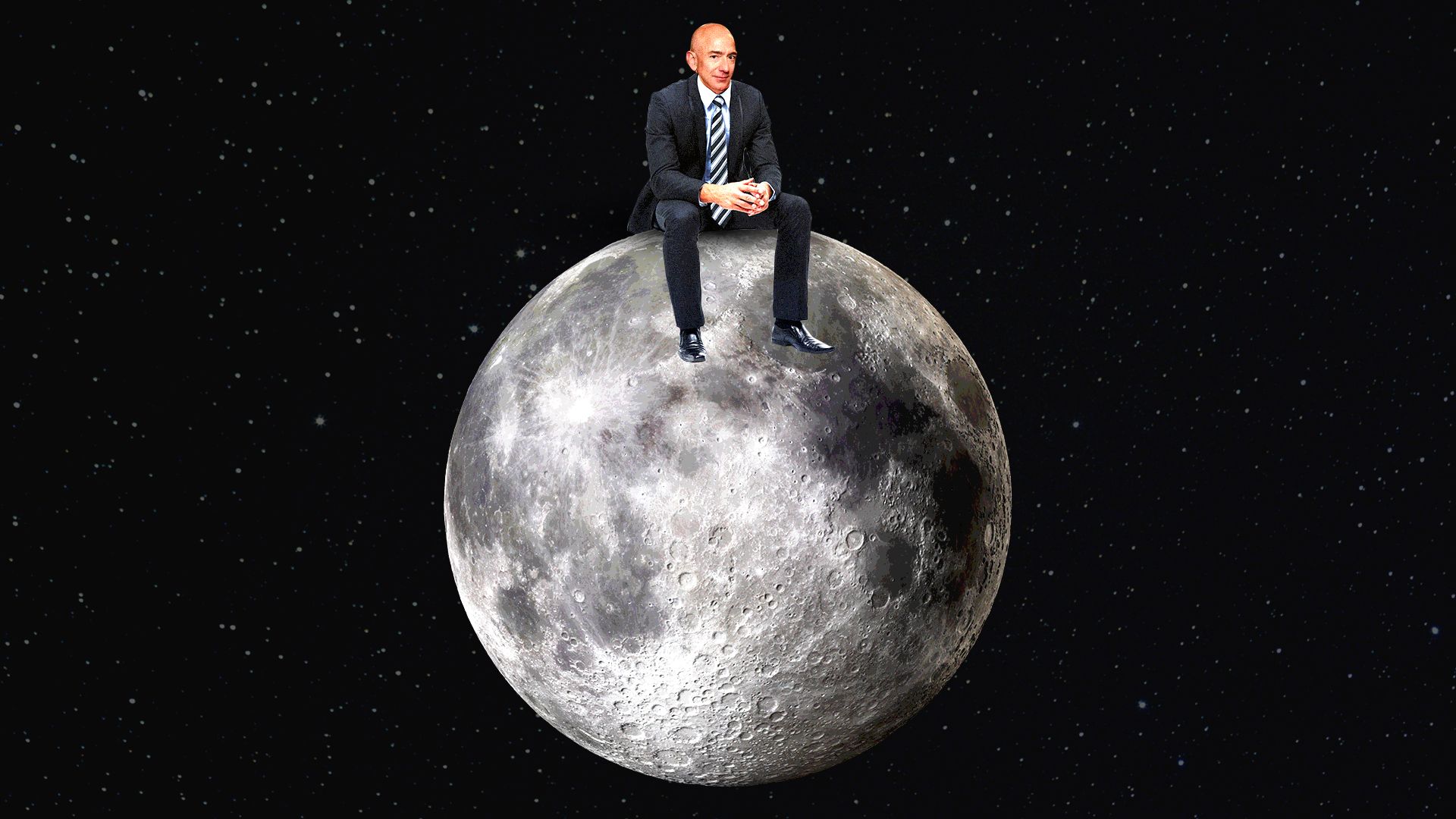
Jeff Bezos wants to build a "road to space" so 1 trillion humans can live and work there.
Why it matters: His rocket company, Blue Origin, has been methodically working toward launching people and payloads into space, funded by Bezos' billions. But he is thinking bigger, and his money and influence give new gravity to the idea of permanently extending humanity's reach deep into the solar system.
The National Labor Relations Board concluded that Uber drivers are independent contractors, according to a newly released memo authored by an agency associate general counsel.
Why it matters: Uber and other gig economy companies have long fought against lawsuits and other attempts to reclassify their workers as employees, which would require they pay for benefits like health insurance. The added costs would effectively destroy their business models.
Adobe is announcing a new set of tools on Tuesday to help third party merchants who sell through Amazon.
Details: The new service, from Adobe's Magento unit, helps businesses set up their own e-commerce storefronts, while continuing to sell through Amazon.
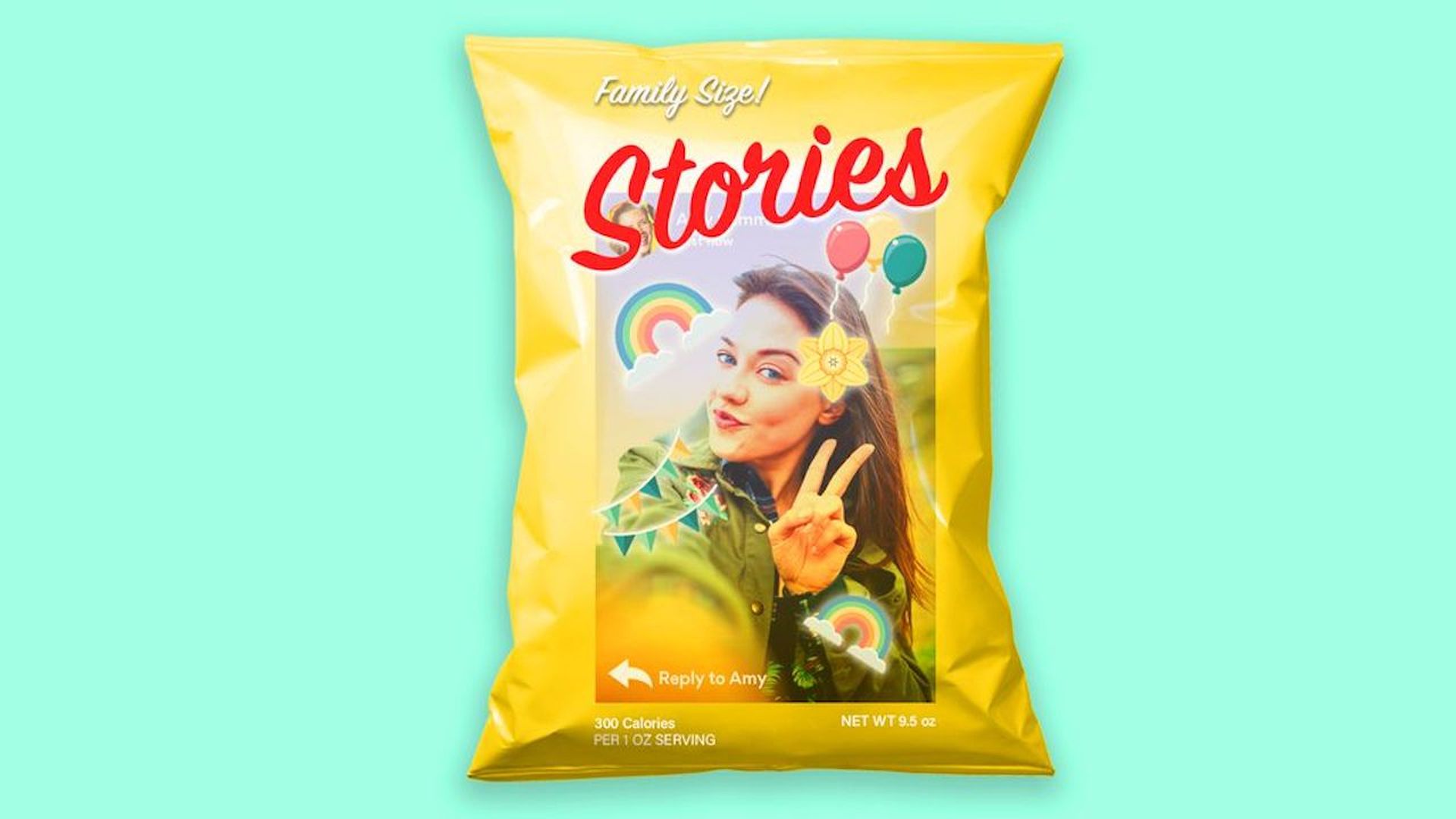
Stories, the string of photos and videos invented by Snapchat and ripped off by Facebook for Instagram are now being ripped off by ... everyone.
Why it matters: There’s no doubt that the format has been a success and a growing number of companies repurposing it to fit their users’ needs and — hopefully — gain some of their attention.
The hyper-engaged fanbase of BTS, a Korean boy band, and a handful of other popular K-pop groups are bringing American publishers off-the-charts Twitter numbers.
Data: NewsWhip; Note: Twitter influencer shares include shares of articles by influential Twitter accounts and retweets of those posts; Chart: Andrew Witherspoon/Axios
The big picture: BTS has a more engaged following than any other entity on Twitter — and it isn't even close. The group's main account generated 400 million interactions from its tweets in the last 3 months, compared to just 105 million from President Trump, according to data from CrowdTangle.
Apple’s very successful iPhone App Store is under attack from multiple directions, with users and developers criticizing its business model.
Why it matters: If the burgeoning criticism leads to concrete legal results, it could undermine an Apple ecosystem that's already under threat from other tech giants like Google and Facebook.









/2019/05/13/1557780921653.gif?w=3840)