The Florida Bar announced on Wednesday that its investigation into Rep. Matt Gaetz (R-Fla.) for appearing to threaten Michael Cohen on Twitter will be taken to a grand jury-like panel, the Tampa Bay Times reports.
Why it matters: By taking this step, the Florida Bar signals that its initial investigation determined that allegations against Gaetz would be in violation of Florida's guidelines for lawyers, if proven true. Gaetz, who is a licensed attorney in the state, tweeted a threat to President Trump's former personal attorney on the eve of his public testimony before the House Oversight Committee.
Uber and Lyft drivers launched a multi-city strike on Wednesday, protesting what they say is inadequate pay and poor working conditions. Dan talks to one of the striking drivers about why she turned off her app, what she thinks about Uber's upcoming IPO and what comes next.
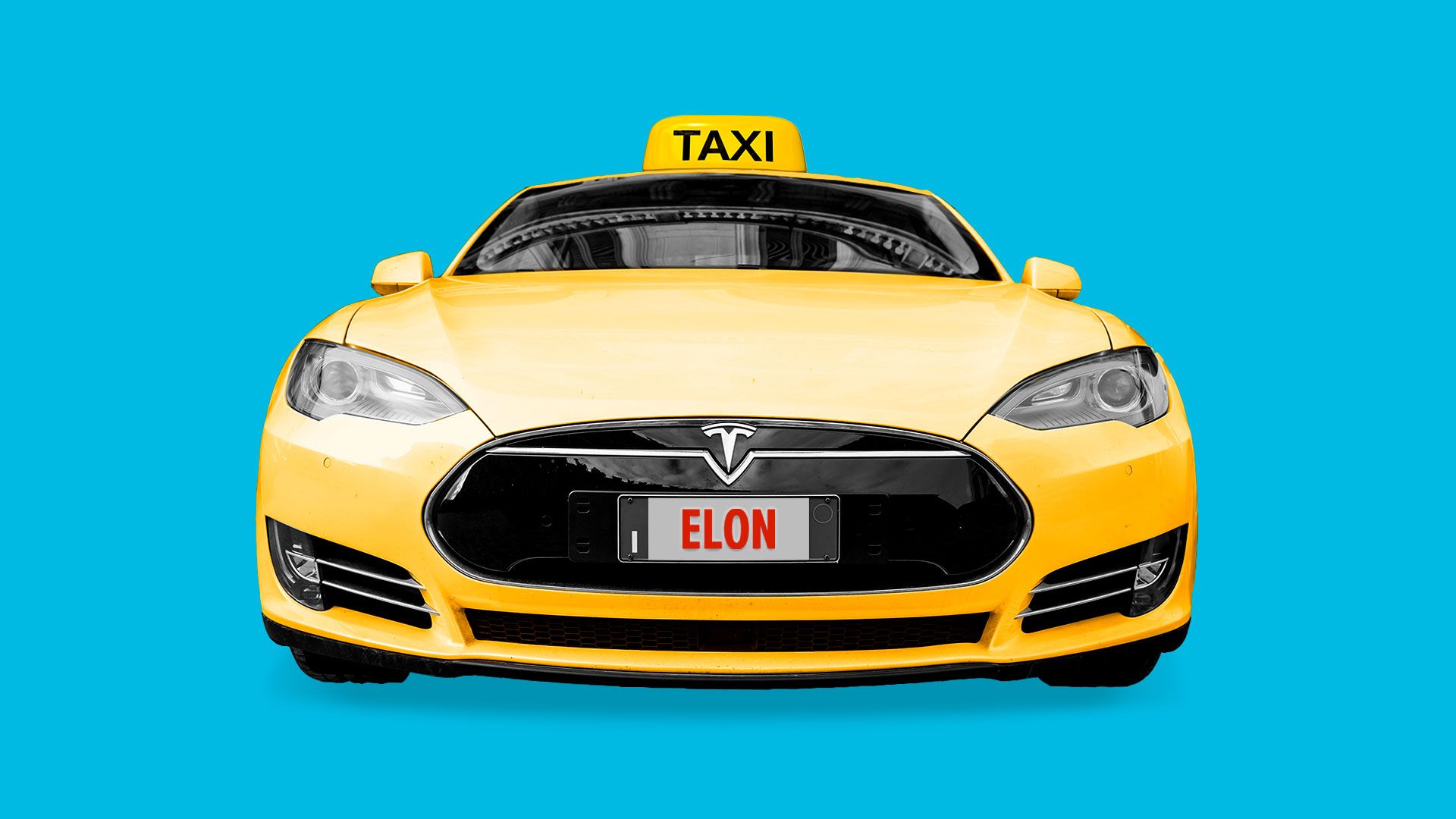
Tesla CEO Elon Musk is banking on a risky new strategy for the electric automaker: a robotaxi service that he argues will transform Tesla into a $500 billion company.
The big picture: Like other AV companies, Musk is fixated on a potential $3 trillion market opportunity for autonomous mobility as a service.
Face++, a Chinese developer of facial recognition technology, raised $750 million at a valuation just north of $4 billion. Reuters reports that the company also has hired bankers for a Hong Kong IPO that's expected for later this year.
Why it matters: This comes just days after Human Rights Watch reported that Face++ technology is being used by the Chinese government to identify potential terrorists — an extensive and highly-subjective data collection process that has helped result in the detention of over 1 million Uighur Muslims in China's Xinjiang region.
When Uber sold its China business to Didi Chuxing in 2016, the ride-hail giant thought it had taken care of its China problems. It was wrong, although this time the trouble isn't of its own making.
What's new: Uber plans to price its mega-IPO on Thursday night, and begin trading Friday morning. The company is going public on the exact day that President Trump has threatened to impose new tariffs on $200 billion of Chinese imports.
The news of Anki's impending demise sent loyal owners begging for some way to make sure that its cloud-dependent robots would outlive the company that created them.
What's new: In a post to its website on Tuesday, Anki offered a vague promise of a reprieve after users pleaded in forums and on Twitter for everyone from Elon Musk to Amazon to adopt the soon-to-be-orphaned product lines.
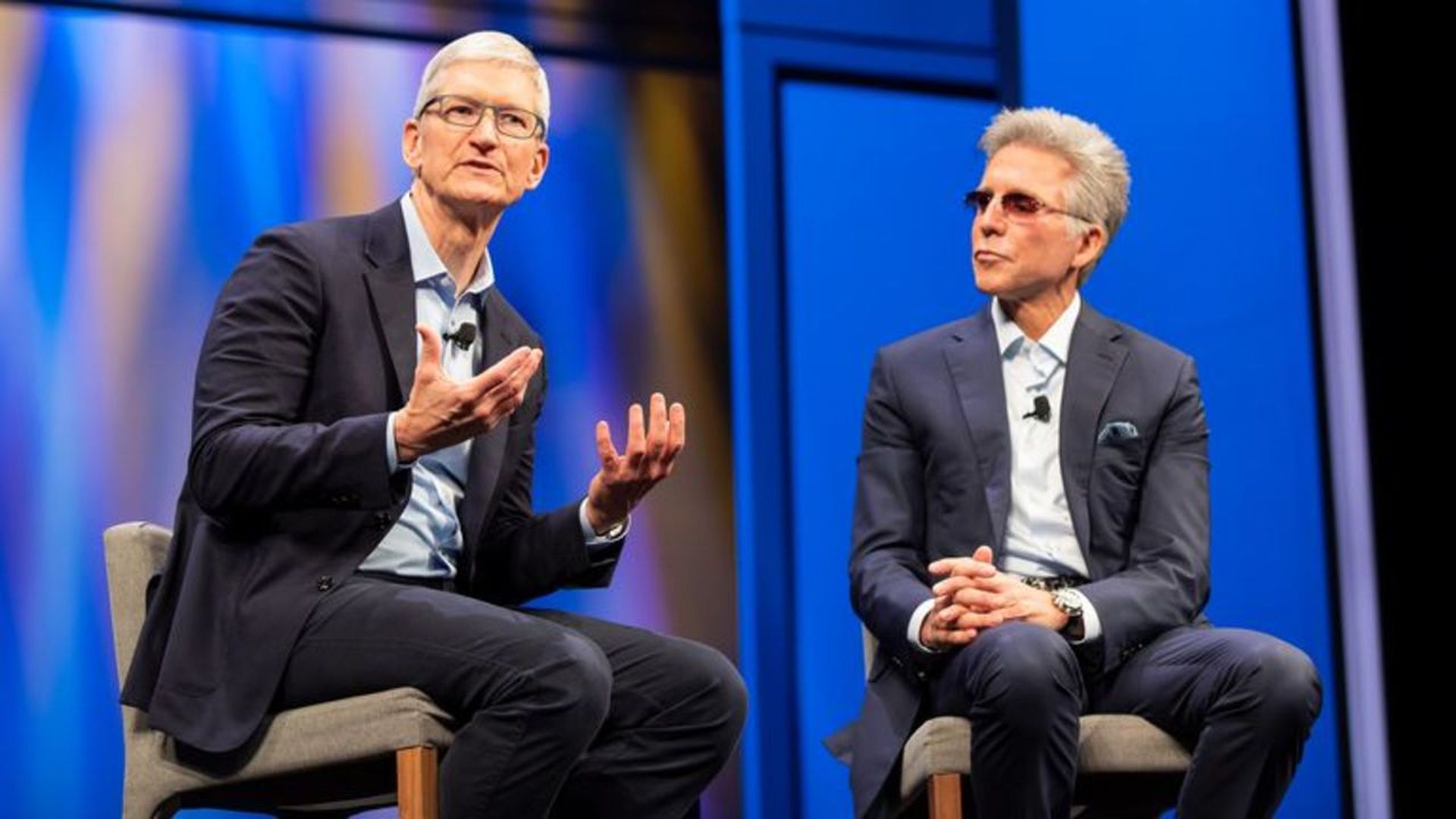
For years now, Apple has used the iPhone as its way into large businesses, who tend to be customers that shunned its computers except for corners like the design department.
The backdrop: Apple has done this steadily, over years, inking partnerships with established players, including IBM, Salesforce and SAP.
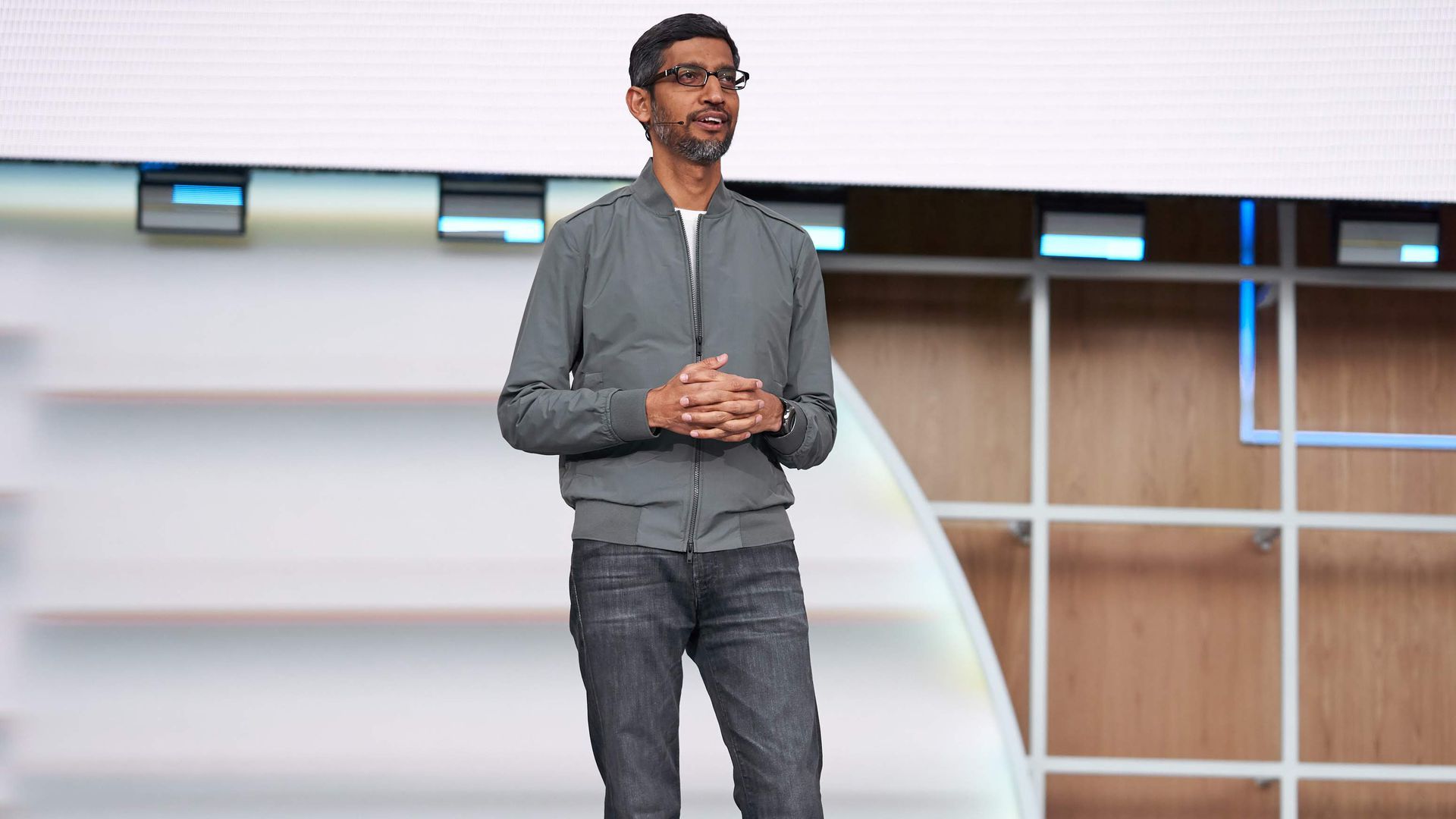
Tuesday's Google I/O keynote paraded the usual new hardware and software, but the biggest development was the emphasis on privacy that the company wove through each of its rollouts.
Why it matters: The move is, of course, timely: In the wake of scandals and data spills, all Big Tech is talking privacy, even if individual companies have very different agendas. And Google is the company that basically invented the monetization of user information, unlocking the secret to minting billions online by targeting ads based on user data.
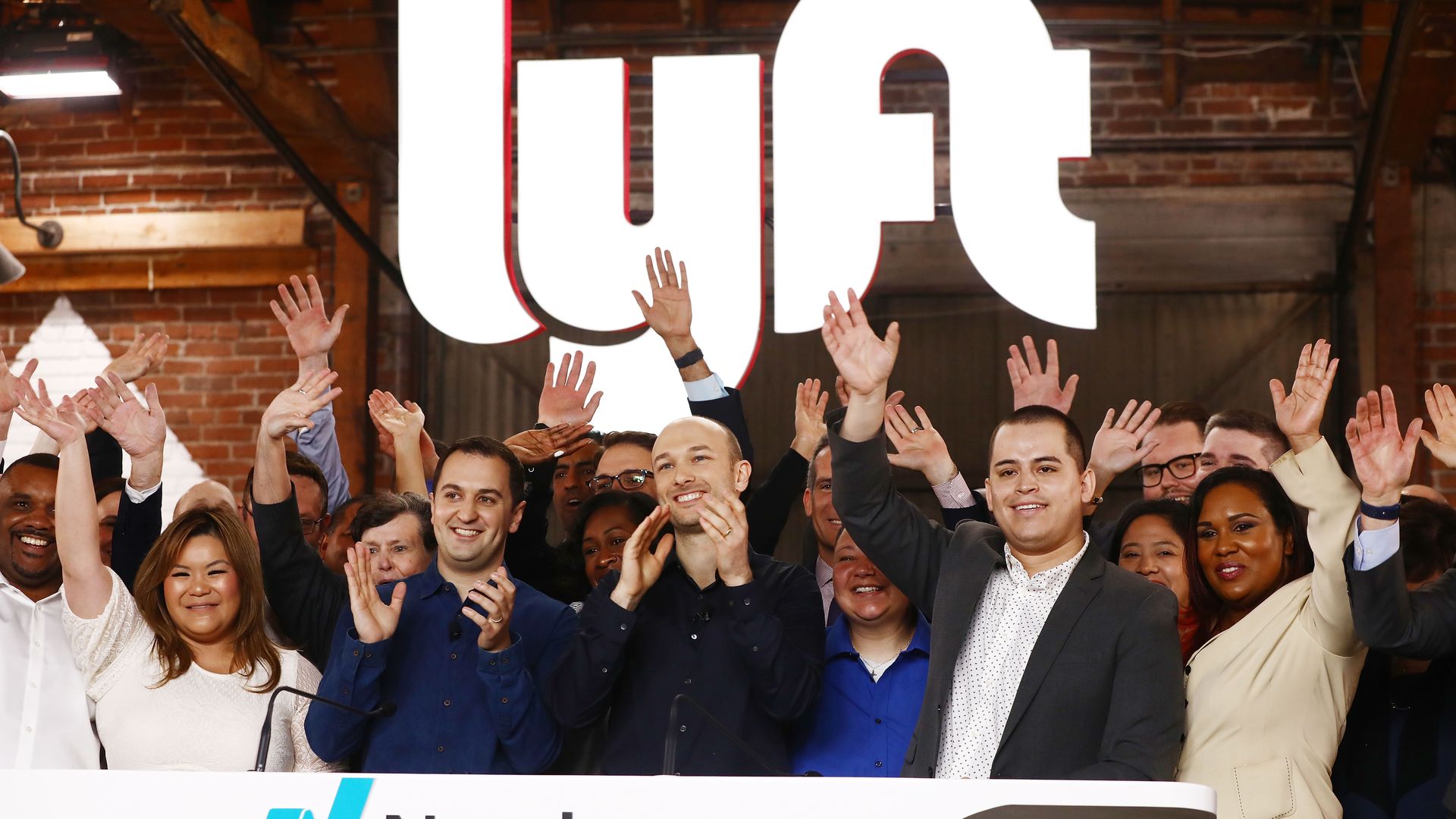
Ride hailing company Lyft has performed about as poorly as a public company as it possibly could, and it continued that theme in its first financial report yesterday.
By the numbers: Lyft posted a loss of $1.14 billion for the first quarter, more than its losses for all of 2018. It also reported a loss per share of $9.02, wildly outpacing losses of $1.81 a share predicted by economists. Lyft's stock is down by around 25% since its stock market debut.
Recent reports have revealed that two remote GPS tracker and immobilizer products for vehicles, known as remote kill switches, are vulnerable to attack due to guessable default passwords.
The big picture: Remote kill switches were designed to prevent theft, but can be compromised and used to steal or hijack cars, target high-profile individuals in their private vehicles, or shut down roadways through mass immobilization. The more complex a connected car’s systems are, the more potential points of vulnerability it has, making the stakes especially high for AVs.
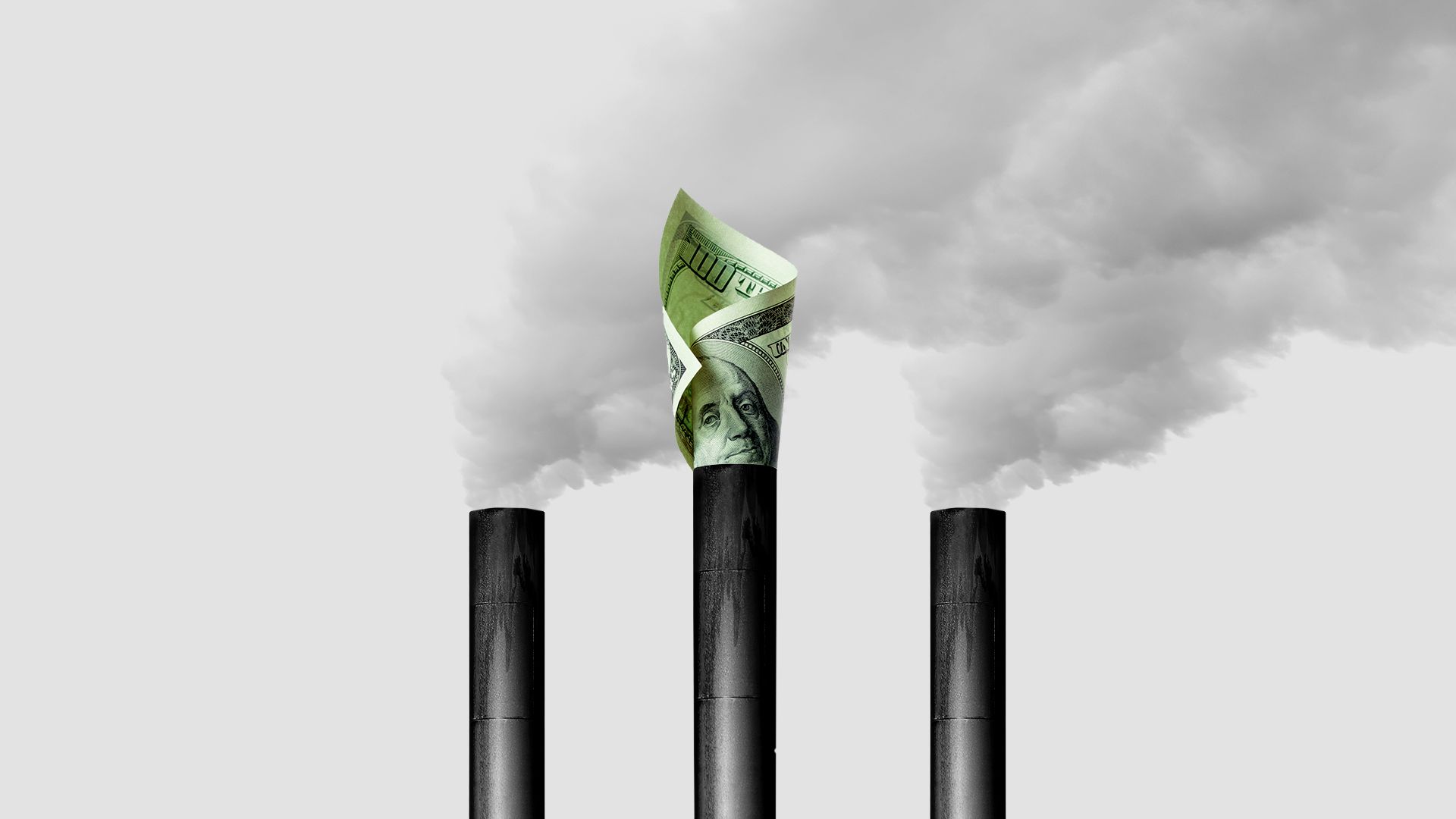
The Republican-aligned think tank whose February report suggested the Green New Deal could cost as much as $93 trillion just released another study seeking to put price tags on the cost of drastically reducing greenhouse gas emissions in electricity and transforming the transportation sector.
Driving the news: The report — by American Action Forum — estimates the Green New Deal could cost households more than $2,500 per year for electricity-related changes, while building a high-speed rail network would reach the trillions. The group concludes a carbon tax would be a preferable policy to address climate change.
Hims, an online seller of prescription health care products for such conditions as erectile dysfunction, recently hired former Lyft executive Melissa Waters as its first chief marketing officer, Axios has learned.
Why it matters: This comes shortly after a well-traveled New York Times story about "restaurant-menu medicine" companies like Hims, which operate in something of a regulatory blank space — connecting patients with doctors who prescribe without conducting in-person exams. Waters will be tasked with telling the story in a more positive light.
Today's great powers are sliding toward a new arms race, this time on the battleground of lethal computer code, but experts say that rushing to develop autonomous weapons — which can be erratic and easily stolen — will make violent conflict more likely and yield no winners.
What's happening: The countries leading in artificial intelligence research (U.S., China, Russia, U.K., France, Israel and South Korea) are all developing weapons that hand-off increasing portions of the killing process to computers.





/2019/05/08/1557324398589.gif?w=3840)