Policymakers around the world are trying to write global rules for governing self-driving cars before the technology gets too far down the road.
Why it matters: Automated vehicles are still being developed, and so are the methods to judge their safety. Shared global standards and regulations for self-driving cars would make it easier for manufacturers to design and sell vehicles around the world and help to build public trust.
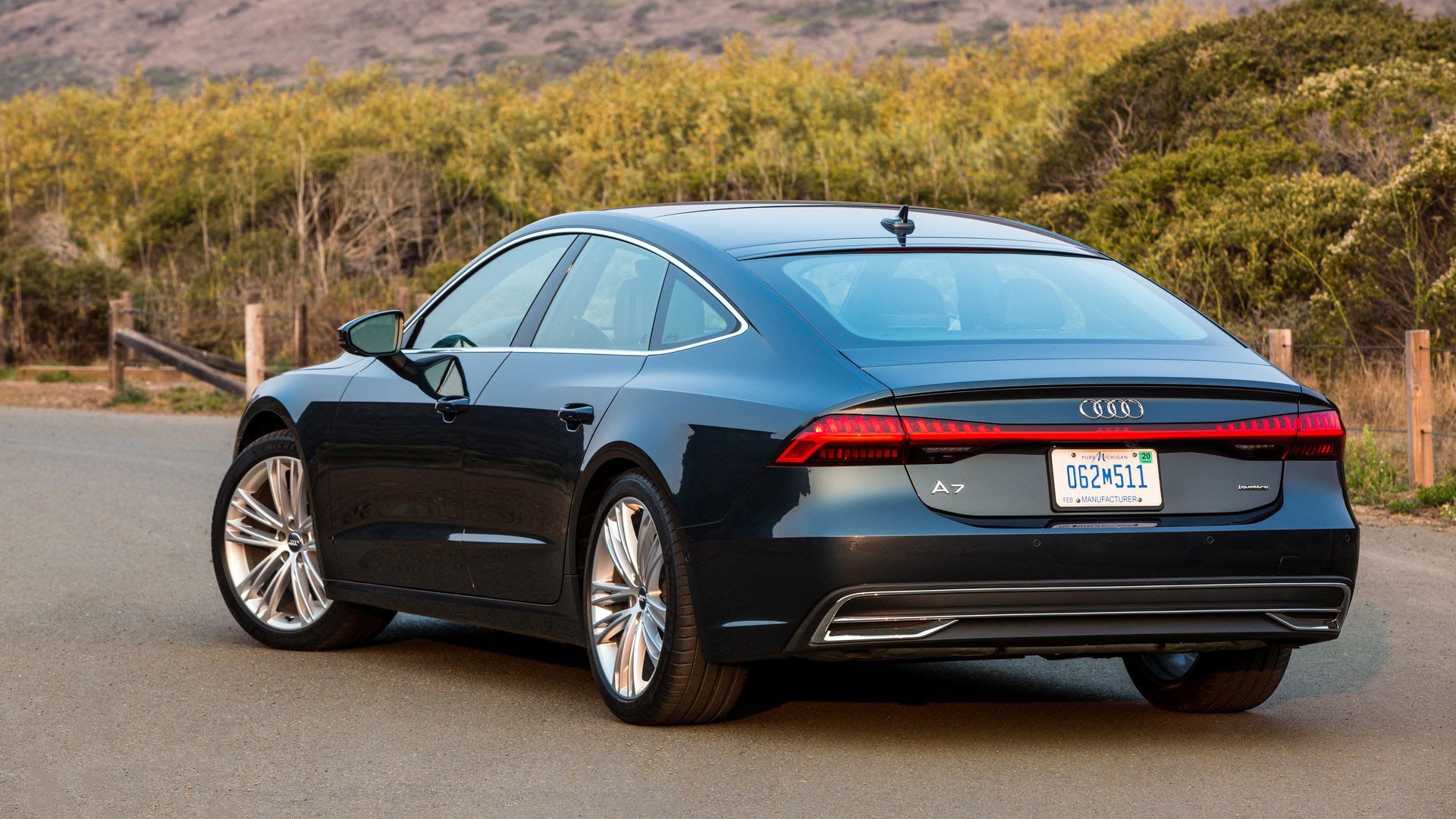
When I wasn't riding around in the back seat of AV test cars during my recent trip to Silicon Valley, I had the pleasure of driving myself in a 2019 Audi A7 quattro.
The big picture: The five-door coupe, outfitted with Audi's Prestige package and just about every other optional feature you could imagine, is elegant and even soothing to drive. Starting at $68,000, my top-of-the-line A7 had a price tag of $85,240.
Cisco's Talos research team announced Friday it had discovered 74 Facebook groups where hackers bought and sold cybercrime tools and services. The groups networked together as many as 385,000 members speaking a bevy of different languages.
What they're saying: "Tampa — it was basically the size of Tampa," said Craig Willams, director of outreach for Talos.
AV companies are largely developing their cars as a package deal, which requires extraordinary expertise and investment in vehicle technologies, software and cloud-based systems.
Why it matters: This strategy could ultimately take a toll on innovation and competition by limiting the possibility of interchangeable components that could drive down costs and bring AVs to market faster.
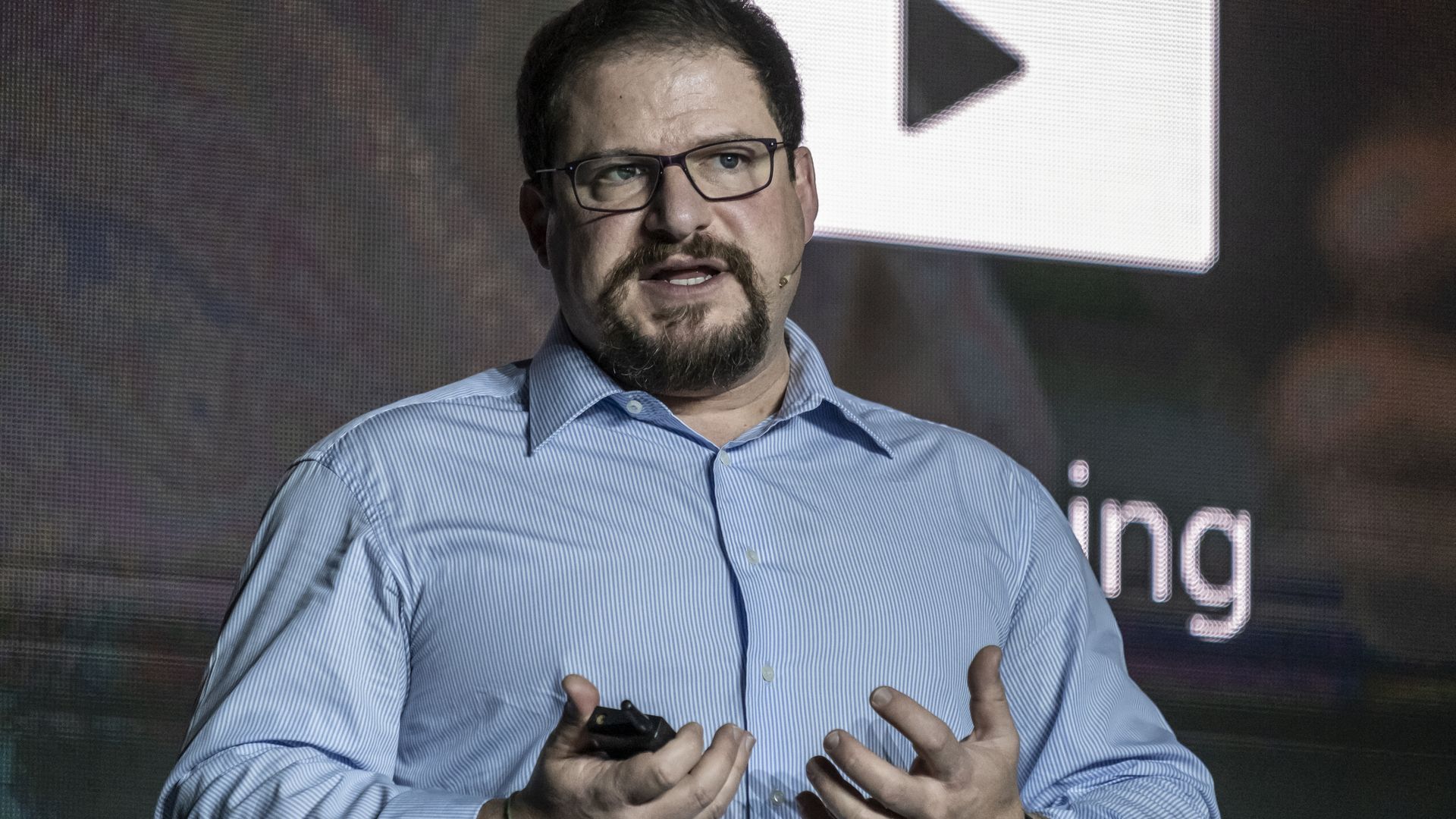
Qualcomm President Cristiano Amon said Thursday that the company would be happy to consider working with Apple on its 5G plans if their reported struggles to bring a product to market continue.
Why it matters: Qualcomm and Apple have been locked in a lengthy, acrimonious legal battle that includes patent, contract and antitrust complaints.
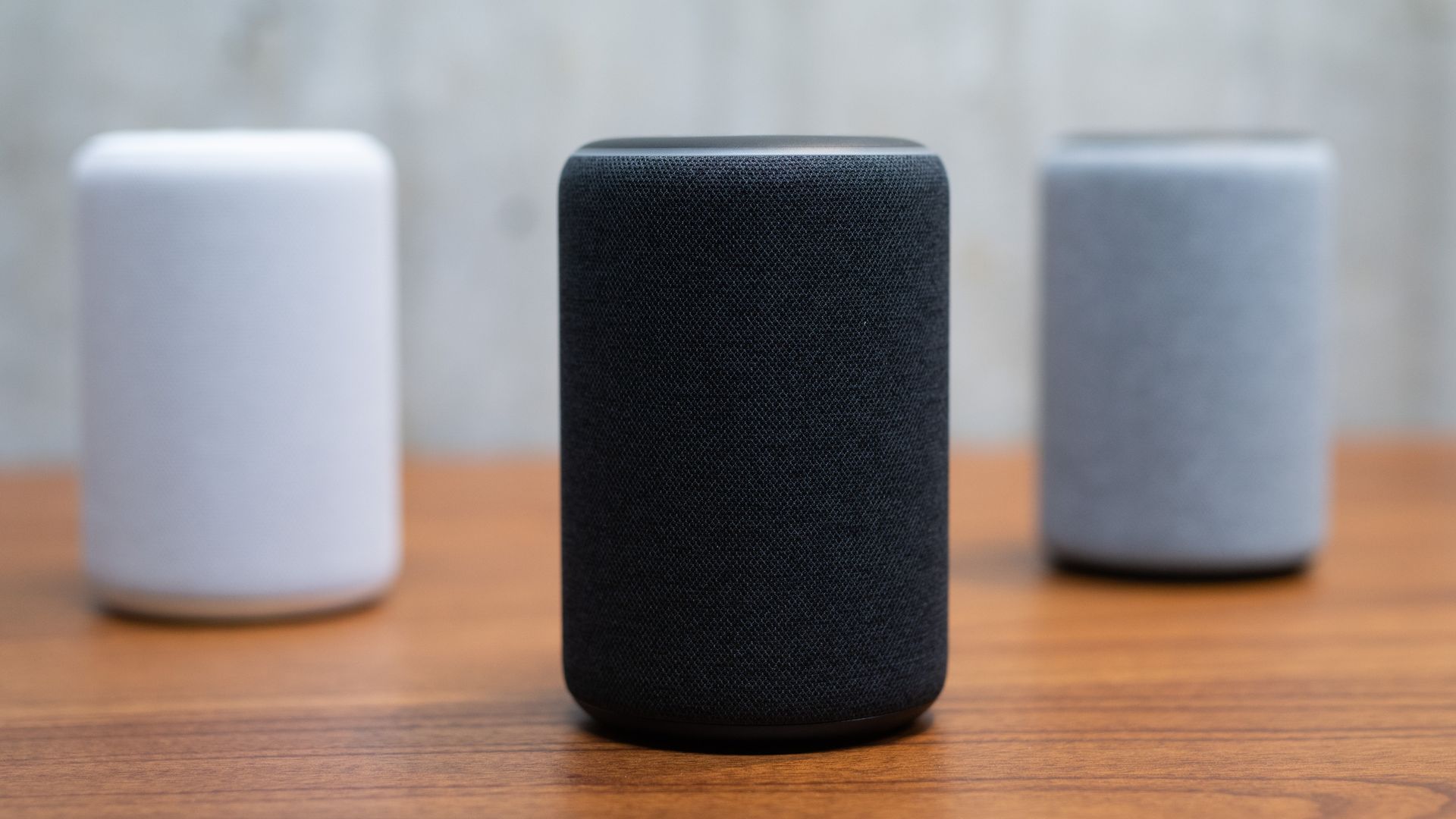
Amazon's Alexa has now added some new functionalities that comply with HIPAA, the health care privacy law.
Why it matters: These applications themselves aren't particularly earth-shattering, but each new step Amazon takes into the health care system is worth paying attention to, given the company's very clear desire to break into health, and particularly the pharmacy supply chain.
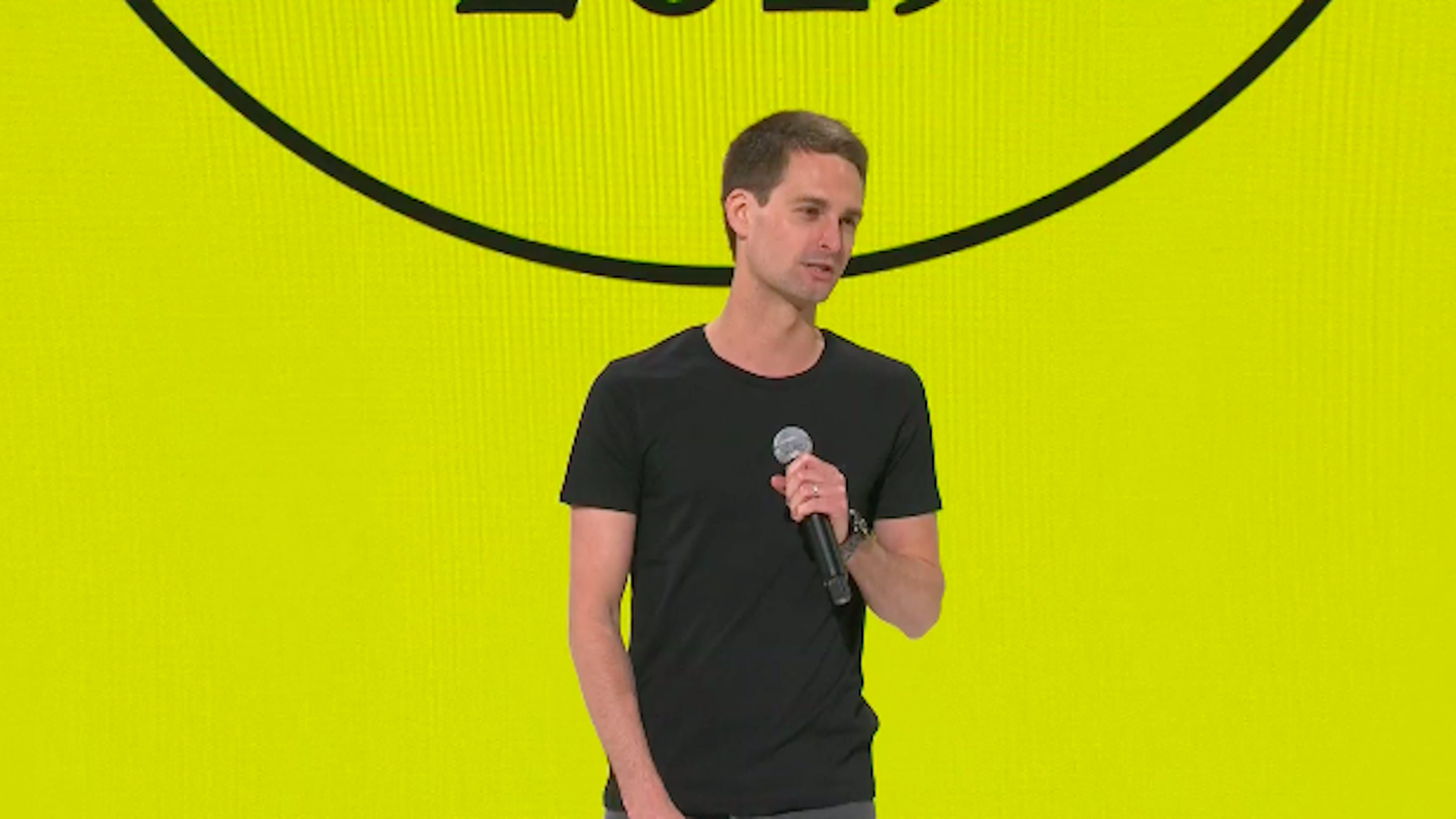
A slew of new updates, features and projects unveiled by Snap Inc. Thursday capture the Santa Monica-based "camera company" in mid-evolution, from a chat platform to a broker of value-added services modeled on China's tech giants.
Why it matters: Snap has faced investor skepticism that its media model of youth-oriented ephemeral photo and video sharing can support an ad business on the scale of Google's or Facebook's. The announcements at the first-ever Snapchat Partner Summit show that Snap intends both to keep growing its ad revenue while building revenue-generating services that users can access across apps and activities to increase engagement with Snap's products.
Economists expect the government to report yet another surge in new jobs and pay this morning — the 118th straight month of employment growth, and terrific news after decades of flat wages.
Why it matters: The exhilaration masksa stark, second reality, which is that some economists also are calling for the government to urgently prepare the labor force for a future wave of automation that seems likely to destroy jobs and roil communities across the country.
Google has pulled the plug on an outside advisory group that was to have helped guide AI work following a series of controversies, the company confirmed on Thursday
Why it matters: Google, like Microsoft, had been looking for outside input to guide its AI efforts. However, Google's panel drew almost immediate outcry for, among other things, including the president of the Heritage Foundation.
At the start of the first chapter of a thick new academic tome about lithium-ion batteries, where information about the author would usually go, five words hint that something's different: "This book was machine-generated."
Why it matters: AI is helping to speed up science, unlock impossible problems and dig researchers out from under information overload. Automatic summarization is a big remaining challenge that, if solved, would accelerate discovery by focusing researchers on the most pressing problems in their fields.
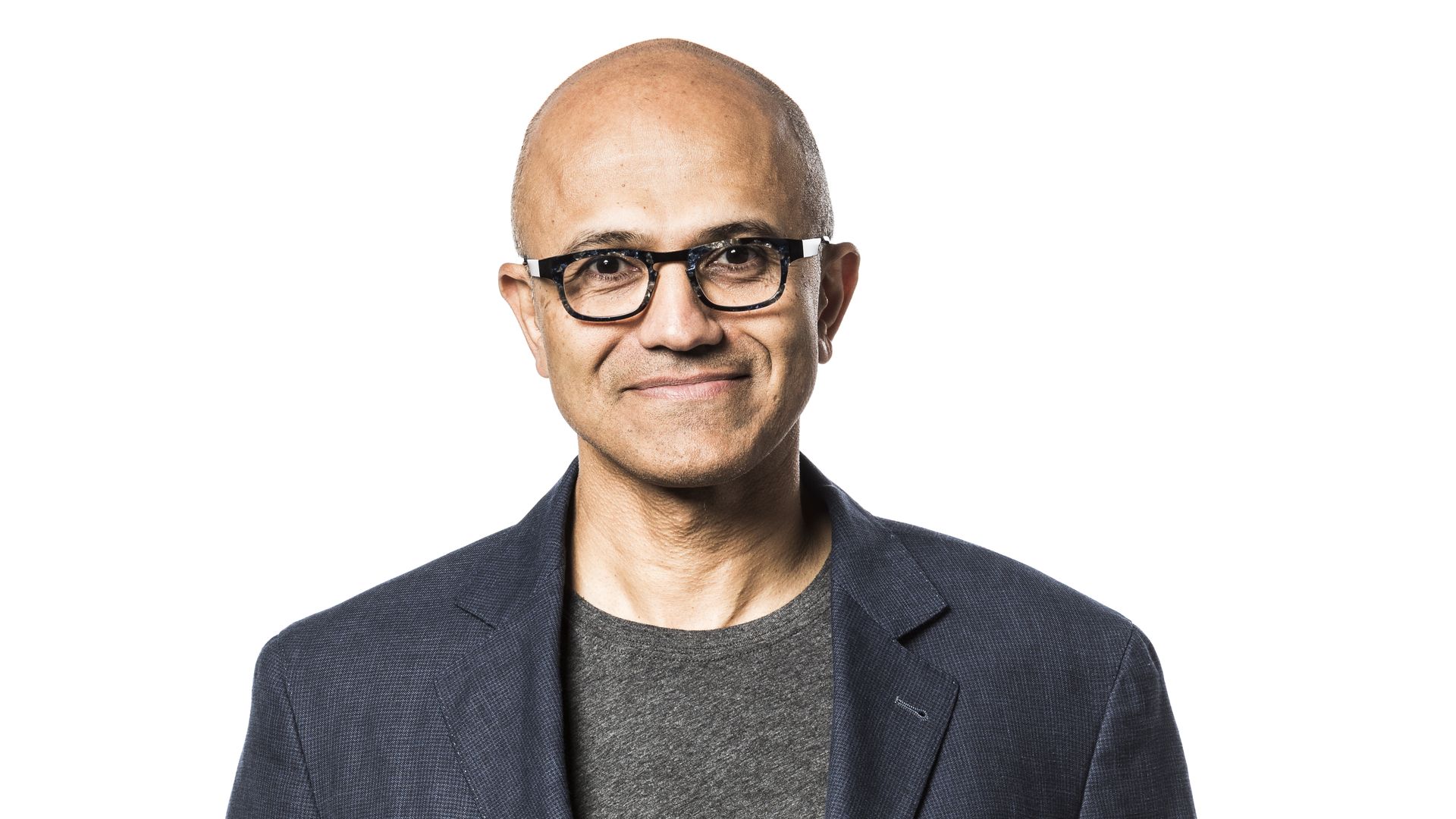
Microsoft CEO Satya Nadella and other top executives expressed their dismay at reports of sexual harassment contained in an internal email chain that spread through the company.
Why it matters: Microsoft and other tech companies continue to struggle with histories in which female employees quietly endured harassment that was seen as a necessary part of trying to make it in the male-dominated industry.
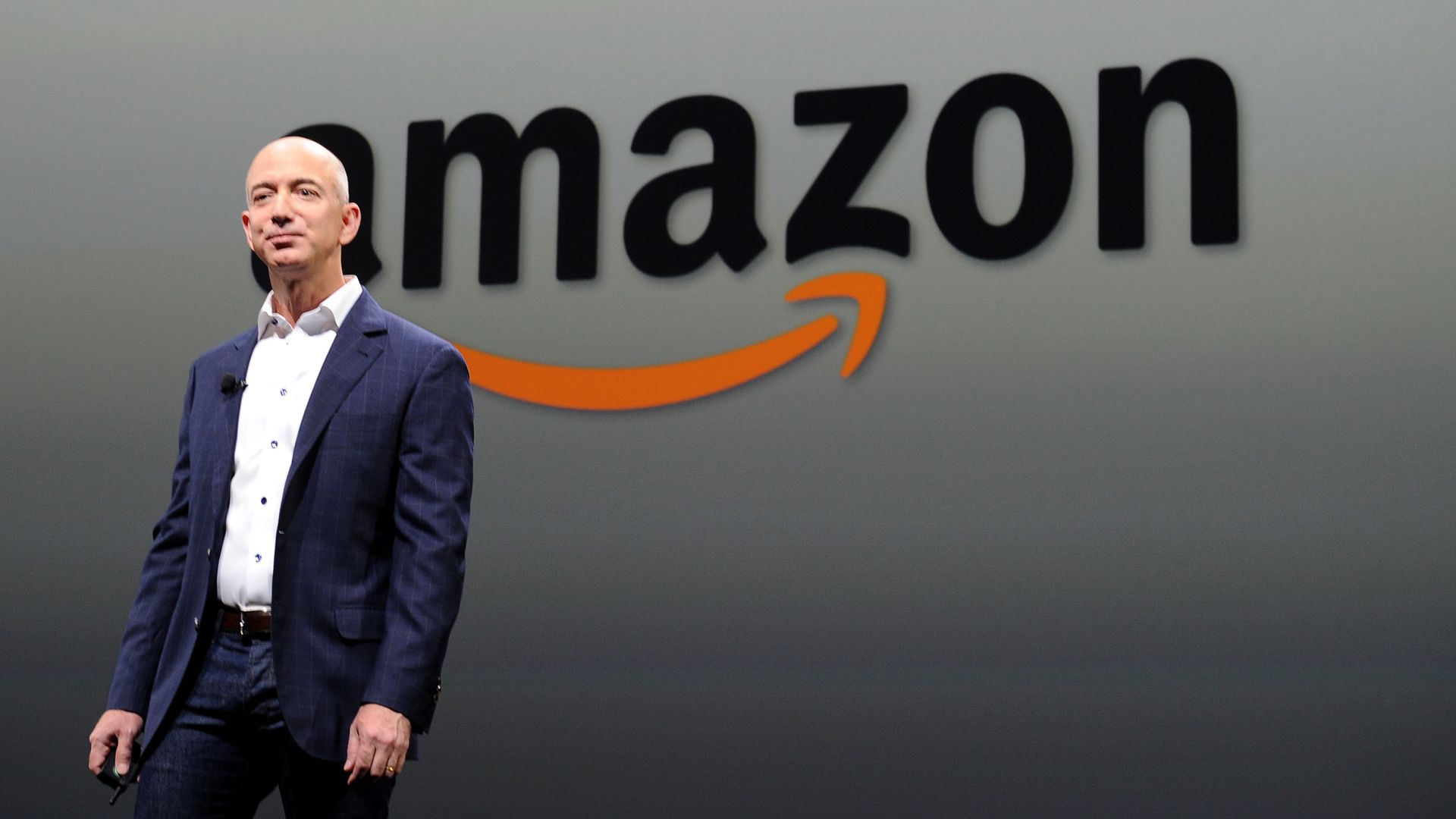
MacKenzie and Jeff Bezos both took to Twitter to amiably announce they've officially divorced, and MacKenzie used her first tweet to share some details of the settlement.
Details: MacKenize is forfeiting all of her shares of the Washington Post and Blue Origin, as well as 75% of her Amazon stock that Jeff will have voting control over. Essentially, MacKenzie will own 4% of the Amazon empire, per the terms.
Democratic senators involved in a key bipartisan working group left a Wednesday evening meeting with little to say about whether they were making progress on a national privacy bill Republicans hope will preempt state measures.
Why it matters: There is a unique convergence of forces behind privacy regulation. If the U.S. is ever going to pass a federal privacy law, the time might be now — and that's brought a wide array of stakeholders out of the woodwork to give advice.
Amazon has begun the process of squaring its self-described "big, audacious space project" with the FCC, according to public filings reported by GeekWire.
Details: Project Kuiper's firstpublicfilings indicate the company plans to put 3,236 satellites in low Earth orbit in order to "provide low-latency, high-speed broadband connectivity to unserved and underserved communities around the world," according to an Amazon statement emailed to GeekWire. The satellites would provide data coverage for 95% of the land in which the world lives. Amazon has not yet given a timeline for Project Kuiper's launch or the initial cost projections.
Amid a backdrop of employee activism, Google has released its annual diversity report. The report shows small improvements in both overall numbers as well as in attrition among certain underrepresented groups.
The tale of the latest Facebook data spill, announced Wednesday by security outfit Upguard, has a unique new twist: No one is shouldering responsibility for the half a billion user records that were exposed on a public server.
Driving the news: The story broke yesterday when Upguard reported it had found two troves of Facebook user data sitting on publicly accessible Amazon Web Services S3 "buckets" — cloud storage containers used mostly by backend programmers.
A Michigan State University academic has put together data that makes the climate change case for shifting freight movement from heavy trucks and planes to rail.
Driving the news: In the interview, Zuckerberg called for more government regulation as the company works on "major social issues," such as "policing harmful content to protecting the integrity of elections to making sure that data privacy controls are strong." He made similar statements in a recent op-ed in the Washington Post.
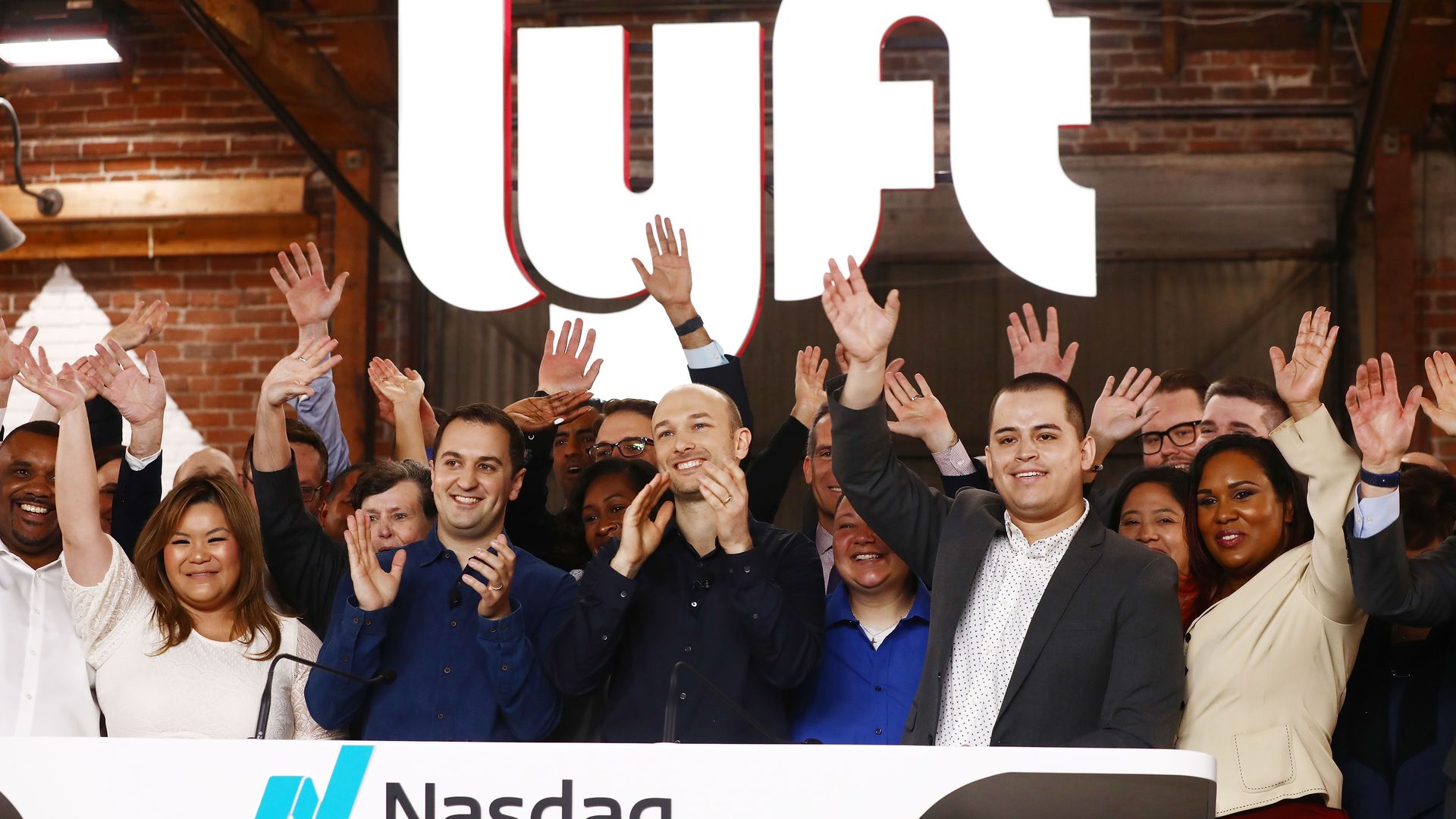
Investor blowback against Lyft has been fast and furious since the stock debuted last week.
Driving the news: Seaport Global analysts Michael Ward seared the company with a scathing "sell" recommendation on its third day of trading, notching a $42 target — $26 a share lower than its price at the time.
Social media executives could face imprisonment or billions of dollars in fines for broadcasting violent content in Australia under new legislation passed Thursday in response to live footage broadcast of New Zealand's mosque attacks.
Details: The Sharing of Abhorrent Violent Material bill passed with 2 days of parliament left ahead of a federal election. The streaming of violent acts, including murder and rape, must be removed from platforms within a "reasonable time" or penalties apply. Facebook said it removed 1.5 million videos of the March 15 Christchurch attacks in 24 hours.