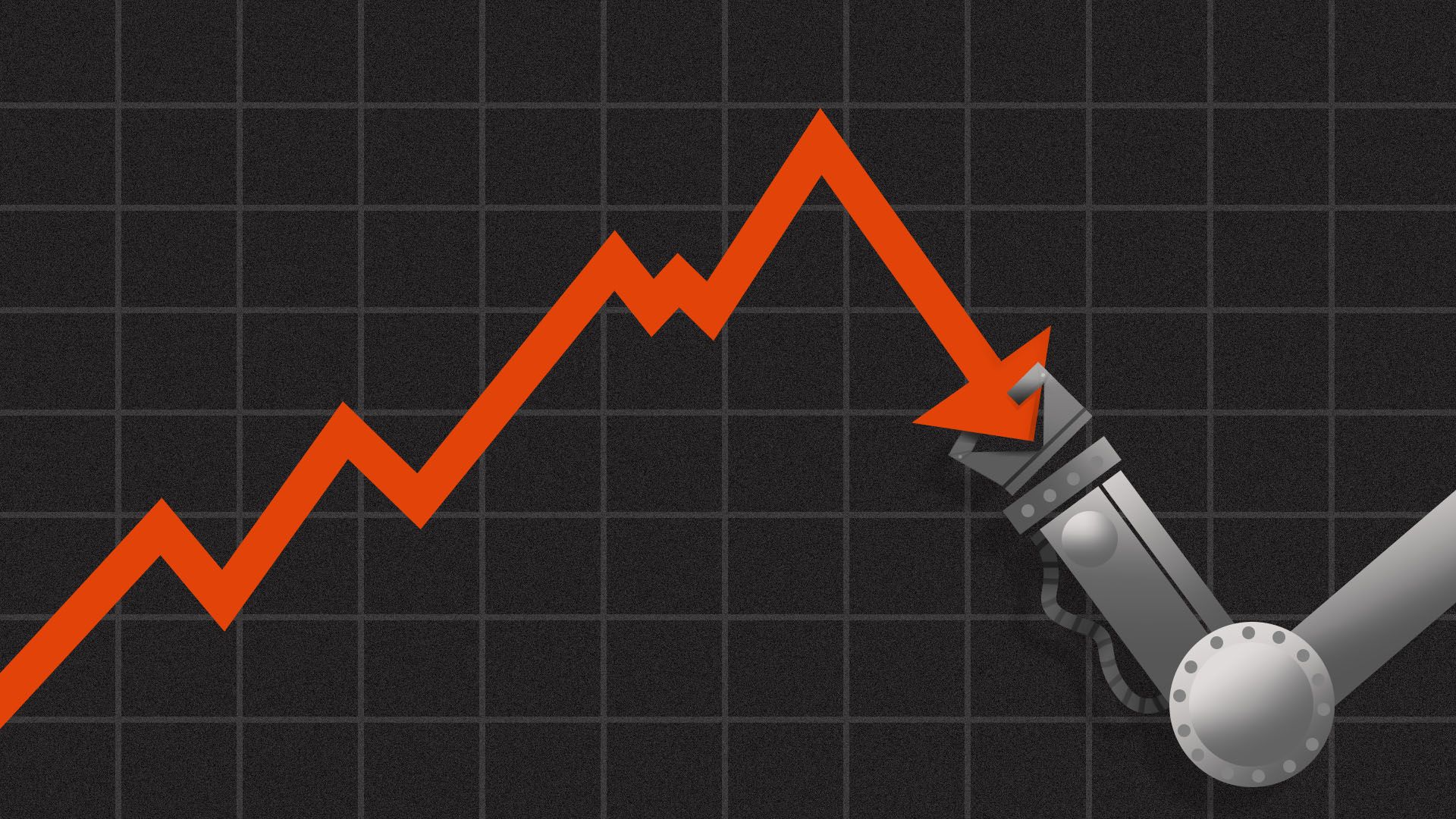
Millennials face one of the toughest economic landscapes of any generation since World War II: they are working for relatively low pay and, for college graduates, they're saddled with an average of some $30,000 in student debt.
But now, they are aboutto confront yet another challenge — robots. Millennials will be the first generation to absorb the full impact of the new age of automation, which, if history is a teacher, will wipe out jobs faster than the economy can create new ones.
The right to drive fast may not be as sacrosanct in the U.S. as Germany, but it comes at a price either way.
Driving the news: "Increased speed limits have killed nearly 37,000 people over the last 25 years, according to new research by the Insurance Institute for Highway Safety," USA Today reports. "The study concluded that a 5 mph increase in the speed limit causes an 8% increase in death rates on interstates and freeways. It causes a 3% increase in deaths on other roads."
Any search engine can quickly reveal your phone number, address and family information with a surprising level of detail.
It can be instantly culled on the open web from sites like White Pages and Spokeo.
Why it matters: This information, combined with social media posts, can be used by anyone to intimidate, harass, or stalk high-visibility people like politicians, business leaders, celebrities and journalists.
The enormous promise of quantum computing has lured big early investments from finance, aerospace, defense, and other tech-soaked industries. But an unexpected player is neck-and-neck with these front-runners: carmakers.
Big auto companies are tinkering with quantum computers in hopes they can solve problems too hefty for today's machines, from cooking up bigger batteries to designing lighter vehicles. And as they experiment, a host of other companies are lingering on the sidelines, watching for the right moment to jump in.
Policymakers around the world are trying to write global rules for governing self-driving cars before the technology gets too far down the road.
Why it matters: Automated vehicles are still being developed, and so are the methods to judge their safety. Shared global standards and regulations for self-driving cars would make it easier for manufacturers to design and sell vehicles around the world and help to build public trust.
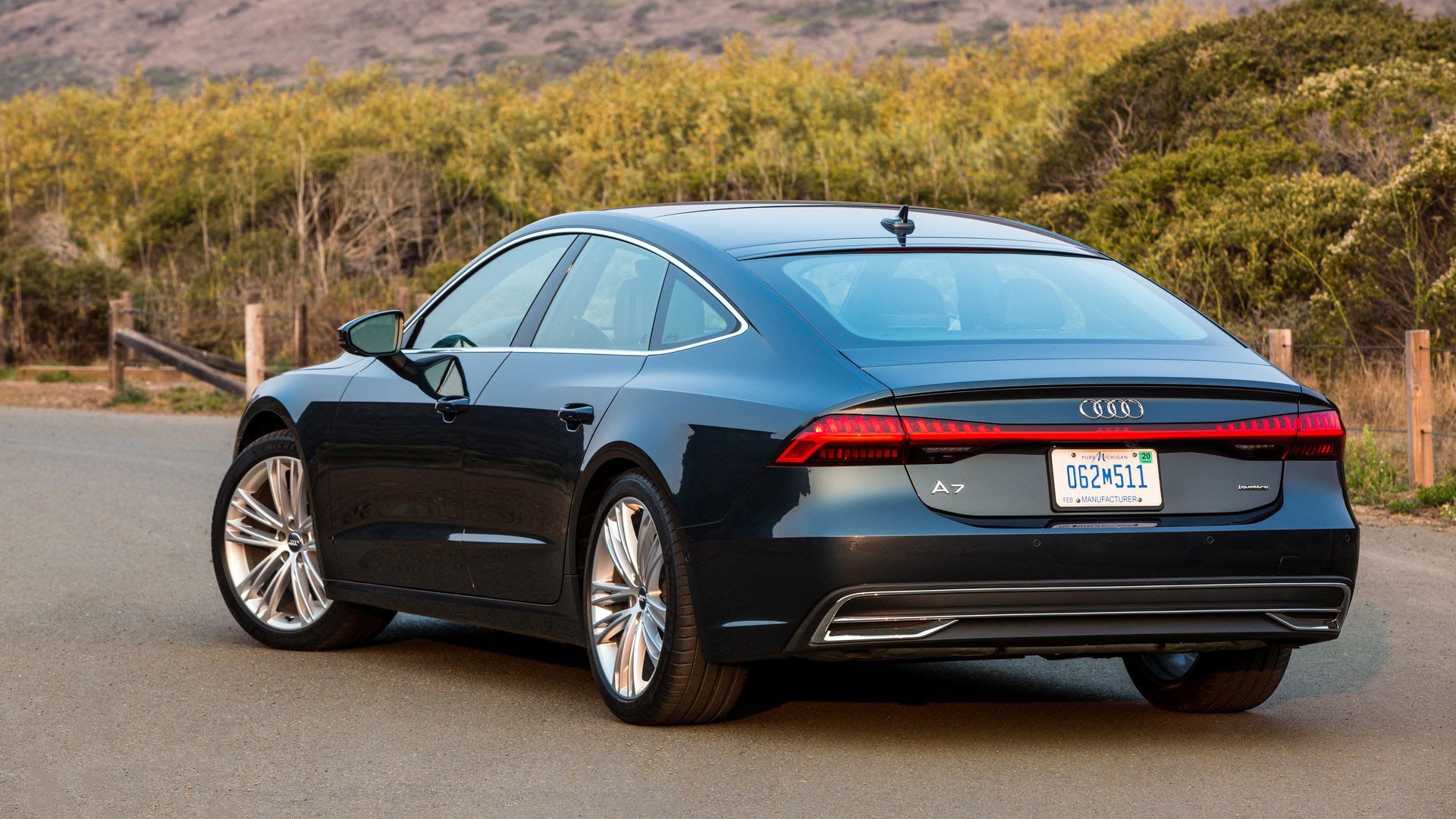
When I wasn't riding around in the back seat of AV test cars during my recent trip to Silicon Valley, I had the pleasure of driving myself in a 2019 Audi A7 quattro.
The big picture: The five-door coupe, outfitted with Audi's Prestige package and just about every other optional feature you could imagine, is elegant and even soothing to drive. Starting at $68,000, my top-of-the-line A7 had a price tag of $85,240.
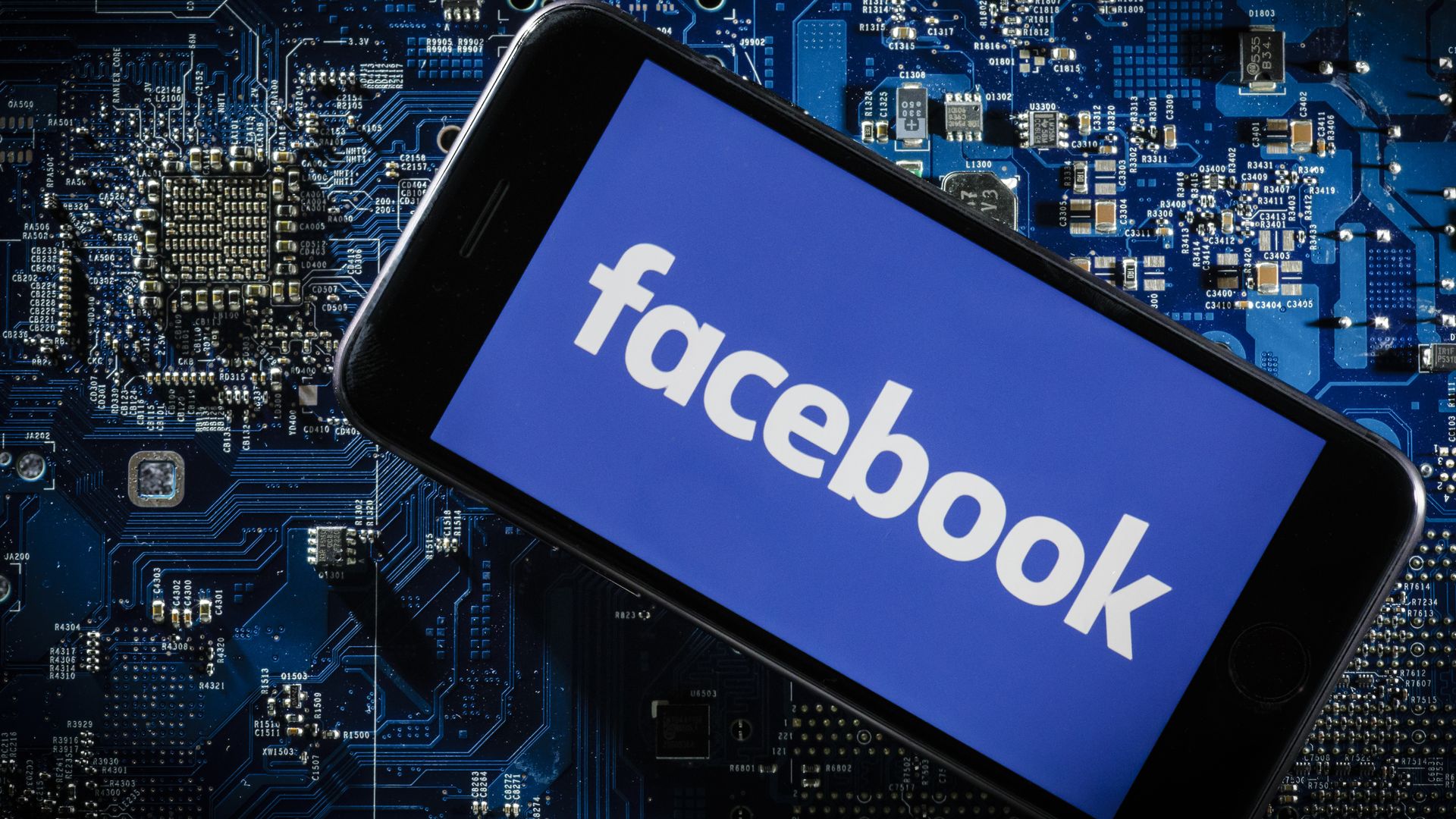
Cisco's Talos research team announced Friday it had discovered 74 Facebook groups where hackers bought and sold cybercrime tools and services. The groups networked together as many as 385,000 members speaking a bevy of different languages.
What they're saying: "Tampa — it was basically the size of Tampa," said Craig Willams, director of outreach for Talos.
AV companies are largely developing their cars as a package deal, which requires extraordinary expertise and investment in vehicle technologies, software and cloud-based systems.
Why it matters: This strategy could ultimately take a toll on innovation and competition by limiting the possibility of interchangeable components that could drive down costs and bring AVs to market faster.
Qualcomm President Cristiano Amon said Thursday that the company would be happy to consider working with Apple on its 5G plans if their reported struggles to bring a product to market continue.
Why it matters: Qualcomm and Apple have been locked in a lengthy, acrimonious legal battle that includes patent, contract and antitrust complaints.
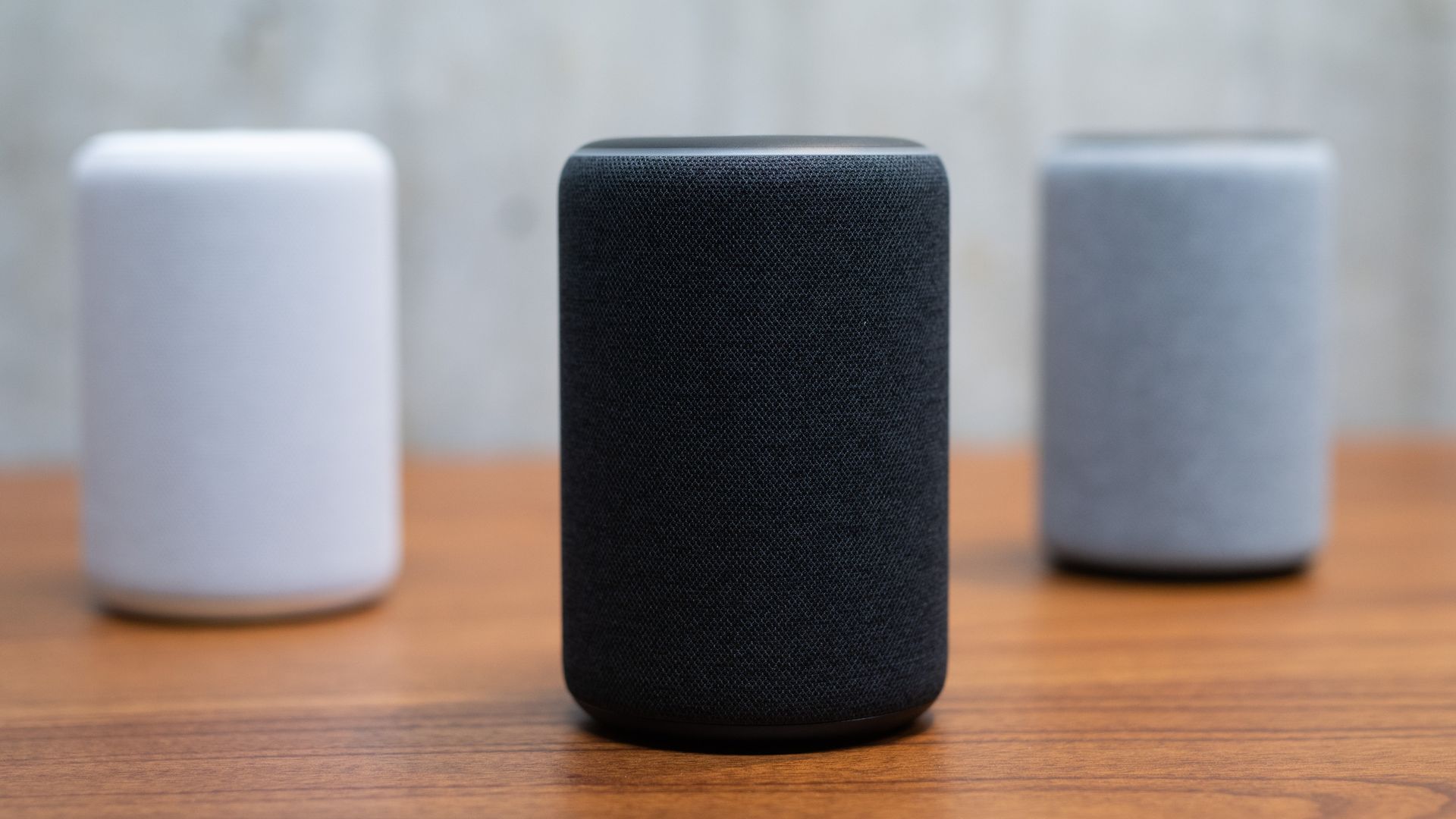
Amazon's Alexa has now added some new functionalities that comply with HIPAA, the health care privacy law.
Why it matters: These applications themselves aren't particularly earth-shattering, but each new step Amazon takes into the health care system is worth paying attention to, given the company's very clear desire to break into health, and particularly the pharmacy supply chain.
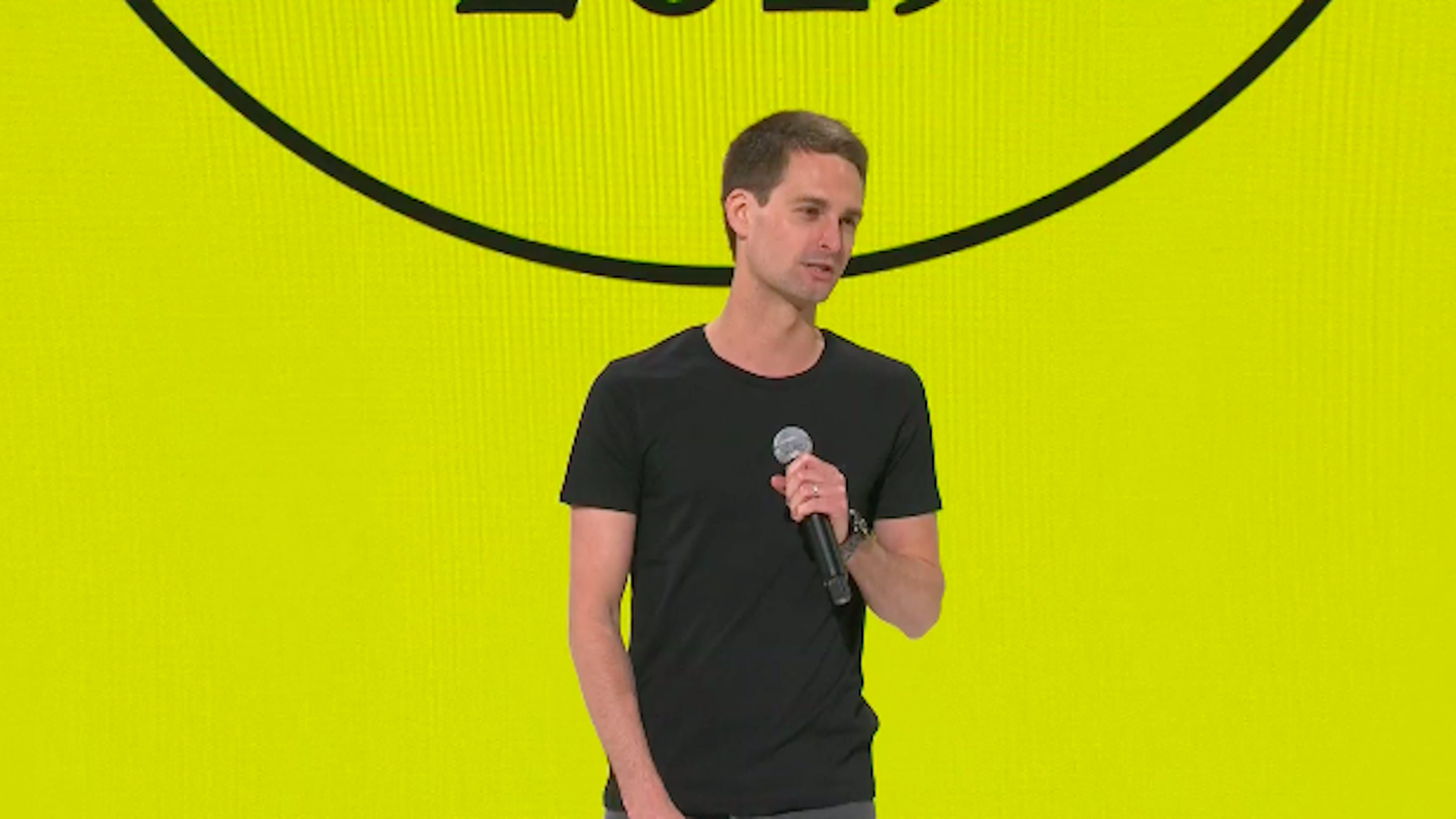
A slew of new updates, features and projects unveiled by Snap Inc. Thursday capture the Santa Monica-based "camera company" in mid-evolution, from a chat platform to a broker of value-added services modeled on China's tech giants.
Why it matters: Snap has faced investor skepticism that its media model of youth-oriented ephemeral photo and video sharing can support an ad business on the scale of Google's or Facebook's. The announcements at the first-ever Snapchat Partner Summit show that Snap intends both to keep growing its ad revenue while building revenue-generating services that users can access across apps and activities to increase engagement with Snap's products.
Economists expect the government to report yet another surge in new jobs and pay this morning — the 118th straight month of employment growth, and terrific news after decades of flat wages.
Why it matters: The exhilaration masksa stark, second reality, which is that some economists also are calling for the government to urgently prepare the labor force for a future wave of automation that seems likely to destroy jobs and roil communities across the country.


/2019/04/06/1554560105587.gif?w=3840)

/2019/04/05/1554491572251.gif?w=3840)