Google has pulled the plug on an outside advisory group that was to have helped guide AI work following a series of controversies, the company confirmed on Thursday
Why it matters: Google, like Microsoft, had been looking for outside input to guide its AI efforts. However, Google's panel drew almost immediate outcry for, among other things, including the president of the Heritage Foundation.
At the start of the first chapter of a thick new academic tome about lithium-ion batteries, where information about the author would usually go, five words hint that something's different: "This book was machine-generated."
Why it matters: AI is helping to speed up science, unlock impossible problems and dig researchers out from under information overload. Automatic summarization is a big remaining challenge that, if solved, would accelerate discovery by focusing researchers on the most pressing problems in their fields.
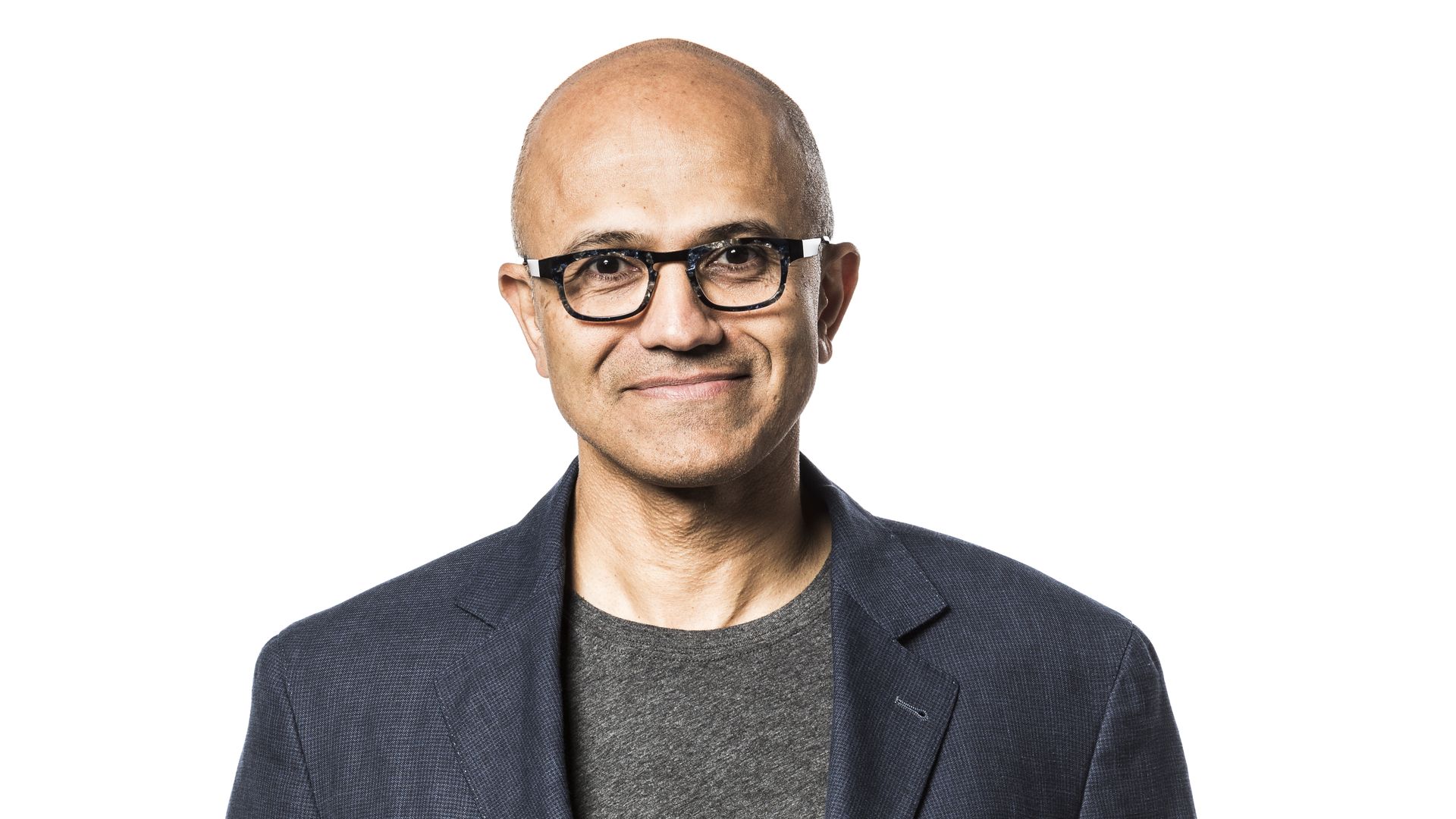
Microsoft CEO Satya Nadella and other top executives expressed their dismay at reports of sexual harassment contained in an internal email chain that spread through the company.
Why it matters: Microsoft and other tech companies continue to struggle with histories in which female employees quietly endured harassment that was seen as a necessary part of trying to make it in the male-dominated industry.
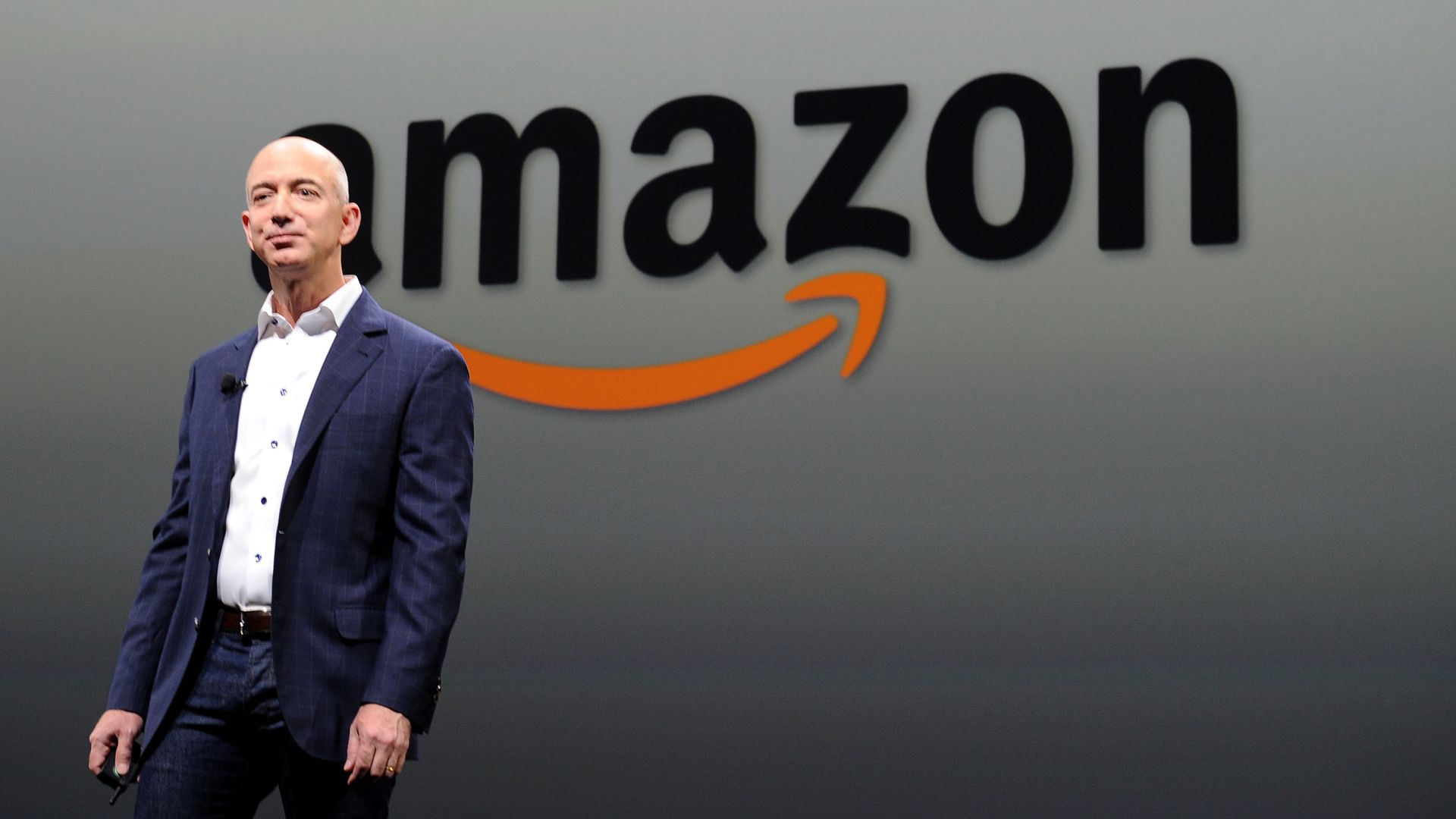
MacKenzie and Jeff Bezos both took to Twitter to amiably announce they've officially divorced, and MacKenzie used her first tweet to share some details of the settlement.
Details: MacKenize is forfeiting all of her shares of the Washington Post and Blue Origin, as well as 75% of her Amazon stock that Jeff will have voting control over. Essentially, MacKenzie will own 4% of the Amazon empire, per the terms.
Democratic senators involved in a key bipartisan working group left a Wednesday evening meeting with little to say about whether they were making progress on a national privacy bill Republicans hope will preempt state measures.
Why it matters: There is a unique convergence of forces behind privacy regulation. If the U.S. is ever going to pass a federal privacy law, the time might be now — and that's brought a wide array of stakeholders out of the woodwork to give advice.
Amazon has begun the process of squaring its self-described "big, audacious space project" with the FCC, according to public filings reported by GeekWire.
Details: Project Kuiper's firstpublicfilings indicate the company plans to put 3,236 satellites in low Earth orbit in order to "provide low-latency, high-speed broadband connectivity to unserved and underserved communities around the world," according to an Amazon statement emailed to GeekWire. The satellites would provide data coverage for 95% of the land in which the world lives. Amazon has not yet given a timeline for Project Kuiper's launch or the initial cost projections.
Amid a backdrop of employee activism, Google has released its annual diversity report. The report shows small improvements in both overall numbers as well as in attrition among certain underrepresented groups.
The tale of the latest Facebook data spill, announced Wednesday by security outfit Upguard, has a unique new twist: No one is shouldering responsibility for the half a billion user records that were exposed on a public server.
Driving the news: The story broke yesterday when Upguard reported it had found two troves of Facebook user data sitting on publicly accessible Amazon Web Services S3 "buckets" — cloud storage containers used mostly by backend programmers.
A Michigan State University academic has put together data that makes the climate change case for shifting freight movement from heavy trucks and planes to rail.
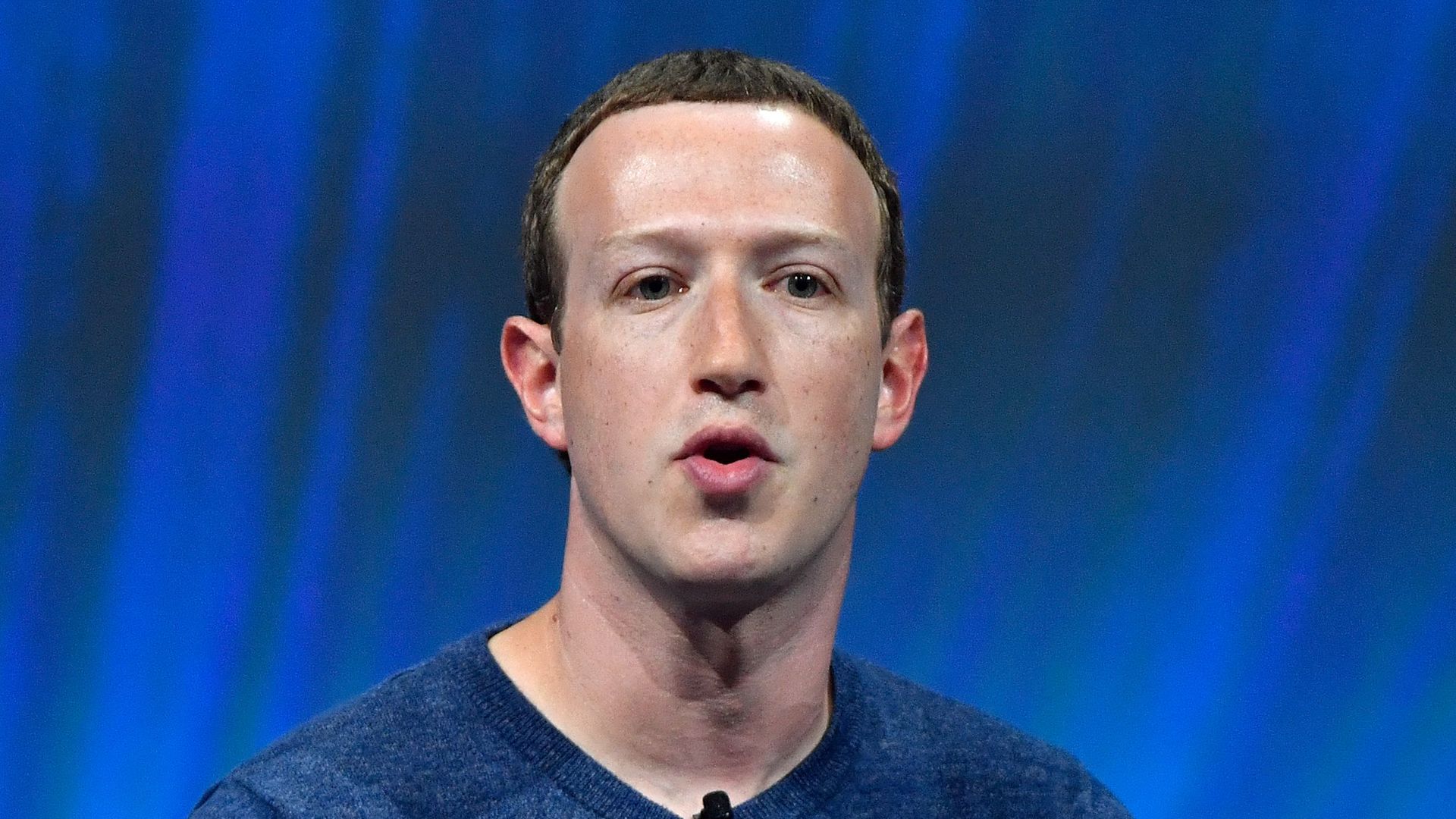
Driving the news: In the interview, Zuckerberg called for more government regulation as the company works on "major social issues," such as "policing harmful content to protecting the integrity of elections to making sure that data privacy controls are strong." He made similar statements in a recent op-ed in the Washington Post.
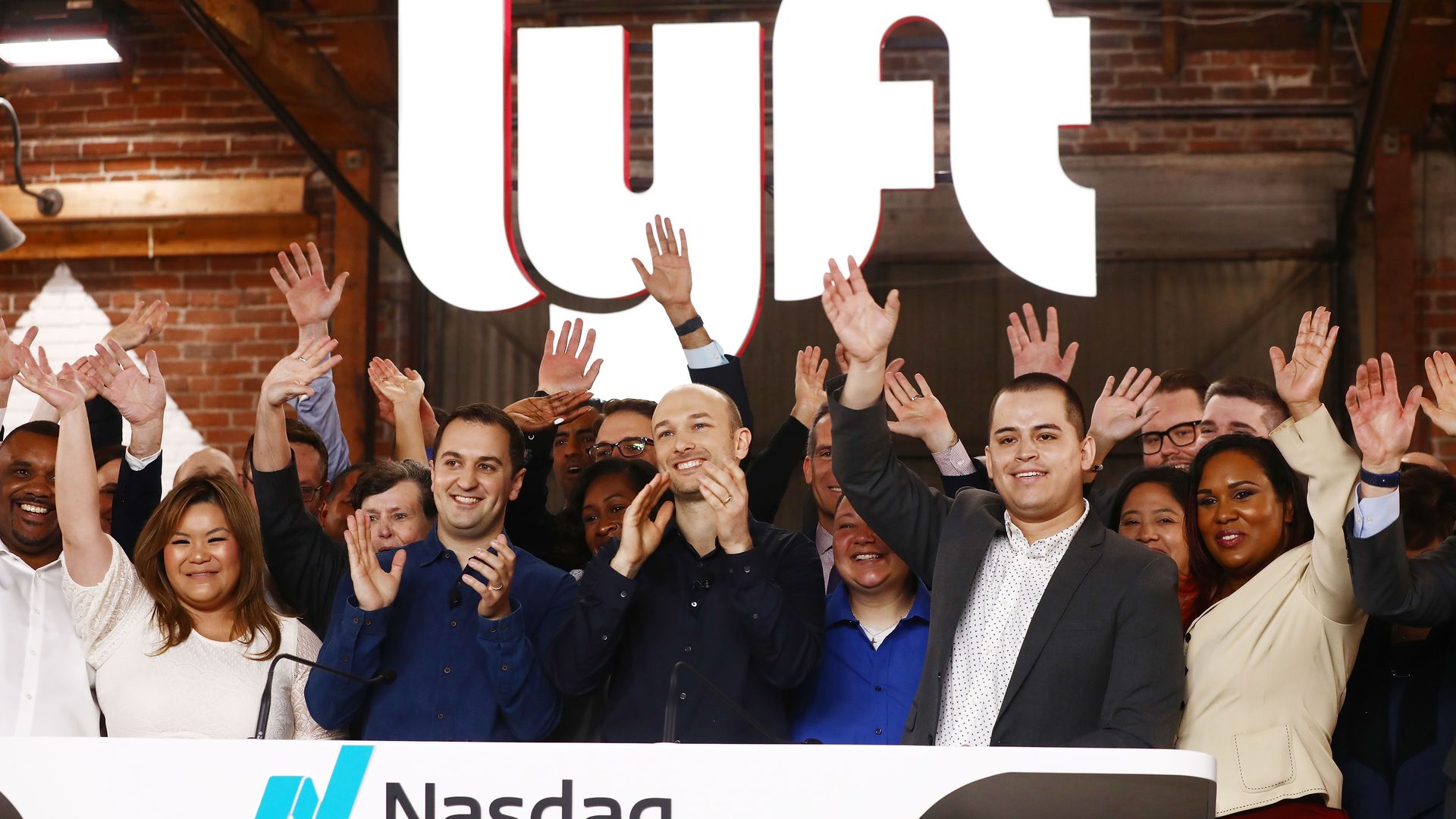
Investor blowback against Lyft has been fast and furious since the stock debuted last week.
Driving the news: Seaport Global analysts Michael Ward seared the company with a scathing "sell" recommendation on its third day of trading, notching a $42 target — $26 a share lower than its price at the time.
Social media executives could face imprisonment or billions of dollars in fines for broadcasting violent content in Australia under new legislation passed Thursday in response to live footage broadcast of New Zealand's mosque attacks.
Details: The Sharing of Abhorrent Violent Material bill passed with 2 days of parliament left ahead of a federal election. The streaming of violent acts, including murder and rape, must be removed from platforms within a "reasonable time" or penalties apply. Facebook said it removed 1.5 million videos of the March 15 Christchurch attacks in 24 hours.