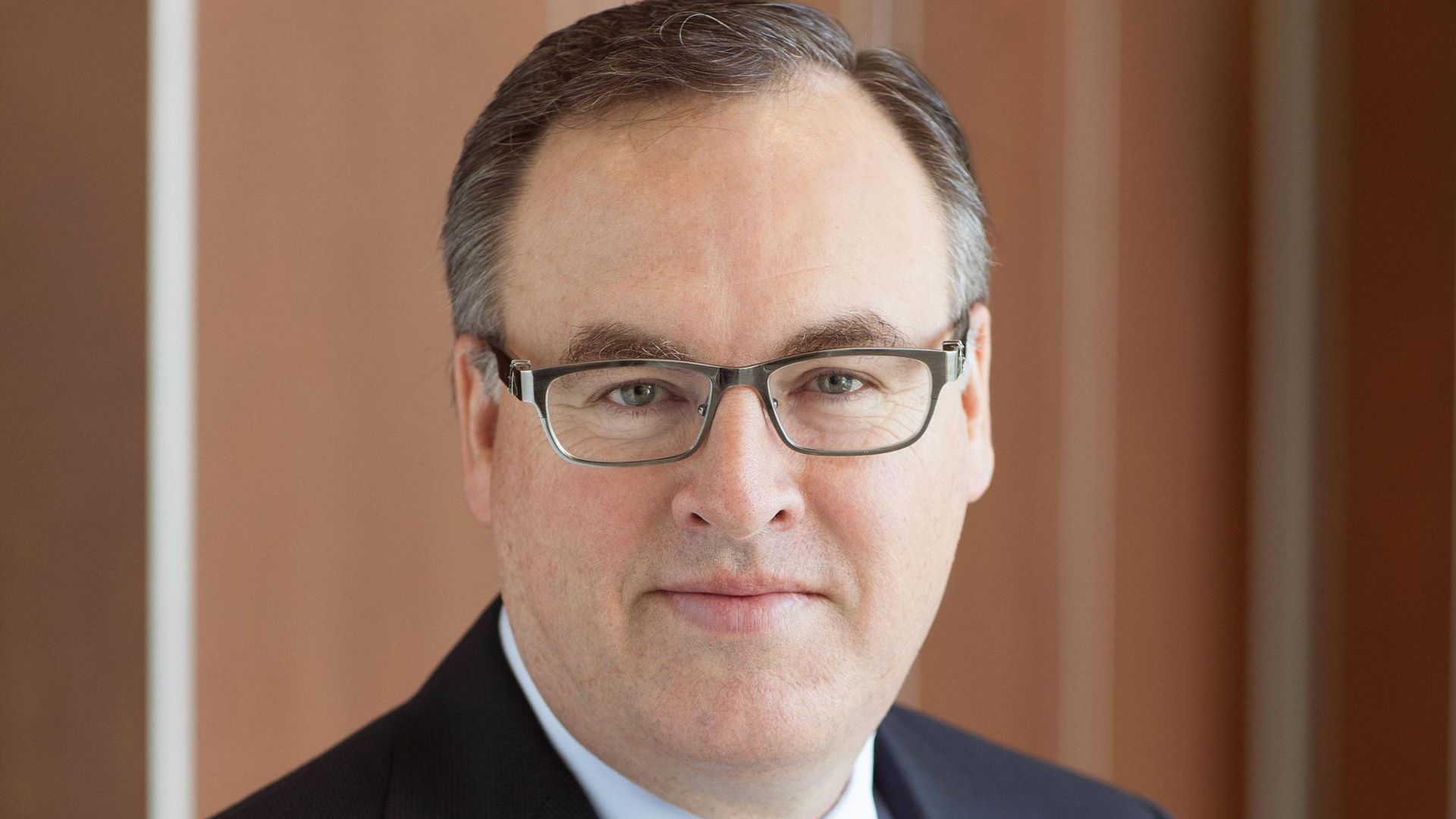
Qualcomm CFO George Davis is leaving the company today and headed to rival chipmaker, Intel, where he will also serve in the role of CFO. Qualcomm treasurer David Wise will serve as that company's interim CFO.
Why it matters: Intel promoted former CFO Bob Swan to CEO, leaving the company in need of a new financial chief.
More than 1,000 Google employees are calling for Google to rescind its decision to include Heritage Foundation president Kay Coles James on a key AI advisory panel, pointing to her history of anti-gay, anti-transgender and anti-immigrant comments.
What they're saying: "Her record speaks for itself — over, and over, and over again," the Google employees said in a petition. "Google cannot claim to support trans people and its trans employees — a population that faces real and material threats — and simultaneously appoint someone committed to trans erasure to a key AI advisory position."
A lawsuit filed against Salesforce by 50 victims of sex trafficking pushes responsibility for bad acts that happen via a web platform deeper into the internet economy than ever before.
Why it matters: The boundary for this kind of culpability has long vexed policymakers around the world, and businesses are eager for more clarity. If this suit succeeds, it could raise the specter of liability beyond the platforms themselves to many other companies that serve them.
Lyft shares traded below their $72 IPO price for most of Monday, closing their second day of trading at $69.01 per share.
Why it matters: It's unusual for such a large and well-publicized offering to cool so quickly, particularly without an intervening news event or material disclosure.
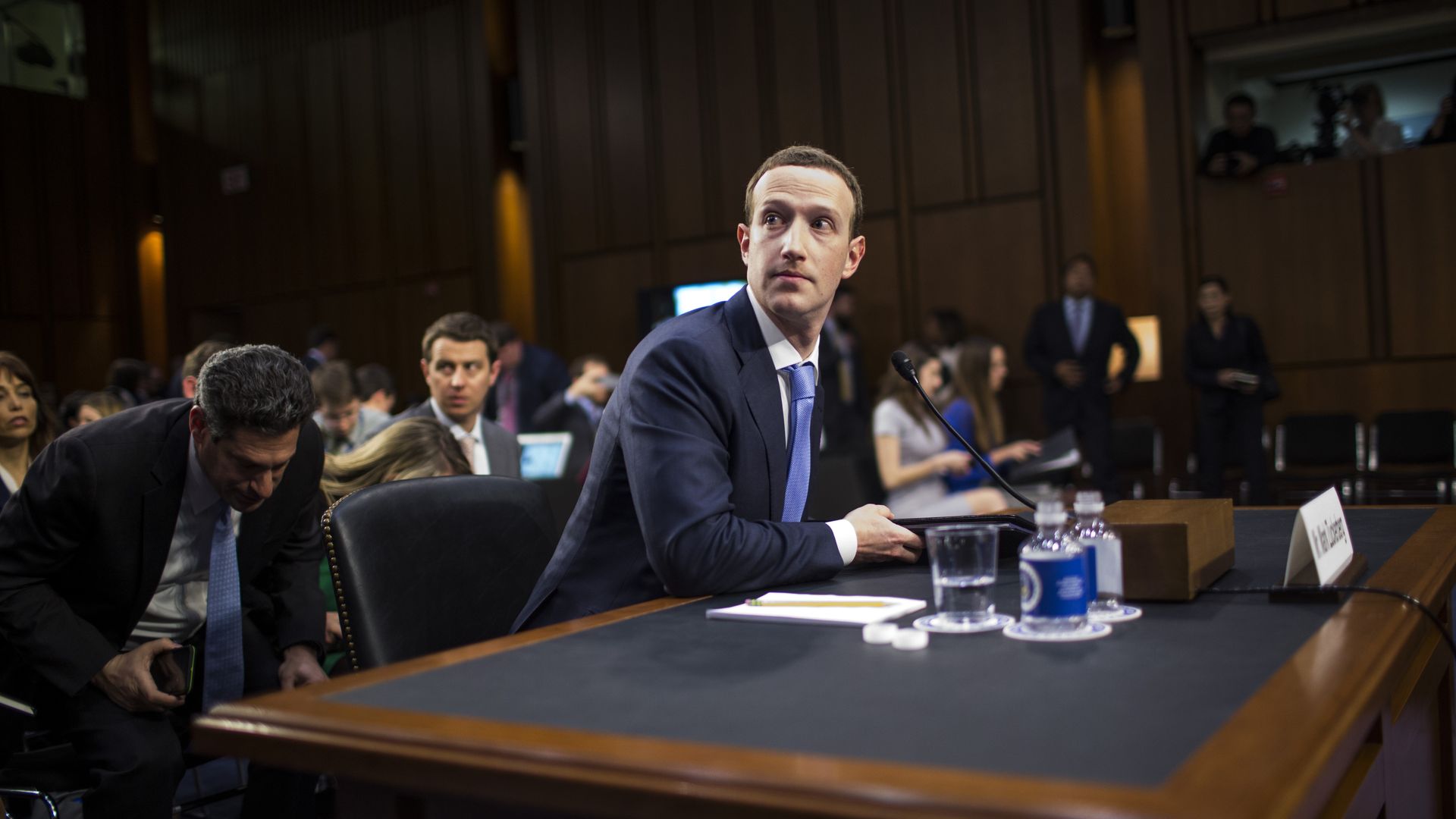
Dan and Axios' Kim Hart dig into why Mark Zuckerberg is calling for new regulations on big tech, if anyone will listen, and how it plays with calls to break up the company.
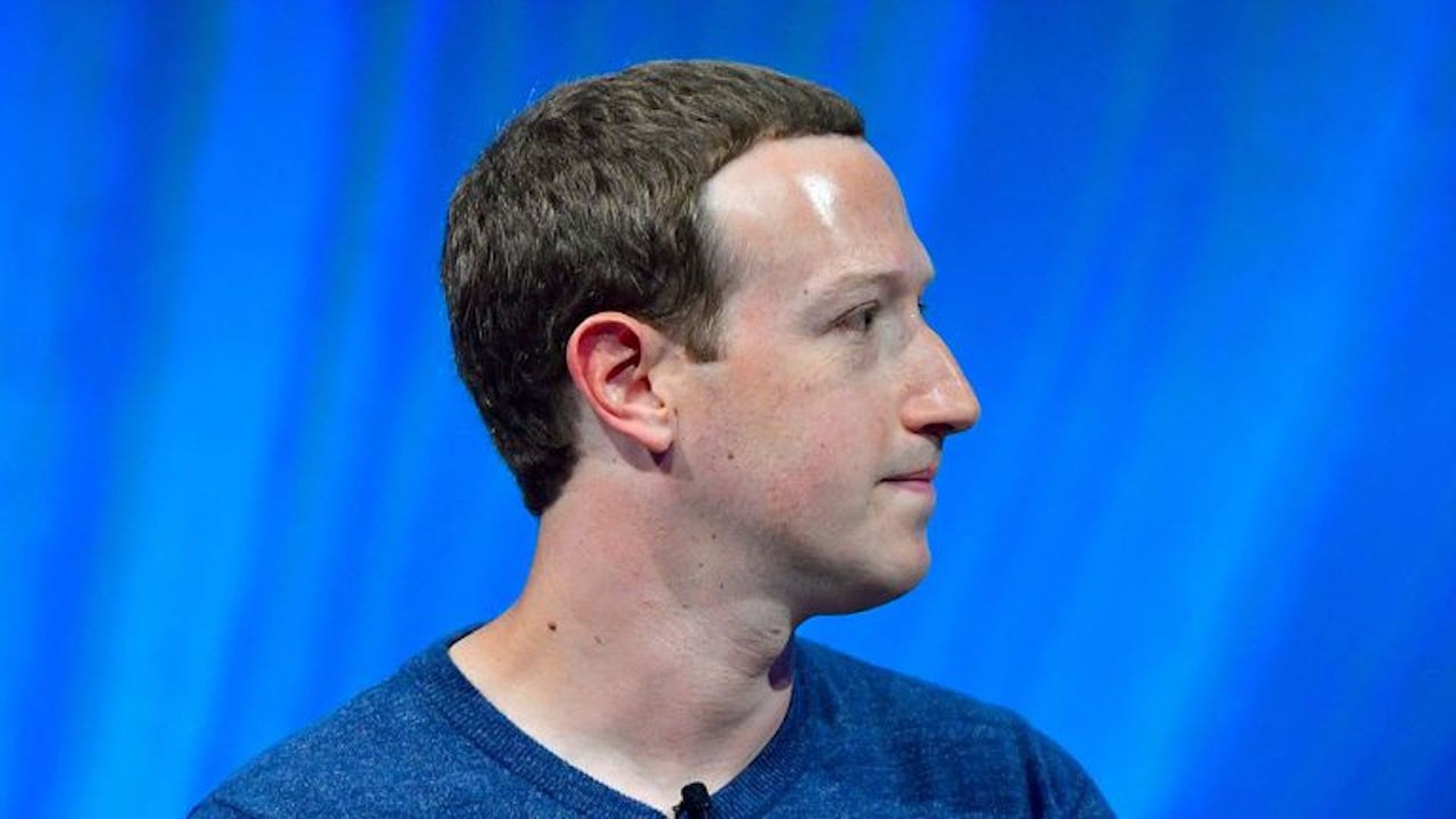
Facebook CEO Mark Zuckerberg says the tech giant may actually begin paying news publishers to distribute their content, and it may do so in a new, dedicated tab for quality news on its site and app.
Why it matters: Until now, Facebook hasn't paid publishers to distribute their content, but rather has given them the platform to reach millions of people and make advertising dollars off of those eyeballs. The economics of that deal haven't panned out for publishers, causing a trust fallout between the news community and Facebook.
Gmail launched April 1, 2004 — but the service was clearly no joke. For its 15th birthday, Google is adding a bunch of new features.
Why it matters: Gmail has become a force not just in consumer webmail, but also powering email for businesses large and small. Both Yahoo and Microsoft can tell you what happens if you stop being the coolest email kid on the block.
Facebook CEO Mark Zuckerberg is trying to get ahead of global efforts to regulate the platform by proposing his own rules, while a top policy exec dismisses calls to break the company up.
Why it matters: Zuckerberg will likely be making the rounds in Washington to talk to lawmakers about the ideas he proposed in a Saturday op-ed, top policy exec Kevin Martin told Axios in an interview. Martin said drastic regulatory actions, such as splitting Facebook apart, won't solve issues around privacy and the spread of harmful content.
Consumers consistently say they want more privacy, but they don't do much about it.
Why it matters: That's the contradiction buried within the privacy debate. Survey after survey suggest that consumers care about preserving whatever privacy they have left — but few actually take steps to share less or delete the troves of data being collected about them online.
Saudi Arabia took data from Jeff Bezos’ phone after coverage in his newspaper, The Washington Post, on the killing of its columnist Jamal Khashoggi, the billionaire's security consultant alleged in a Daily Beast article Saturday.
[I]t’s clear that MBS considers The Washington Post to be a major enemy.
— Gavin De Becker's allegation against Saudi Crown Prince Mohammed bin Salman