Who are you? And can you prove that, in today's digital world? Identity is the biggest problem, and opportunity, facing just about every online service out there. The result is that for-profit corporations are increasingly making inroads into areas where governments can't or won't tread.
Driving the news: Apple, this week, announced a slew of new services at a star-studded California event. Its shiny new AirPods and iPads and iMacs, by contrast, were revealed with almost no fanfare at all. One big difference: While gadgets are hardware that can be bought anonymously and given to anybody, services are inextricably tied, from the day they're bought, to a single identity.
Clive Thompson is out with a new book, "Coders," excerpted in Wired. In it, he talks about engineers' aesthetic of efficiency — how "coders’ eyes blaze when they talk about making something run faster," and how they dream of doing such things at previously unimaginable scale.
The other side: Silicon Valley coders might love to make processes leanly efficient, but the irony is that Silicon Valley's billions come from inefficiencies.
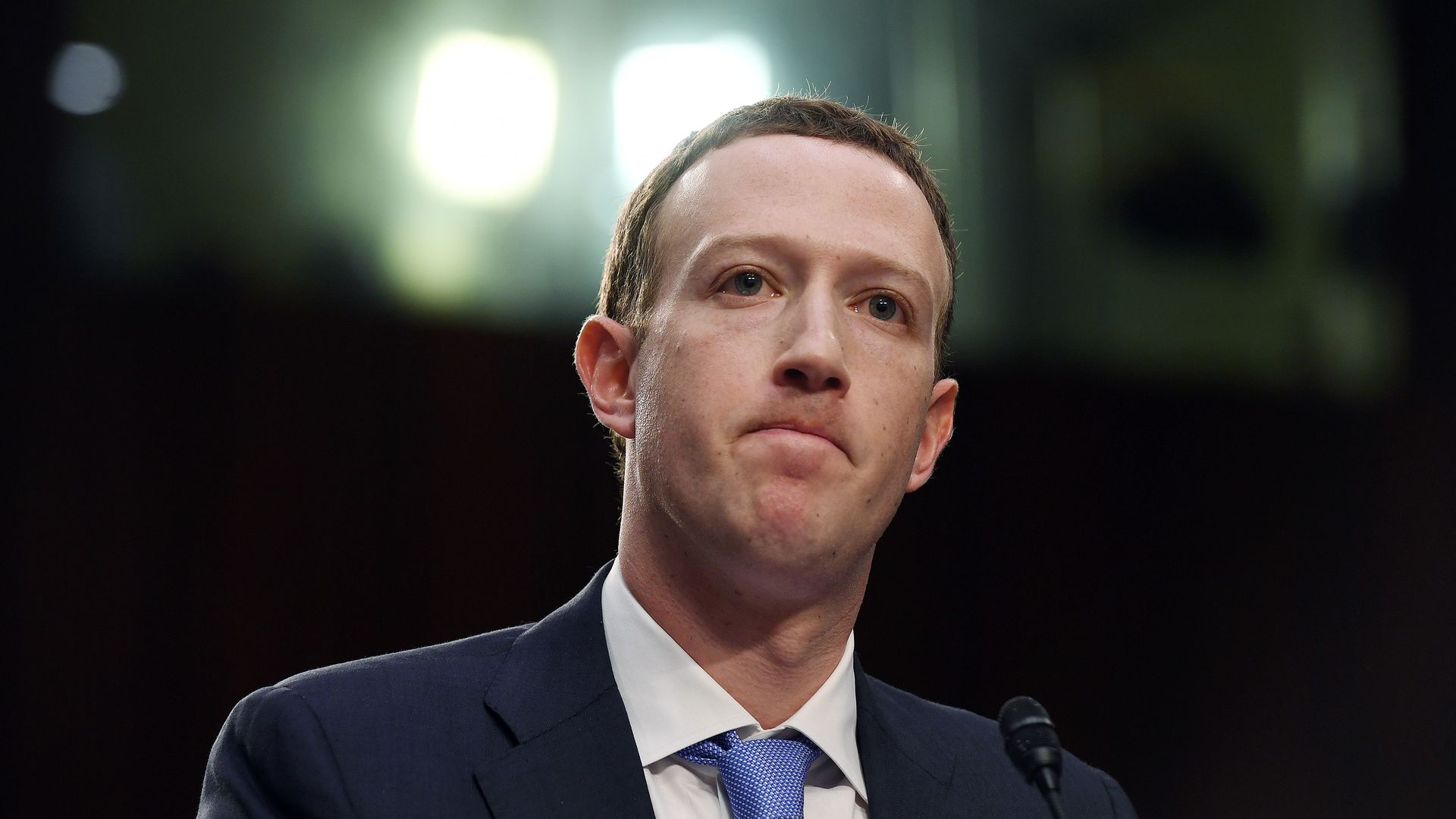
Facebook CEO Mark Zuckerberg said Saturday that entities outside of Facebook should set the standards for the “distribution of harmful content” online and hold platforms like his accountable.
Why it matters: With these comments, along with other specific recommendations for regulation in the Washington Post op-ed, Zuckerberg is trying to shape the terms of the multi-front debate over its collection of user data and massive influence over information.