Researchers at Florida State University and Stanford are developing an "online polygraph" that detects lies in text — without the contextual clues that can hint at deception in a face-to-face conversation.
Details: In experiments, the researchers found that liars used more florid prose and often expressed certainty, while truth-tellers responded more slowly and with words like "perhaps," "guess" and "could." They designed a machine learning system that can pick up on these subtle cues to correctly separate out liars from truth-tellers about three-quarters of the time. The results were published in the journal Computers in Human Behavior.
Nobody wants to ride in a dirty, smelly car — especially a shared robotaxi where there is no human driver to clean it up. Luckily, autonomous vehicles might be outfitted with olfaction sensors to help sniff out problems quickly.
What's happening: Denso, one of the world's largest auto suppliers, is teaming up with France's Aryballe Technologies, which develops bio-inspired "digital nose" sensors for multiple industries, as founding members of a new Digital Olfaction Automotive Consortium.
Drivers are encountering more automation in their cars, but experts say they need more training to better understand and safely use the technologies.
The big picture: Assisted driving features are turning cars into next-generation automated machines — the first ones that many people will be exposed to. How humans and machines learn to interact when driving could indicate how people might work with robots in the future.
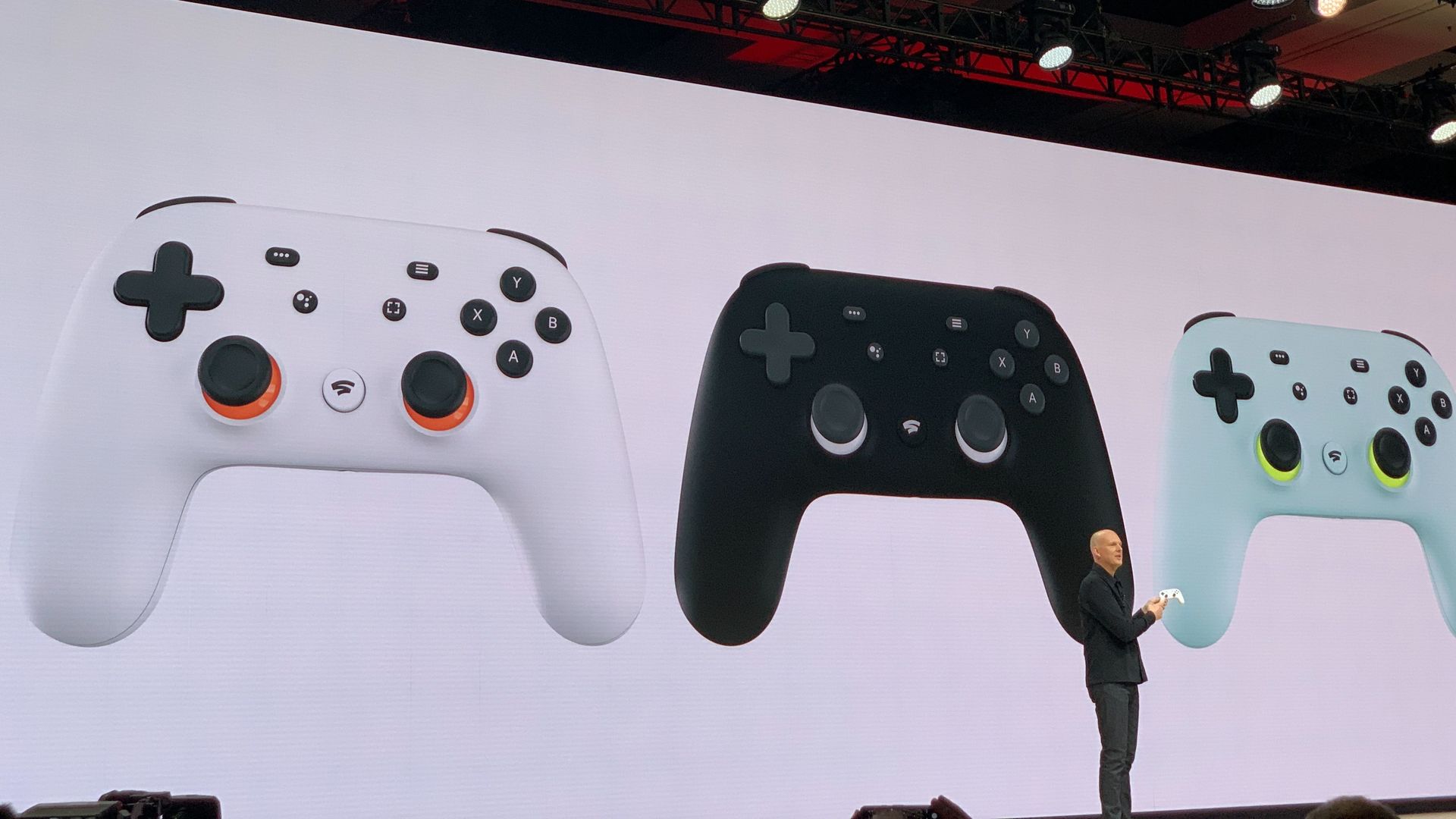
If you aren’t a gamer it's easy to miss why Google’s new Stadia streaming game service is such a big deal.
Why it matters: For gamers, Stadia offers the potential to make several long-held dreams a reality, but Stadia's innovations are about more than just the future of gaming. If Google can stream the most demanding applications to a TV with a Chromecast streaming media stick, it really can turn any screen into a powerful computer.
Safety and cybersecurity are generally pursued by separate teams within AV companies — leaving them in silos that exacerbate the significant challenges of each, and ignore the fact that they both fundamentally protect drivers and passengers from harm.
Why it matters: As cars become increasingly complex, modifying one aspect of the technology could create an unexpected vulnerability in another feature, making it crucial to develop safety and cybersecurity as integrated systems.
Cities are adopting tolling and closed-loop shuttle buses to mitigate traffic, to integrate AVs into public transit, and to prepare for the possibility that AVs used in ride-hailing could exacerbate urban congestion.
The big picture: Reducing congestion in densely populated, trafficked metro areas will require distributing people more strategically across transit options and routes.
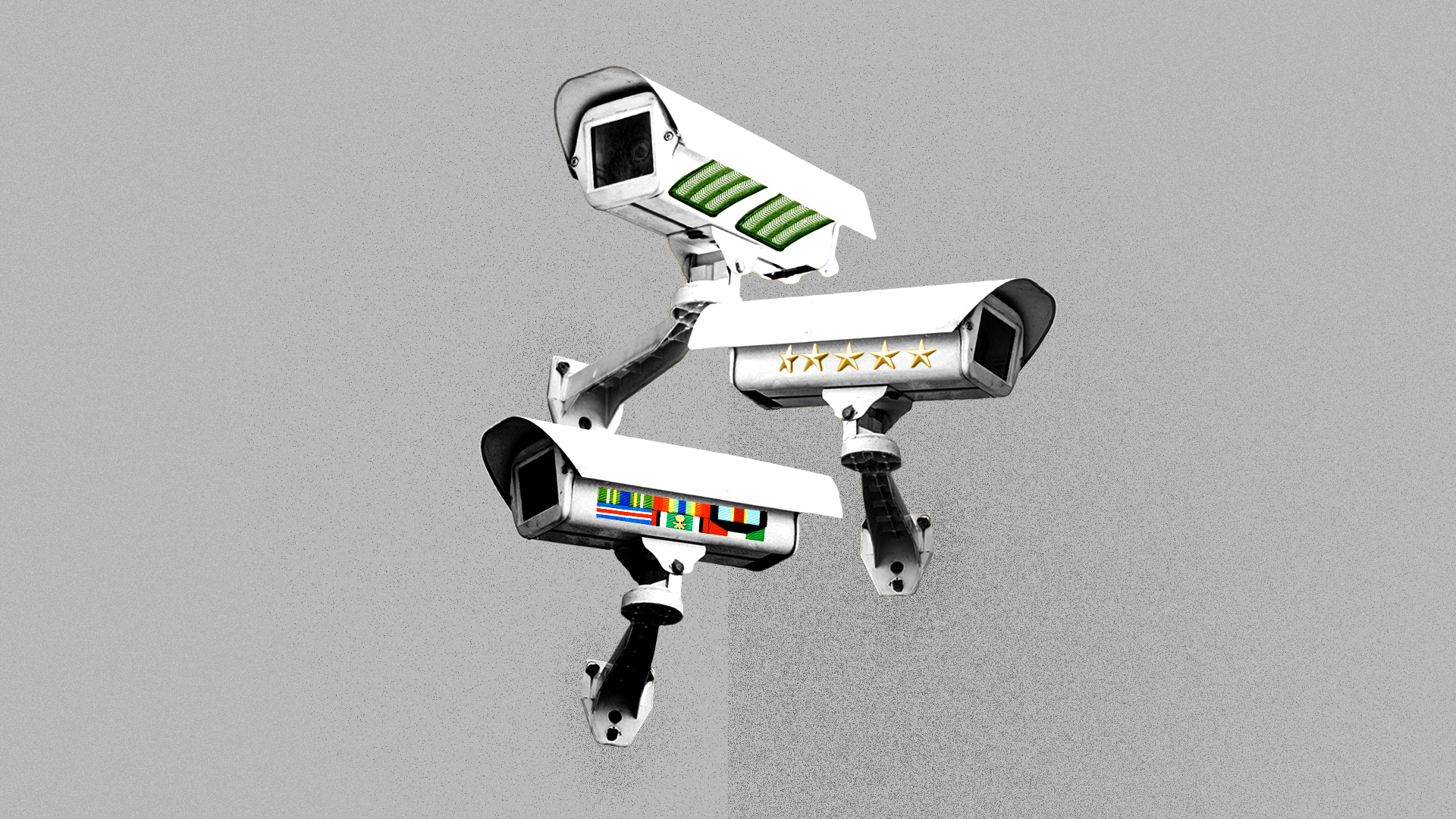
China is criticized for its use of deeply controversial surveillance systems to control untrusted elements of its population. But the U.S., too, is developing such know-how as artificial intelligence fast becomes a leading factor in the race for power in the new world order.
What's happening: Since humans began resorting to war, technology has been decisive in who prevails. Today, as the U.S.-led, post-World War II system of global power unravels, next-generation influence will hinge on mastery of AI-infused technology that, while perhaps having innocent origins, has often been weaponized.
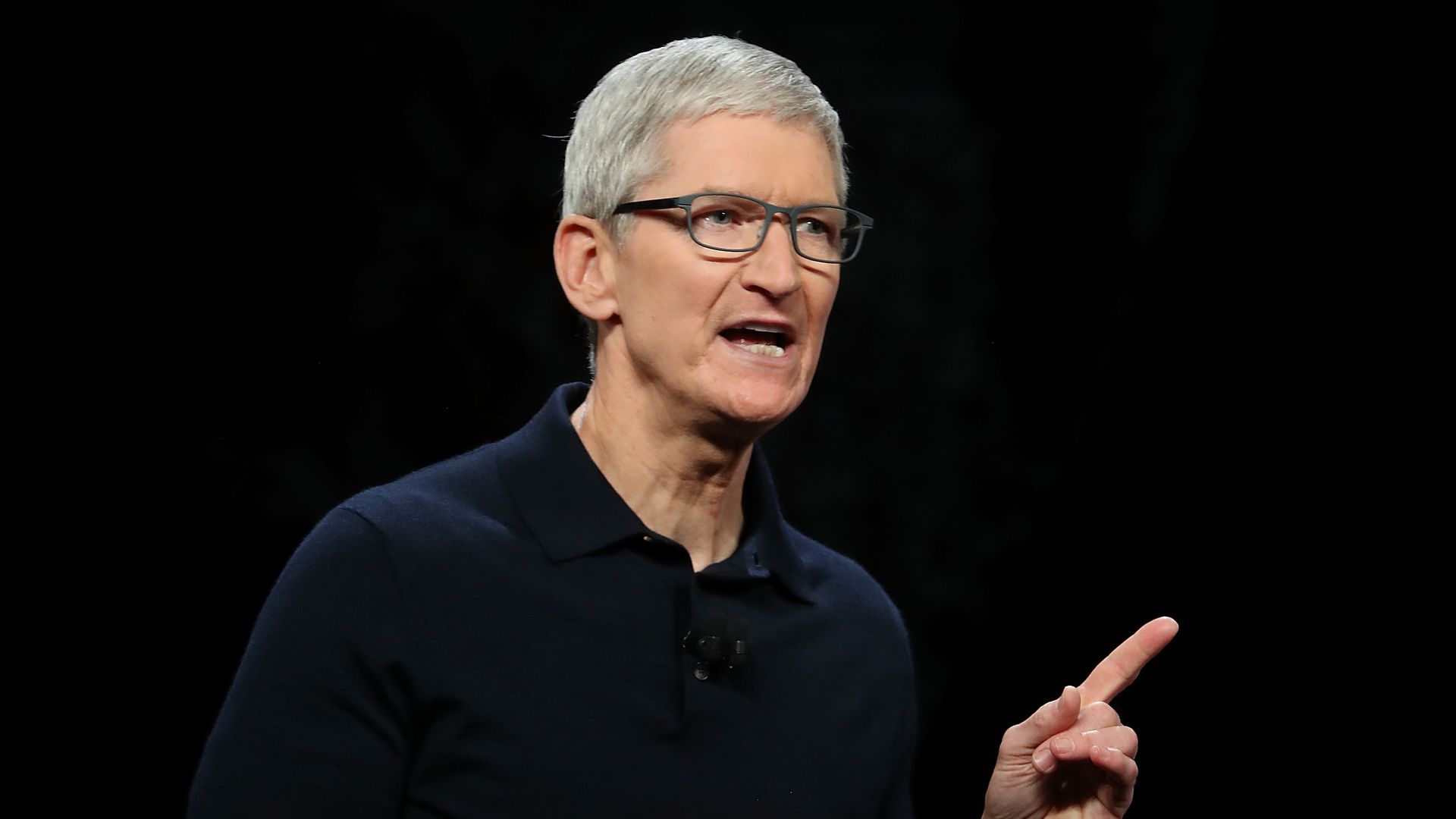
Apple will collaborate with 3 nonprofit organizations around the globe with media literacy programs in an effort to combat fake news and encourage reliable public news consumption, the company announced on Tuesday.
Details: The partnership will advance the organizations' — the News Literacy Project and Common Sense in the U.S. and Osservatorio Permanente Giovani-Editori in Italy — existing programs as they strive to teach young people to be critical consumers of information in the digital age. The partnership comes as Apple is set to unveil a news subscription service starting March 25th.
Instagram announced Tuesday that it is launching an in-app checkout function with big brands like Adidas, H&M, Zara and Kylie Cosmetics that will allow users to buy from those companies' ads without leaving Instagram.
Why it matters: Instagram ads are especially successful at getting users to pay attention to brands because they can utilize something Amazon and other retailers don't have — data on what people think is cool. Now, several massive brands can swiftly turn those targeted ads into purchases.
Google on Tuesday unveiled what it sees as the future of video gaming: A streaming service called Stadia that allows anyone with a Chrome browser and a controller to experience console-quality gaming. It will launch this year, Google said, in the US, Canada and Europe.
Why it matters: Google's general approach — that what used to be a console for playing physical media is headed to the cloud — is widely shared. Microsoft and Amazon are also seen as likely entrants in this space.
The American Civil Liberties Union (ACLU) has reached a historic settlement with Facebook over advertising practices that allegedly discriminated against minorities.
Why it matters: As part of five settlements totaling nearly $5 million, Facebook has agreed to make major changes to its ad platform that will help curb discrimination against certain people when it comes to employment, housing and credit ads.
The online spread of the Christchurch mosque killer's sickening first-person video divided experts, industry insiders and the broader public into two opposite camps: Some saw the debacle as proof that Facebook and YouTube can't police their platforms. Others saw it as evidence that they won't.
Why it matters: How we define the platforms' struggle to block the New Zealand shooter's video will shape how we respond to the problem. Either way, Facebook and YouTube don't come off well.
Snapchat is planning to launch a new slate of Originals — short, made-for-mobile shows — that appear in the Discover section of the Snapchat app, according to sources familiar with the company's plans. The shows will debut at Snap's invite-only Partner Summit on April 4.
Why it matters: Snapchat saw positive results from its first round of Originals, so it's investing more in its own scripted video for mobile.
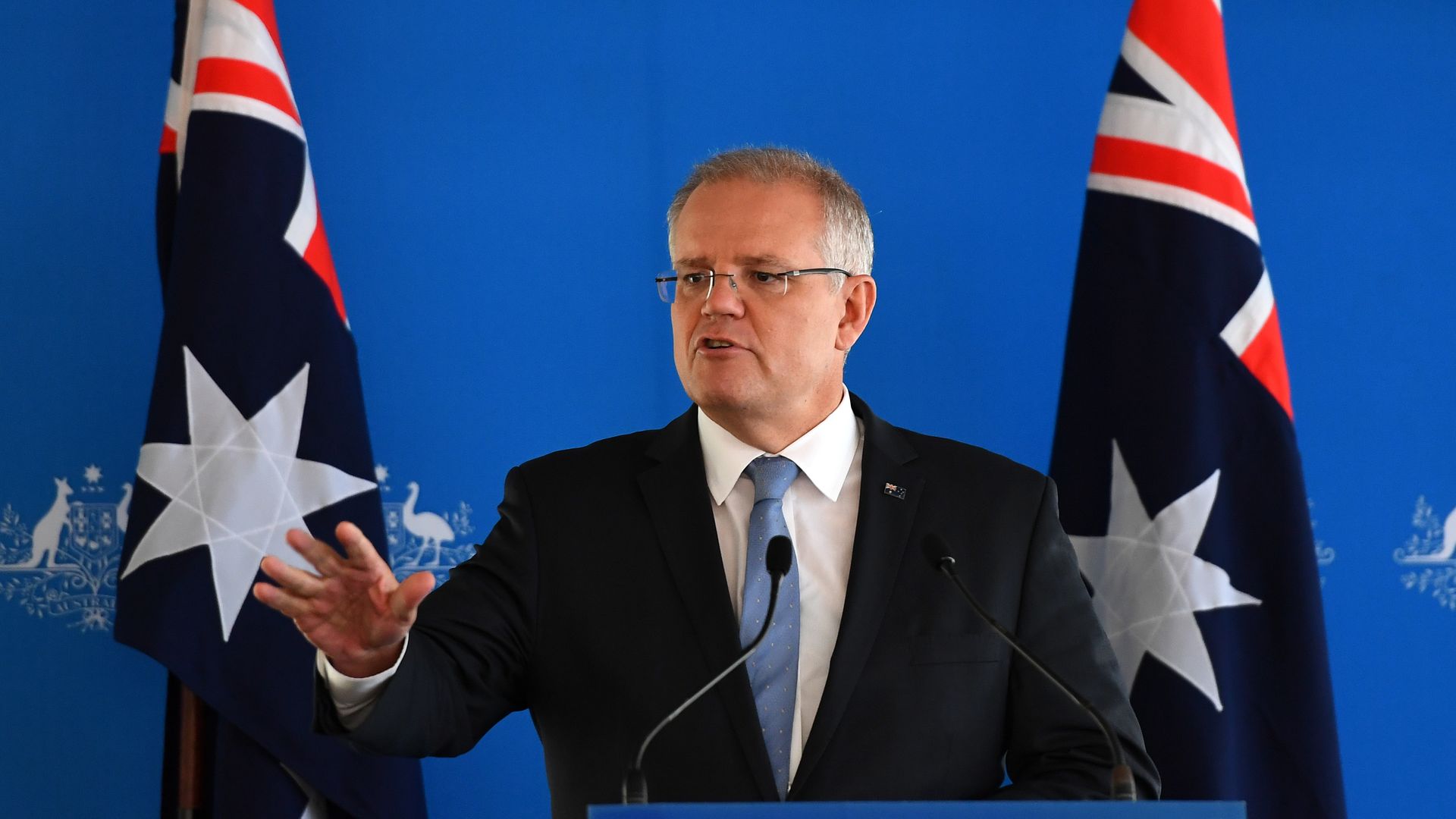
Australia's Prime Minister Scott Morrison on Tuesday called for the G20 to discuss taking measures against social networks at its upcoming meeting, following the live-streaming of the fatal New Zealand mosque attacks.
What he's saying: "It is unacceptable to treat the internet as an ungoverned space," Morrison writes in a letter to Japan's Prime Minister Shinzo Abe, chairman of June's G20 meeting in Osaka. "It is imperative that the global community works together to ensure that technology firms meet their moral obligation to protect the communities which they serve and from which they profit."
The big picture: Friday's attacks on two Christchurch mosques that killed 50 people were live-streamed on Facebook for 17 minutes. Copies of the video were shared quickly and widely on other sites, including YouTube and Twitter.
Between the Lines: Facebook is being widely criticized for failing to block the footage. NZ Prime Minister Jacinda Ardern said Sunday she wants answers from Facebook on how the video was able to be live-streamed. Some New Zealand business have stopped advertising on the social networking site in protest and asked businesses around the world to join the boycott, Newshub reports.
The other side: Facebook said Monday video footage of the New Zealand attacks was viewed fewer than 200 times during the live stream and 4,000 times in total before it was removed. "The first user report on the original video came in 29 minutes after the video started, and 12 minutes after the live broadcast ended," it said. It said earlier moderators removed 1.5 million videos of the attack globally in the first 24 hours, of which 1.2 million were blocked while being uploaded.




















/2019/03/18/1552947663022.gif?w=3840)