Instagram announced Tuesday that it is launching an in-app checkout function with big brands like Adidas, H&M, Zara and Kylie Cosmetics that will allow users to buy from those companies' ads without leaving Instagram.
Why it matters: Instagram ads are especially successful at getting users to pay attention to brands because they can utilize something Amazon and other retailers don't have — data on what people think is cool. Now, several massive brands can swiftly turn those targeted ads into purchases.
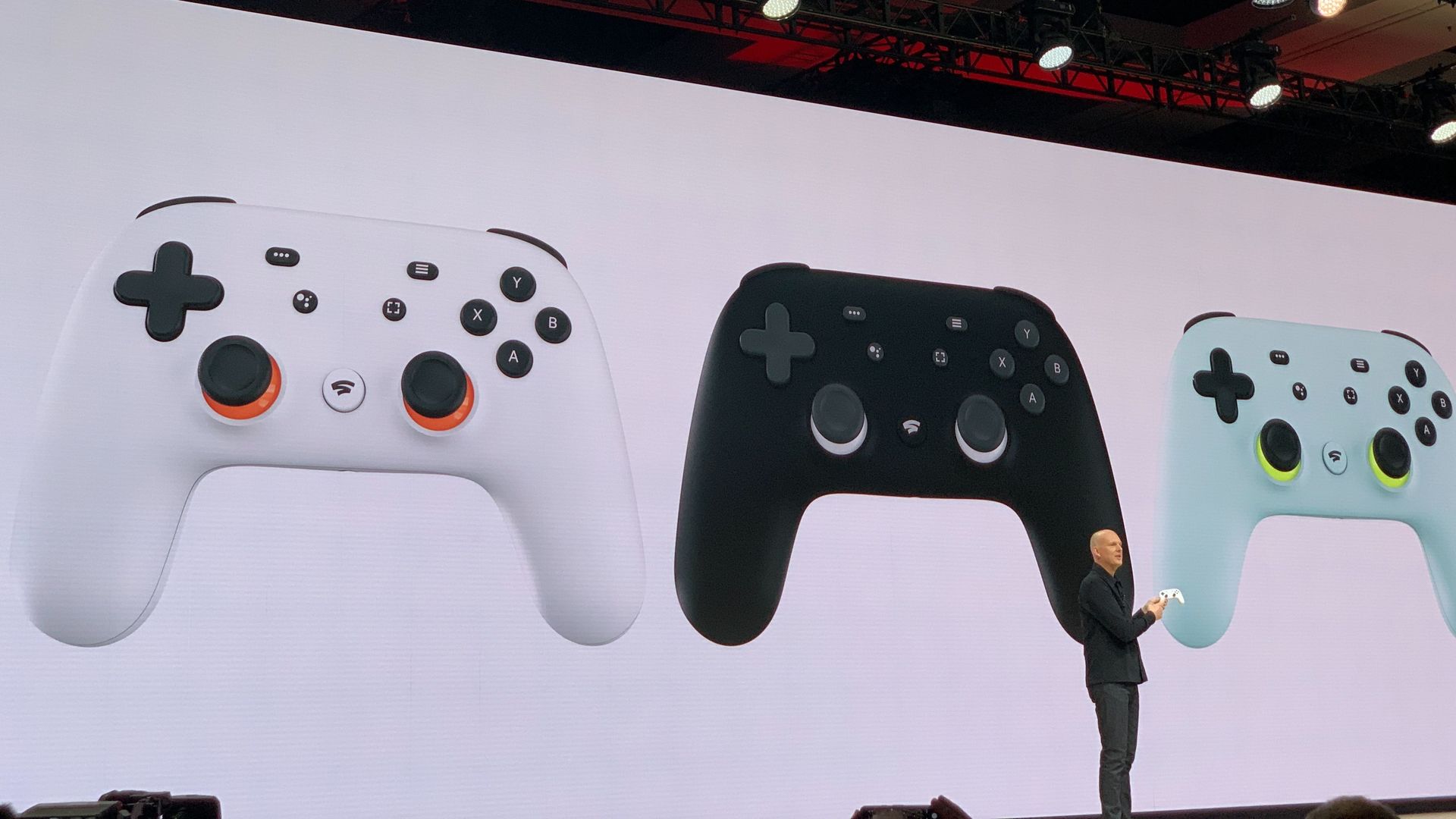
Google on Tuesday unveiled what it sees as the future of video gaming: A streaming service called Stadia that allows anyone with a Chrome browser and a controller to experience console-quality gaming. It will launch this year, Google said, in the US, Canada and Europe.
Why it matters: Google's general approach — that what used to be a console for playing physical media is headed to the cloud — is widely shared. Microsoft and Amazon are also seen as likely entrants in this space.
The American Civil Liberties Union (ACLU) has reached a historic settlement with Facebook over advertising practices that allegedly discriminated against minorities.
Why it matters: As part of five settlements totaling nearly $5 million, Facebook has agreed to make major changes to its ad platform that will help curb discrimination against certain people when it comes to employment, housing and credit ads.
The online spread of the Christchurch mosque killer's sickening first-person video divided experts, industry insiders and the broader public into two opposite camps: Some saw the debacle as proof that Facebook and YouTube can't police their platforms. Others saw it as evidence that they won't.
Why it matters: How we define the platforms' struggle to block the New Zealand shooter's video will shape how we respond to the problem. Either way, Facebook and YouTube don't come off well.
Snapchat is planning to launch a new slate of Originals — short, made-for-mobile shows — that appear in the Discover section of the Snapchat app, according to sources familiar with the company's plans. The shows will debut at Snap's invite-only Partner Summit on April 4.
Why it matters: Snapchat saw positive results from its first round of Originals, so it's investing more in its own scripted video for mobile.
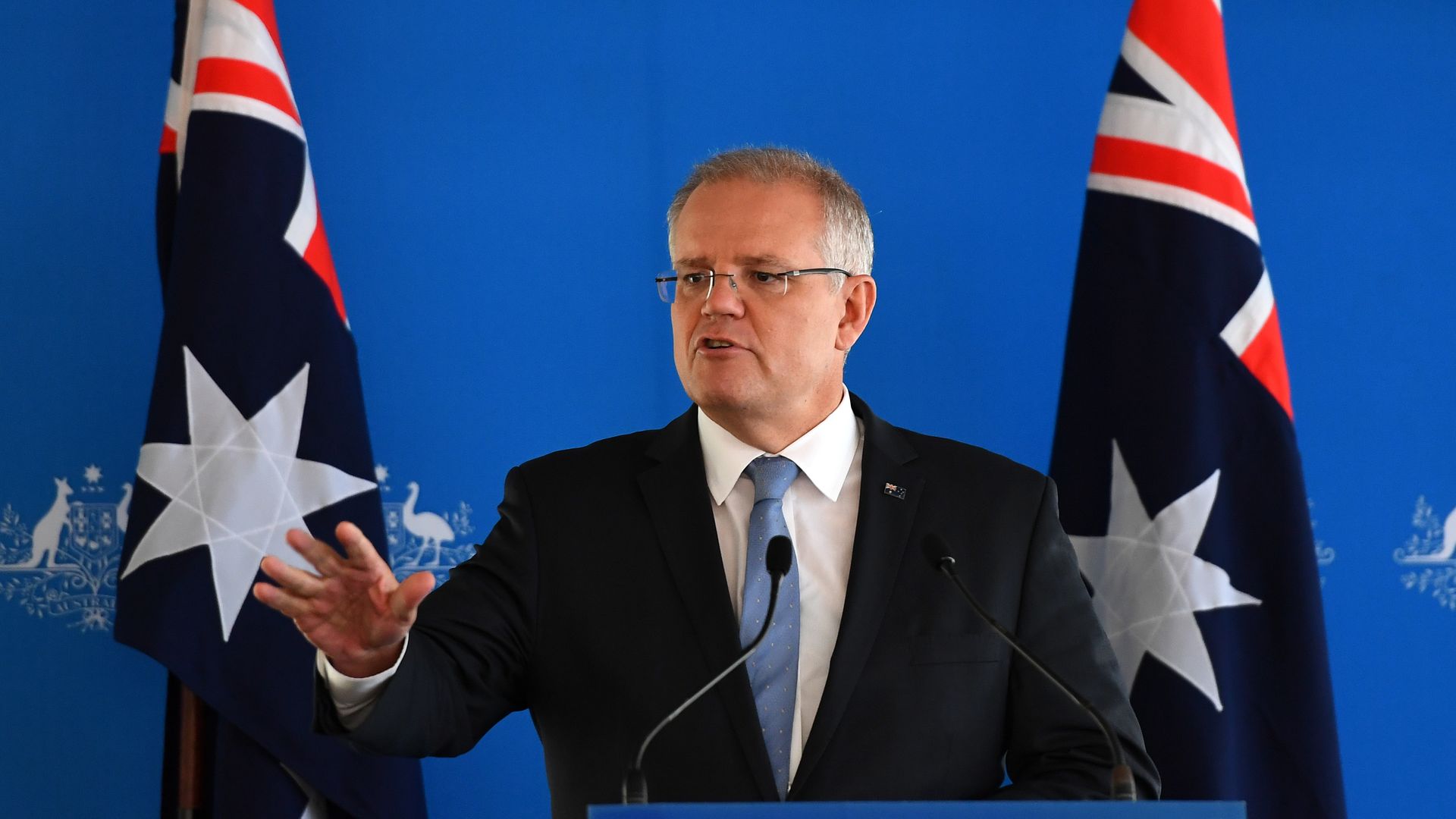
Australia's Prime Minister Scott Morrison on Tuesday called for the G20 to discuss taking measures against social networks at its upcoming meeting, following the live-streaming of the fatal New Zealand mosque attacks.
What he's saying: "It is unacceptable to treat the internet as an ungoverned space," Morrison writes in a letter to Japan's Prime Minister Shinzo Abe, chairman of June's G20 meeting in Osaka. "It is imperative that the global community works together to ensure that technology firms meet their moral obligation to protect the communities which they serve and from which they profit."
The big picture: Friday's attacks on two Christchurch mosques that killed 50 people were live-streamed on Facebook for 17 minutes. Copies of the video were shared quickly and widely on other sites, including YouTube and Twitter.
Between the Lines: Facebook is being widely criticized for failing to block the footage. NZ Prime Minister Jacinda Ardern said Sunday she wants answers from Facebook on how the video was able to be live-streamed. Some New Zealand business have stopped advertising on the social networking site in protest and asked businesses around the world to join the boycott, Newshub reports.
The other side: Facebook said Monday video footage of the New Zealand attacks was viewed fewer than 200 times during the live stream and 4,000 times in total before it was removed. "The first user report on the original video came in 29 minutes after the video started, and 12 minutes after the live broadcast ended," it said. It said earlier moderators removed 1.5 million videos of the attack globally in the first 24 hours, of which 1.2 million were blocked while being uploaded.
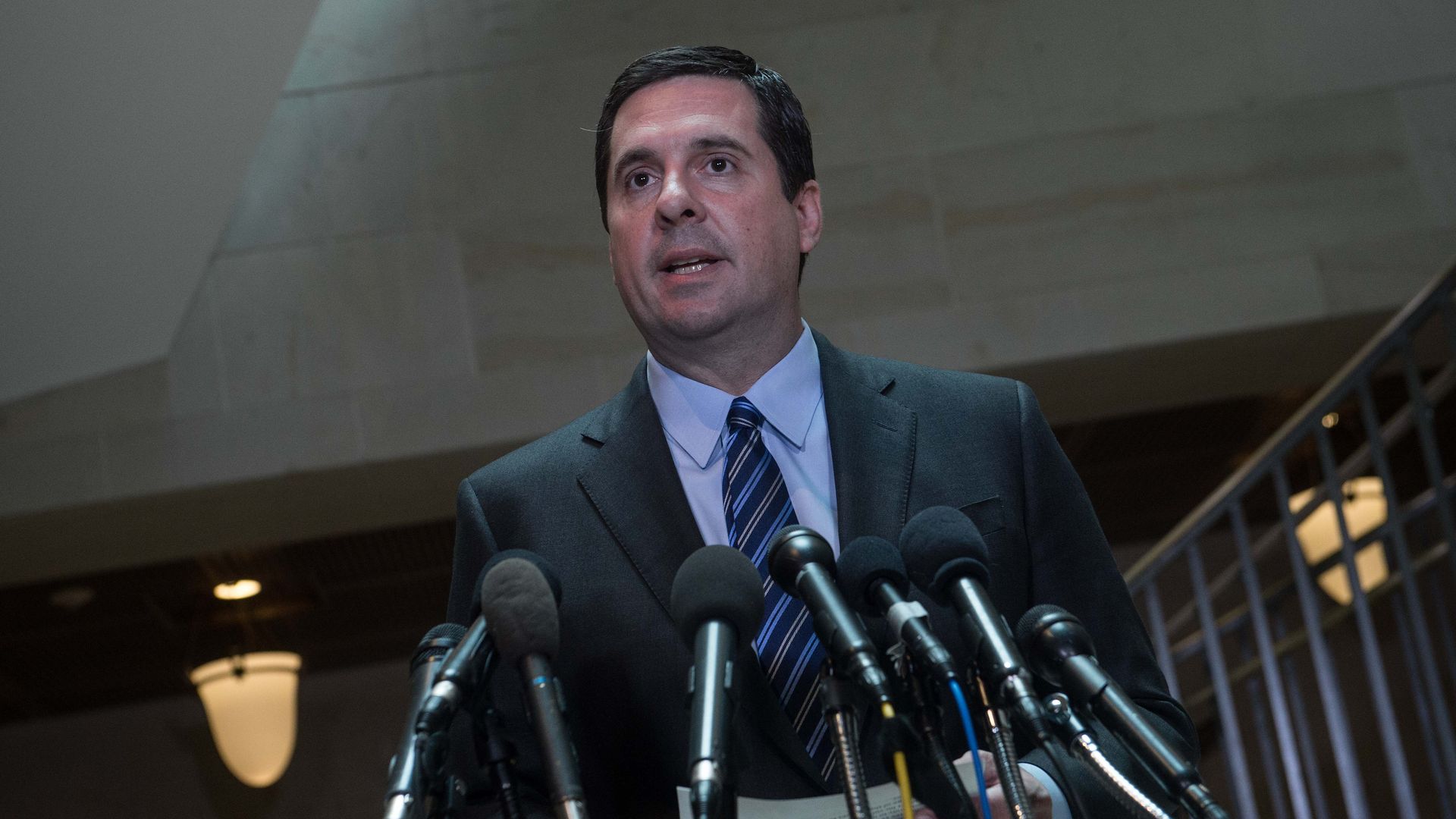
Republican Rep. Devin Nunes filed a lawsuit against Twitter Monday, seeking $250 million in compensatory damages and $350,000 in punitive damages for "shadow-banning” some conservatives users including himself to influence last year’s midterm elections, Fox News reports.
Our thought bubble, perAxios' Sara Fischer: There’s been no substantial proof that the engineers at any of the big tech platforms have systemic bias against one political ideology over another when building algorithms. But Republicans in Congress have alleged that bias exists for some time, including in nationally-televised hearings.
The legal battle between Qualcomm and Apple is far from over. But some of the first key rulings are coming in. So far, it's a mixed bag.
Driving the news: Last week, a judge issued a preliminary ruling that Qualcomm owes Apple $1 billion in royalty payment rebates. However, that ruling is part of a broader case that has yet to go to trial. Furthermore, Apple's contract manufacturers have already been withholding money that covers the amount in dispute.
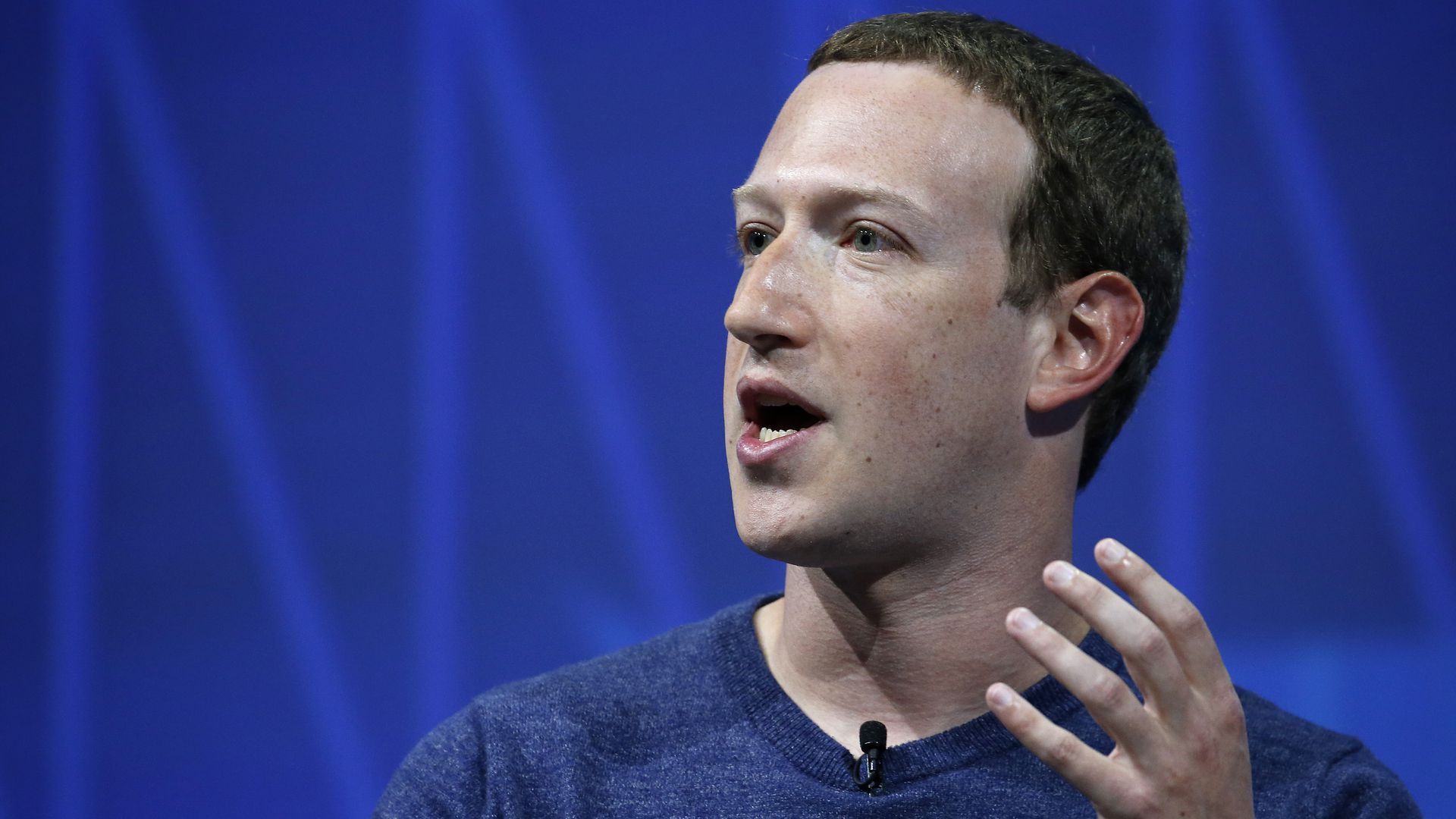
After a brutal week for Facebook that saw executive departures, a massive outage and the disclosure of a criminal investigation, the weekend offered the company little respite.
The state of play: There were new revelations in the long-running Cambridge Analytica saga, as well as fresh concerns in the wake of the New Zealand shooting over the company's role in fomenting and amplifying extremism.
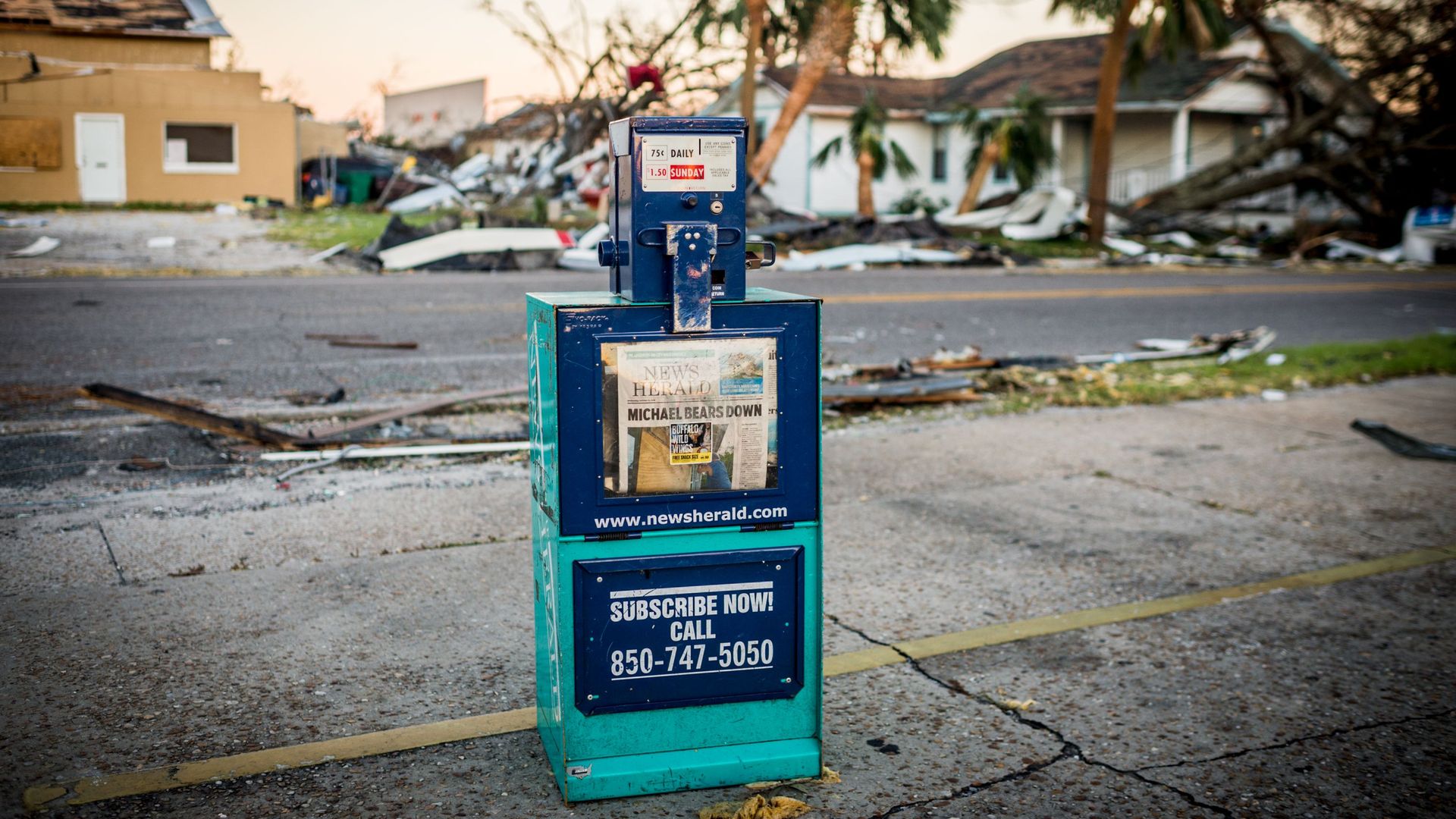
Facebook wants to deliver more local news, but there aren't enough local news outlets across the U.S. to do so, according to research the platform released Monday morning in conjunction with four academic researchers.
Why it matters: Facebook and rival Google have shouldered blame for creating local news deserts by upending the business models of small, local newspapers. Now, the tech giant wants to invest heavily to reverse that trend in order to provide users with the local news they crave.
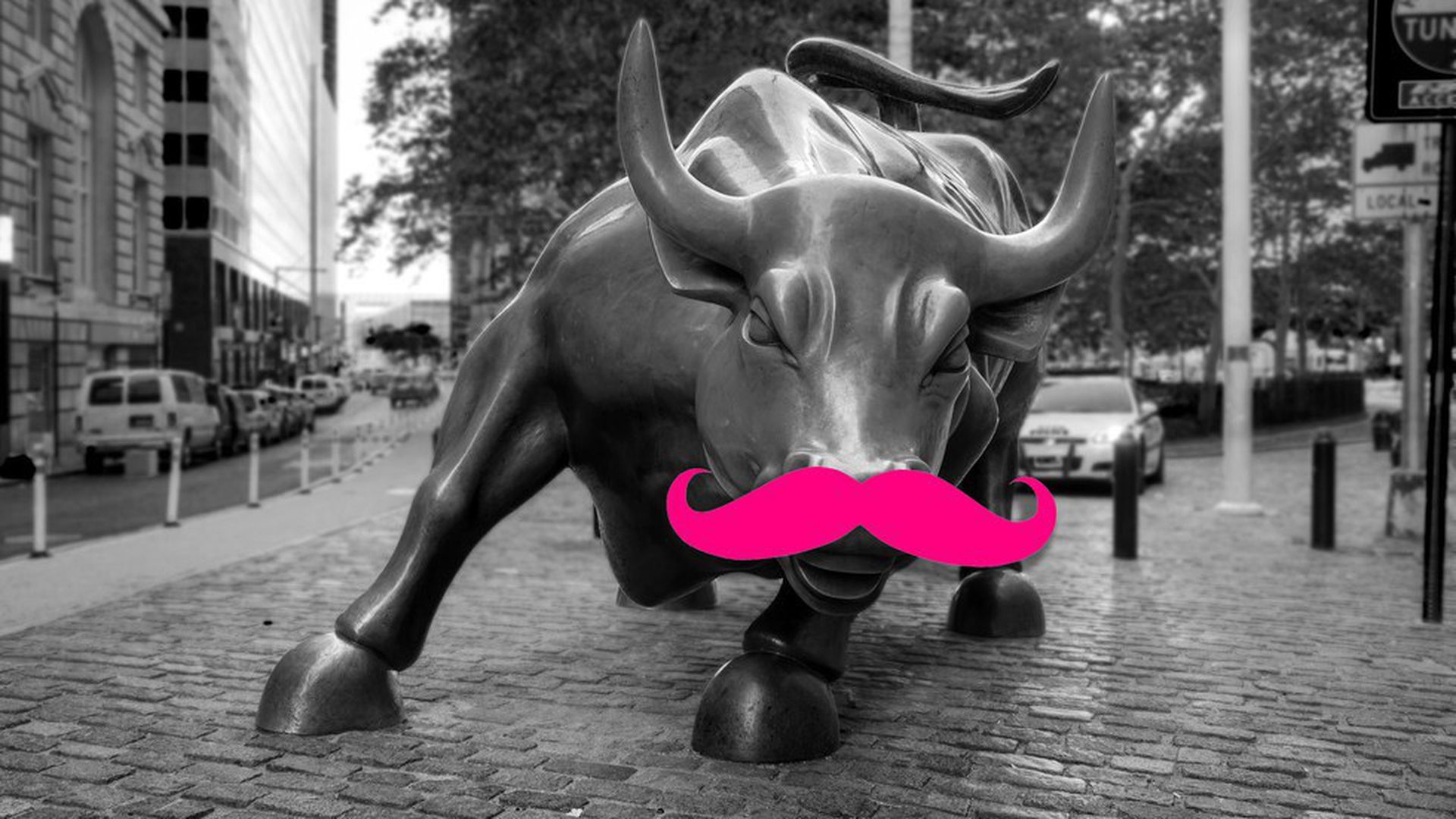
Ride-hail company Lyft on Monday disclosed that it hopes to raise over $2 billion in its IPO, at an initial market cap that could top $19 billion. The company will offer 30.77 million shares at between $62 and $68 per share, with its so-called IPO road-show kicking off today.
The bottom line: The top-range market cap is higher than Lyft's $15 billion valuation when it last raised private funding in the summer of 2018, but the low-range market cap would actually be a bit lower. In both cases, however, the fully-diluted valuation would be significantly higher, at a range of between $23 billion and $25.3 billion.




/2019/03/18/1552947663022.gif?w=3840)