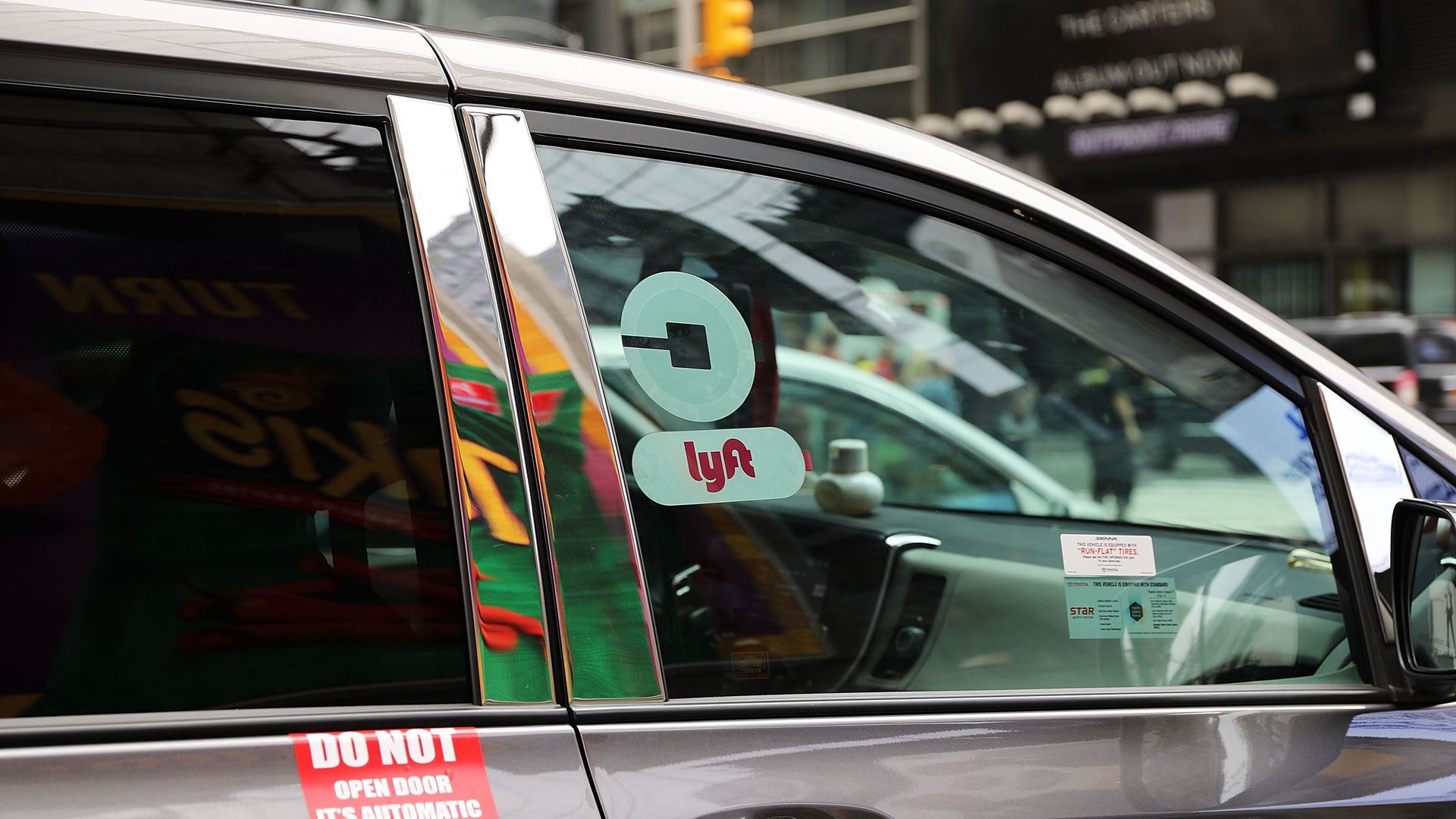
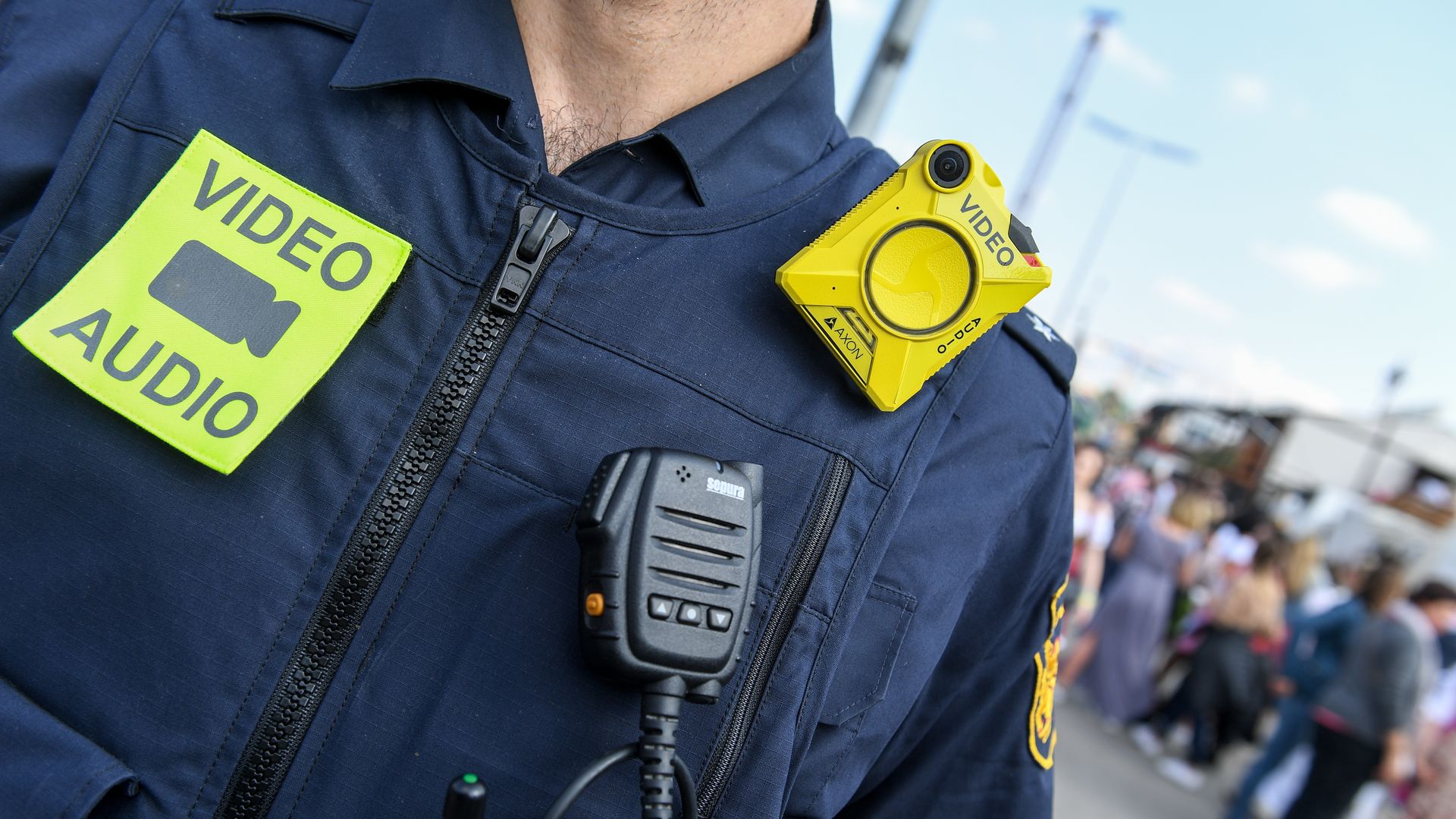
Uber has filed legal action against the city of New York over a law it passed last year capping the number of ride-hailing cars allowed on its street, fearing the city may make permanent the initial 12-month pause, according to court documents.
Apple has agreed to buy Pullstring, a San Francisco-based startup that enables the design and publishing of voice apps, Axios has learned from multiple sources.
Why it matters: This could help Siri better compete with Alexa.
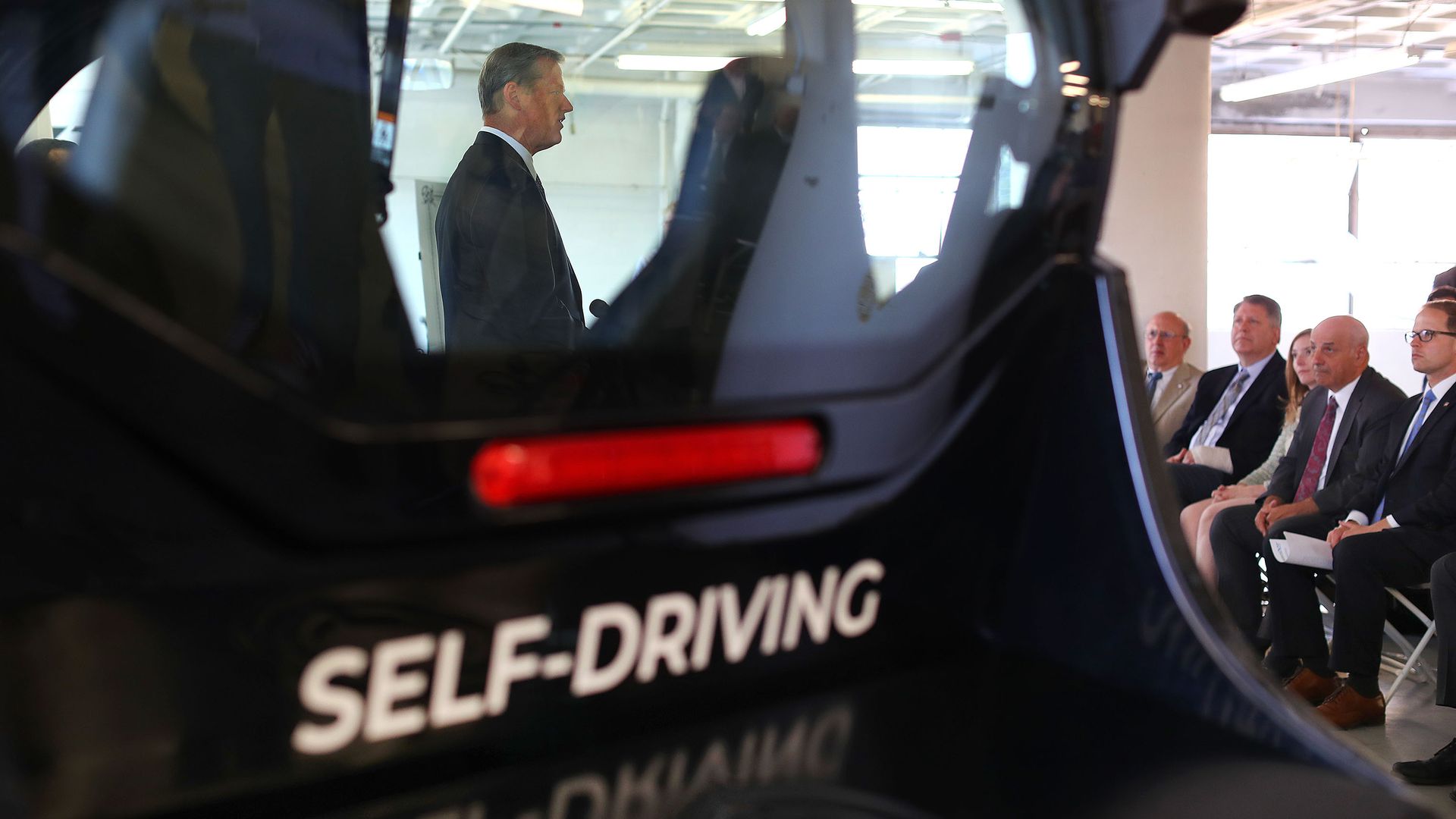
Voyage, one of America's first automated taxi services, is now up-and-running in a Florida retirement community. This means trendsetting grandparents — not car-averse urban millennials — might be the early adopters of self-driving cars.
The big picture: Retirement communities may be the perfect place to launch driverless cars — slower, simpler roads are easier to master and there's an unmet need from people who can no longer drive but want to remain active in their communities.
Uber on Friday released its latest quarterly financials, likely its last before formally filing to go public, showing continued growth and investment in areas like UberEats.
The bottom line: The numbers show continued growth and investment in areas like UberEats, but still no profits.
Dan talks with Axios reporters David McCabe and Erica Pandey about Amazon's decision to abandon its planned HQ2 facility in New York's Long Island City neighborhood.
Silicon Valley has been shaken over the past two years by the recognition that Americans don't always believe big tech is making the world a better place. It was a tough epiphany for the leaders of companies like Facebook, Twitter and Google, who have vacillated between defensive and apologetic — working through their stages of grief.
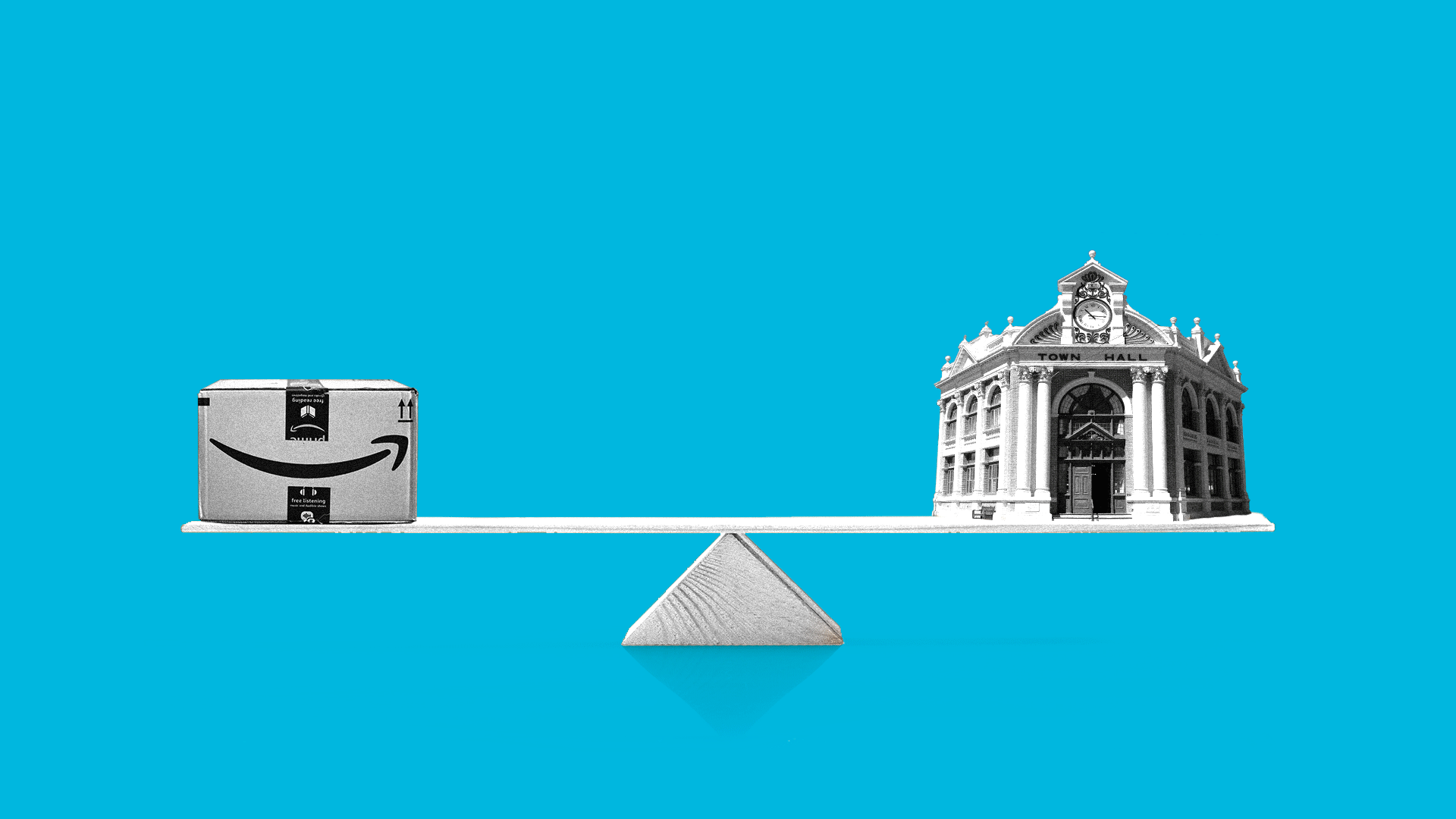
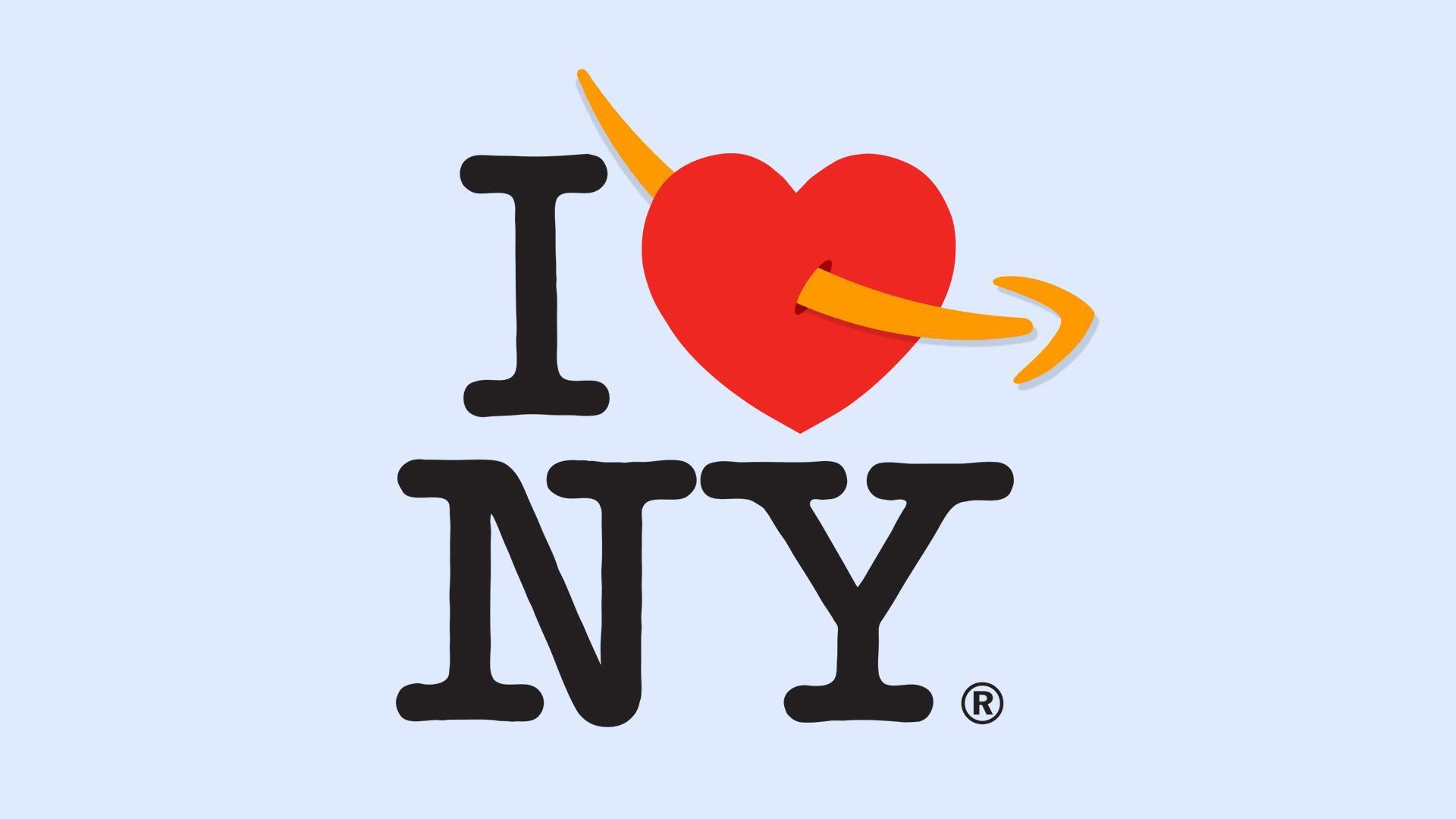
Amazon's retreat from Queens shows us the dynamics of a new local power game — one in which giant tech companies play on the same field with governments, as equals, with equal influence over our economies and communities.
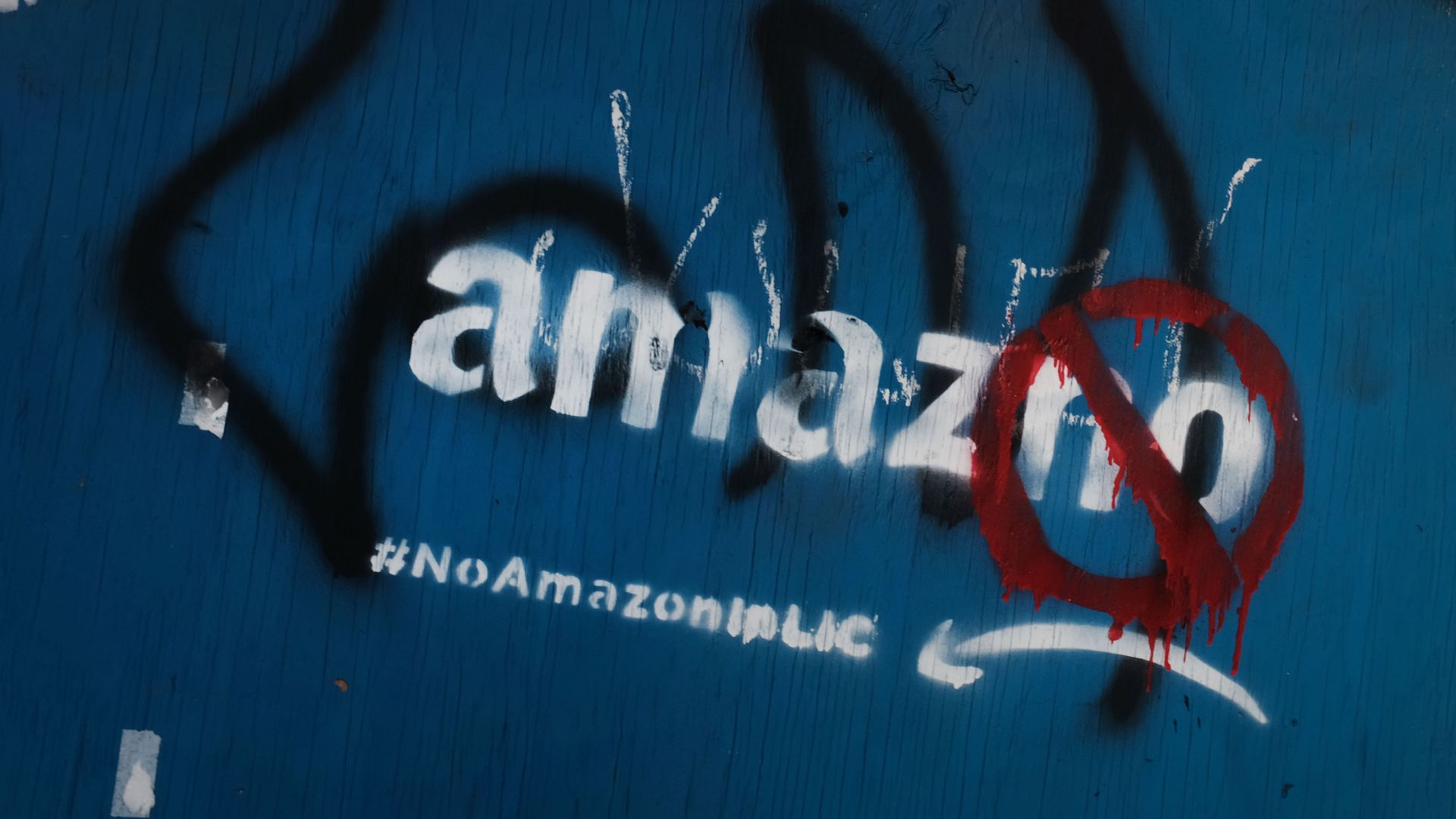
The big picture: The company's move cheered those New Yorkers who believed the deal gave Amazon too much in the way of tax breaks and financial incentives, even as it disappointed local officials who'd banked on Amazon's promise of 25,000 new jobs.
Facebook is negotiating with the Federal Trade Commission over a possible multi-billion dollar fine to settle an investigation into privacy violations by the firm, the Washington Post reported Thursday.
Why it matters: Previous FTC privacy fines levied against tech firms have been in the (low) millions, not billions. A major fine would send a message to Facebook — and other tech giants — that the commission is determined to rein in careless treatment of user privacy.
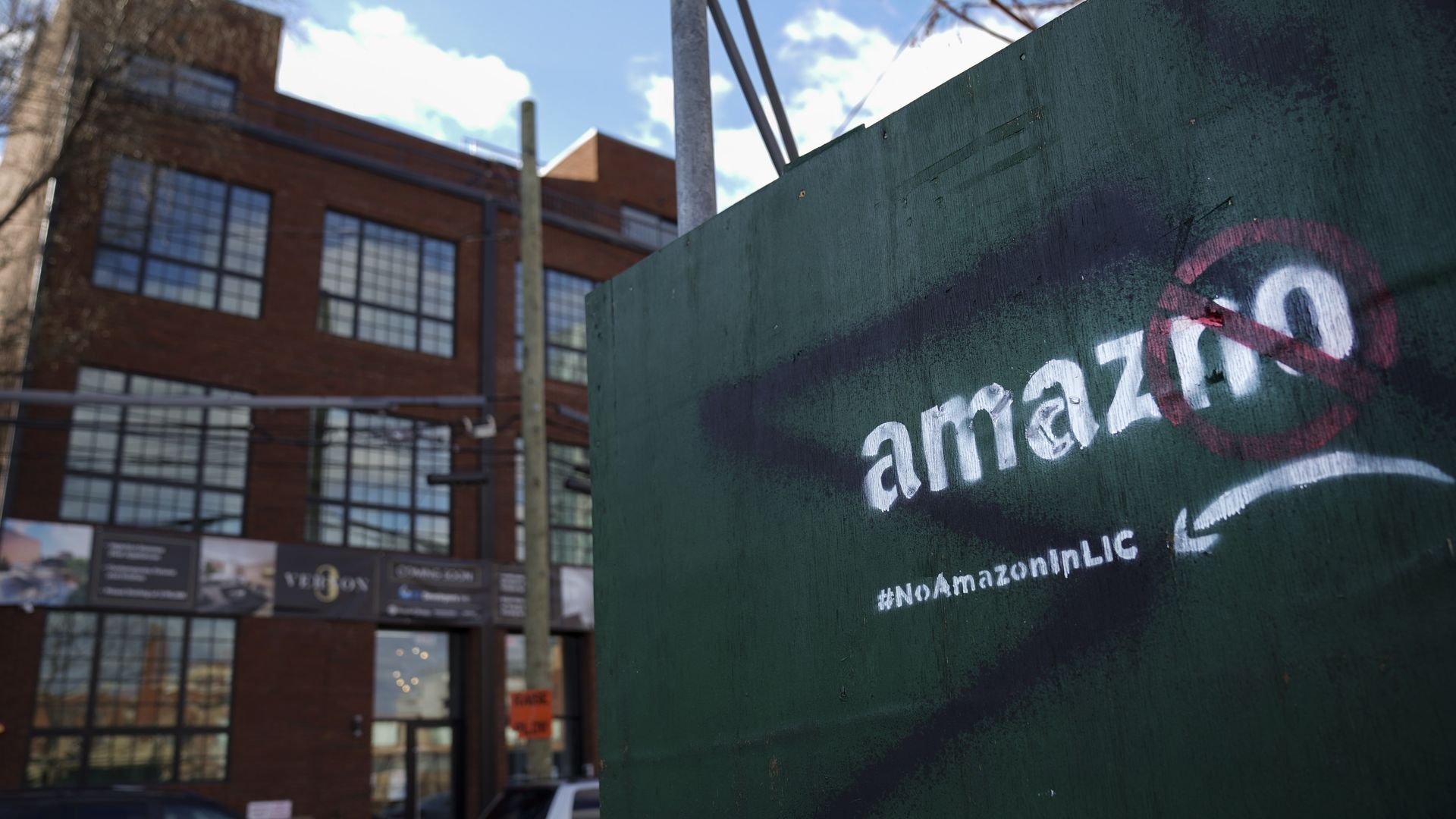
LONG ISLAND CITY, New York — On the corner of 41st Avenue and 12th Street, right in front of the Queens Library Tech Lab, people were giddy, furious and astonished at the news they heard today: Amazon, after all, will not build a gigantic new headquarters in their neighborhood, employing 25,000 people earning an average of $100,000 a year each. One emotion seemed ubiquitous: whiplash.
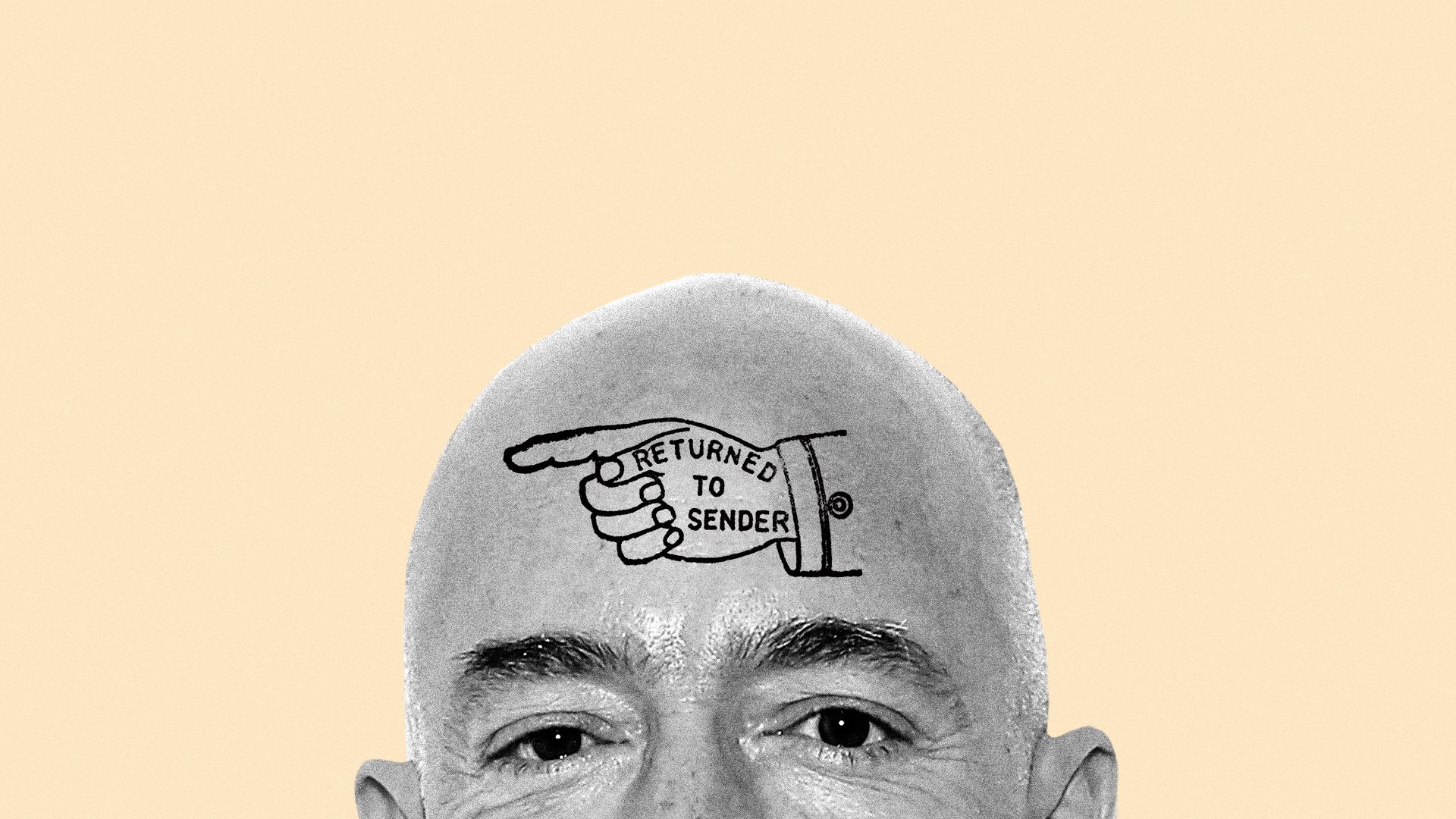
Amazon has spent the past two decades conquering the world, but today it beat a stunning retreat from the New York leg of its HQ2 expansion.
Why it matters: The optics are terrible for Amazon. It dangled 50,000 jobs as a life preserver for America's mid-sized cities, then picked the D.C. area and NYC for the bulk of the winnings, only to balk at the prospect of a local insurgency over its lucrative incentives package.
Amazon announced its decision Thursday to ditch plans for an HQ2 branch in New York City after facing resistance from state and local officials, though the company intends to move forward with its Virginia and Nashville plans and will not reopen its search.
What they're saying: Rep. Alexandria Ocasio-Cortez (D-N.Y.), whose district abuts Amazon's planned site and had organized local resistance to the project: "Anything is possible: today was the day a group of dedicated, everyday New Yorkers & their neighbors defeated Amazon's corporate greed, its worker exploitation, and the power of the richest man in the world."
Amazon announced Thursday that it was canceling its plan to build a portion of its HQ2 project in New York City, according to a company statement.
Why it matters, via Axios' David McCabe:This is a huge surprise. The deal was built — with the support of Gov. Andrew Cuomo and Mayor Bill de Blasio — to avoid almost all scrutiny from elected officials. But it turns out one of the world's most valuable companies would rather fold than continue confronting the aggressive backlash from the city's community activists and municipal officials.
Coffee Meets Bagel, a popular dating app, announced on Thursday — Valentine's Day — that an unauthorized party gained access earlier this week to a "partial list" of user details, including names and email addresses, per CNN's Donie O'Sullivan.
Why it matters: Although presumably users' financial information and passwords do not seem to be at risk in this breach, as the app said it doesn’t store either of these, dating apps run a risk of leaving users' most intimate communications vulnerable to privacy breaches.
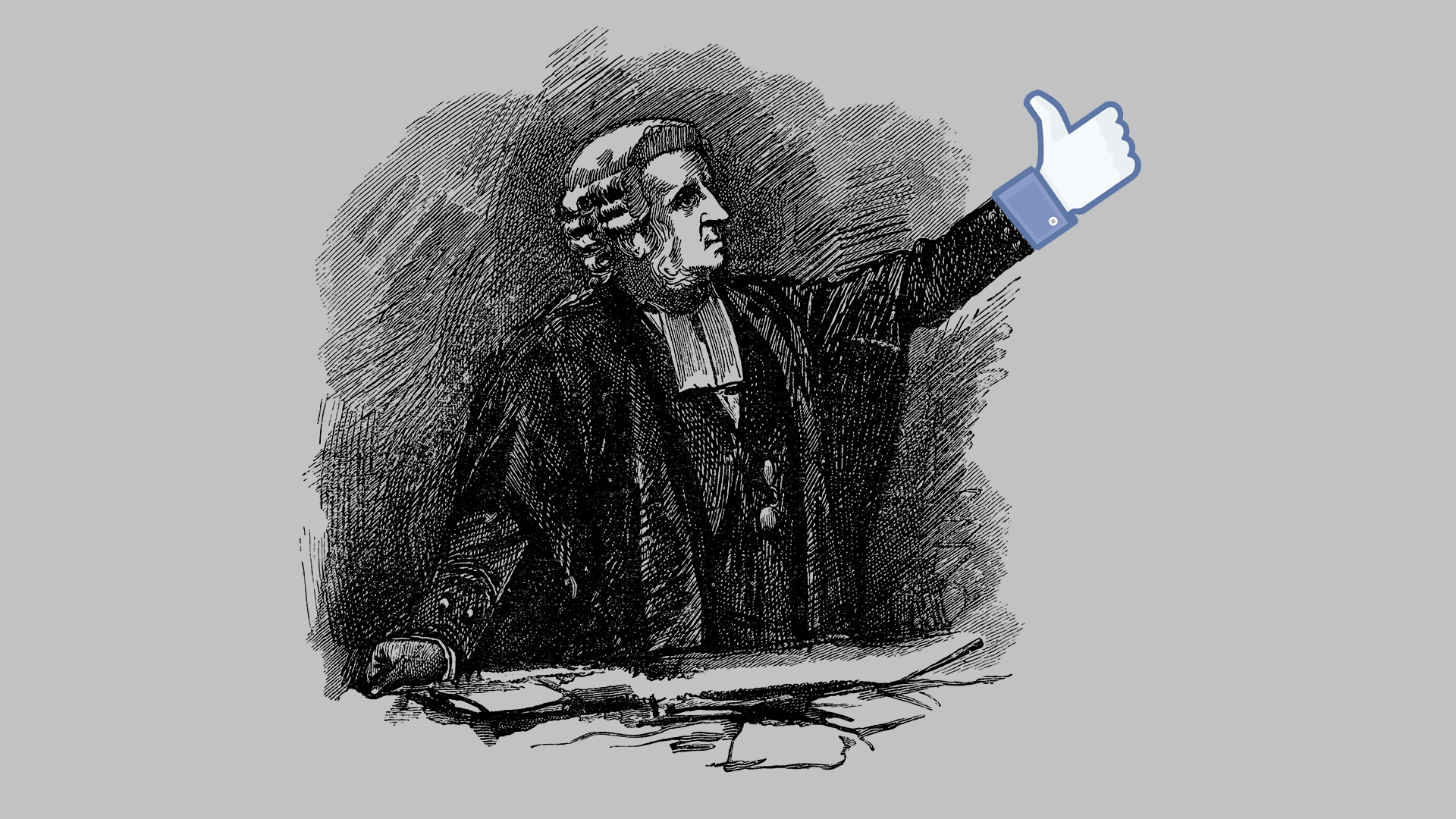
Mark Zuckerberg, Facebook critics, and outside experts have agreed on one thing over the past year: The social network of 2-billion-plus users is too big for one corporation to govern. Now Facebook is beginning to zero in on a detailed set of rules for a global mechanism to oversee who gets to say what on its platform.
The big picture: Last April, Zuckerberg first publicly floated the concept of a "Supreme Court"-like content moderation review board. In November, he committed to the project, and Facebook recently posted a "draft charter" for the body.
Every weapon is on the table in the war against democracy-disrupting deepfakes — from technology to detect the AI-altered videos and audio to legislation that would punish creating and distributing them.
The big problem is that these solutions don't work yet. So a third approach is gaining traction: developing a way to verify that a video hasn't been altered.